









For millions of people worldwide, the transition from dusk to dawn is not a period of restorative rest, but a nightly battle against a racing mind, fragmented sleep, and the persistent frustration of chronic insomnia. Recognizing the silent epidemic of sleep deprivation, the American Academy of Sleep Medicine (AASM) and the Society of Behavioral Sleep Medicine (SBSM) recently utilized "Insomnia Awareness Night" to bridge the gap between clinical expertise and public confusion.
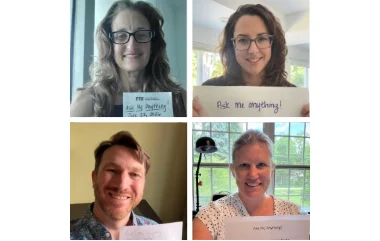
As part of this annual initiative, a panel of preeminent sleep scientists—Spencer Dawson, PhD; Sarah Honaker, PhD; Monica Kelly, PhD; and Jennifer Martin, PhD—took to the digital stage on Reddit. In a live "Ask Me Anything" (AMA) session, they dismantled common myths, addressed the efficacy of sleep-tracking technology, and provided a roadmap for those seeking professional help.
The Current Landscape of Sleep Health
Insomnia is more than just "having trouble falling asleep." Clinically, it is defined as a persistent difficulty with sleep initiation, duration, consolidation, or quality, occurring despite adequate opportunity for sleep, and resulting in daytime impairment. To be categorized as chronic, these symptoms must occur at least three times per week and persist for longer than three months.
The consequences of ignoring these symptoms extend far beyond simple daytime fatigue. Chronic sleep deficiency is linked to a host of long-term health risks, including cardiovascular disease, metabolic disorders, cognitive decline, and weakened immune function. Despite these risks, many individuals turn to anecdotal "hacks"—ranging from over-the-counter supplements to obscure audio therapies—rather than seeking evidence-based clinical interventions.
Chronology of the AMA: A Direct Dialogue
The Reddit AMA served as a real-time diagnostic window into the most common anxieties surrounding sleep. The following segments capture the core exchanges that took place between the experts and the community, offering a professional synthesis of the current state of sleep science.
The "Weekend Recovery" Fallacy
One of the most persistent questions in modern sleep science involves the concept of "catching up." Can an extra four hours on Saturday morning negate the damage done by five days of sleep restriction?
Dr. Jennifer Martin addressed this with cautious nuance. While limited studies suggest that weekend recovery sleep is better than total deprivation, it is a poor substitute for a consistent, healthy sleep schedule. "Yes and no," Dr. Martin noted. "Some studies show that catching up on sleep on weekends is better than not catching up at all. However, getting seven or more hours of sleep on a regular basis is best for long-term health and well-being." The takeaway is clear: consistency remains the gold standard for long-term physiological health.
The Rise of Wearable Tech: Friend or Foe?
In an era dominated by smartwatches and ring trackers, many users have become hyper-vigilant about their "sleep scores." Dr. Sarah Honaker provided a balanced perspective on this trend. She suggested that while data can be a powerful motivator for behavioral change—such as adhering to a strict bedtime—it can also be a source of "orthosomnia," a condition where the pursuit of perfect sleep data actually induces stress.
"In some cases, sleep tracking can make sleep worse by causing stress or anxiety about sleep," Dr. Honaker warned. "The most important indicator is how you feel the next day." The technology should be a tool for observation, not a cause for alarm.
Examining Modern Sleep Aids: Supplements and Sounds
The market for sleep aids is currently flooded with melatonin, CBD, THC microdoses, and herbal concoctions. The panel was particularly vocal regarding the lack of rigorous, large-scale clinical data supporting these supplements.
Dr. Martin emphasized that the market is outpacing the science. "It’s almost impossible to know what works and what may be a placebo effect," she stated. Regarding THC, she noted that high-quality, large-scale studies on microdosing for sleep efficacy are currently non-existent. For those suffering from chronic insomnia, she reiterated that the "gold standard" is Cognitive Behavioral Therapy for Insomnia (CBT-I), not an ever-changing rotation of supplements.
Regarding "binaural beats"—a popular auditory trend on streaming platforms—Dr. Spencer Dawson suggested that while there is little high-quality research proving they physically alter brainwave states to induce sleep, they may serve a functional purpose as a distraction. "Even if they don’t work in that way, they may serve as a pleasant and relaxing distraction. This is somewhat similar to listening to a podcast or audiobook while falling asleep."
Clinical Implications and Deep-Seated Issues
For individuals experiencing severe symptoms, such as the person who reported "waking up every two minutes" in a sleep study, the advice from the experts shifted from general sleep hygiene to the necessity of professional medical intervention.
Dr. Martin was unequivocal: "Frequent arousals during sleep can be a sign of a sleep disorder. Talk to the healthcare professional who conducted your sleep study and discuss possible causes." This highlights the importance of distinguishing between insomnia (a behavioral/psychological condition) and sleep disorders (such as sleep apnea or restless leg syndrome), which require specific medical diagnostics and treatments.
Addressing Early Morning Awakenings
Another common point of friction is the "4:00 a.m. wake-up call." Many adults find themselves unable to return to sleep after waking in the early hours. Dr. Dawson explained that this phenomenon can be driven by a variety of factors:
- Biological Chronotype: Some individuals are "extreme morning types."
- Circadian Phase Advance: A common occurrence as we age, where our internal clock shifts earlier.
- Underlying Anxiety or Depression: Psychological states that trigger hyperarousal.
- Sleep Disorders: Such as obstructive sleep apnea, which may cause subtle awakenings that become more pronounced.
Dr. Dawson’s advice for those caught in this cycle is to avoid the pressure of performance. "If you’ve woken up early and can’t determine the reason, it may be that your body has had as much sleep as it needs. Instead of trying to force sleep, allow your brain and body to get whatever sleep is still needed."
Why CBT-I is the Gold Standard
Throughout the discussion, one theme remained consistent: the move toward Cognitive Behavioral Therapy for Insomnia (CBT-I). Unlike medication, which acts as a sedative, CBT-I addresses the underlying cognitive and behavioral patterns that sustain insomnia.
CBT-I works by:
- Sleep Restriction: Limiting time in bed to increase "sleep efficiency" and build sleep drive.
- Stimulus Control: Teaching the brain to associate the bed only with sleep, not with reading, scrolling, or worrying.
- Cognitive Restructuring: Challenging the dysfunctional thoughts ("If I don’t sleep tonight, I will lose my job") that fuel the anxiety of being awake.
The experts’ collective message is that insomnia is a treatable, and often curable, condition when approached with the right clinical tools.
Conclusion: Shifting the Paradigm
Insomnia Awareness Night and the subsequent Reddit AMA underscore a vital shift in how we view sleep. It is no longer a passive state we hope to achieve, but an active component of health that can be managed through evidence-based practice.
As the population continues to struggle with the pressures of modern life, the guidance provided by the AASM and SBSM experts serves as a crucial reminder: data, supplements, and auditory tricks are secondary to the fundamentals of behavioral health. For those who find themselves caught in the cycle of chronic insomnia, the path forward is not found in a pill or a device, but in the structured, professional guidance of a sleep medicine specialist.
The conversation held on Reddit was just the beginning. By prioritizing the quality of our sleep, we are not just resting; we are investing in our longevity, our emotional stability, and our cognitive vitality. As the experts concluded, the most reliable gauge of sleep quality remains the simple, subjective feeling of wellness upon waking—a standard that no smart device can truly measure for you.
For those seeking further information, the full transcript of the AMA session remains available on the Reddit r/sleep community, providing a repository of peer-reviewed guidance for those ready to reclaim their nights.