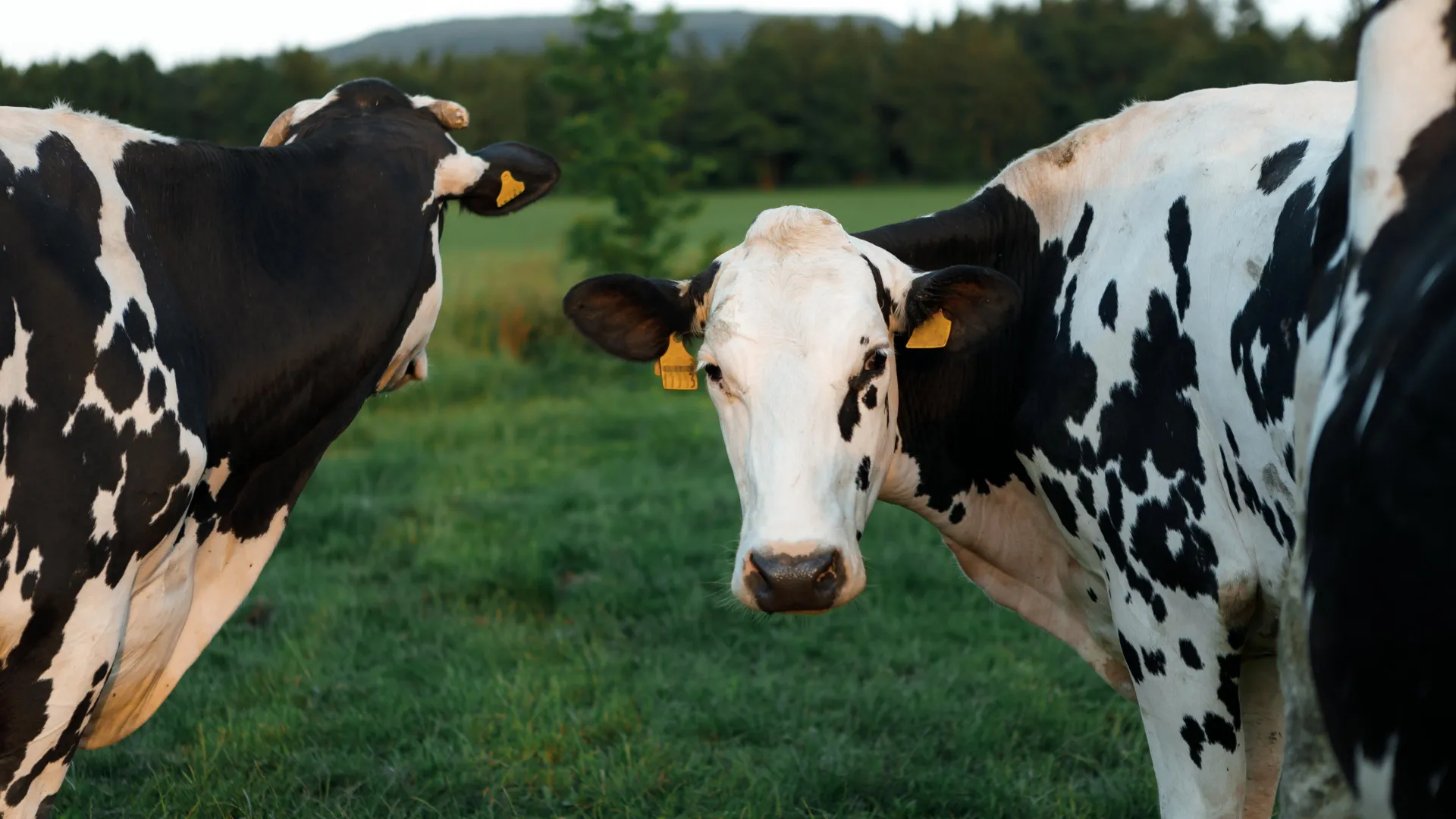
When the H5N1 avian influenza virus—a pathogen typically associated with the lungs of wild birds and poultry—began appearing in U.S. dairy cattle in early 2024, the scientific community faced a diagnostic crisis. Veterinarians, conditioned to treat bovine mastitis as a bacterial nuisance, were blindsided by a virus that behaved with unprecedented biological dexterity. Instead of triggering the expected respiratory distress, the virus settled into the mammary glands, turning milk production into a viral factory.
Now, a team of researchers from the University of Pittsburgh School of Public Health has peeled back the layers of this biological mystery. Published in the journal Science Advances, their study provides the first comprehensive explanation for why H5N1 exhibited such a radical shift in tissue tropism, offering a blueprint for how scientists can anticipate future zoonotic leaps.
The Chronology of an Unexpected Outbreak
The story of the 2024 H5N1 cattle outbreak is one of initial confusion followed by urgent investigation. The virus first announced its presence in the Texas Panhandle, manifesting as severe cases of necrotizing mastitis—a painful, inflammatory condition that causes significant tissue damage in the mammary glands.
Initial Confusion
As herds across state lines began to show symptoms, the agricultural sector remained in the dark. Because mastitis is a perennial, well-understood challenge for dairy farmers, initial efforts focused on conventional bacterial pathogens. “Mastitis is a classic disease in milk-production animals, and veterinarians were dutifully looking to all the usual suspects for the source,” explains Dr. Suresh Kuchipudi, chair of Infectious Diseases and Microbiology at Pitt Public Health. “When the real culprit turned out to be bird flu, everyone in the field was caught completely by surprise. We hadn’t even remotely considered that cattle could be a host for H5N1.”
The Spread and Environmental Contamination
By the time the virus was accurately identified, it had already established a foothold. The virus spread silently, moving from herd to herd through the movement of animals and the contamination of the shared dairy environment. As the virus localized in the udders, infected cows began shedding massive quantities of viral particles into their milk. This revelation immediately heightened concerns regarding occupational exposure for farm workers and the potential for spillover into domestic settings, particularly through the consumption of raw milk by pets—a practice that has already been linked to the deaths of cats in affected areas.
Unmasking the Biological Mechanism
To understand why the virus bypassed the lungs to favor the udder, the research team had to descend into the microscopic realm of glycobiology. Influenza viruses do not infect cells at random; they function like a key seeking a specific lock. These "locks" are glycan receptors—sugar-based molecules that stud the surface of cells.
The Receptor Discrepancy
For years, the consensus among influenza researchers was that the receptors required for avian flu to gain entry into a cell were prevalent in the respiratory tracts of mammals. When cows became infected with H5N1, researchers expected to see widespread coughing, sneezing, and lung damage. The lack of these symptoms suggested that the standard models of flu infection were missing a crucial piece of the puzzle.
"Glycan biology is very complex," says Dr. Kuchipudi. "We realized that, to understand what was really going on, we would need to use more innovative technologies and map out the fine-detailed architecture that enables the virus to bind to cells."
The Glycomics Partnership
To solve this, the Pitt researchers collaborated with Dr. Lauren E. Pepi of Harvard Medical School, an expert in glycomics. By integrating binding experiments, staining protocols, and ultra-high-resolution imaging, the team mapped the specific "landscape" of the cow’s tissues.
The results were revelatory. While many assumed all glycan receptors were equal, the team discovered that H5N1 possessed a highly selective preference for a specific subtype: N-linked sialic acid receptors. These specific receptors were found in abundance throughout the bovine mammary tissue, yet they were virtually nonexistent in the bovine airway. This discovery effectively labeled the udder as the "perfect breeding ground" for the virus, explaining the clinical absence of respiratory illness.
Supporting Data and Evidence
The study’s findings are supported by a rigorous multi-pronged analytical approach:
- Tissue Distribution Mapping: By utilizing ultra-high-resolution imaging, the team demonstrated a distinct, non-random distribution of N-linked sialic acid receptors.
- Binding Affinity Assays: Experiments confirmed that the viral hemagglutinin protein had a high binding affinity for the specific glycan structures found in the mammary tissue compared to the tracheobronchial epithelium.
- Pathological Correlation: The high density of these receptors in the udder directly correlates with the necrotizing mastitis observed in clinical settings, proving that the virus was not merely "passing through" but was actively replicating in the glandular tissue.
Official Perspectives and Public Health Implications
The implications of this research extend far beyond the dairy industry. Dr. Kuchipudi and his colleagues emphasize that while the virus is highly adapted to the bovine udder, the risk of transmission to humans and other mammals remains a significant public health consideration.
The Pasteurization Mandate
Dr. Kuchipudi has been a vocal advocate for food safety, reinforcing the consensus that commercial pasteurization is highly effective at neutralizing the H5N1 virus. The study underscores that the danger lies in the consumption of raw milk, which serves as a vector for the virus shed during the infection of the mammary glands.
Occupational Safety
The identification of the virus in raw milk has necessitated a shift in safety protocols for dairy farm workers. Personal protective equipment (PPE) and rigorous hygiene standards are now paramount to prevent the virus from moving from the bovine host to the human respiratory system, where it could potentially adapt further.
Predicting Future Zoonotic Events
Perhaps the most valuable takeaway from the Pitt Public Health study is its potential for predictive modeling. By understanding the "glycan architecture" of different species, researchers can now preemptively screen animals for their susceptibility to specific strains of influenza.
The "Preemptive Screening" Strategy
"We can preemptively screen different species and different tissues within them for susceptibility," Dr. Kuchipudi notes. This proactive approach aims to move science from a reactive posture—where experts scramble to explain an outbreak after it occurs—to a predictive one.
By analyzing the glycan profiles of various livestock, wildlife, and companion animals, scientists can determine:
- Tissue Tropism: Will the virus cause respiratory distress, mastitis, or something more severe, such as neurological damage?
- Host Range: Which species are most likely to serve as "mixing vessels" for the virus to mutate into a form more dangerous to humans?
- Surveillance Priorities: How to better allocate limited research and testing resources to monitor the species at the highest risk of becoming a bridge for zoonotic transmission.
The team’s research, supported by the U.S. Department of Agriculture’s National Institute of Food and Agriculture, serves as a cornerstone for future pandemic preparedness. As the H5N1 virus continues to circulate, the ability to decode its biological strategy—and anticipate its next move—will be essential in preventing the next large-scale spillover event.
The study concludes that while the "udden-focused" nature of this outbreak was a surprise, it was not a biological anomaly; it was the result of a precise, evolutionary interaction between a virus and the unique glycan landscape of its host. By understanding these rules, the scientific community is now better equipped to ensure that the next time a virus attempts to cross species boundaries, it will be met with knowledge rather than confusion.