





In an era defined by fiscal volatility and a tightening global funding landscape for academic research, the Cancer Research Institute (CRI) has taken a defiant stand. While many institutions have retreated in the face of economic headwinds, the CRI has chosen a path of aggressive expansion, marking the 2025–26 fiscal year as a historic milestone in its 70-year mission to conquer cancer through the power of the immune system.
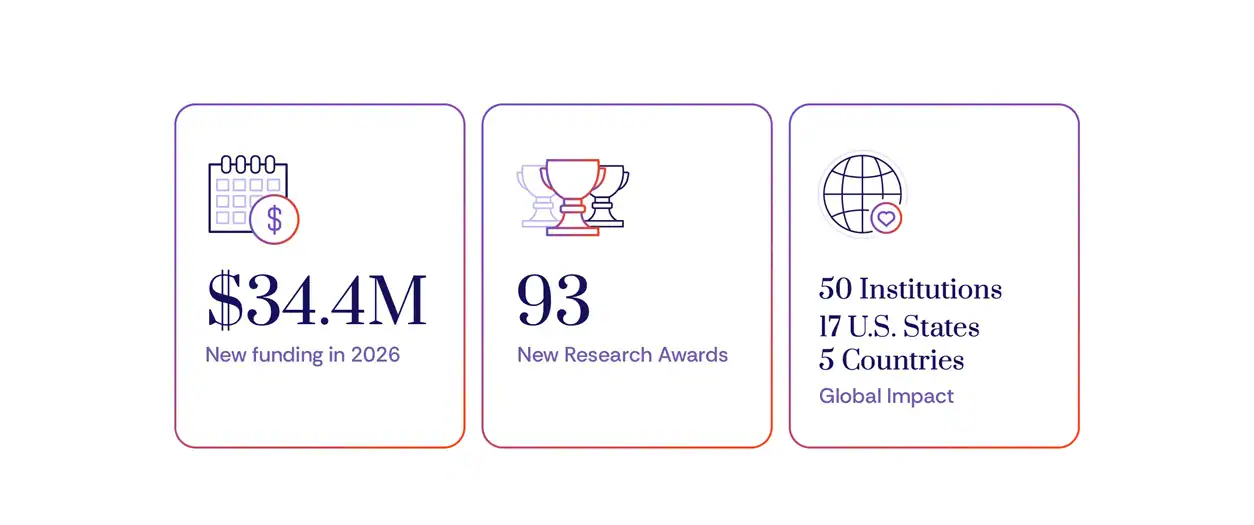
By committing a record-breaking $34.4 million across 93 awards, the CRI is not merely maintaining the status quo; it is actively insulating the scientific community from the chilling effects of budget cuts. This massive influx of capital—spanning 50 institutions across five countries and 17 states—represents a strategic gamble on human potential, ensuring that the next generation of life-saving breakthroughs is not derailed by a temporary lack of resources.
The Chronology of Commitment: A Year of Unprecedented Growth
The trajectory of the CRI’s recent success was not an overnight occurrence but the culmination of a multi-year strategy to identify and mitigate the “valleys of death” in research careers.
- Early 2025: As funding reports across the globe signaled a downturn, the CRI board and leadership prioritized a shift in resource allocation, moving to secure funds for early-career investigators who were most at risk of losing momentum.
- Mid-2025: The organization formally launched the IGNITE (Inspiring Growth and Nurturing Independence Through Excellence) Award. This program was engineered to address the specific, vulnerable transition period between postdoctoral fellowship and the establishment of an independent, tenure-track laboratory.
- Late 2025 – Early 2026: The CRI successfully deployed its $34.4 million investment, distributing grants to a diverse cohort of researchers. This period also saw the expansion of the Lloyd J. Old STAR Awards, which provide established investigators with the long-term, high-risk capital necessary for radical innovation.
- September 2026: The publication of the Annual Impact Report formalized these achievements, signaling to the global oncology community that the CRI remains a primary engine of progress in immunotherapy.
Supporting Data: The Anatomy of an Investment
The $34.4 million disbursed by the CRI is more than just a line item in an annual report; it is a calculated effort to stabilize the research ecosystem. The breakdown of this funding illustrates a focus on both breadth and depth:
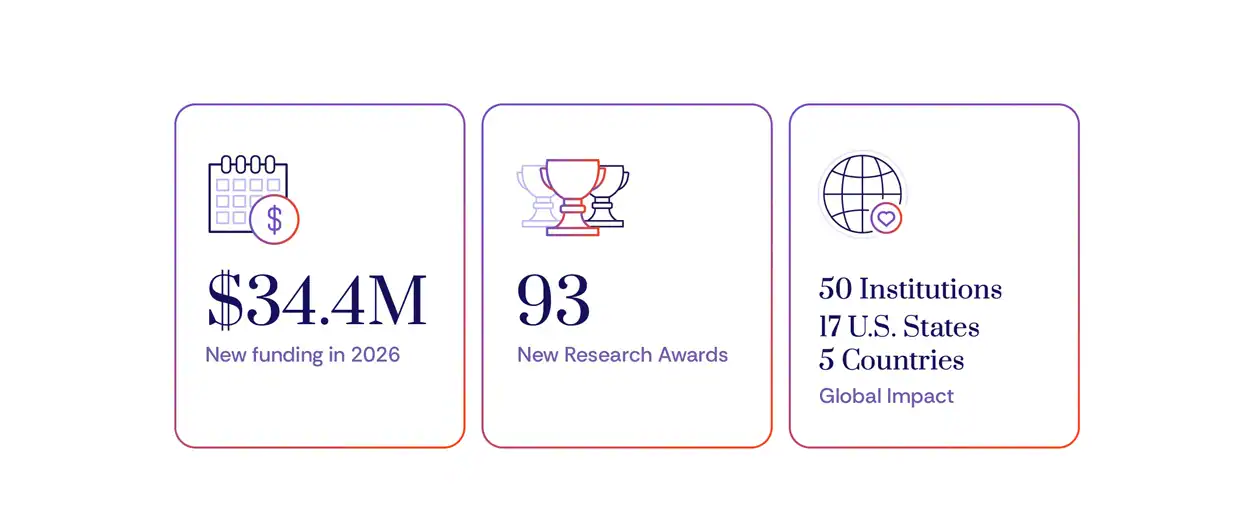
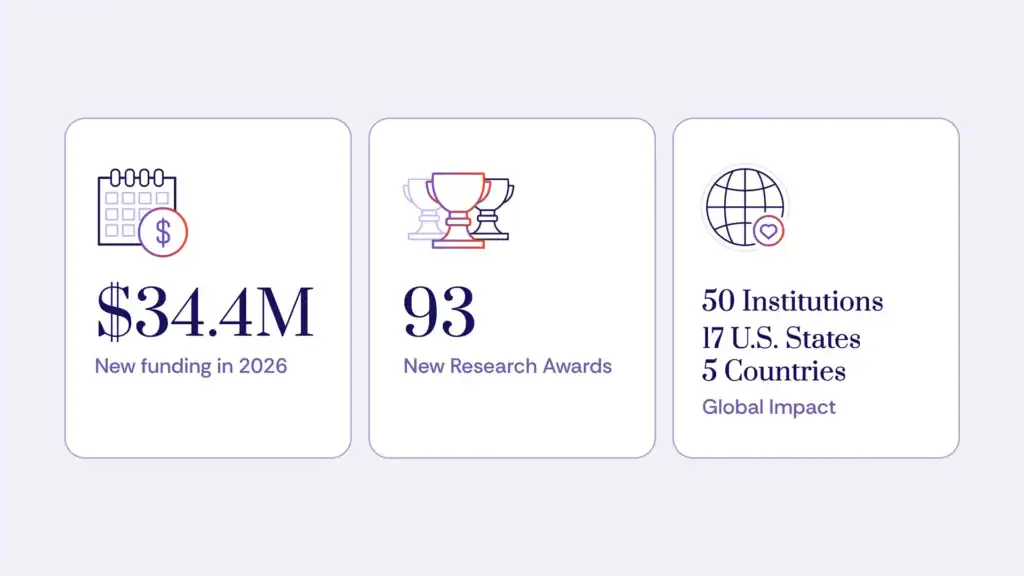
- Total Funding: $34.4 million.
- Total Awards: 93 individual grants.
- Geographic Reach: Scientists supported across 5 countries and 17 states.
- Institutional Breadth: 50 unique academic and research institutions.
- Programmatic Focus: The funding spans a "continuum of support," covering postdoctoral fellowships, the new IGNITE program for independent researchers, and the STAR Awards for established, high-impact investigators.
This data suggests that the CRI is not looking for quick wins. By embedding itself into every stage of a scientist’s career—from the initial postdoctoral phase to the pursuit of high-risk, independent research—the institute is building a self-sustaining pipeline of expertise.
The IGNITE Award: Bridging the Career Gap
One of the most significant barriers in modern science is the "postdoc-to-PI" transition. Researchers who have mastered their craft under the guidance of a senior mentor often find themselves without the resources to secure their own laboratory, define their own original research questions, or compete for massive, long-term government grants.
The CRI’s IGNITE Award was specifically designed to bridge this gap. By providing targeted funding to early-career scientists at this precarious juncture, the CRI prevents the loss of “lost generations” of talent—brilliant minds who might otherwise abandon academia due to financial instability.
A Case Study: Dr. Simone Park
The impact of this approach is perhaps best personified by Dr. Simone Park, an inaugural IGNITE Award recipient at the University of Pennsylvania. Dr. Park’s journey with the CRI began during her postdoctoral years, a period of intensive skill-building.
With the support of the IGNITE Award, she has transitioned into an independent investigator, launching a program focused on tissue-resident memory T cells. These specialized immune cells are a holy grail in immunotherapy research; they remain in specific tissues, potentially providing a "memory" that prevents cancer recurrence. By deciphering the durability and persistence of these cells, Dr. Park is exploring the frontier of long-lasting, protective immunity. Her transition from a fellow to a lead investigator is a direct result of the CRI’s philosophy: sustained investment leads to scientific maturity.
Implications for the Future of Cancer Research
The implications of the CRI’s record-breaking year extend far beyond the laboratory bench. In a climate where uncertainty is the new normal, the CRI is establishing a template for how philanthropic organizations can act as stabilizers for public health infrastructure.
1. Decoupling Innovation from Macroeconomic Volatility
By ensuring that research does not stall when government or institutional funding fluctuates, the CRI protects the "continuity of thought." Science requires long, uninterrupted periods of focus. When researchers are forced to spend their time hunting for funding rather than analyzing data, the pace of innovation slows. The CRI’s investment acts as a hedge against this volatility.
2. A Holistic Ecosystem Approach
The CRI’s strategy recognizes that research is not just about bench science. Their commitment extends to clinical studies, the development of computational tools, and the translation of complex biological data into actionable patient information. By supporting the entire pipeline—from the data scientist to the oncologist to the patient advocate—the CRI is shortening the time between a "eureka" moment in the lab and a therapeutic outcome in the clinic.

3. The Power of "High-Risk, High-Reward"
The inclusion of the Lloyd J. Old STAR Awards in this year’s portfolio highlights the institute’s commitment to bold, potentially disruptive ideas. In traditional funding models, peer-reviewed grants often favor incremental, low-risk research. By providing the freedom to pursue high-risk ideas, the CRI is ensuring that the field does not become stagnant.
Conclusion: A Promise Kept
The 2026 Annual Impact Report is more than a summary of statistics; it is a document of intent. As the CRI looks toward the future, it faces a landscape filled with both complex biological challenges and institutional uncertainties.
However, the core tenets of the organization remain unchanged. By betting on exceptional people—providing them with the resources, flexibility, and confidence to push the boundaries of immunotherapy—the CRI is ensuring that cancer treatment is not just a dream for the future, but a reality in the making.
As the leadership at the Cancer Research Institute noted, while uncertainty may alter the landscape of scientific progress, it cannot change the fundamental requirements for discovery: talented people, bold concepts, and the sustained support to turn those ideas into life-saving treatments. The CRI has proven that even in the most challenging years, the momentum of discovery can not only be maintained but accelerated. The work is far from finished, and as the institute prepares for the next phase of its mission, the message is clear: the pursuit of a world without cancer is only just beginning.