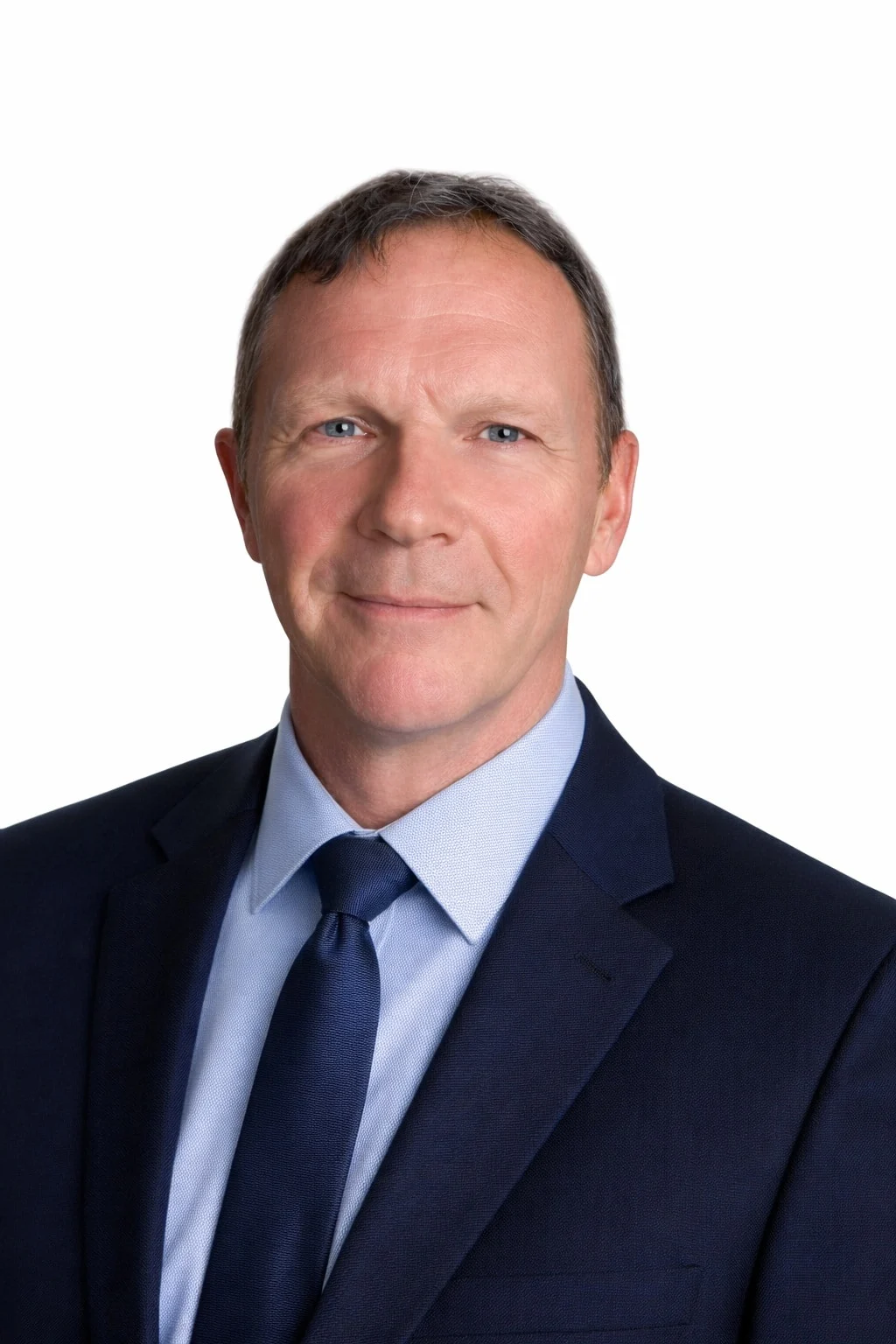
At the heart of every successful advocacy organization lies a dedicated team of professionals whose work translates scientific potential into legislative reality. The Alliance for Aging Research, a leading nonprofit organization committed to accelerating the pace of scientific discovery and improving the universal human experience of aging, relies on the strategic expertise of its leadership to navigate the complex corridors of power in Washington, D.C.
This month, the Alliance spotlights Scott Frey, the Senior Vice President of Public Policy and Government Relations. Frey serves as the primary bridge between the organization’s mission and the decision-makers on Capitol Hill and within the Federal Executive Branch. His career, spanning several decades, is a testament to the power of persistence, policy reform, and the pursuit of equity in medical research.
The Vanguard of Policy: Main Facts and Role Definition
In his capacity as Senior Vice President, Scott Frey is tasked with the critical responsibility of translating the Alliance’s mission—improving the health and independence of older adults—into tangible legislative and regulatory outcomes. His role involves constant engagement with federal stakeholders, ensuring that the voice of the aging population is heard at the highest levels of government.
Frey’s work is characterized by a "science-first" approach. In an era where public trust in scientific institutions is increasingly volatile, he views his role not just as a lobbyist, but as a guardian of evidence-based policymaking. His daily responsibilities include briefing members of Congress, working with federal agencies to streamline medical research, and ensuring that the needs of older adults remain a top priority in national budgetary discussions.
A Career Shaped by History: The Chronology of Commitment
To understand Scott Frey’s dedication to the Alliance, one must look at the path that led him to Washington. Born in Pennsylvania, Frey grew up witnessing the erosion of industrial security in the mid-20th century. By 1987, the year he moved to the nation’s capital, he had already developed a keen awareness of the relationship between economic stability and quality of life.
- 1987: Moved to Washington, D.C., to pursue a career in federal public policy, motivated by the decline of retirement security and industrial opportunities in his home state.
- Early Career: Served in Congress during pivotal years for health equity. Frey was deeply involved in early initiatives to reform the gender gap in medical research, specifically contributing to historic campaigns that expanded breast cancer screening and treatment protocols.
- Decades of Service: Over the ensuing decades, he became a fixture in health policy, advocating for increased funding for geriatric education and the advancement of age-related research.
- 2024–Present: Joined the Alliance for Aging Research, bringing over 30 years of experience to lead the organization’s public policy and government relations strategy.
His journey is marked by a profound sense of continuity. What began as a career move in the late 1980s has evolved into a life-long crusade to honor a promise made to his grandmother—a promise to "fight for older folks."
The Landscape of Aging: Supporting Data and Context
The urgency of Frey’s work cannot be overstated. According to the U.S. Census Bureau, the number of Americans aged 65 and older is projected to reach 82 million by 2050. This demographic shift presents unprecedented challenges to the U.S. healthcare system, which must transition from a model focused on reactive acute care to one emphasizing proactive, preventive, and chronic-disease-management care.
Frey’s advocacy is backed by the stark reality of current health inequities. The Alliance for Aging Research consistently highlights the "health span" gap—the period of life spent in good health versus the total lifespan. By pushing for increased funding for the National Institute on Aging (NIA) and advocating for the inclusion of older adults in clinical trials, Frey and his team are tackling the systemic barriers that prevent seniors from accessing life-extending innovations.
Furthermore, his advocacy for "science-driven public policy" comes at a time when funding for medical research is subject to intense fiscal scrutiny. By consistently highlighting the economic impact of chronic disease, Frey’s office provides lawmakers with the data necessary to justify investments in geriatric care and biomedical research as essential components of national security and economic stability.
Official Perspectives: The Ethics of Advocacy
When asked about his favorite project, Frey resists the urge to choose, likening it to a parent picking a favorite child. Instead, he emphasizes the philosophical reward of his work. "It is rewarding and exciting to share a part in the fight to ensure science-driven public policy," Frey notes. "In an era where these imperatives are under serious attack, the work is both urgent and profoundly necessary."

Frey’s perspective on the health issues the Alliance addresses is deeply personal. He credits his early work in Congress—specifically the fight for gender equity in medical research—as a formative experience. By witnessing patients and families turn their personal health crises into legislative battles, Frey developed a profound respect for the "patient-advocate." He asserts that the most effective policy changes occur when the lived experience of patients is synthesized with hard scientific data.
This approach reflects the Alliance’s broader strategy: creating a coalition between scientists, policymakers, and the public. By ensuring that the human face of aging is never lost in the bureaucratic shuffle, Frey maintains the momentum necessary to move legislative mountains.
Implications for the Future: Healthy Aging as a Dynamic Process
Perhaps the most significant insight from Frey’s tenure is his evolving view on what it means to "age well." Rather than viewing aging as a static state, Frey views it as a dynamic process of constant adaptation.
"We sit on the cusp of so many promising and long-awaited new developments in treatments and access to care," he explains. He notes that the scientific advancements he fought for three decades ago are finally reaching the bedside. However, he warns that "it is never finished." Every medical breakthrough creates new challenges, such as questions of affordability, access, and long-term care infrastructure.
For Frey, the secret to healthy aging—both personally and professionally—is the embrace of these new challenges. He views the act of learning, adapting, and continuing to advocate for progress as the ultimate form of healthy aging. It is a mindset that keeps him intellectually rigorous and emotionally committed to his role at the Alliance.
Personal Reflections: Beyond the Office
While his professional life is dedicated to the intricacies of policy, Frey’s intellectual life is grounded in the humanities. A lover of classic literature, he draws inspiration from the absurdity and wit of Joseph Heller’s Catch-22 and the biting social commentary of Kurt Vonnegut. His appreciation for A.A. Milne and Maurice Sendak reveals a softer side to the seasoned lobbyist—a reminder of the innocence and wonder that the work of the Alliance seeks to protect for generations to come.
Ultimately, Scott Frey’s story is one of unwavering fidelity to a promise. That promise, made to his grandmother, has served as the north star for his career. Whether he is navigating the halls of the Rayburn House Office Building or coordinating with stakeholders in the executive branch, his actions are driven by a singular, persistent question: Is this helping those who need it most?
As the Alliance for Aging Research continues to lead the nation toward a future where aging is defined by health and opportunity rather than decline and dependency, the steady hand of Scott Frey ensures that the path forward is paved with both empathy and evidence. His tenure at the Alliance is a reminder that while the scientific challenges of aging are great, the strength of the people dedicated to solving them is greater.
Key Takeaways for Stakeholders
- Policy Continuity: Advocacy for aging populations requires a long-term commitment that transcends specific election cycles.
- Science-Driven Advocacy: Success in federal policy relies on the synthesis of patient stories with rigorous scientific data.
- The Aging Paradigm: Healthy aging is an active, ongoing process of adaptation to new scientific and medical realities.
- Institutional Memory: Leaders like Scott Frey are vital to the Alliance’s ability to leverage historical precedents to secure modern victories.
By continuing to prioritize the intersection of patient advocacy and legislative action, Scott Frey and the Alliance for Aging Research remain at the forefront of a movement that is redefining the human experience of longevity for the 21st century.