











The landscape of the National Health Service (NHS) is currently undergoing its most significant digital pivot in a generation. As the health service grapples with the dual pressures of record waiting lists and an aging population, the role of technology has shifted from a back-office utility to the very bedrock of clinical delivery. Against this backdrop, the Digital Health Summer Schools 2026—taking place 16–17 July at the University of Nottingham—has emerged as the definitive forum for the architects of this transformation.
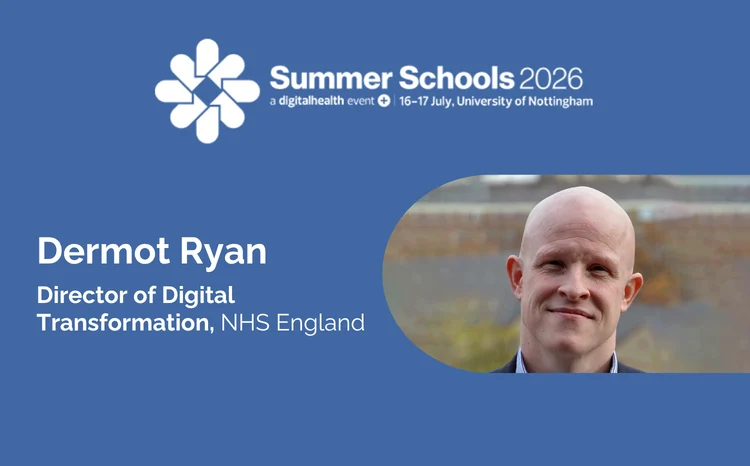
The latest announcement that Dermot Ryan, director of digital transformation at NHS England, will join the speaker roster underscores the event’s importance. Tasked with the execution of the £2.5 billion Frontline Productivity Programme, Ryan’s participation signals a move toward actionable, results-oriented digital strategy.
Main Facts: The Frontline Productivity Push
The £2.5 billion investment in frontline productivity is the central pillar of the current NHS strategy. However, the allocation of these funds is not merely a budgetary exercise; it is a complex operational challenge. Dermot Ryan has been explicitly charged with ensuring that this capital translates into tangible improvements in patient throughput and clinical efficiency.
The core challenge remains the "interoperability gap." While pockets of innovation exist, the NHS continues to struggle with fragmented systems that prevent the seamless flow of patient data between acute trusts, primary care, and social care providers. Ryan’s session at Summer Schools will focus on the execution phase of the programme, specifically addressing how to break down the silos that have traditionally hampered digital adoption.
The event is designed to move beyond theoretical policy, offering a platform where the nation’s top clinical digital leaders—including National CCIO Dr. Alec Price-Forbes, National CNIO Helen Balsdon, and National CMIO Dr. Wajid Hussain—can engage in closed-door sessions to stress-test these national strategies against the harsh realities of hospital-floor operations.
Chronology: A Roadmap to Digital Maturity
To understand the significance of the 2026 Summer Schools, one must look at the trajectory of the last 18 months of health policy in the UK:
- Mid-2025: The government formalized the 10-year health plan, signaling a shift toward integrated care systems (ICS) and a "digital-first" approach to patient safety.
- Early 2026: Interim leadership for the Frontline Productivity Programme was revealed, with Dermot Ryan stepping into a pivotal role to bridge the gap between national funding and local implementation.
- May 2026: The full working programme for the Summer Schools was released, showcasing a departure from traditional "lecture-style" conferences in favor of small-group, interactive workshops.
- July 2026 (Upcoming): The Summer Schools event will serve as the first major "summit" for leaders to account for the first year of the 10-year plan, providing a progress report on the digital transformation agenda.
Supporting Data and Strategic Challenges
The urgency behind the £2.5 billion investment is rooted in clear data. Clinical engagement remains the primary hurdle for digital adoption; according to industry sentiment, technologies are often perceived as administrative burdens rather than clinical enablers.
Furthermore, the need to rebalance funding from acute, hospital-centric settings to community-based, non-acute care is essential to reducing the burden on Emergency Departments. Digital health leaders at the conference will be provided with data-driven insights on how to optimize these pathways. The event’s emphasis on "practical insights" is a direct response to feedback that previous conferences often lacked the granular, peer-to-peer knowledge exchange necessary for Chief Clinical Information Officers (CCIOs) and Chief Nursing Information Officers (CNIOs) to succeed in their respective trusts.
Official Responses and Key Sessions
The 2026 programme has been curated to address the most provocative topics in healthcare IT today. One of the most anticipated sessions is titled, "AI is now the top risk to patient safety: what can organisations and patients do to protect themselves?"
This session will feature a multidisciplinary panel, including representatives from Guy’s and St Thomas’, University Hospitals of Northamptonshire, West London NHS, and Patient Safety Learning. The discourse will move past the "hype" of Generative AI, focusing instead on the governance frameworks required to prevent diagnostic errors and algorithmic bias.
Additionally, the panel "One year on from the 10-year health plan: where are we and what’s next?" will serve as a high-level audit of the government’s progress. With Salma Yasmeen (CEO, Sheffield Health Partnership University NHS Foundation Trust) leading the discussion, alongside Dr. Masoon Nazir and Dr. Penny Kechagioglou, the session aims to address the disconnect between national mandates and regional delivery.
Implications for the Future of the NHS
The implications of the Digital Health Summer Schools go far beyond the two days of the event. For current and aspiring digital leaders, the conference serves as a "forcing function." By providing a space for honest, closed-door dialogue, the event allows leaders to challenge the feasibility of national directives.
1. The Shift to "Digital-First" Governance
The event signifies a maturation in the NHS digital leadership community. No longer are they simply "IT managers"; they are now central to the clinical safety and operational survival of the NHS. The focus on "practical leadership skills" suggests that the next phase of the NHS is less about buying new software and more about cultural change management.
2. The Role of Industry Partnerships
The support of major industry players like AWS, Better, CereCore, Dell Technologies, InterSystems, Microsoft, Nervecentre, Optum Emis, and Salesforce highlights the symbiotic relationship between the public sector and the private technology market. The ability for NHS leaders to engage directly with these vendors in a neutral setting is vital for the development of interoperable, scalable solutions.
3. Empowerment of the Digital Workforce
By offering CPD-accredited sessions, the Summer Schools are investing in the "human infrastructure" of the NHS. As the service becomes more data-reliant, the need for clinical leaders who are also tech-literate has never been higher. This event is the primary mechanism by which the NHS is upskilling its next generation of executives.
Conclusion: Why This Event is Essential
For those working within the Digital Health Networks—the UK’s largest health IT community—the Summer Schools represent the best opportunity to influence the direction of the national digital agenda.
The revamped format, which prioritizes interactive, small-group sessions, is a clear recognition that the problems facing the NHS today—interoperability, patient safety, and clinical burnout—cannot be solved in a keynote speech. They are solved through the exchange of "in the trenches" experience.
As Dermot Ryan prepares to take the stage, the digital health community will be looking for more than just rhetoric. They will be looking for a clear, executable roadmap that justifies the £2.5 billion investment and provides a path to a more sustainable, resilient, and patient-centered health service.
Registration Details:
The event is strictly reserved for members of the Digital Health Networks, ensuring a high-caliber audience of current and aspiring leaders. With tickets starting at £399, prospective attendees are encouraged to register promptly. The upcoming opening of workshop bookings—which are expected to be oversubscribed—means that early registration is not just a suggestion, but a necessity for those wishing to participate in the most critical, closed-door sessions.
To secure your place and join the conversation shaping the future of the NHS, visit the official Digital Health Summer Schools registration portal. The future of the NHS is being written this July in Nottingham; for those leading the charge, attendance is not optional—it is the baseline for success in the digital age.