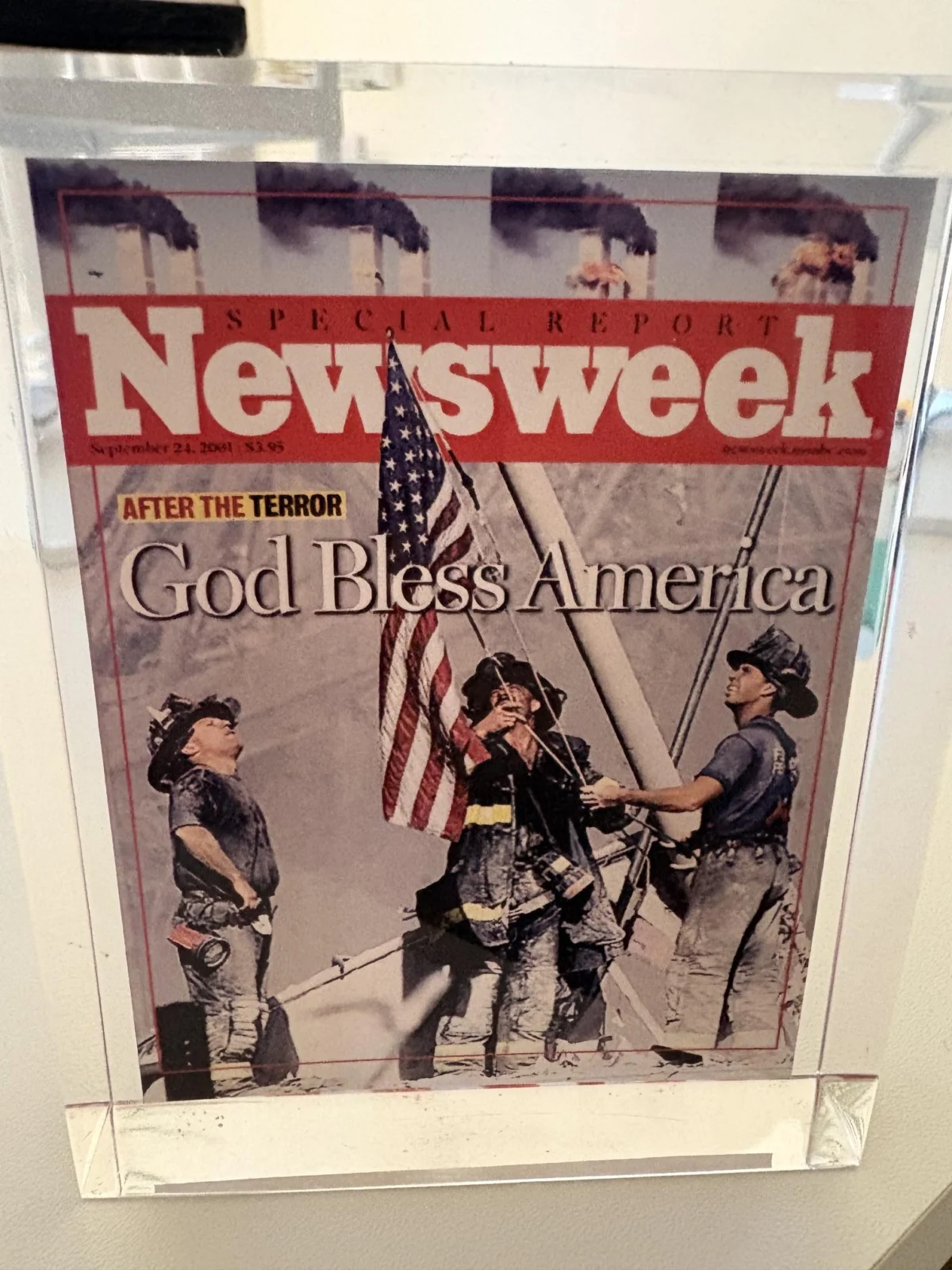
It is a sobering realization that a quarter of a century has passed since the morning of September 11, 2001. For those who lived through it, the memory remains etched in high-definition: the piercing blue sky, the sudden silence of a grounded nation, and the plumes of gray smoke that forever altered the skyline of New York City. Yet, as we mark this 25th anniversary, we face a new demographic reality: a significant portion of our workforce, our students, and our leaders were either toddlers or not yet born when the Twin Towers fell.
For them, 9/11 is a chapter in a history textbook. For the rest of us, it is a lived trauma. To ensure that we do not become complacent in the face of ongoing global threats, it is essential to revisit not just the horror of that day, but the resilience, the profound loss, and the enduring consequences that continue to ripple through American society.
The Morning the World Changed: A Chronology of Infamy
The attacks of September 11, 2001, were not merely an assault on buildings; they were a calculated strike against the psyche of the American people.
The Prelude in Chicago
On that Tuesday morning, I was in Chicago with a Canon advance team, preparing for our annual sales conference. Like many, we were a "merry band" of colleagues, caught in the rhythm of corporate life, dining at top restaurants and navigating the city with the casual optimism of the early 2000s.

That bubble burst at a Starbucks near our hotel. As I waited for my morning coffee, the television screens broadcast the unthinkable: the North Tower of the World Trade Center had been struck. The initial, cautious reports labeled it a tragic aviation accident. We stood in silent, collective disbelief. I watched strangers hug, bonding in a raw, instinctual search for comfort. Within minutes, the reality shifted—the South Tower was hit, and the truth became undeniable: America was under attack.
The Collapse of Dreams
The tragedy was intimate. One of my colleagues, whose fiancé worked in the South Tower, watched as her future evaporated before our eyes. The sound of her grief—a primal, guttural cry—is a memory that time has not softened. By the time the South Tower collapsed into a cloud of toxic dust, we knew that thousands of lives were being extinguished.
My immediate instinct was to return to my family in Southern California. With the FAA grounding all flights, I joined a colleague for a two-and-a-half-day, cross-country drive along Route 66. We navigated a landscape of uncertainty, fueled by bottled water and the sheer desperation to reach home. Behind us, the nation was reeling, but the road ahead was a testament to our determination to survive.
The Hidden Toll: A Legacy of Chronic Caregiving
The casualties of 9/11 did not end when the fires were extinguished. As a writer focusing on family caregiving and aging, I have witnessed how the aftermath of the attacks created a secondary crisis: a generation of survivors facing long-term health decline.

The "Pile" and Its Aftermath
The toxic cocktail of pulverized concrete, asbestos, and jet fuel at Ground Zero claimed thousands of first responders—firefighters, police, journalists, and healthcare professionals. While we have long been aware of the respiratory illnesses and cancers associated with the site, recent medical studies are now highlighting a concerning trend: early-onset dementia and cognitive decline among those who served in the rescue and recovery efforts.
These brave individuals, once the symbols of our national strength, are now the patients of a complex, long-term care crisis. Their families, much like those who care for aging parents, are navigating the complexities of chronic illness, insurance battles, and the psychological weight of a tragedy that continues to demand more from them.
Official Responses and the Pursuit of Justice
The United States’ response to 9/11 redefined our foreign policy and our domestic security apparatus. The hunt for Usama bin Laden, the architect of the attacks, became the primary mission of a generation.
The Decadelong Hunt
For nearly ten years, bin Laden remained the most wanted man on earth. His network, Al Qaeda, had been responsible for earlier attacks, including the 1993 World Trade Center bombing, the 1998 embassy bombings in Kenya and Tanzania, and the 2000 attack on the USS Cole. On May 1, 2011, almost a decade after the 9/11 attacks, the U.S. Navy SEAL Team 6 finally brought justice to his compound in Abbottabad, Pakistan. While his death crippled Al Qaeda’s leadership, the ideology of extremism he fostered persists, necessitating continued vigilance.

The World Trade Center Health Program
The federal government established the World Trade Center Health Program to support those suffering from health conditions linked to the recovery effort. Today, over 150,000 individuals are enrolled. It is a stark reminder that the cost of 9/11 is not merely a historical figure—it is an ongoing fiscal and moral obligation to the men and women who stood in the gap when our nation needed them most.
Implications: Never Forgetting in a Modern Era
As we look toward the future, the lessons of 9/11 must be preserved for those who did not witness the day itself. We must ensure that younger generations understand why we remain vigilant.
Resilience and Resolve
Visiting the site today, one sees the transformation from the raw, jagged steel of the "Cross at Ground Zero" to the serene, powerful memorial fountains. The cross, which stood amidst the debris, serves as a poignant symbol for many: a testament to the belief that even in the face of profound evil, our society possesses the capacity to rebuild.
We were not divided by the attacks; we were steeled by them. The collective spirit of the American public—the volunteerism, the flags on every porch, and the willingness to support our neighbors—is the ultimate triumph over those who sought to destroy our way of life.

Recommended Learning Resources
For the Millennial, Gen Z, and Gen Alpha generations, the following resources are essential for understanding the scope of that day:
- Live News Footage: Compilations of the unfolding coverage provide an unfiltered look at the confusion and bravery of the morning.
- "The Man Who Knew": A documentary detailing the life of John O’Neill, the FBI agent who tracked bin Laden for years and ultimately perished in the Towers.
- Welles Crowther (The Man in the Red Bandana): The story of a volunteer firefighter who sacrificed his life to lead others to safety. His legacy lives on through a foundation dedicated to youth education.
- "United 93": A harrowing, documentary-style film that honors the passengers who fought back against their hijackers, preventing an even greater tragedy at the U.S. Capitol.
Conclusion: A Commitment to Remembrance
The tragedy of 9/11 was a singular, catastrophic event that forever bifurcated our timeline into "before" and "after." Yet, it is also a reminder of the fragility of our democracy and the necessity of constant vigilance.
I continue to write about 9/11 every year, not because I enjoy the pain of the memory, but because the deaths have not stopped. We are losing heroes to illness; we are losing the eyewitnesses to time. By documenting these stories, we honor those who fell and those who continue to struggle.
We must remain committed to the phrase "Never Forget." It is not just a slogan; it is an active, daily responsibility. We must educate the next generation, support our veterans and first responders, and maintain the resolve that defined us in the days following the smoke. The tragedy of 9/11 may be 25 years old, but the duty to remember is timeless.

Frequently Asked Questions (FAQs)
Q: Why is it vital to keep discussing 9/11 in 2026 and beyond?
A: History teaches us that complacency is the precursor to vulnerability. By remembering 9/11, we acknowledge the ongoing threat of terrorism and the importance of national unity. Furthermore, it serves as a tribute to the thousands of survivors and responders who still deal with the physical and mental health consequences of that day.
Q: How did 9/11 differ from other attacks on American soil, such as Pearl Harbor?
A: While Pearl Harbor was a military-on-military attack, 9/11 was a direct assault on innocent civilians. The targeting of our financial and government centers was designed to shatter our confidence and way of life, making the civilian resilience in the aftermath a defining characteristic of the 21st century.
Q: What is the current status of the individuals who participated in the Ground Zero recovery?
A: Over 400,000 individuals—including police, firefighters, and volunteers—were involved in the cleanup. Today, the World Trade Center Health Program monitors the health of over 150,000 of those participants, providing essential care for the cancers, respiratory issues, and emerging neurological conditions that continue to plague those who were on "the pile."