










By Keith Appleton, LMSW, Combat Veteran
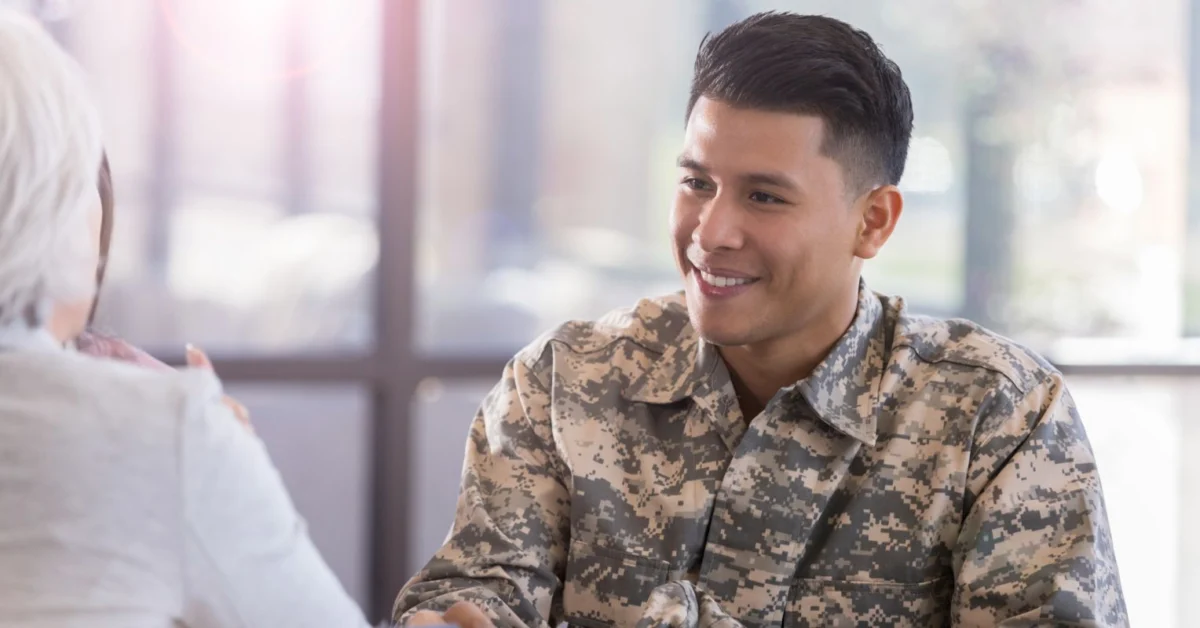
In the sterile, quiet confines of a detox ward, a veteran sat on the edge of his bed, his bags packed. He was caught in the suffocating grip of Post-Traumatic Stress Disorder (PTSD) and a spiraling substance-use disorder. He was ready to walk out, fueled by a singular, paralyzing conviction: No civilian could ever understand this.
As a fellow veteran, I didn’t see a patient failing; I saw a soldier losing his footing. I didn’t approach him with clinical detachment; I spoke the language of the service. I reframed his detox not as a punishment or a surrender, but as a tactical withdrawal—a necessary regrouping to prepare for the next phase of his mission. He stayed.
That moment was not a miracle; it was an application of cultural competence. It underscores a fundamental, life-saving truth: When mental health care is informed by the specific, rugged, and identity-driven culture of the military, the barriers to recovery begin to crumble.
The Scope of the Crisis: A Statistical Reality
The challenge of veteran mental health is not merely a clinical issue; it is a public health imperative. According to the National Center for PTSD (2023), approximately 7% of U.S. veterans live with PTSD, while over 20% grapple with substance-use disorders. These numbers are stark, but they mask a deeper, more troubling trend: more than half of those in desperate need of care never receive it.
The reasons for this disparity are deeply rooted in the transition from service to civilian life. The Department of Veterans Affairs (2022) notes that the primary deterrents are the stigma surrounding mental health and the pervasive, often alienating belief that the civilian world is fundamentally disconnected from the veteran experience. To understand why veterans resist traditional therapy, one must understand that military service is not merely a job; it is a total immersion into an identity forged through structure, sacrifice, and a unique symbolic language.
The Uniform Left Behind: Identity and Loss
Military culture is built upon a rigid but highly meaningful framework. The uniform is not just clothing; it is a manifestation of the self. Badges, combat patches, service ribbons, and specialty schools—these are the hieroglyphics of a veteran’s history.
In my own service, I wore my Combat Action Badge and Air Assault Wings above my heart with profound pride. These insignias were more than ornamental; they were catalysts for connection. They marked the combat I survived and served as shorthand in conversations with fellow soldiers. They allowed us to navigate shared experiences without needing to explain the "why."
When a veteran transitions to civilian life, these symbols are abruptly stripped away. In the civilian world, a combat patch has no currency. This creates an "attachment rupture." Drawing on the work of John Bowlby (1980), we know that when key identifiers are lost, the individual struggles to adapt. For the veteran, the military served as a "secure base." Leaving that base without a new, cohesive "tribe" creates a vacuum often filled by grief, isolation, and disorientation.
Encouraging a Flexible Identity
The author Sebastian Junger, in his seminal book Tribe (2016), articulates the primal human necessity to belong to a purpose-driven group. When a soldier leaves the service, they aren’t just losing a paycheck; they are losing their tribe.
In the clinical setting, our role is not to ignore this loss but to help the veteran grieve it and eventually transform it. We must encourage what I call "flexible identity." We help them bridge the gap from "I was a soldier" to "I am a leader, mentor, and protector." This shift allows the veteran to carry their military values—discipline, integrity, and loyalty—into civilian contexts. The mission does not end; it merely changes theaters.
The Family’s Role: Allies in the Foxhole
One of the most neglected components of veteran care is the family unit. Families are the first to witness the symptoms of trauma, yet they are frequently excluded from the therapeutic process.
Clinical practice, as outlined by Murray Bowen (1978), emphasizes that the individual is part of a larger system. When we fail to bring the family into the healing process, we isolate the veteran further. I once treated a veteran struggling with "moral injury"—the profound psychological distress caused by actions or omissions that violate one’s core moral code. He felt deep shame for not deploying with his unit after 9/11. By involving his spouse in the therapy, we were able to reframe his service, affirming his contributions as a provider and a patriot. The spouse became an ally, helping to restore the connection that trauma had severed.
From Battlefield to Counseling Room: A New Methodology
Veterans are more likely to engage with care when they recognize familiar values in their therapist. A "people-first" approach in the military, which emphasizes mentorship and mission-focused guidance, mirrors the goals of trauma-informed care.
When a therapist asks about a veteran’s Military Occupational Specialty (MOS) or the meaning behind their unit patch, they are doing more than making small talk—they are building a therapeutic alliance. They are acknowledging the veteran’s culture. Structured modalities like Cognitive Behavioral Therapy (CBT) and Eye Movement Desensitization and Reprocessing (EMDR) are particularly effective because they provide the clear, goal-oriented structure that veterans have been trained to respect (Shapiro, 2018).
Healing Through Story: Beyond the Trauma
A common trap in therapy is the exclusive focus on trauma. While the horror of war must be addressed, it is not the totality of a veteran’s experience. Veterans also carry memories of intense camaraderie, breathtaking landscapes, and moments of profound pride.
I recall the quiet beauty of a desert sunset after a brutal sandstorm, and the sheer physical triumph of completing an Army Ten-Miler while carrying our company guidon in 110-degree heat. These are not trivial anecdotes; they are vital pieces of a veteran’s narrative. Research into Post-Traumatic Growth (PTG) suggests that integrating positive memories helps reduce PTSD symptoms and fosters resilience (Dell’Osso et al., 2022). By encouraging veterans to narrate the full scope of their service, clinicians help them build a coherent self-narrative where trauma is a chapter, but not the entire book.
Implications for the Future: A Call to Action
To truly serve those who served, we must move beyond standard care and toward a model of cultural precision. This requires:
- Cultural Literacy Training: Clinicians must be educated on military rank structures, the significance of insignia, and the unique stressors of the deployment cycle.
- Systemic Inclusion: Family members must be integrated into the treatment plan, providing the support system necessary for long-term recovery.
- Positive Narrative Integration: Therapy should honor the veteran’s pride and accomplishments, not just their wounds.
- Community Reintegration: We must bridge the gap between military and civilian life by creating community-based programs that replicate the "tribe" dynamic.
Veterans carry their experiences as invisible badges. They are deserving of recognition, not avoidance. When we deliver care with cultural competence, therapy becomes more than a clinical intervention—it becomes a new mission. It is a mission that calls on the veteran’s courage, honors their past, and empowers them to write the next, triumphant chapter of their story.
References
- Bowen, M. (1978). Family Therapy in Clinical Practice. Jason Aronson.
- Bowlby, J. (1980). Attachment and Loss: Vol. 3. Loss, Sadness and Depression. Basic Books.
- Davis, L. Y. (2023). Moral Injury: The Hidden Adversary of War.
- Dell’Osso, L., et al. (2022). Post Traumatic Growth (PTG) in the Frame of Traumatic Experiences. Clinical Neuropsychiatry.
- Hurley, E. C. (2021). A Clinician’s Guide for Treating Active Military and Veteran Populations with EMDR Therapy. Springer Publishing.
- Junger, S. (2016). Tribe: On Homecoming and Belonging. Twelve.
- National Center for PTSD. (2023). PTSD in Veterans: Facts and Figures. U.S. Department of Veterans Affairs.
- Shapiro, F. (2018). Eye Movement Desensitization and Reprocessing (EMDR) Therapy. Guilford Press.
- U.S. Department of Veterans Affairs. (2022). National Veteran Suicide Prevention Annual Report.