Published: May 19, 2026
In an era defined by high-speed digital demands and perpetual connectivity, the quest for emotional regulation has become a modern necessity. For many, the ability to shift from a state of stagnant stress or fatigue to a balanced, uplifted mindset can feel like a Herculean task. However, yoga practitioners and movement experts are increasingly turning toward intentional, circular flow sequences as a primary tool for mood optimization.
A newly introduced 12-minute "Good Mood" yoga sequence, led by instructor Taylor Lorenz, offers a practical, accessible intervention for those looking to cultivate expansive, positive energy. By combining rhythmic movement with heart-opening postures, this practice serves not only as a physical exercise but as a deliberate psychological recalibration.
The Science of Movement and Emotional Regulation
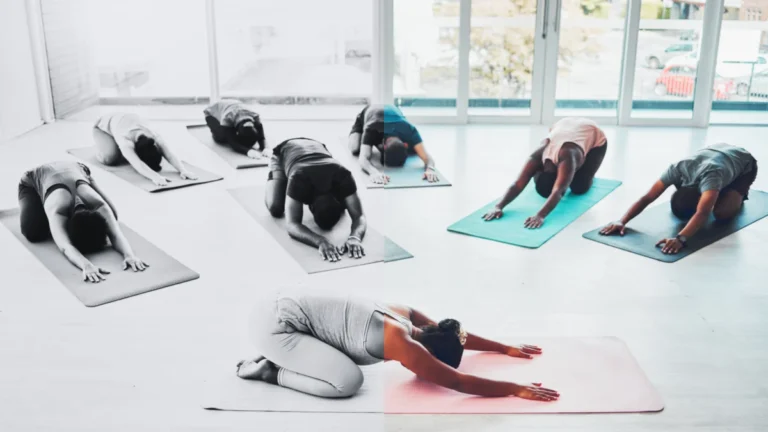
The premise behind this 12-minute practice is rooted in the physiological connection between the body’s posture and the brain’s emotional state. When an individual experiences stress, the body often retreats into a protective, collapsed posture—shoulders hunched, chest guarded, and breathing shallow.
This specific sequence, which moves the practitioner in a circular motion around the mat, is designed to reverse these defensive patterns. By systematically opening the hips and the heart, the flow encourages a physical release of tension. Clinical observations in somatic psychology suggest that these expansive movements can signal the nervous system to shift from a "fight or flight" sympathetic state to a "rest and digest" parasympathetic state, thereby facilitating a genuine lift in mood.
Preparing for Your Practice: Logistics and Mindset
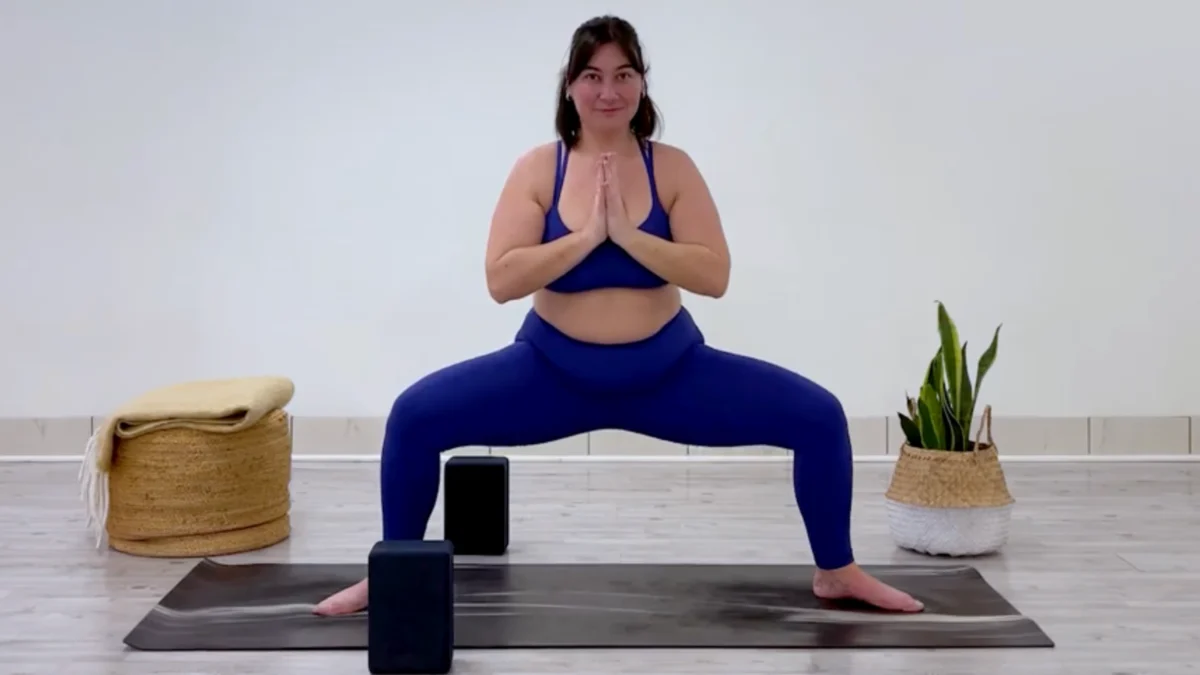
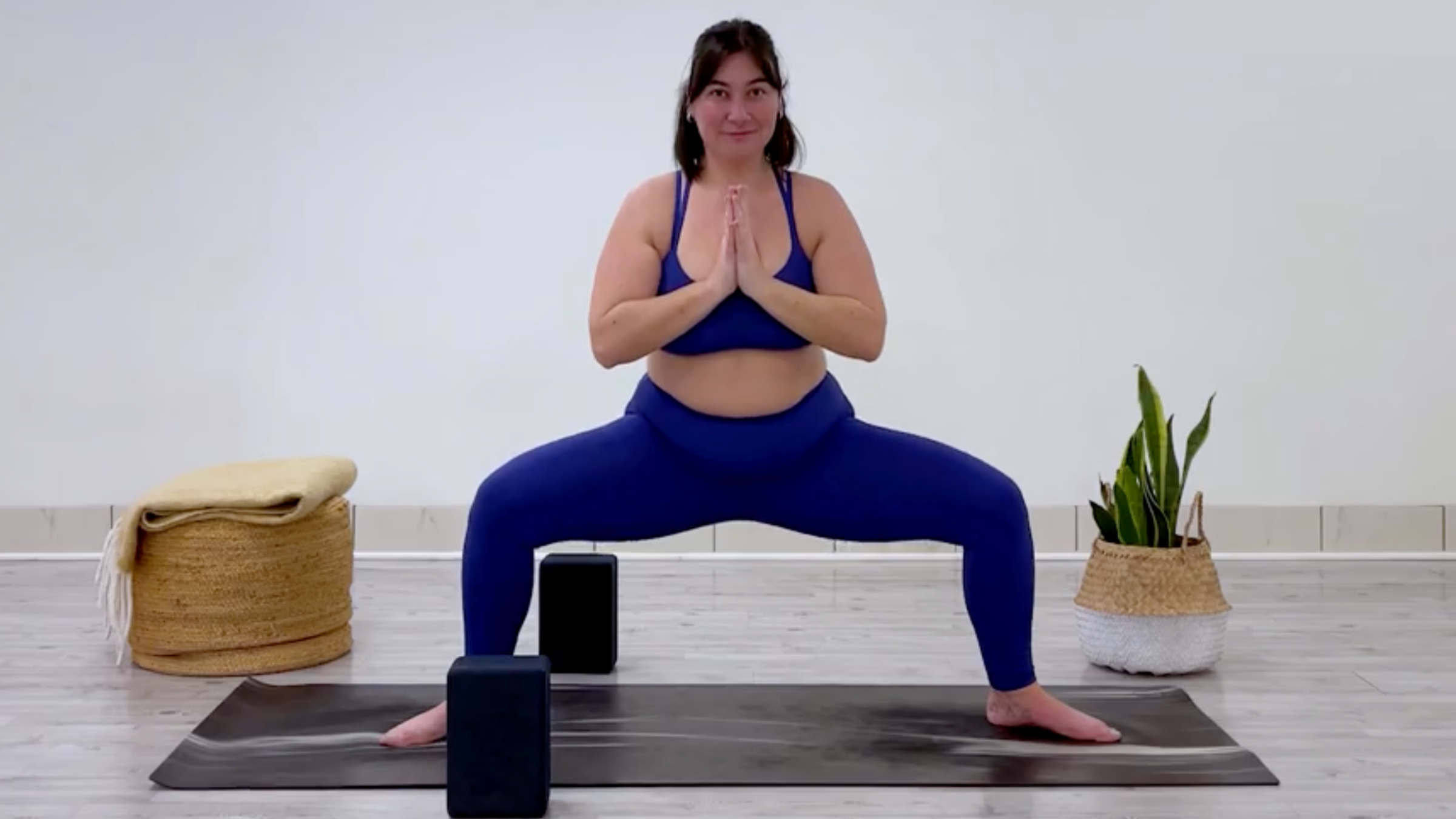
Before beginning the 12-minute sequence, it is essential to prepare your space. The practice requires two yoga blocks or suitable substitutes, such as firm pillows or folded blankets, to provide stability and ease of access during transitions.
While the routine is efficient, it is recommended that participants take a moment to perform a brief warm-up—such as gentle neck rolls or cat-cow stretches—to prime the muscles. The goal is not perfection in form but rather the cultivation of presence. By focusing on what is currently working in one’s life, the practitioner creates an internal feedback loop that sustains positive energy well beyond the final Savasana.
Chronology of the 12-Minute Flow
The sequence is meticulously structured to build energy gradually before settling back into a state of grounded awareness.
Phase 1: Grounding and Centering
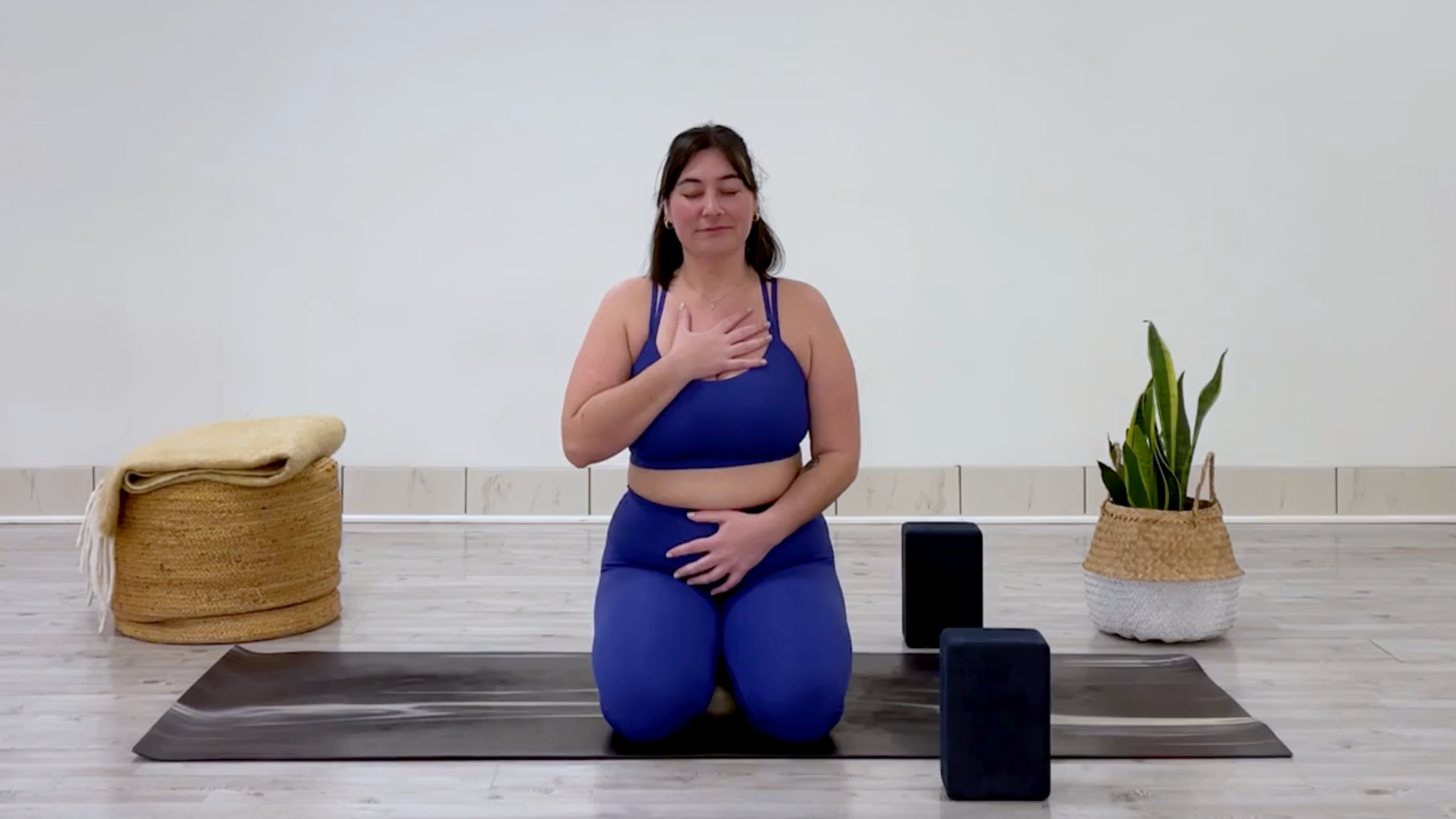
The practice begins in Thunderbolt Pose, a kneeling position that encourages spinal alignment and deep, diaphragmatic breathing. By placing one hand on the heart and one on the belly, the practitioner establishes a tactile connection with their breath, maintaining this stillness for seven cycles.
Phase 2: Opening the Torso
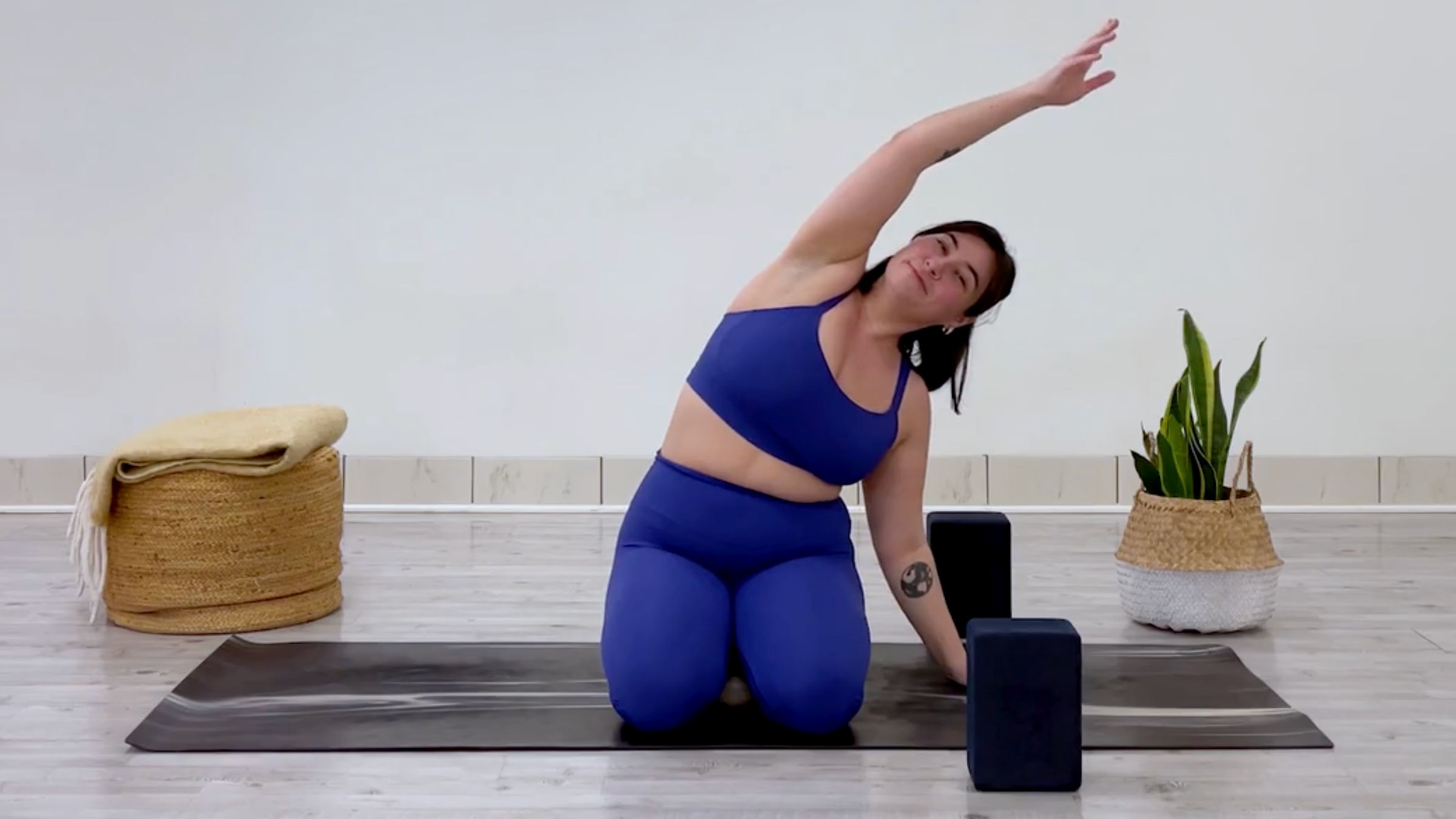
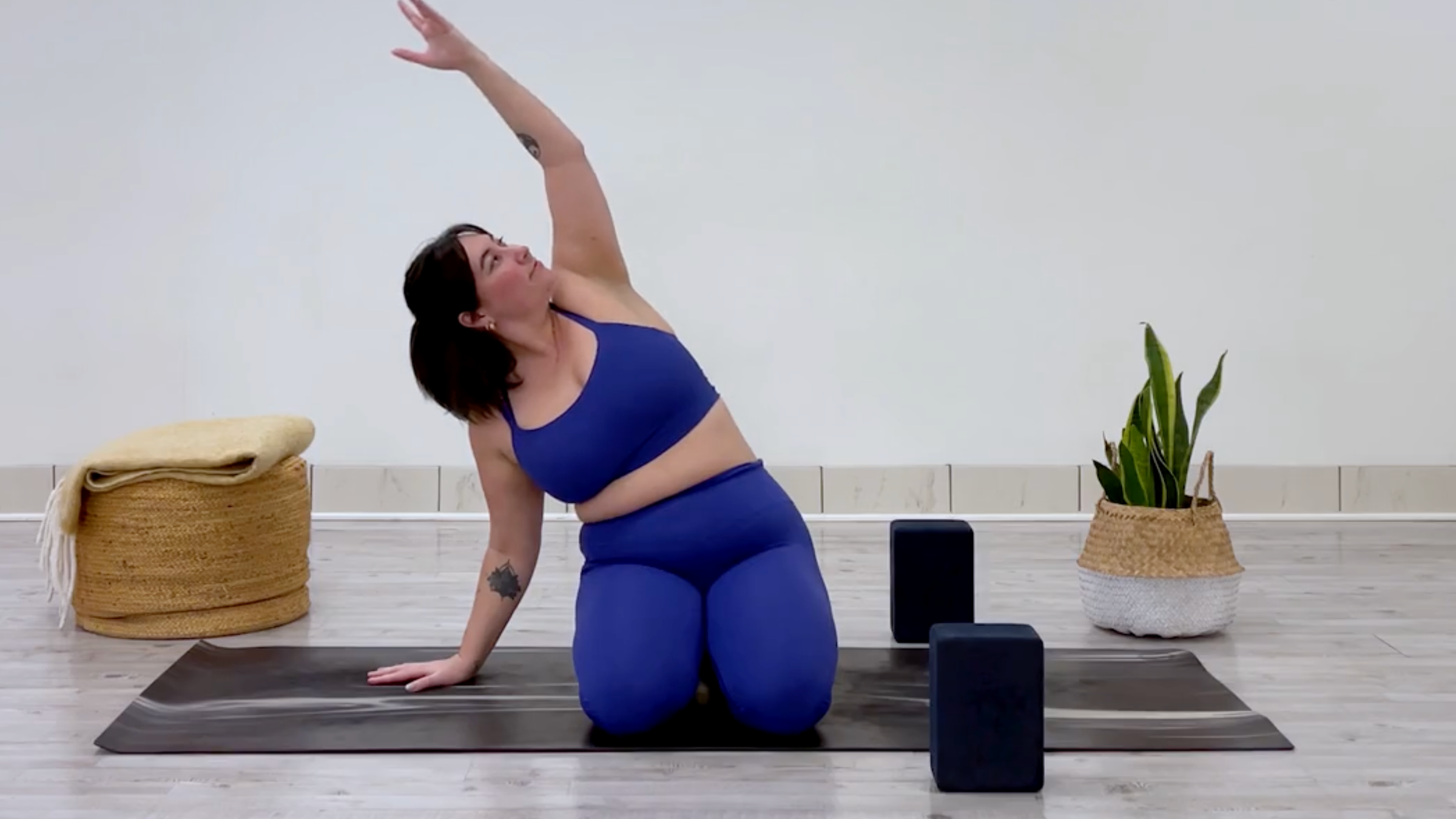
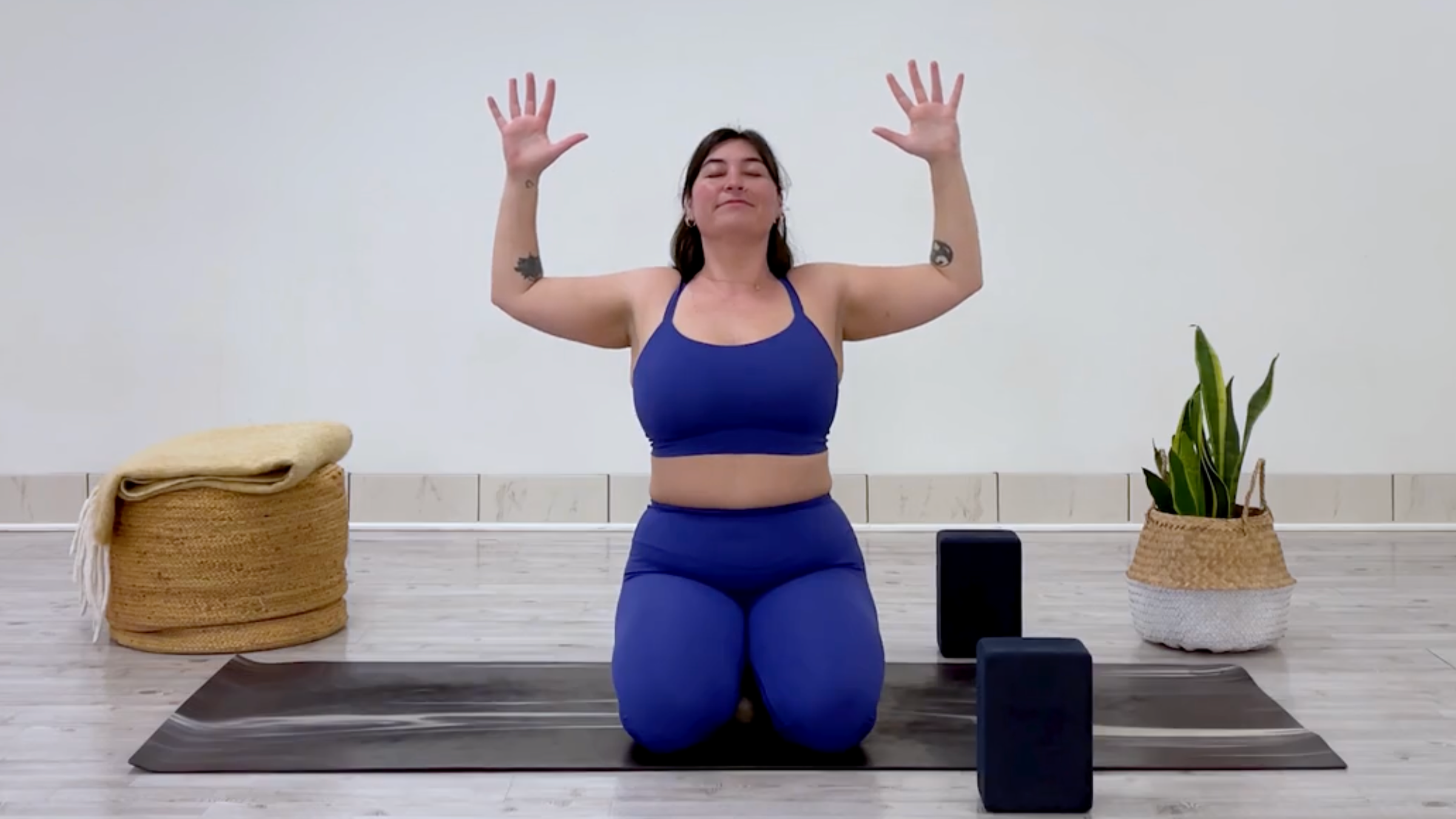
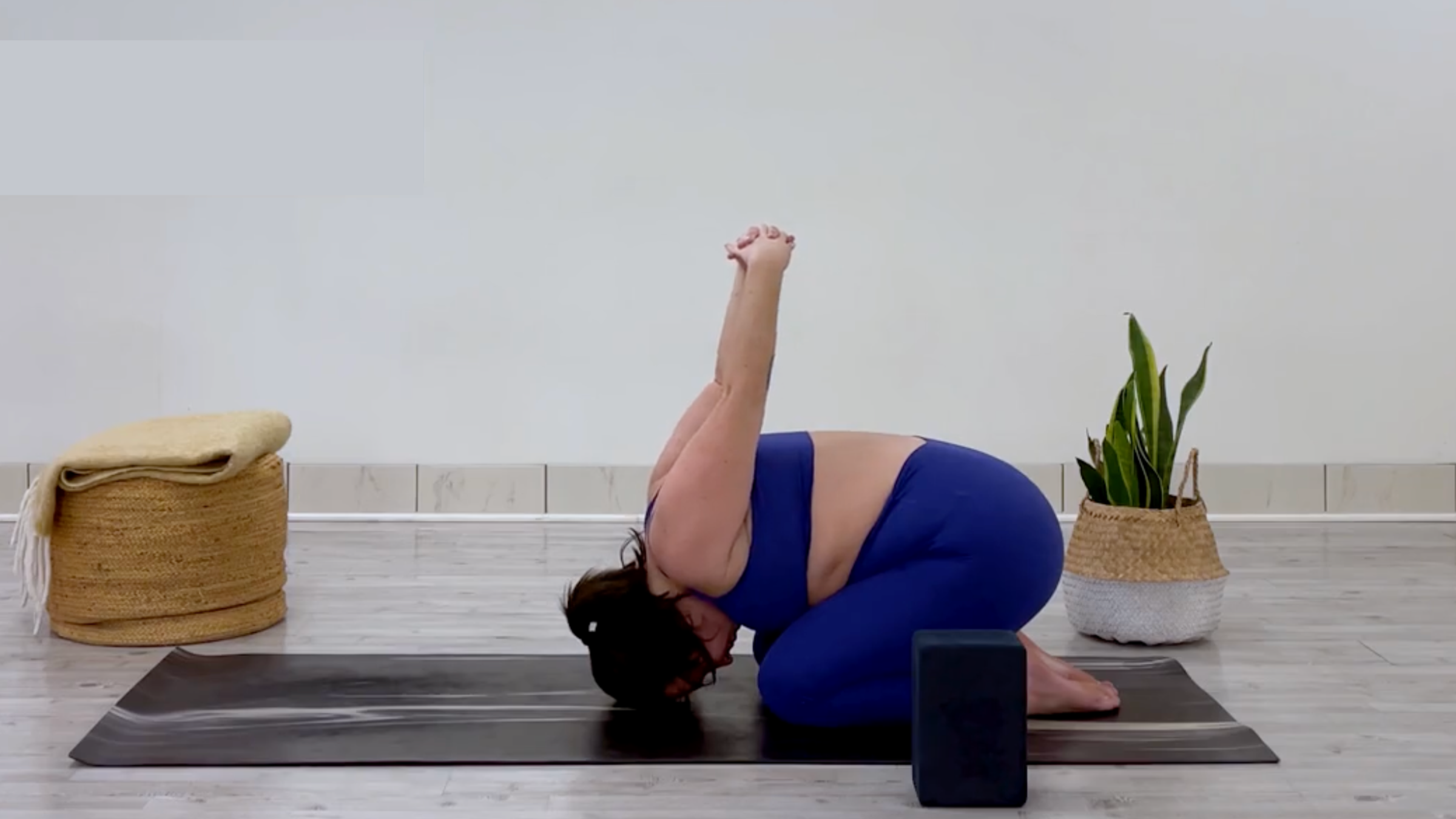
The flow transitions into Dynamic Seated Side Bends. By alternating reaches toward the sky and lateral stretches, the practitioner wakes up the intercostal muscles, facilitating deeper breaths. This is followed by Cactus Arms, a classic heart-opening posture that challenges the rigidity often held in the upper back. The sequence then moves into a Kneeling Forward Bend, allowing for a brief, intentional rest.
Phase 3: The Active Sequence
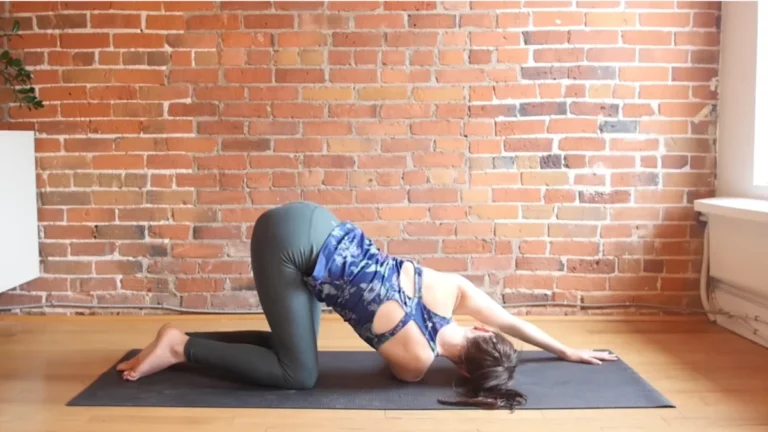
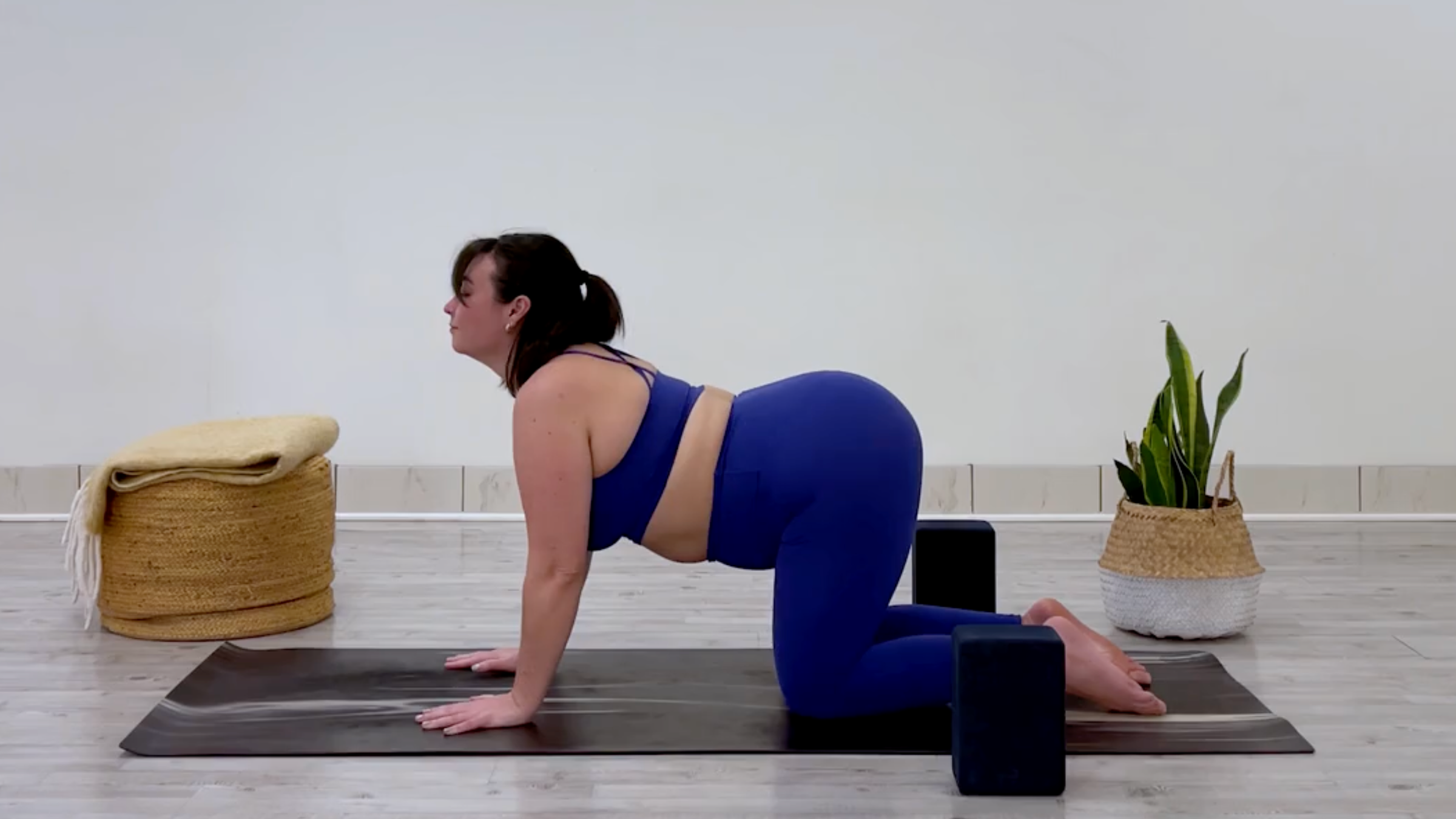
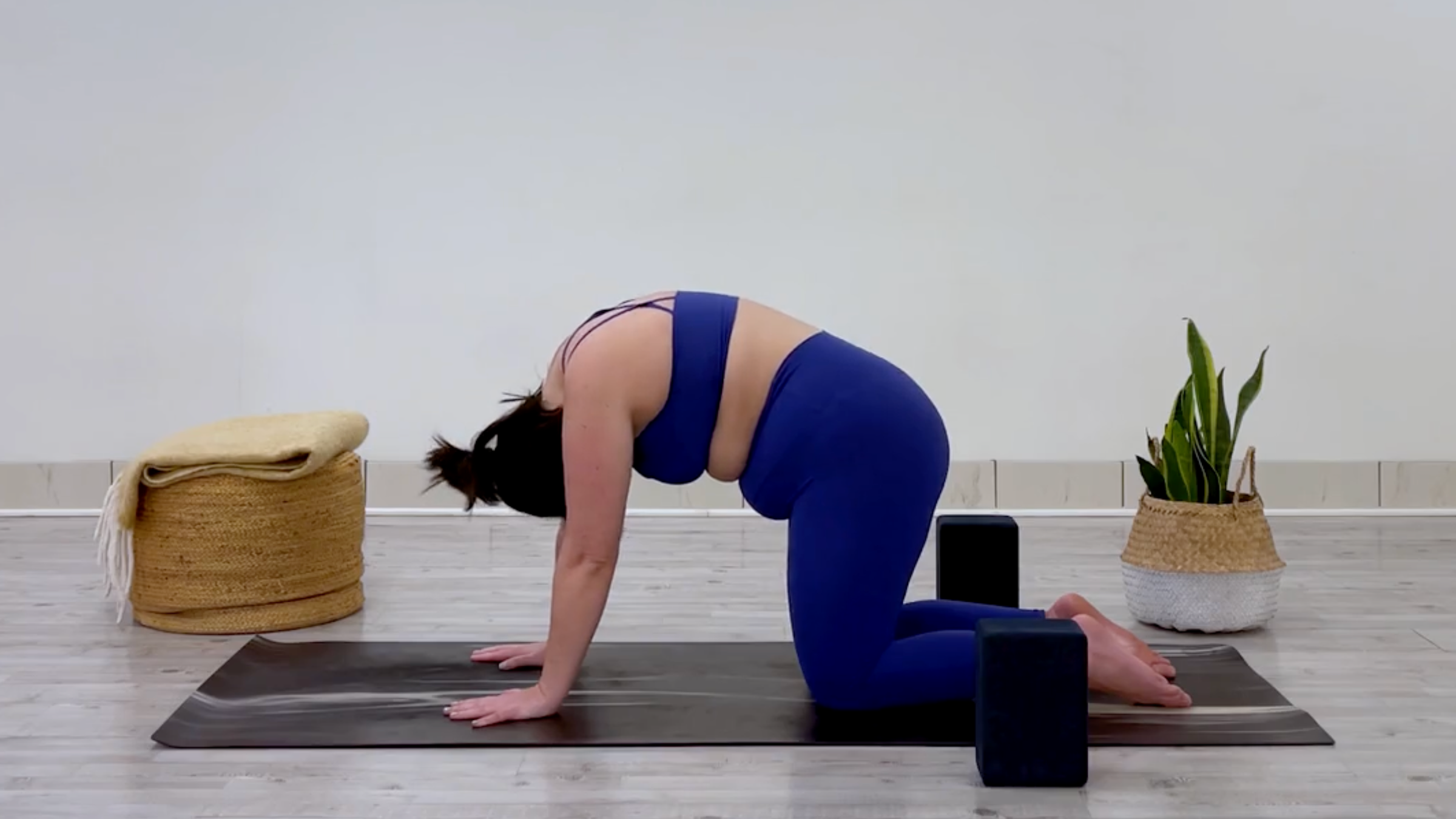
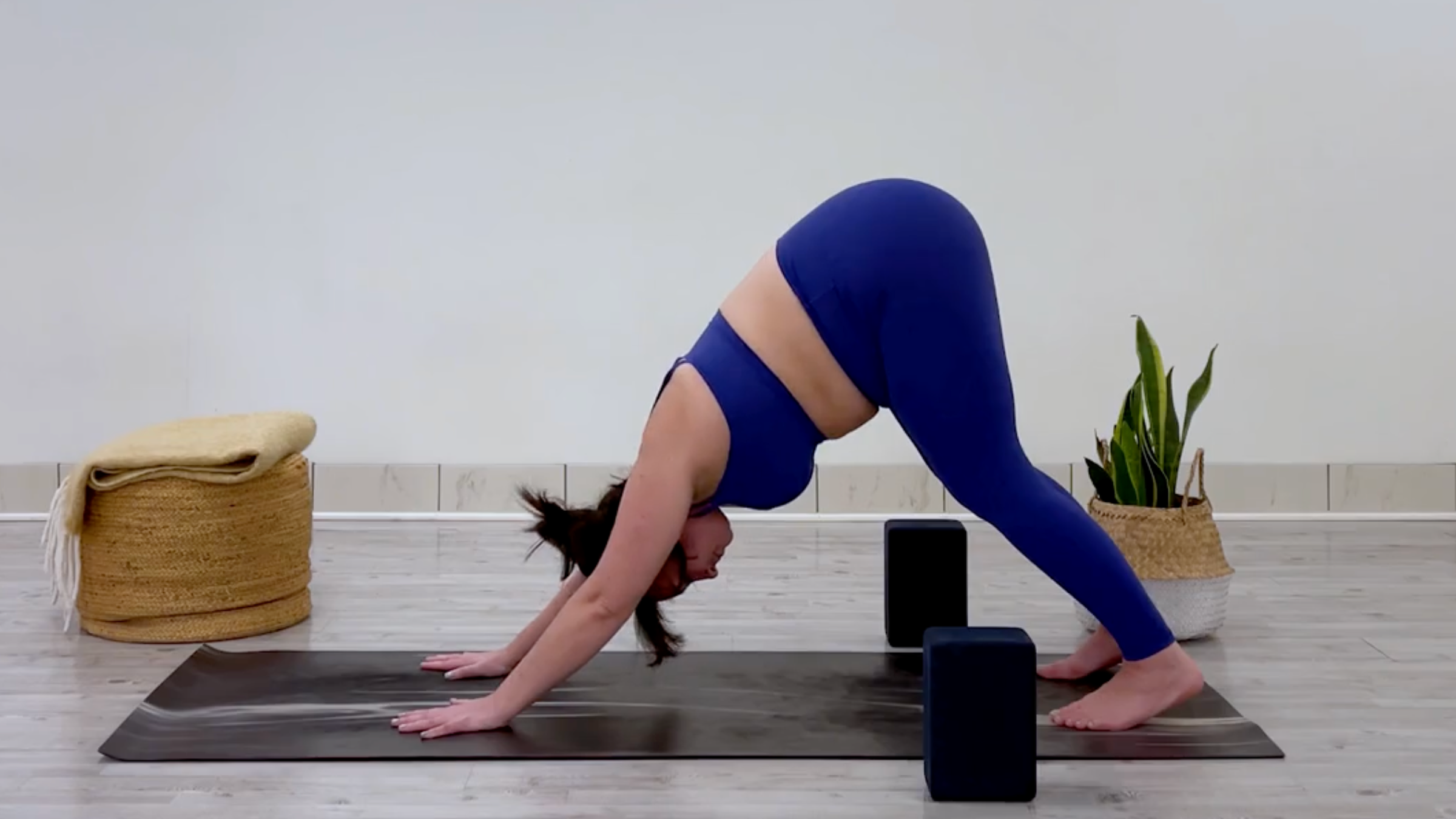
Transitioning to the mat, the flow introduces Cat-Cow Poses, which act as a spinal lubricant. This fluid movement leads into Downward-Facing Dog, where the practitioner is encouraged to utilize "intuitive movement"—swaying the hips or pedaling the feet—to release stored energy.
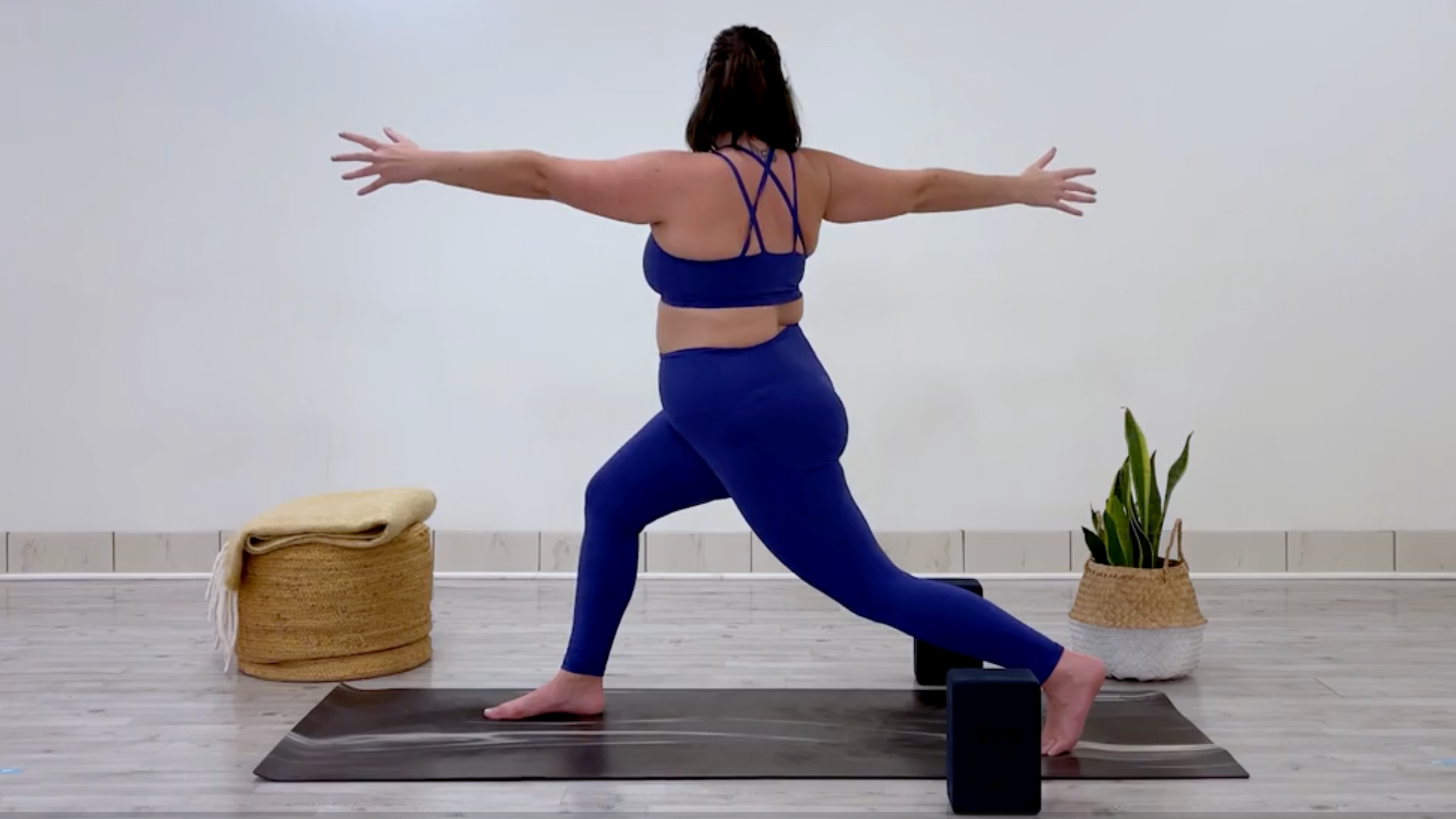
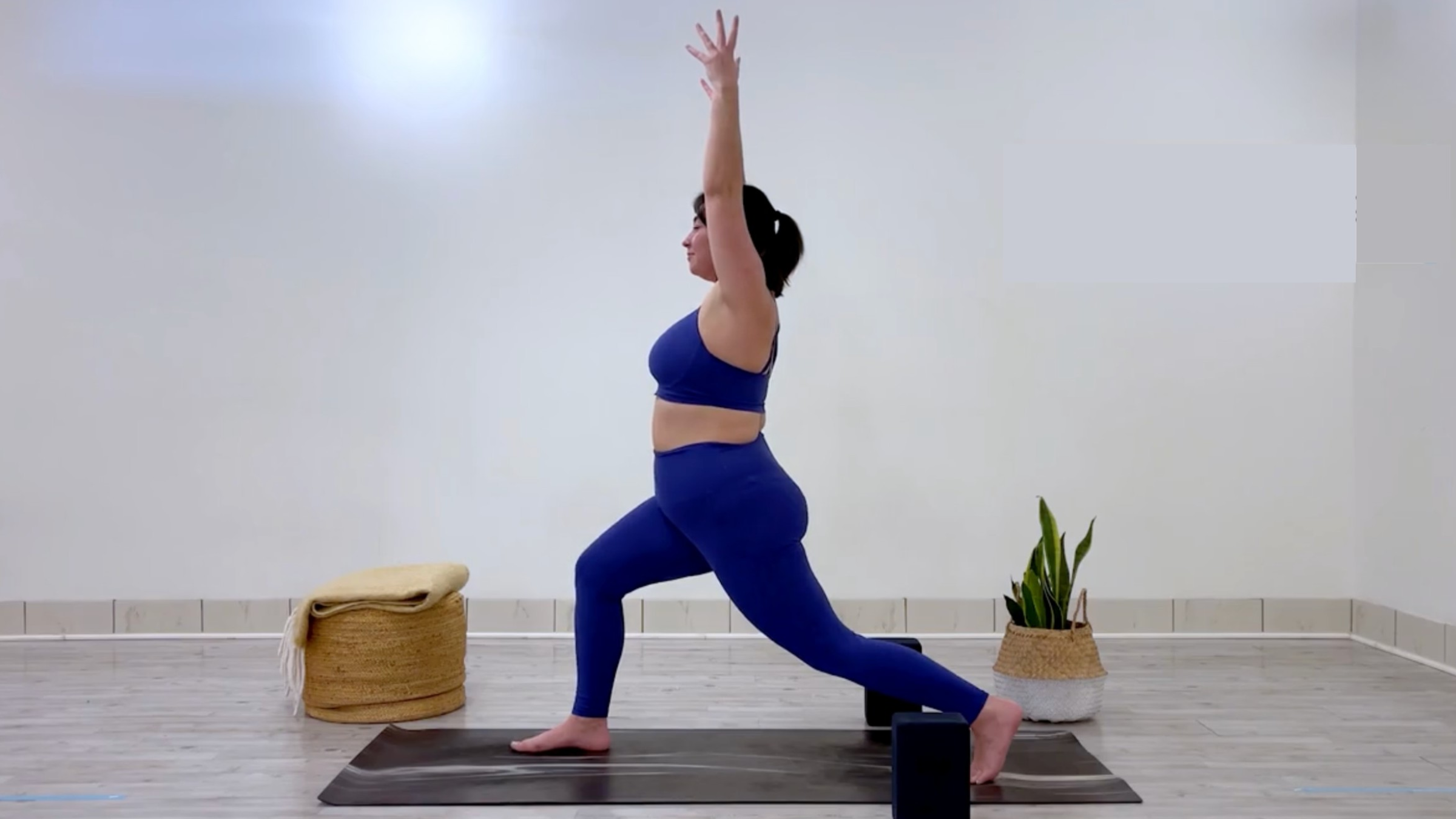
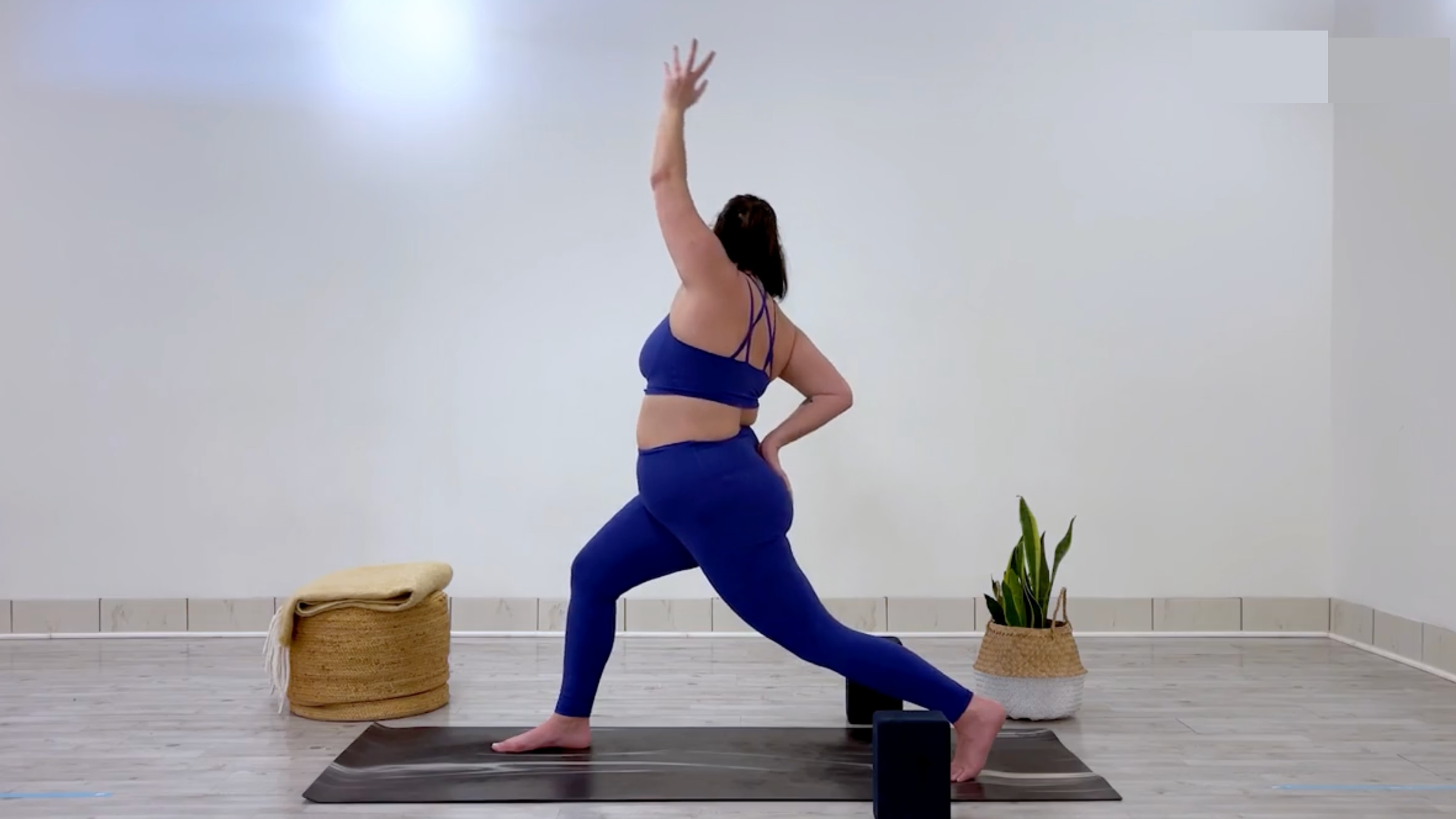
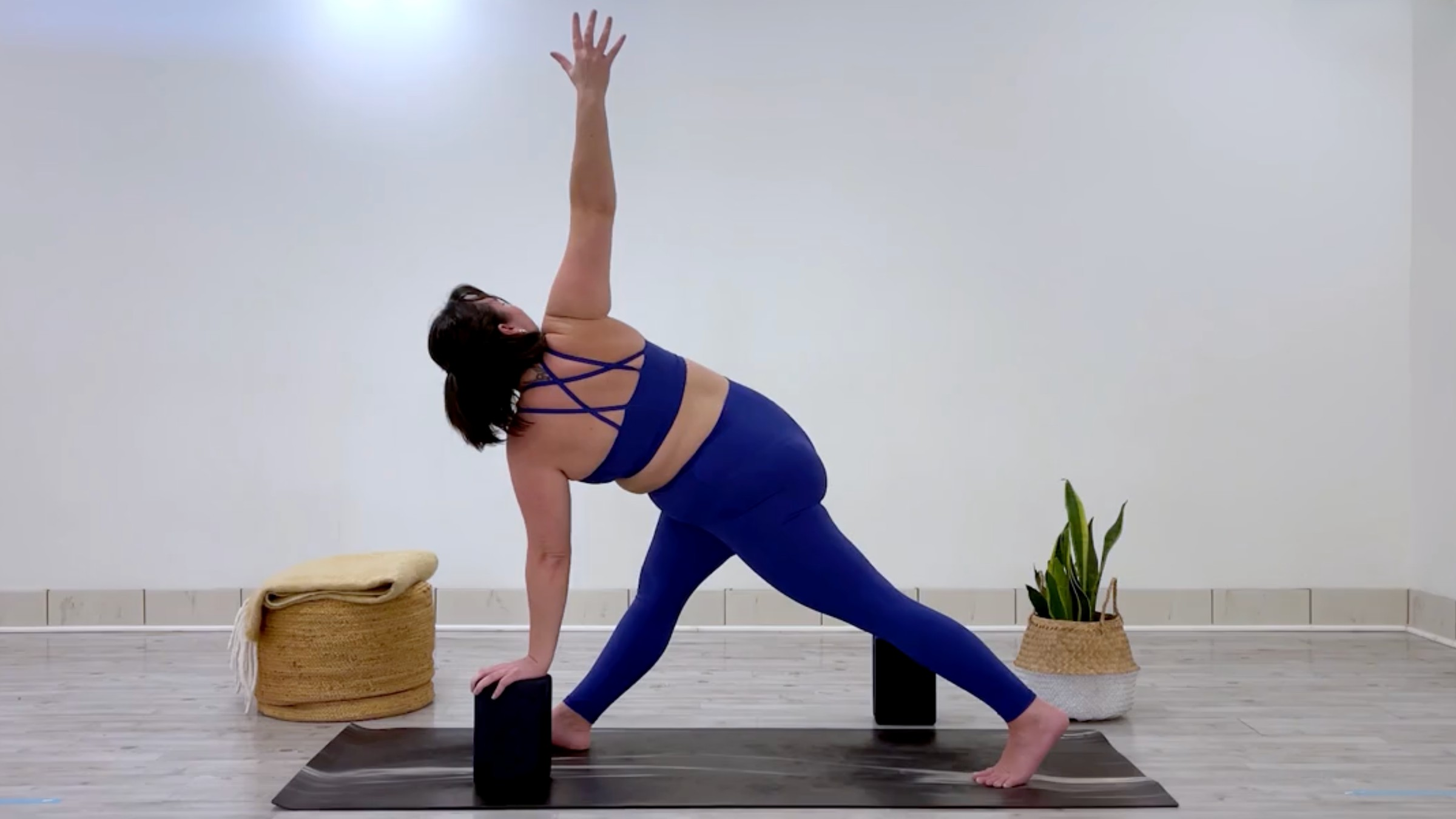
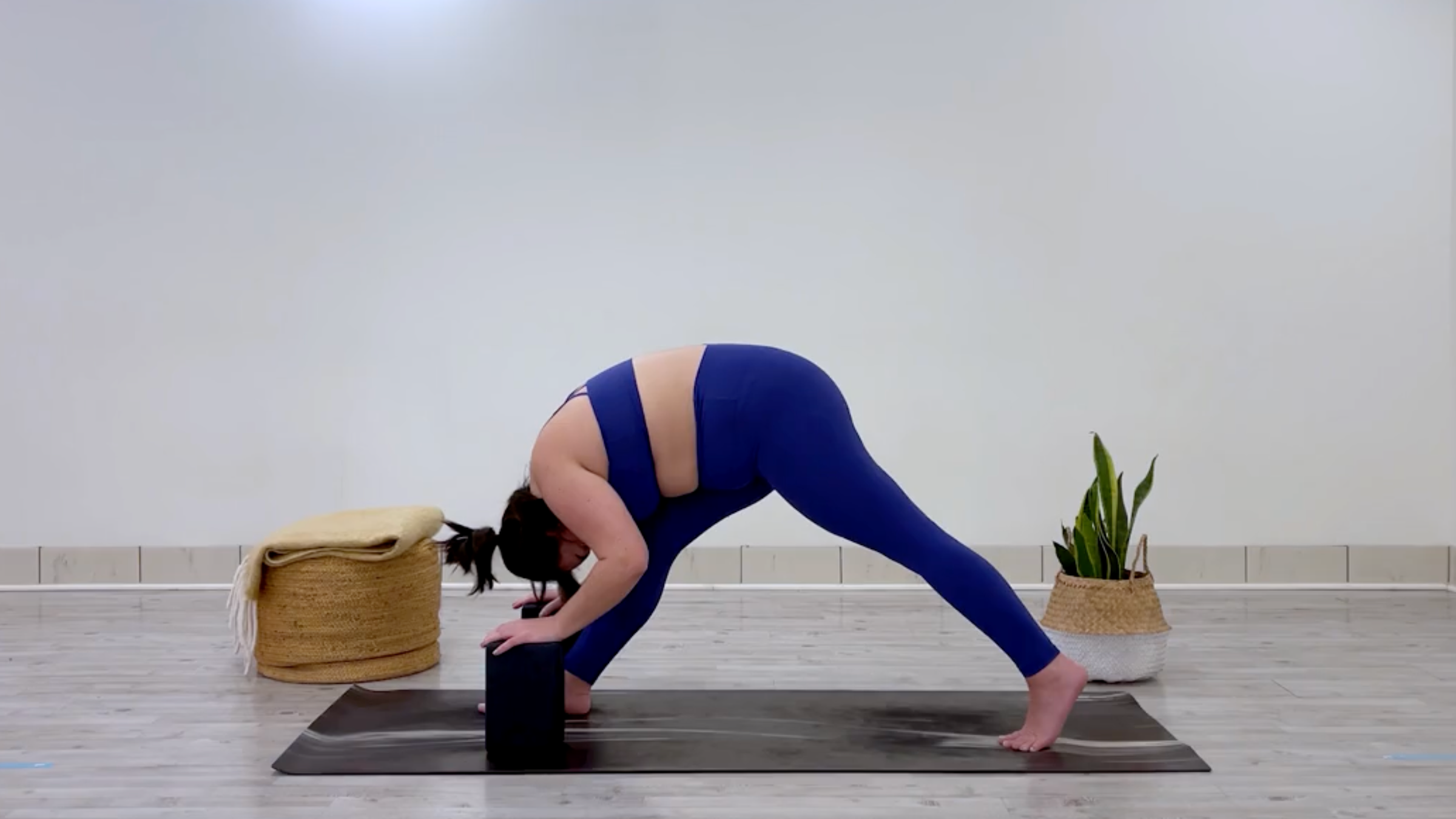
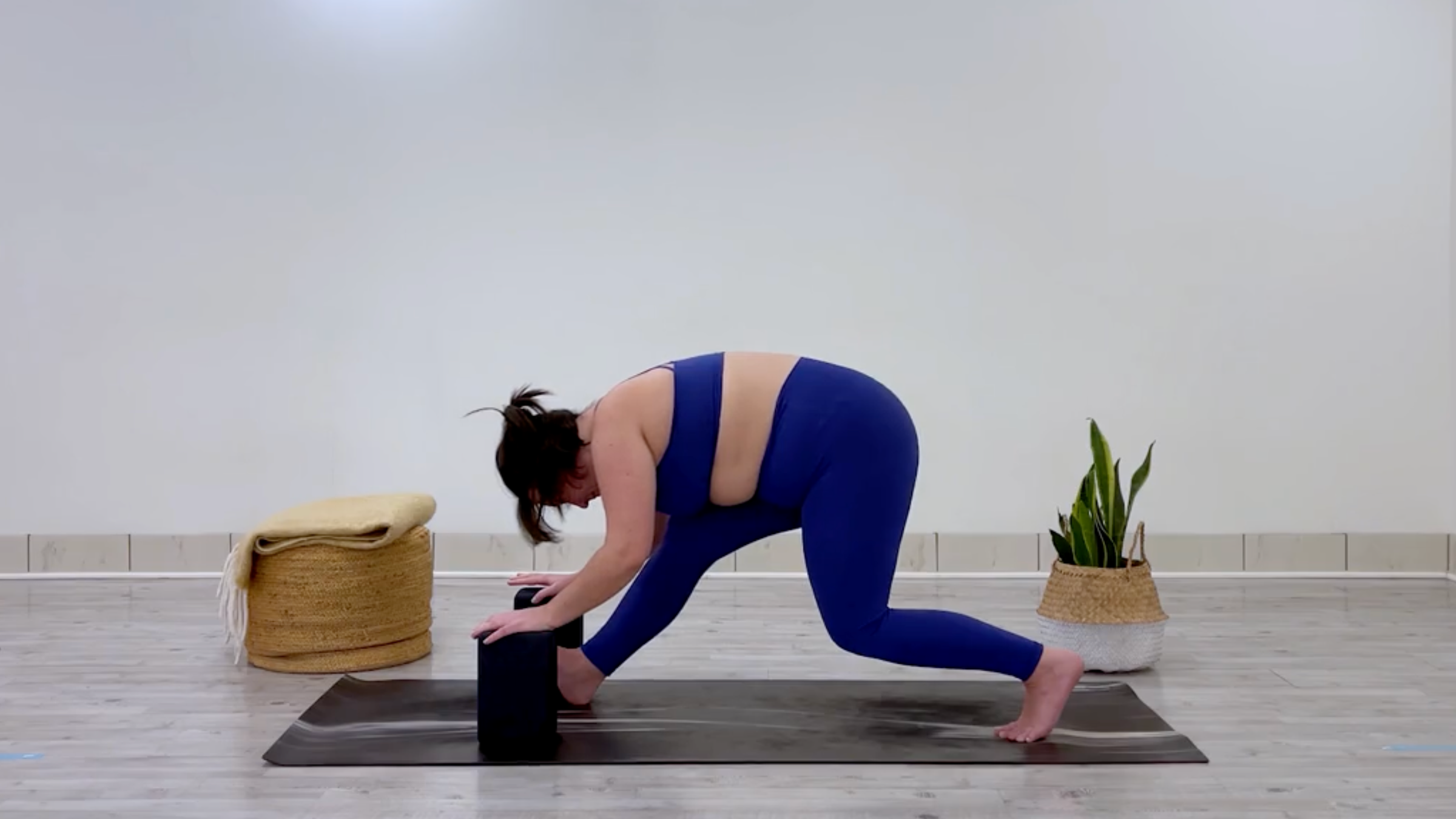
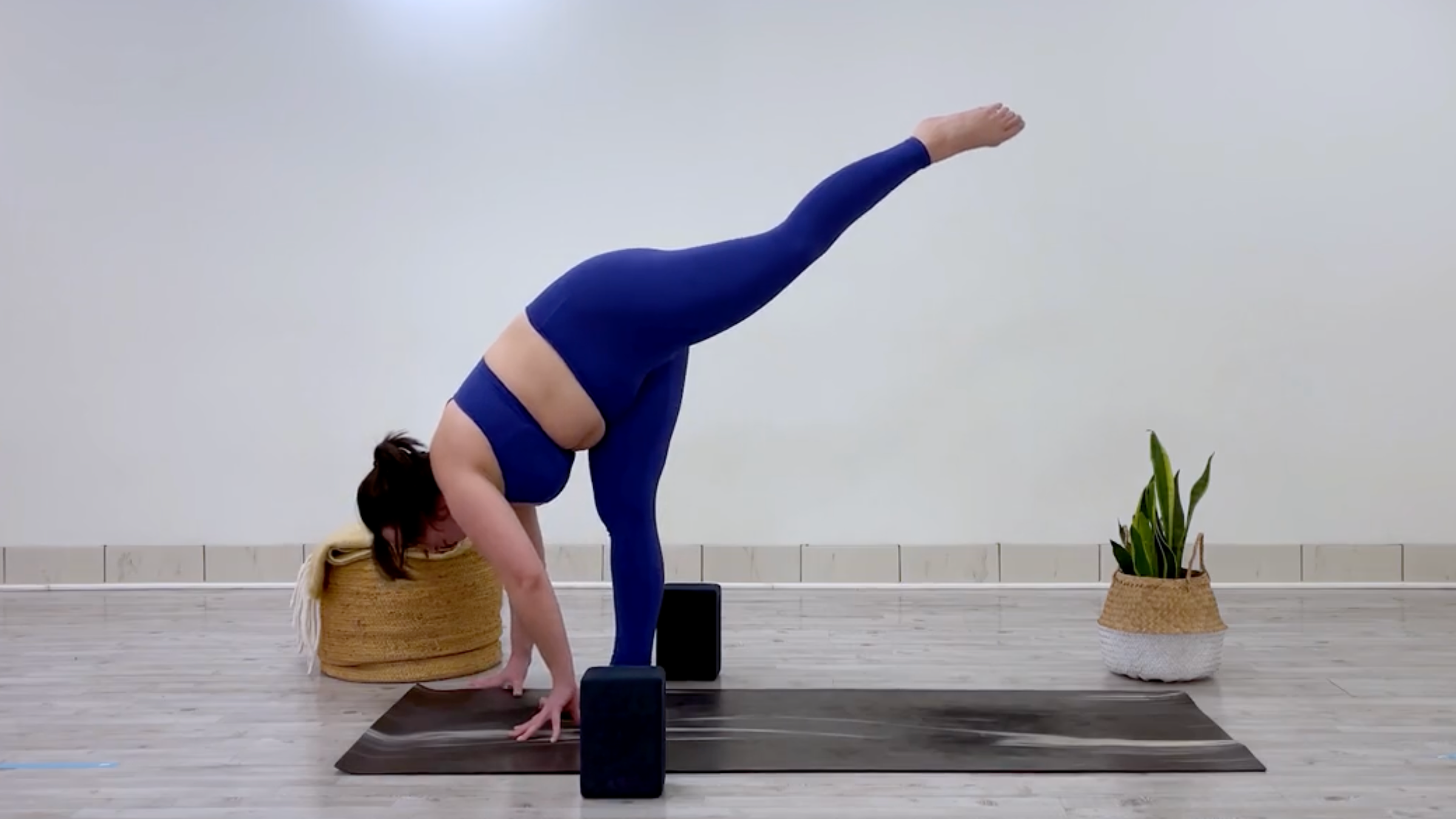
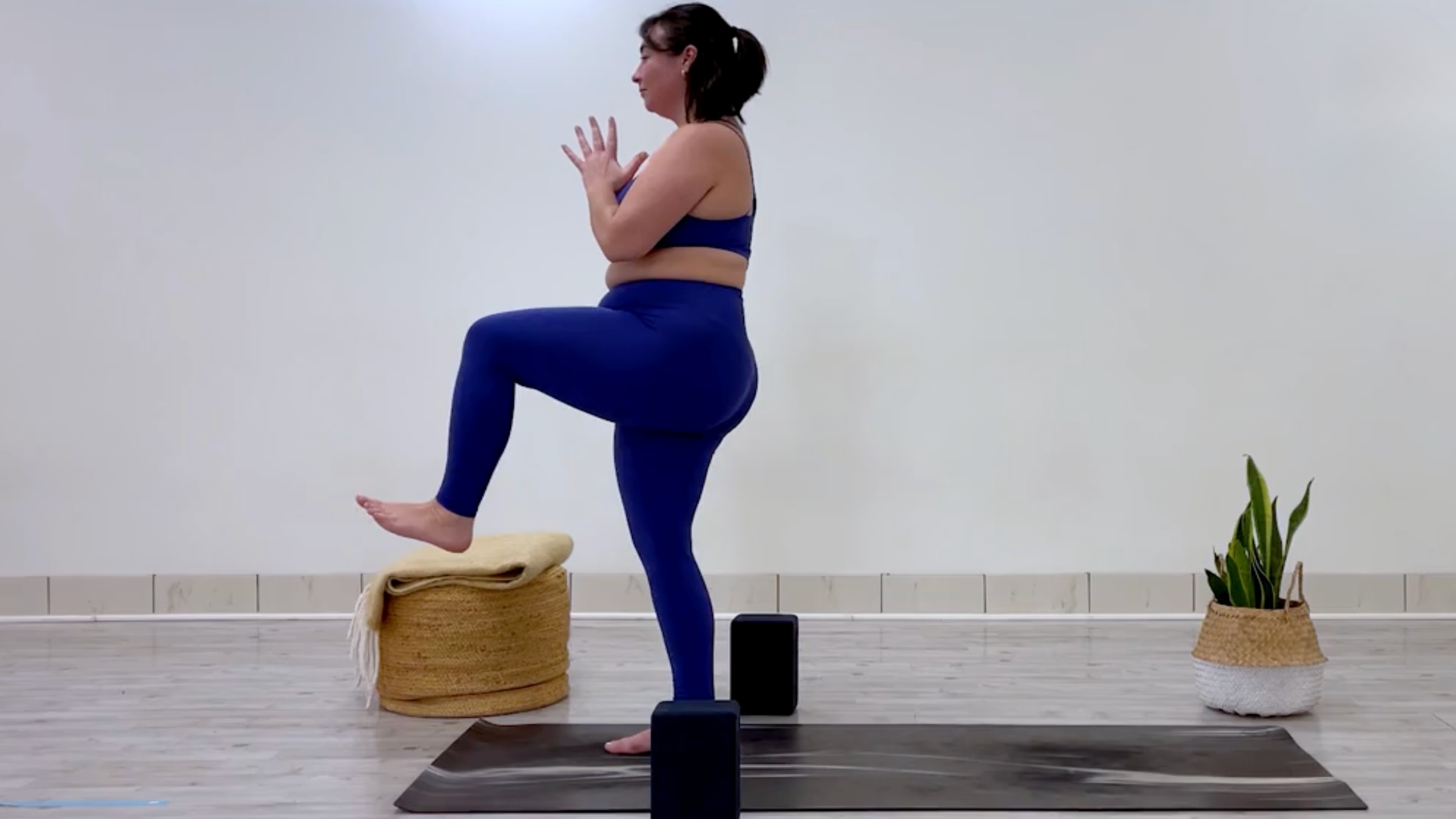
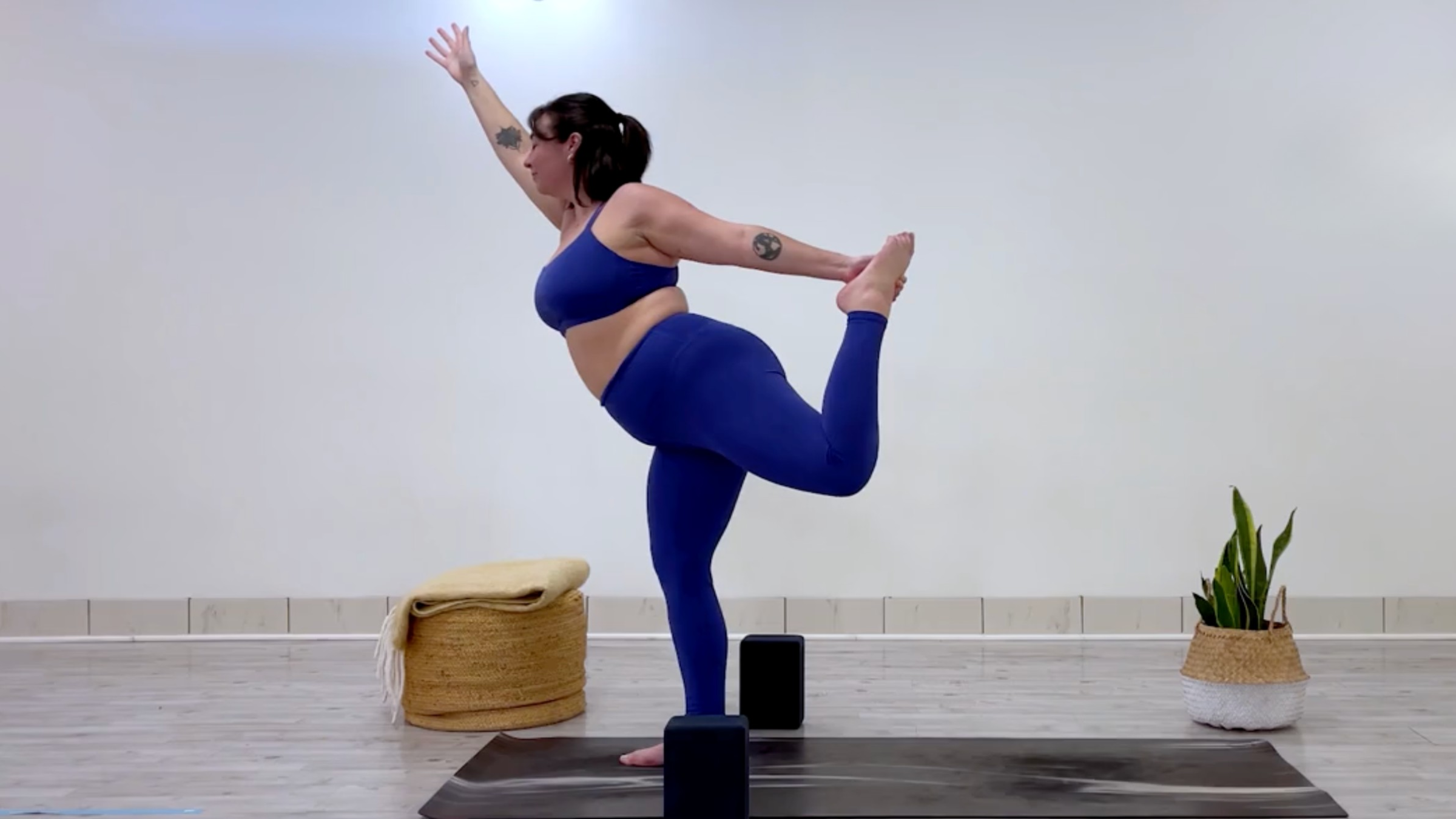
The heart of the practice lies in the High Lunge and Twisting High Lunge series. These standing poses require balance and core engagement, which naturally demand focus and presence. By moving into Reverse High Lunge and Revolved Pyramid, the practitioner develops both stability and flexibility, before challenging their equilibrium with Standing Splits, Stork Pose, and the graceful Dancer Pose.
Phase 4: Expansion and Closing
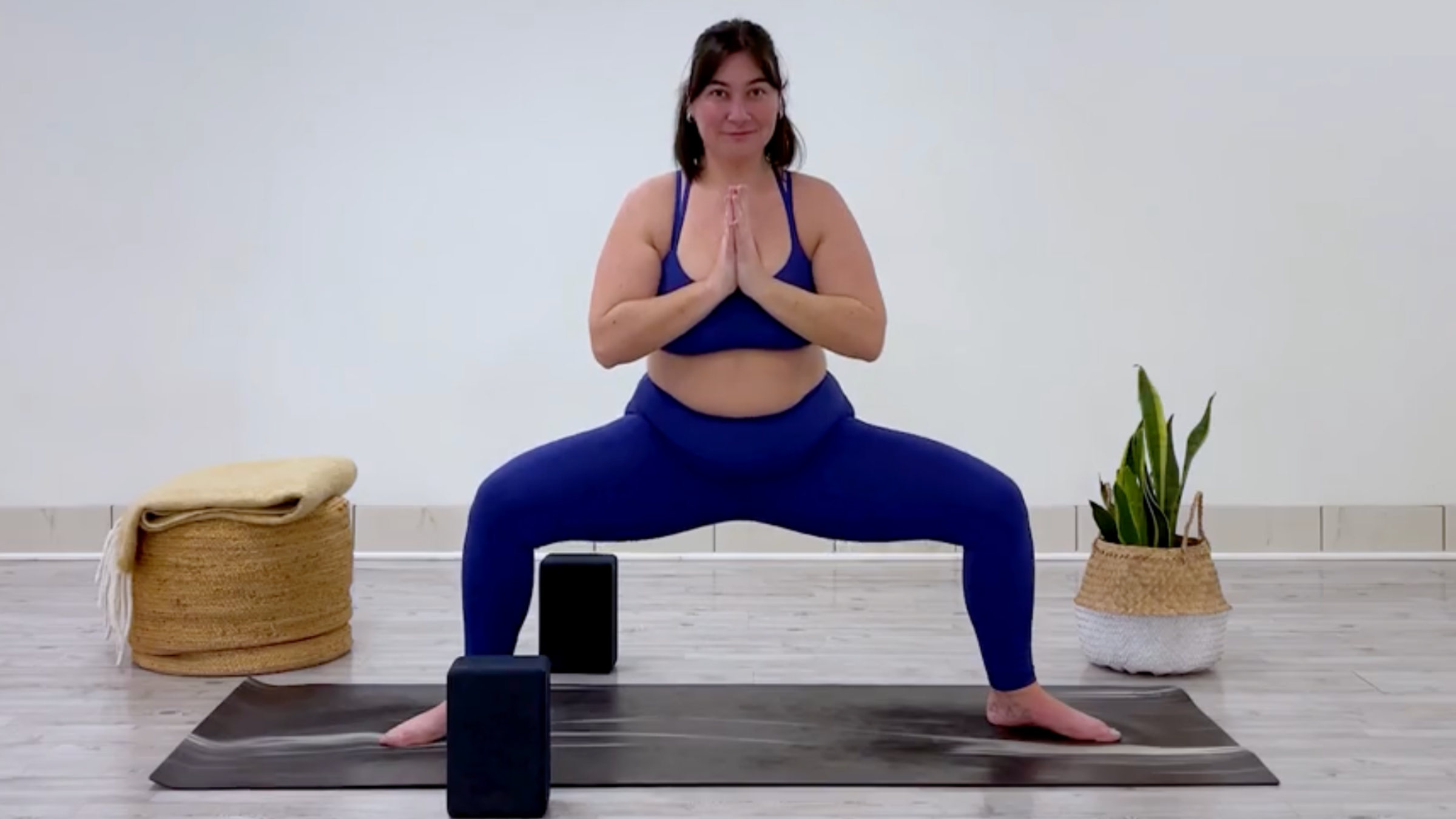
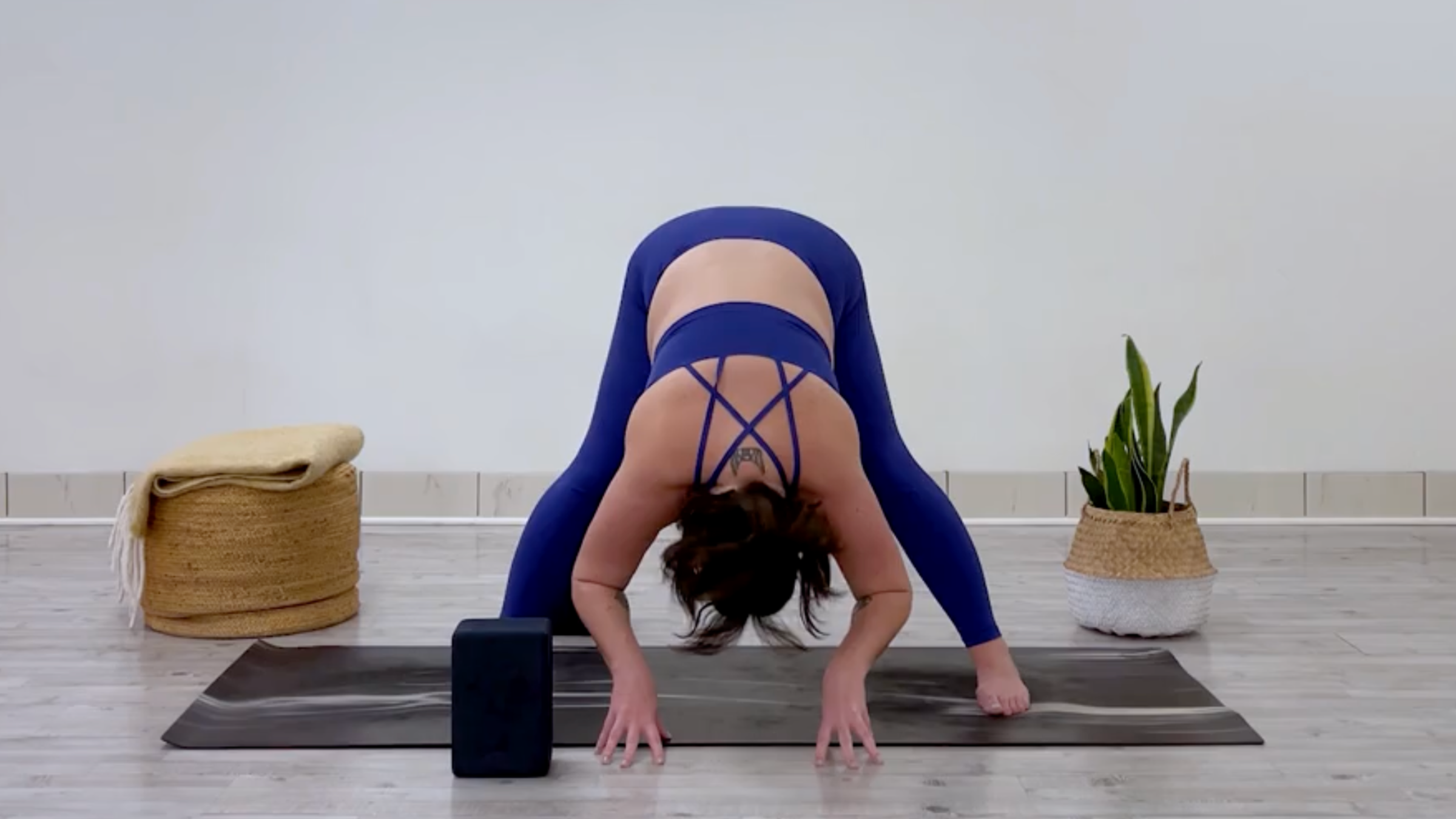
The sequence broadens with Goddess Pose and Wide-Legged Standing Forward Bend, which ground the lower body while stretching the hamstrings. As the flow nears its conclusion, the practitioner engages in Wild Thing and Side Lunge, providing a final, expansive release. The practice culminates in a return to Mountain Pose and a final, meditative period in Thunderbolt Pose.
Supporting Data: Why 12 Minutes Matters
While a 60-minute class is standard in many studios, "micro-dosing" movement—sessions lasting between 10 and 15 minutes—has gained significant traction in the wellness community. Data from recent fitness trends suggest that shorter, high-intent sessions often lead to higher adherence rates among busy professionals.
The effectiveness of this specific 12-minute sequence is not measured by caloric expenditure, but by the "After-Flow" effect. By completing a full, uninterrupted cycle, the practitioner achieves a sense of accomplishment, which triggers the release of endorphins. This neurochemical shift is what allows the practitioner to carry the "good mood" into their daily responsibilities.
Professional Perspectives on Intentional Flow
Experts in the field of movement therapy emphasize that the "why" behind the movement is just as critical as the "how." By framing the practice as a way to "stay present with what is already working," Taylor Lorenz shifts the focus from fixing a problem to acknowledging existing strengths.
"When you approach your mat with an attitude of gratitude rather than an attitude of ‘fixing’ yourself, the physiological response changes," notes one yoga educator. "The poses act as a vehicle for self-compassion. When you open your chest in Cactus Arms or find your balance in Stork Pose, you are telling your nervous system that it is safe to be expansive, safe to be seen, and safe to be joyful."
Implications for Daily Life
The ultimate goal of this 12-minute practice is to provide a portable toolkit for emotional resilience. In a professional setting, taking 12 minutes during a lunch break to complete this sequence can be the difference between a mid-afternoon slump and a period of sustained productivity.
Furthermore, the practice encourages the use of "intuitive movement"—the permission to listen to what the body needs in the moment. This encourages a level of self-trust that translates into better decision-making and reduced anxiety throughout the day. By consistently returning to the mat for these short, intentional bursts, practitioners report a greater ability to remain centered during high-pressure events.
A Final Note on Sustainability
As with any physical practice, the long-term benefits are found in consistency rather than intensity. Whether you practice this flow daily or reserve it for days when your mood requires a boost, the key is the ritual of returning to the self. As the practice concludes and you thank yourself for the effort, you are cementing a habit of self-care that is both life-affirming and entirely within your control.
This 12-minute journey is more than just a sequence of stretches; it is a declaration that you have the power to influence your internal environment, regardless of what the external world demands of you.