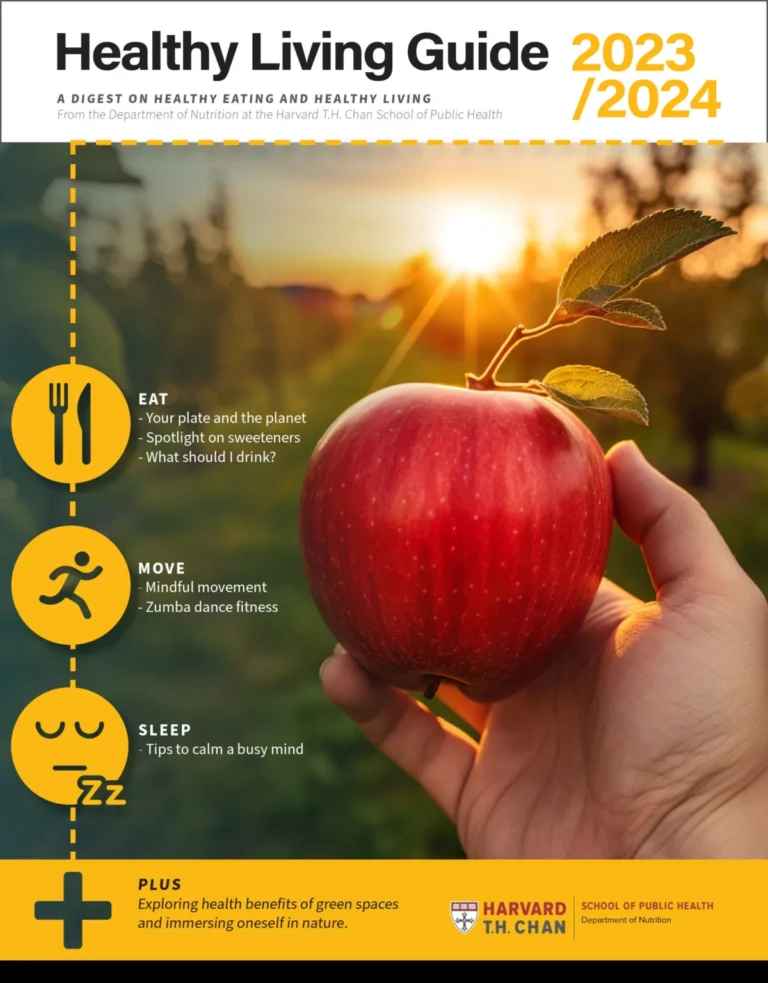





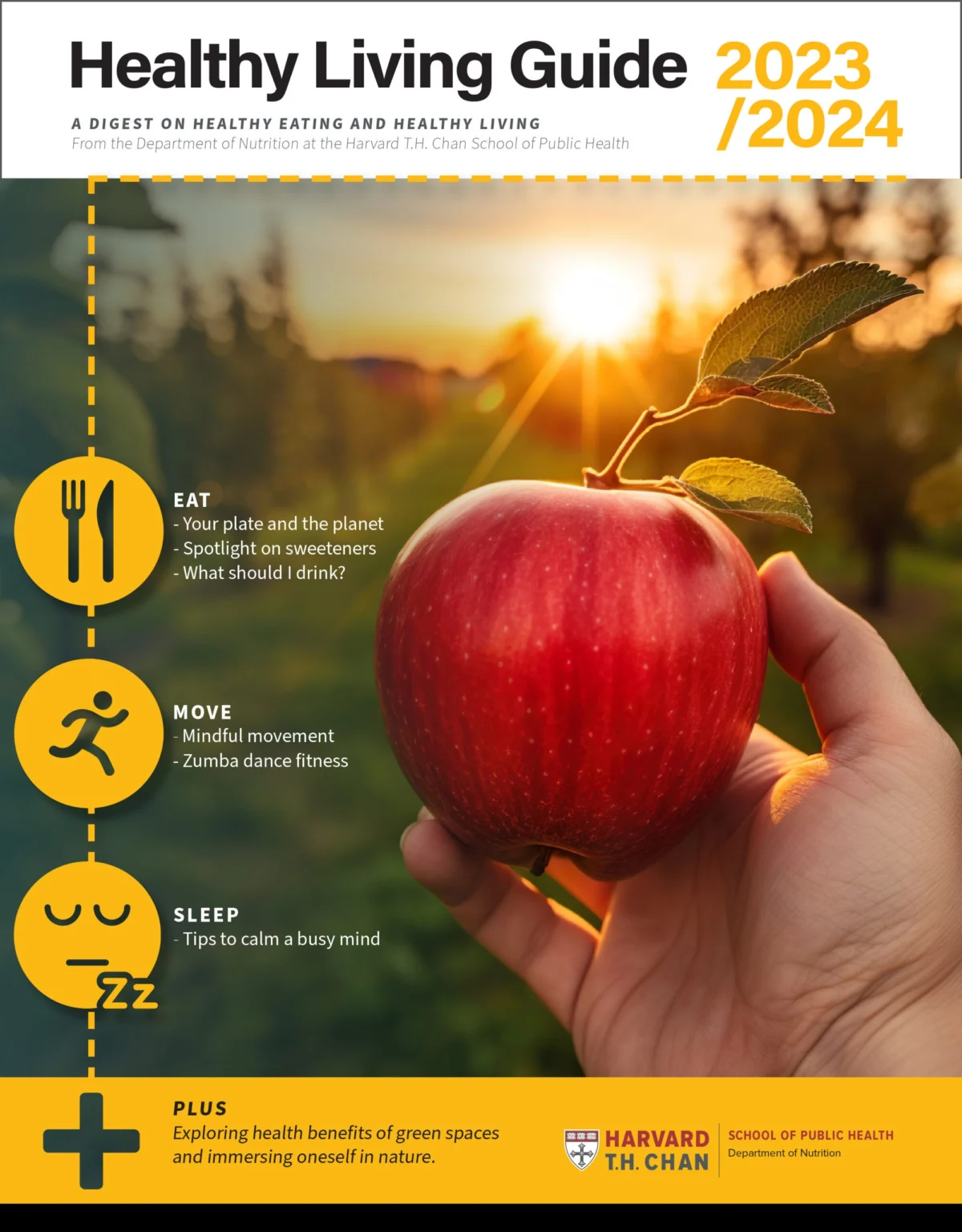
As the global community steps into 2024, the pursuit of holistic health has evolved from a series of individual choices into a complex intersection of environmental sustainability, scientific inquiry, and mindful living. Marking this transition, the Harvard Department of Nutrition has released the fourth edition of its acclaimed Healthy Living Guide. This year’s publication serves as more than just a manual for better habits; it acts as a synthesis of the latest peer-reviewed research, offering a roadmap for navigating the often-confusing landscape of modern wellness.
Main Facts: A New Era of Mindful Nutrition
The 2023-2024 Healthy Living Guide arrives at a pivotal moment for public health. The central theme of this year’s edition is the synthesis of personal health with planetary wellness—a concept championed by the newly inaugurated Thich Nhat Hanh Center for Mindfulness in Public Health.
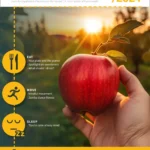
At the heart of the guide is the philosophy that our dietary choices are inextricably linked to the broader ecosystem. As the late Zen master Thich Nhat Hanh once famously noted, "The apple in your hand is the body of the cosmos." By adopting this perspective, the Harvard team encourages readers to move beyond calorie counting and toward a conscious engagement with food sources, preparation, and the environmental footprint of our consumption.
The guide categorizes its expert advice into three fundamental pillars:
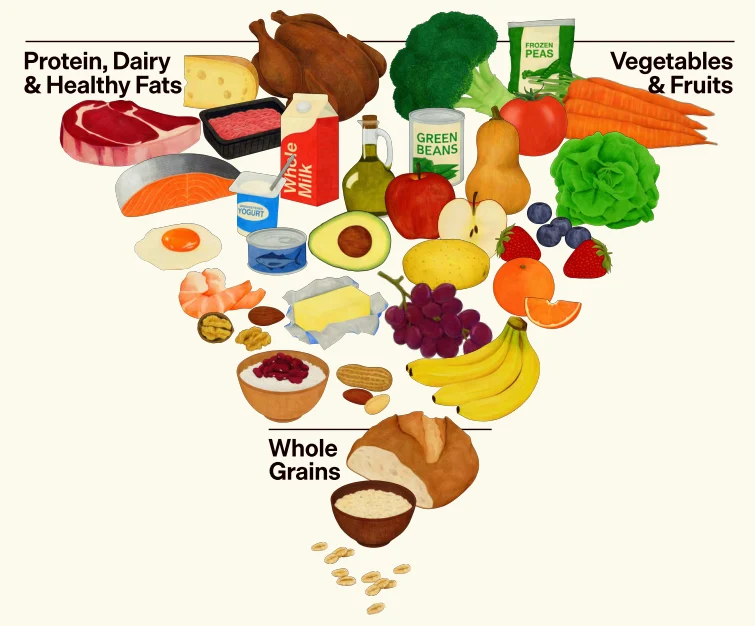
- Nutrition: Navigating the complexities of processed foods and their physiological impacts.
- Physical Activity: Exploring diverse modalities of movement, from structured exercise to rhythmic dance.
- Restorative Sleep: Understanding the biological rhythms—or "chronotypes"—that govern our energy and longevity.
Chronology: The Evolution of the Healthy Living Guide
The release of this year’s guide is the culmination of several years of data collection and academic growth within the Harvard T.H. Chan School of Public Health.
- 2020-2021: The inaugural edition was launched during the height of the COVID-19 pandemic, focusing on building resilience and maintaining immune health during times of global stress.
- 2022: The guide expanded its scope to include mental health, recognizing that the pandemic had permanently shifted the discourse surrounding wellness to include psychological stability as a prerequisite for physical health.
- 2023: A transformative year for the department, highlighted by the official launch of the Thich Nhat Hanh Center for Mindfulness in Public Health. This institutional shift signaled a formal commitment to researching how mindfulness can be scaled to impact population-level health outcomes.
- 2024: The current edition integrates the findings from the Center, emphasizing the "mind-body-planet" connection, and provides updated, evidence-based tools for practitioners and the public alike.
Supporting Data: The Science Behind the Suggestions
The Healthy Living Guide is not merely a collection of lifestyle tips; it is a curated summary of rigorous, evidence-based research. This year’s edition places a heavy emphasis on several critical scientific domains:
The Crisis of Ultra-Processed Foods
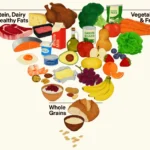
Perhaps the most significant section of the 2024 guide addresses the correlation between ultra-processed foods (UPFs) and mental health. Recent longitudinal studies cited by the department indicate that diets high in UPFs—which often contain additives, high levels of sodium, and refined sugars—are linked not only to physical conditions like obesity and type 2 diabetes but also to increased rates of depression and cognitive decline. The guide suggests that the "mindful eating" approach can serve as a buffer against these industrial food traps, encouraging a return to whole, nutrient-dense ingredients.
The Dynamics of Movement
Moving beyond the traditional gym model, the guide explores the efficacy of "rhythmic movement." Research highlighted in this edition points to the benefits of Zumba and similar activities, which combine aerobic exercise with social interaction and cognitive engagement. By synchronizing movement with music, individuals can reduce cortisol levels more effectively than through repetitive, solitary exercise, thereby improving both cardiovascular health and mood.
Chronotypes and Circadian Health
A fascinating addition to this year’s research highlights is the focus on "chronotypes"—the natural inclination of our bodies to sleep at different times. The guide breaks down the biological clock, offering evidence that forcing a "night owl" into a "morning lark" schedule can lead to significant sleep debt and metabolic dysfunction. It provides actionable strategies for aligning daily schedules with internal biological rhythms to maximize restorative sleep.
Official Responses and Institutional Vision
The leadership at the Harvard Department of Nutrition views this guide as a vital instrument for bridging the gap between ivory-tower research and the kitchen table.
"Our goal is to democratize the latest findings in nutritional science," says one department spokesperson. By offering the guide as a downloadable, printable PDF, the department ensures that these resources remain accessible to anyone with an internet connection, regardless of their socioeconomic status.
The establishment of the Thich Nhat Hanh Center represents a formal acknowledgment that the public health crises of the 21st century—obesity, climate change, and chronic stress—cannot be solved in isolation. By applying mindfulness to public health, the institution is advocating for policies that make healthy choices the default choice for all, effectively moving the needle from individual responsibility to collective action.
Implications: The Path Toward a Fulfilling 2024
What are the long-term implications of these findings for the average person? The Healthy Living Guide suggests that the path to a healthier year lies in small, consistent, and conscious changes rather than radical, short-lived "detoxes."
Integrating Mindfulness into the Daily Grind
The implications for the reader are practical. If one is struggling with the impact of processed foods, the guide suggests starting with a "mindful pause" before meals to consider the source and the impact of the food being consumed. This psychological shift can naturally lead to healthier choices.
Redefining Exercise and Rest
By validating the role of fun, musical movement and respecting one’s internal biological clock, the guide encourages a move away from "guilt-based" health habits. If a person feels energized by evening exercise or finds solace in morning walks, the guide validates these preferences as scientifically sound pathways to health, provided they are consistent.
A Call to Action
The guide concludes with a challenge to its readers: to test their knowledge. By incorporating a quiz based on previous years’ findings, the Harvard team encourages a cycle of continuous learning. They suggest that health is not a destination, but a state of ongoing education.
As we navigate the uncertainties of 2024, the Harvard Healthy Living Guide serves as a grounding force. It reminds us that our physical health is a reflection of our internal environment and our external choices. Whether it is through the simple act of choosing whole foods, finding joy in movement, or honoring the body’s need for specific cycles of rest, the guide provides the tools necessary to foster a more resilient, mindful, and healthy life.
For those looking to take the first step, the department has made the resource readily available. By bridging the gap between the "body of the cosmos" and the modern, busy life, the 2023-2024 Healthy Living Guide acts as an essential companion for anyone seeking to improve their well-being in the coming year.
To access the full resources, tip sheets, and printable summaries, readers are encouraged to download the Healthy Living Guide (PDF) and engage with the ongoing research provided by the Harvard T.H. Chan School of Public Health.