


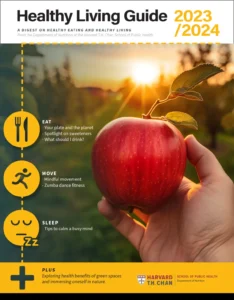

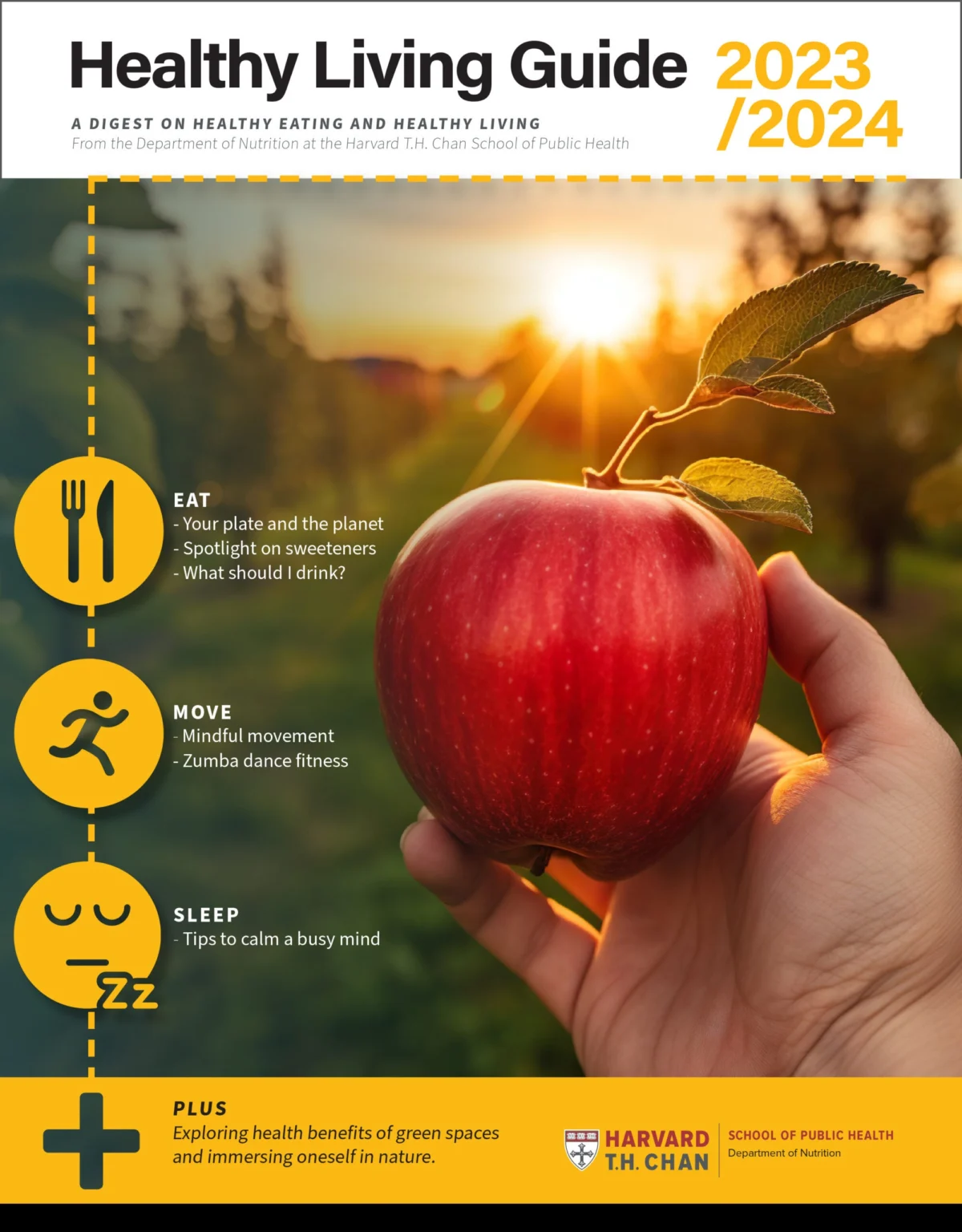
As the world enters a new calendar year, the global discourse surrounding health continues to shift from purely clinical interventions toward a more holistic, integrated approach. Standing at the forefront of this movement is the Department of Nutrition at the Harvard T.H. Chan School of Public Health, which has officially released its fourth annual Healthy Living Guide. This year’s publication serves as more than just a collection of wellness tips; it is a profound exploration of how mindfulness, nutrition, and lifestyle habits intersect to define the health of both the individual and the planet.
Main Facts: The Intersection of Mindfulness and Public Health
The 2023-2024 edition of the Healthy Living Guide arrives at a pivotal moment. The central theme of this year’s release is the integration of mindfulness into public health policy and practice. This focus is directly inspired by the recent establishment of the Thich Nhat Hanh Center for Mindfulness in Public Health.
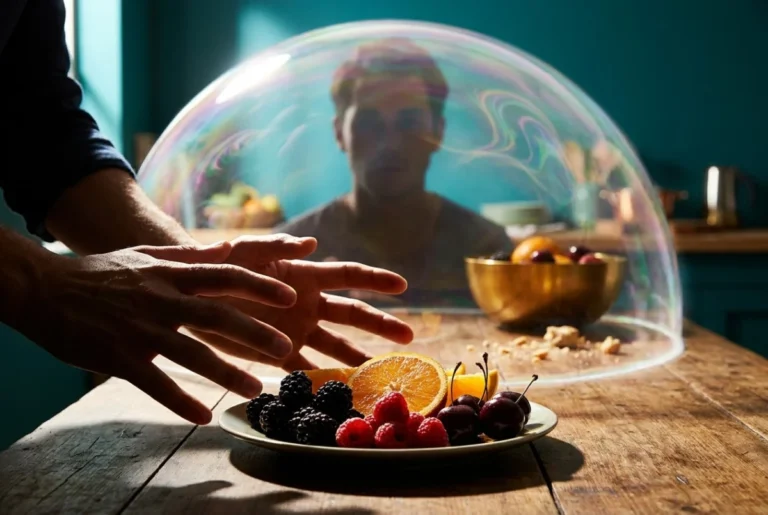
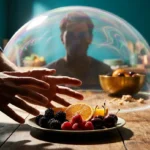
The Center, a cornerstone of the Department of Nutrition’s recent initiatives, operates under the philosophy that individual well-being is intrinsically linked to broader societal and ecological health. The Guide articulates this through the lens of "mindful eating"—a practice that encourages consumers to consider the origin of their food, the environmental impact of their dietary choices, and the psychological benefits of intentional consumption. By bridging the gap between ancient meditative practices and modern nutritional science, the Guide provides a roadmap for readers to cultivate a more conscious relationship with their daily habits.
Chronology of Development: A Decade of Nutritional Evolution
To understand the significance of the 2023-2024 Guide, one must look at the evolution of public health guidance over the last decade.
- 2020: The inception of the annual Healthy Living Guide series, designed to translate dense, peer-reviewed clinical research into actionable advice for the general public.
- 2021-2022: A period of significant expansion, during which the Department of Nutrition began incorporating complex factors such as the impact of sedentary lifestyles during the pandemic and the importance of sleep hygiene.
- 2023: A landmark year for the Department, marked by the official launch of the Thich Nhat Hanh Center for Mindfulness in Public Health. This institutional shift signaled a move toward addressing "planetary health," acknowledging that the food systems supporting human nutrition are deeply tied to climate change and biodiversity.
- 2024: The release of the current Guide, which synthesizes these developments, offering a comprehensive toolkit that balances traditional nutritional science with emerging research on mindfulness, chronobiology, and the hazards of ultra-processed food environments.
Supporting Data: Emerging Research and Scientific Findings
The Guide is underpinned by a rigorous commitment to evidence-based science. This year’s edition highlights three critical areas of research that are reshaping contemporary health strategies.
The Ultra-Processed Food Crisis
Perhaps the most urgent data presented in this year’s research involves the correlation between ultra-processed foods (UPFs) and mental health. Recent studies cited by the Harvard team indicate that diets high in highly processed additives, stabilizers, and artificial sweeteners are not only linked to physical ailments like metabolic syndrome and obesity but also show a concerning correlation with increased rates of anxiety and depressive symptoms. The Guide urges readers to return to "whole-food" foundations, providing practical strategies for navigating a modern food environment dominated by convenience-focused, low-nutrient items.
The Science of Movement: Zumba and Mental Well-being
Physical activity remains a pillar of the Guide, but the 2024 edition pivots away from monotonous exercise routines. It highlights data supporting "joyful movement"—specifically referencing the psychological benefits of activities like Zumba. By integrating music, social interaction, and rhythmic physical exertion, these activities produce a "synergistic effect" on the brain, boosting endorphin production while simultaneously reducing cortisol levels more effectively than solitary, high-intensity exercise alone.
Chronotypes and Circadian Health
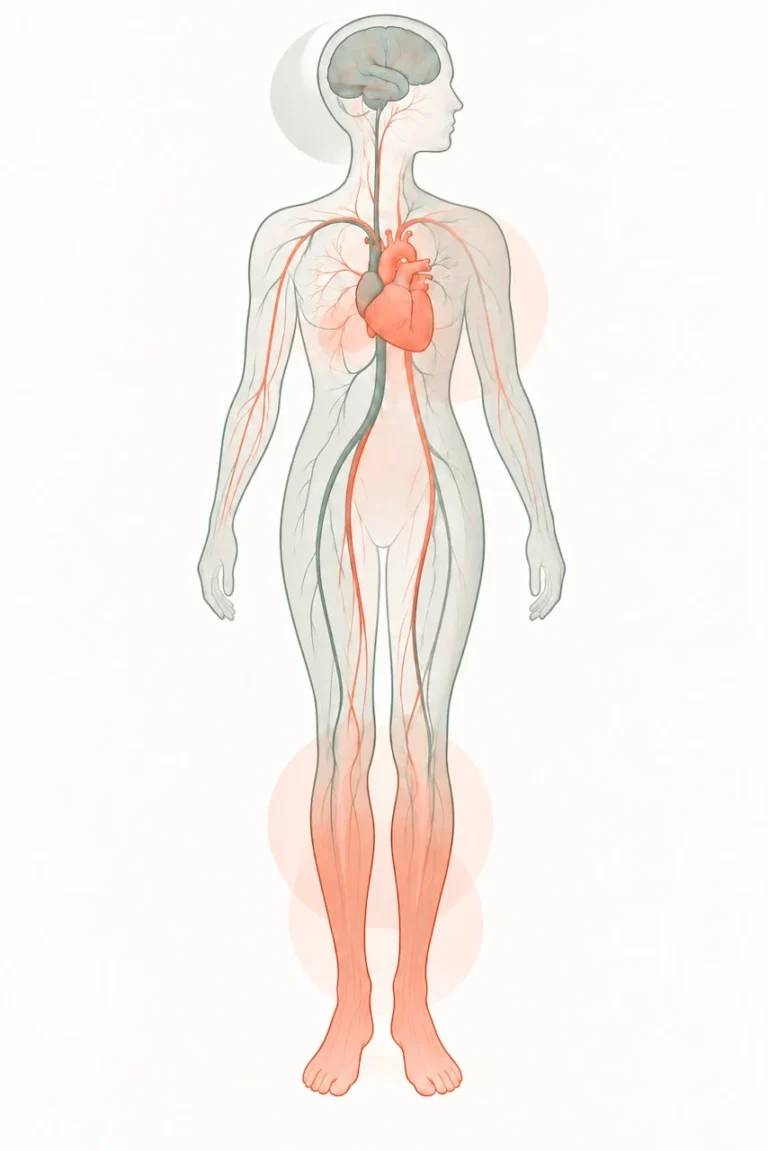
The Guide also delves into the nuances of sleep science. It presents current research on "chronotypes"—the biological predisposition that determines whether an individual is an "early bird" or a "night owl." By understanding one’s internal clock, individuals can better align their work, eating, and exercise schedules to optimize recovery and cognitive function. The research suggests that forcing a rigid 9-to-5 structure on an individual whose biology is wired for nocturnal activity can lead to chronic inflammation and sleep deprivation.
Official Responses and Institutional Philosophy
Dr. Walter Willett and his colleagues at the Department of Nutrition have consistently championed the idea that public health is not merely the absence of disease, but the presence of vitality. In response to the release, the faculty emphasized that the Healthy Living Guide is intended to act as an "antidote to the overwhelming and often contradictory information" found in the digital health space.
"The apple in your hand is the body of the cosmos," a quote by Thich Nhat Hanh featured in the opening of the Guide, serves as the institutional mantra. The faculty argues that when we view our food as a connection to the environment, we are more likely to make choices that are sustainable. This is an official pivot toward "sustainable nutrition"—a concept that balances nutrient density with the carbon footprint of food production.
Implications for Global Public Health
The release of this Guide has profound implications for how we view health in the coming years.
1. From Individualism to Collectivism
The most significant implication is the shift in responsibility. While traditional health advice often places the entire burden of wellness on the individual ("eat less, move more"), the 2024 Guide acknowledges the structural barriers to health. It implies that for individuals to thrive, public policy must address food deserts, the affordability of fresh produce, and the normalization of mindfulness in workplaces and schools.
2. The Standardization of Mindfulness
By embedding mindfulness into a clinical nutrition guide, Harvard is validating the practice as a legitimate public health tool. This could lead to broader acceptance of meditation and intentional breathing exercises in therapeutic settings, potentially reducing the reliance on pharmacological interventions for mild to moderate mental health stressors.
3. Planetary Health as a Prerequisite for Human Health
The Guide cements the reality that the future of nutrition is inextricably linked to climate change. As the global population grows, the methods by which we produce, distribute, and consume food must become more efficient and less resource-intensive. The Guide serves as a primer for the "conscious consumer," a role that every individual must play to ensure the long-term viability of our food systems.
Conclusion: A Call to Action for 2024
The 2023-2024 Healthy Living Guide is more than a digital document; it is a call to action. Whether through the simple act of choosing a whole fruit over a processed snack, the decision to align one’s exercise routine with their natural chronotype, or the practice of mindful eating, the Guide provides a structured path toward a healthier year.
As readers engage with the printable tip sheets and expert-curated summaries, they are encouraged to view these changes not as restrictive measures, but as a path to greater fulfillment. By fostering a deeper connection between the mind, the body, and the planet, the Department of Nutrition at Harvard has provided a blueprint that is as compassionate as it is scientific.
For those looking to begin their journey, the full PDF is available for download, offering a comprehensive resource that remains one of the most reliable touchstones in the ever-changing world of wellness. In a year defined by uncertainty, the Healthy Living Guide provides the clarity and evidence-based guidance necessary to cultivate a life of health, purpose, and balance.