










PARIS — In an unprecedented medical development that has drawn the attention of global health authorities, France has confirmed the world’s first known human case of the Shamonda virus. The infection, which resulted in the death of a patient in Lyon, marks a significant shift in the known host range of this orthobunyavirus, previously believed to be exclusively an animal pathogen.
While French health officials have moved quickly to reassure the public that there is no imminent threat to the general population, the discovery underscores the unpredictable nature of zoonotic diseases in an era of shifting ecosystems and warming climates.
Main Facts: The Lyon Case
The patient, described as severely immunocompromised due to an underlying, unrelated serious illness, was receiving treatment in a Lyon hospital when they succumbed to the infection in early October. Routine clinical investigations into the cause of the patient’s declining health led to the identification of the Shamonda virus, a discovery that caught infectious disease specialists off guard.
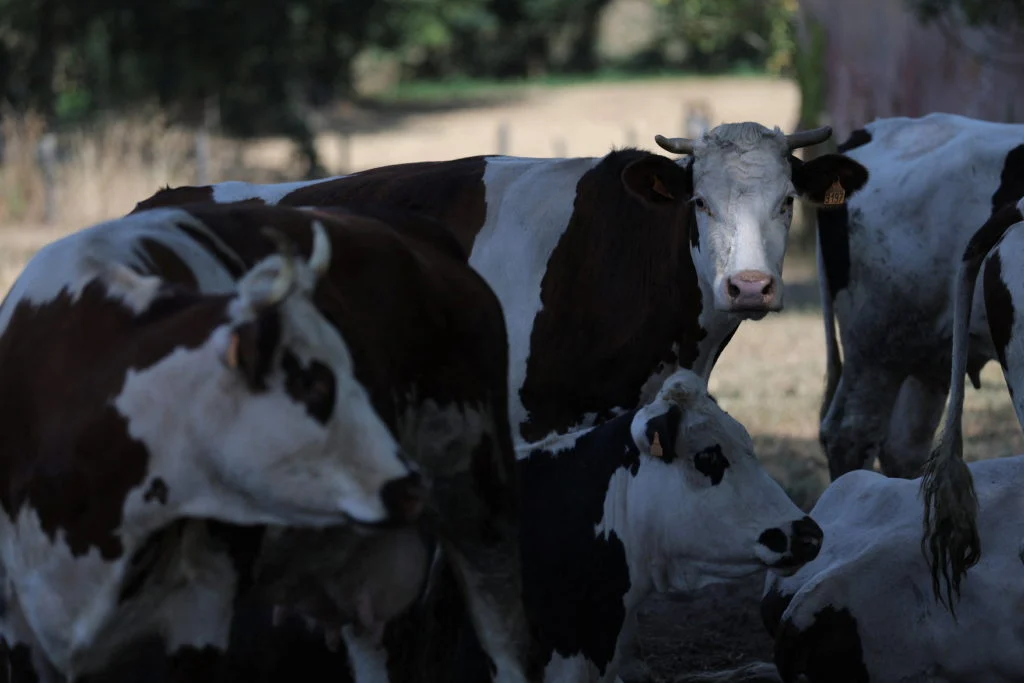
The virus is an arthropod-borne pathogen, or arbovirus, historically associated with livestock. Until this year, there was no documented evidence that the virus could bridge the species barrier to infect humans. The French Ministry of Health has characterized the incident as an “exceptional case,” emphasizing that the patient’s fragile immune system likely created a unique biological vulnerability that allowed the virus to take hold.
Chronology: From African Origins to European Emergence
To understand the significance of this case, one must look at the historical trajectory of the Shamonda virus.
1960s: Discovery in West Africa
The virus was first isolated in Nigeria in the mid-1960s. During its early history, it remained largely localized, appearing sporadically in cattle across West, East, and Southern Africa. For decades, it was considered a minor veterinary nuisance, causing mild symptoms in livestock and rarely garnering the attention of global pandemic-preparedness committees.
Early 2000s: Global Expansion
In the following decades, reports of the virus began to emerge in Japan, signaling a capacity for the pathogen to spread across vast geographic distances, likely aided by the movement of infected animal populations and the presence of competent insect vectors.
Summer 2024: The European Arrival
The most critical precursor to the current situation occurred this past summer, when the Shamonda virus was identified for the first time on European soil. Veterinary surveillance detected the virus circulating among cattle farms in eastern France. This introduction into the European ecosystem provided the missing link: a consistent, local reservoir for the virus to jump from animals to a human host.
October 2024: The Tragic Milestone
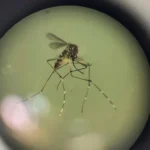
The patient, who resided in a region where the virus was circulating among livestock, was likely bitten by a Culicoides midge—the primary vector for the virus—during the late spring or summer. Following a period of illness, the patient passed away, and subsequent diagnostic testing confirmed the presence of the virus, marking the first human casualty in recorded history.
Supporting Data: The Science of the Virus
Shamonda virus belongs to the Peribunyaviridae family. These viruses are typically transmitted via biting midges, small insects that are notoriously difficult to control in agricultural settings.
Transmission Mechanics
The virus relies on a "vector-borne" cycle. When a midge feeds on an infected animal, it ingests the virus. The pathogen replicates within the insect and is then transmitted to the next host through the midge’s saliva during a subsequent blood meal. In the case of the Lyon patient, authorities believe the proximity to affected cattle farms in eastern France provided the necessary environmental conditions for this rare transmission event to occur.
Why Humans Were Previously Considered "Safe"
Virologists have historically classified Shamonda as a zoonotic agent that lacks the molecular machinery to effectively attach to and enter human cells. The "spillover" event in France suggests one of two possibilities: either the virus has undergone a minor mutation that allows for broader host tropism, or the patient’s immunocompromised state allowed a virus that is normally cleared by a healthy human immune system to proliferate unchecked.
Official Responses: Coordination and Containment
The French government has acted with transparency to prevent the spread of misinformation and to coordinate a global response.
The French Ministry of Health
In a formal statement released on Thursday, the Ministry of Health emphasized that the risk to the average citizen remains extremely low. "Based on current knowledge of the virus, no public health risk to the general population has been identified to date," the statement read. The ministry is currently conducting a retrospective analysis of other patients with similar clinical profiles to ensure that no other undiagnosed cases exist.
International Cooperation
France has triggered standard international reporting protocols, notifying:
- The World Health Organization (WHO): To facilitate global monitoring and data sharing.
- The European Centre for Disease Prevention and Control (ECDC): To assist in tracking the geographical spread of the virus among European livestock and to assess the potential for further vector-borne transmission.
These organizations are now working to determine if the Shamonda virus is endemic to Europe or if this was an isolated introduction that can be managed through veterinary interventions and improved agricultural biosecurity.
Implications: The "One Health" Challenge
The emergence of the Shamonda virus in a human patient serves as a stark reminder of the "One Health" concept—the principle that human health, animal health, and environmental health are inextricably linked.
The Impact of Climate Change
Entomologists have noted that rising global temperatures are expanding the habitats of many insect vectors, including biting midges. As these insects move into new regions, they bring with them a suite of viruses that were previously confined to tropical or sub-tropical zones. The arrival of the Shamonda virus in Europe is likely a symptom of this broader ecological transition.
Strengthening Surveillance
The Lyon case highlights a critical need for enhanced "syndromic surveillance." Hospitals must remain vigilant for unusual clinical presentations in immunocompromised patients, particularly those living in rural or agricultural settings. The ability to identify novel or "spillover" pathogens early is the most effective tool in preventing local outbreaks from escalating.
Future Research Directions
The medical community is now faced with several urgent questions:
- Pathogenicity: Does the virus cause disease in healthy humans, or is it strictly an opportunistic infection for those with pre-existing conditions?
- Vaccination: Is there a potential to develop a vaccine for livestock, thereby breaking the chain of transmission before it reaches humans?
- Vector Control: Can we improve agricultural practices to reduce midge populations in high-risk areas?
Conclusion: A Vigilant Future
The death of the patient in Lyon is a tragedy, but it also serves as a vital alert for the global scientific community. While the Shamonda virus does not currently pose a threat comparable to major viral pandemics, its transition to a human host represents a significant evolutionary step for the pathogen.
As we move forward, the focus must remain on robust surveillance, interdisciplinary cooperation between veterinarians and physicians, and a commitment to understanding the complex ways in which human, animal, and environmental factors influence the landscape of infectious disease. For now, the world watches and waits, as researchers work to ensure that this "exceptional case" remains a singular anomaly rather than the start of a new, long-term health challenge.