








In the evolving landscape of modern medicine, the integration of "lived experience" has transitioned from a peripheral aspiration to a core pillar of clinical research and healthcare policy. As of May 2026, the European Lung Foundation (ELF) continues to lead this charge through its 12 specialized Patient Advisory Groups (PAGs). These collectives, composed of patients, caregivers, and dedicated advocates, serve as the essential bridge between the laboratory and the patient’s daily life. By collaborating directly with healthcare professionals and top-tier researchers, these groups ensure that clinical trial designs, healthcare initiatives, and research priorities are not merely scientifically sound, but human-centered and practical.
The Evolution of Patient-Centric Research
The philosophy underpinning the ELF’s PAG initiative is simple yet transformative: those living with a condition possess unique insights that no amount of clinical data can replicate. Whether it is navigating the bureaucratic hurdles of specialized care, managing the psychological burden of chronic illness, or identifying the most disruptive symptoms in daily life, patient representatives are now active partners in the medical journey.

Chronology: A Snapshot of Recent Impact (Spring 2026)
The first half of 2026 has been a period of intense activity for the PAGs. The following timeline outlines key milestones achieved in recent months:
- March 2026: The 6th annual Bronchiectasis Patient Conference sets a record for engagement, facilitating unprecedented dialogue between clinicians and the patient community.
- April 2026: The launch of the new Alpha-1 PAG marks a significant expansion of the ELF’s support network for those with alpha-1 antitrypsin deficiency (AATD).
- May 2026: Preparations reach a fever pitch for the upcoming ERS Cough Conference, while new patient-led resources—including guides for COPD self-care—enter their final stages of development.
- Summer 2026 (Forthcoming): Expected publication of the "Living with Aspergillosis" guide and the COPD self-care handbook.
Deep Dive: Sector-Specific Initiatives
The strength of the PAG model lies in its specificity. By focusing on distinct conditions, the ELF allows for targeted advocacy that addresses the unique challenges of each patient demographic.
Alpha-1 and Aspergillosis: Shaping the Future
The newly inaugurated Alpha-1 PAG is hitting the ground running. By partnering with the European Alpha-1 Research Collaboration (EARCO), members are working to bridge the gap in early diagnosis. Their focus is on ensuring that the patient perspective informs the research priorities of tomorrow, directly influencing how EARCO approaches its data collection and clinical studies.
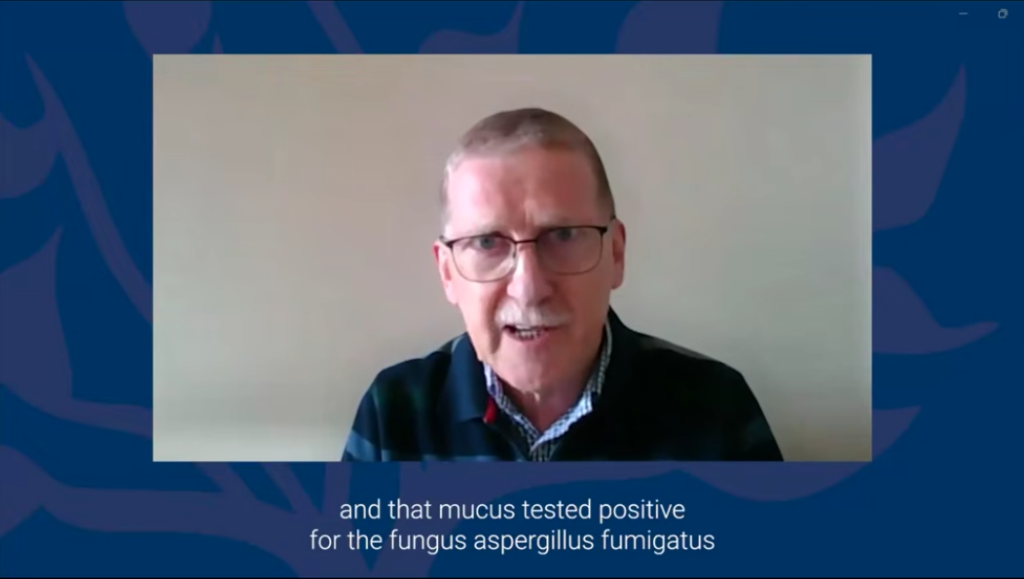
Simultaneously, the Aspergillosis PAG is finalizing its "Living with Aspergillosis" guide. This document is a testament to the shift toward holistic care; it deliberately moves away from dry clinical terminology to address the "real world" of the condition: returning to work, managing treatment-related side effects, and navigating the complexities of travel while immunocompromised.
Chronic Respiratory Conditions: Asthma, COPD, and Bronchiectasis
The Asthma PAG continues to make significant strides within the SHARP (Severe Heterogeneous Asthma Research Collaboration) framework. Notably, patient co-chair Hilary Hodge is spearheading a critical survey on the intersection of parenting and chronic illness. By identifying gaps in support for families, the group is setting a new standard for how we define "burden of disease."
In the realm of COPD, the focus remains on accessibility and quality of life. Through participation in the EU-funded PAL-COPD project, members are advocating for better palliative care access. The upcoming self-care guide promises to be a vital tool, offering evidence-based advice on mental health and physical activity that often goes overlooked in standard clinical consultations.
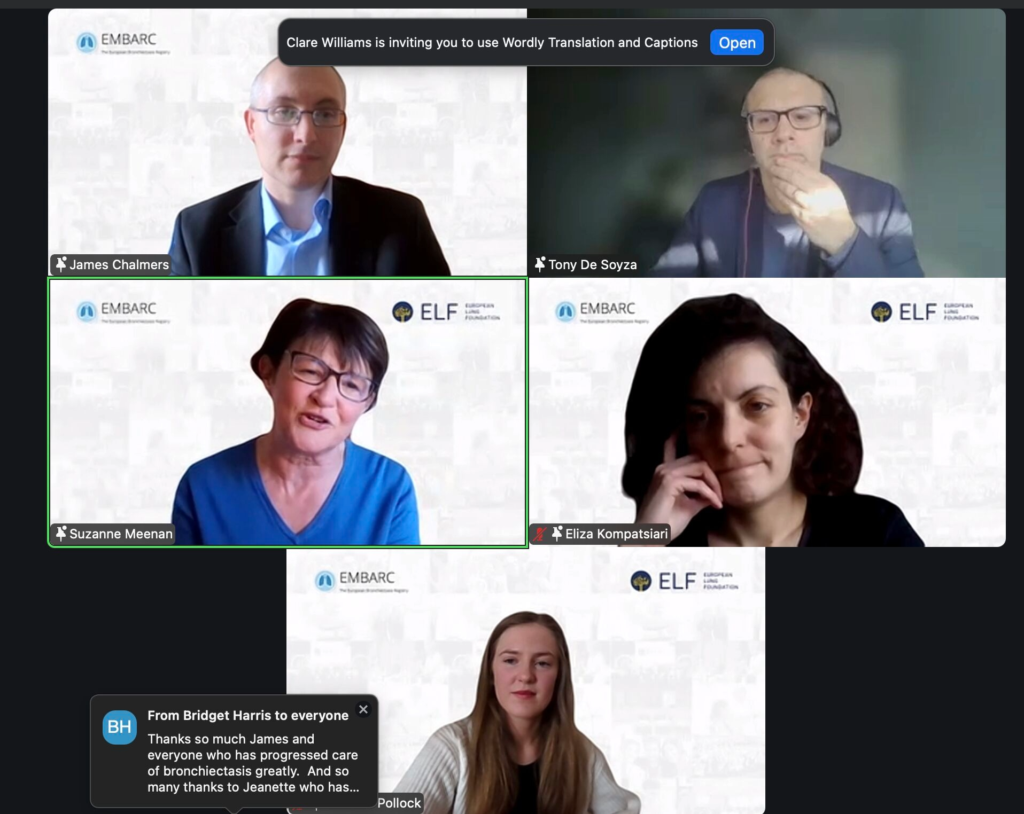
The Bronchiectasis PAG has solidified its influence by contributing directly to the ERS Bronchiectasis Monograph. This inclusion of a patient-authored chapter represents a significant victory for the movement, cementing the idea that the patient experience is as academically valid as clinical observation.
Supporting Data and Collaborative Synergy
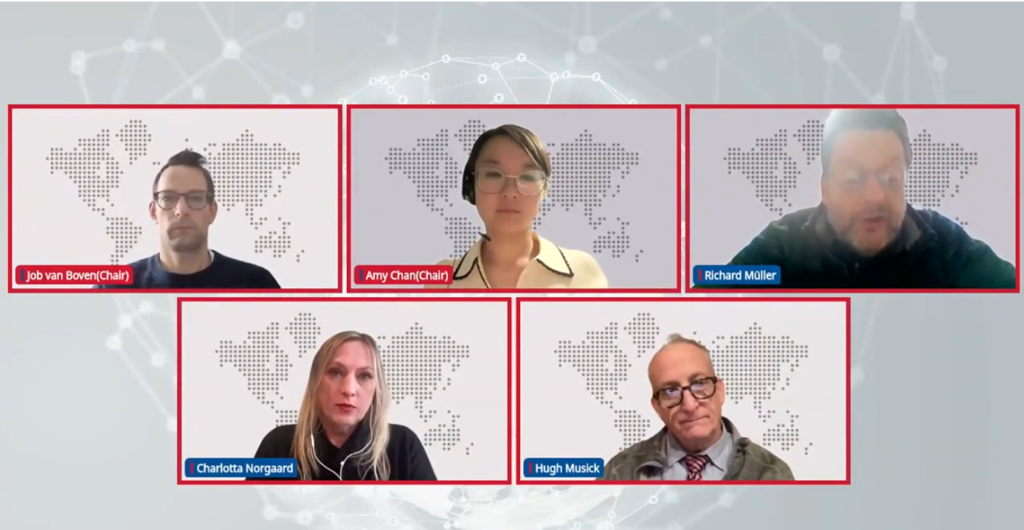
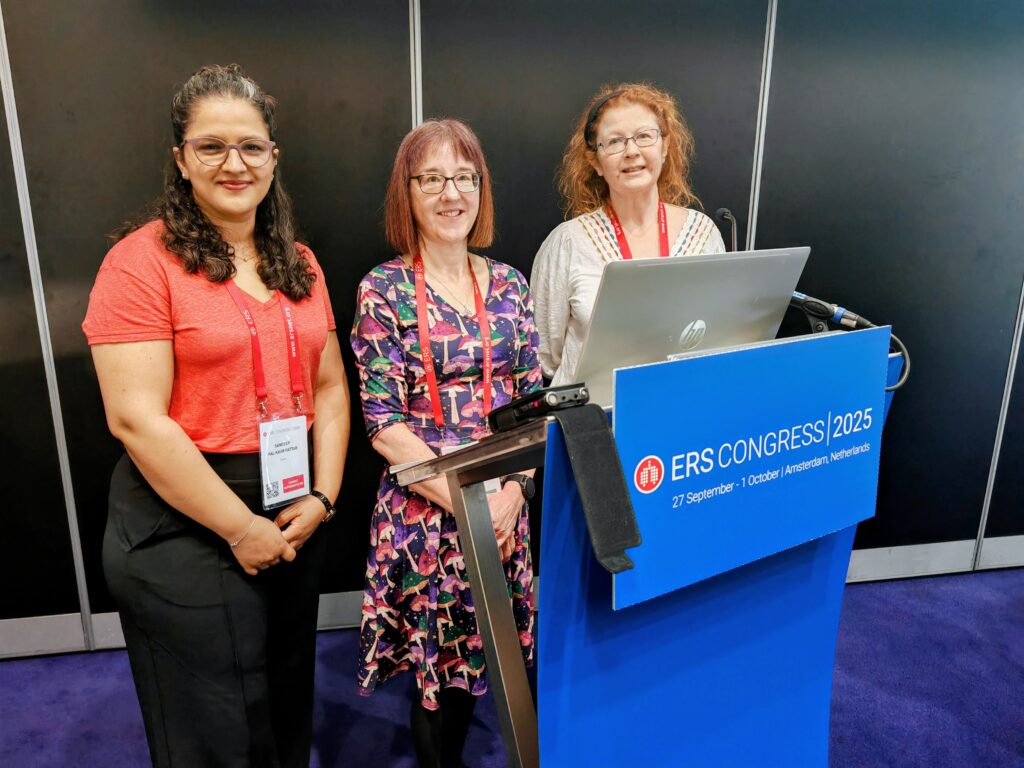
The effectiveness of these groups is bolstered by their integration into ERS (European Respiratory Society) task forces. For instance, the Chronic Cough PAG is currently engaged in a historic effort to reclassify chronic cough as a standalone condition rather than a mere symptom. By having representatives like Caroline and Sandeep in the room during these classification debates, the medical community is forced to confront the chronic, life-altering nature of the condition.
Similarly, the Sarcoidosis PAG is exploring the intersection of technology and empathy. Their involvement in the AIR-SARCOIDOSIS study—which tests how AI tools interpret patient questions—highlights a proactive approach to the digital health revolution. By testing these tools against patient-generated questions, the group is ensuring that emerging technology remains grounded in user accessibility and accuracy.
Official Perspectives: The Role of the Patient Ambassador
The impact of these groups is magnified by individual advocates who step into the public eye. Whether it is Janette Rawlinson (Lung Cancer PAG) discussing CT screening guidelines or Hall Skaara (PH PAG) sharing his journey with pulmonary hypertension, these individuals provide a face and a story to the statistics.
The Pulmonary Hypertension (PH) PAG is also breaking new ground with the "PH Academy," an initiative designed to train "expert patients." This shift toward capacity building—empowering patients to become as knowledgeable as their care teams—is the next frontier in patient advocacy.
Implications: A Call to Action
The work performed by these 12 groups has profound implications for the European healthcare landscape. It suggests a future where:
- Clinical Trials are more accessible: By consulting patients on trial design, researchers can avoid barriers that often lead to low recruitment or retention.
- Guidelines are more practical: When patients help write guidelines, the resulting advice is far more likely to be followed by the patient population.
- Holistic care is prioritized: The shift from focusing solely on "curing" to "living well" with a condition is a direct result of patient representation in high-level discussions.
How to Get Involved
The ELF is clear: this work is only possible through the dedication of its members. For those inspired by the progress made this May, the path to involvement is open.
- Join a PAG: If you are a patient or a carer, you can contribute your lived experience by reaching out to
[email protected]. - The European Patient Ambassador Programme (EPAP): For those new to advocacy, the ELF offers a free, self-learning online program. This initiative provides the essential tools—ranging from understanding clinical research to effective communication—that allow patients to become powerful agents of change.
As the European Lung Foundation moves into the second half of 2026, the message from the PAGs is unified: the patient is no longer a passive recipient of care, but a vital, informed partner in the progress of respiratory medicine. By centering the human experience, the ELF ensures that the future of lung health is not just about extending life, but about significantly enhancing its quality.