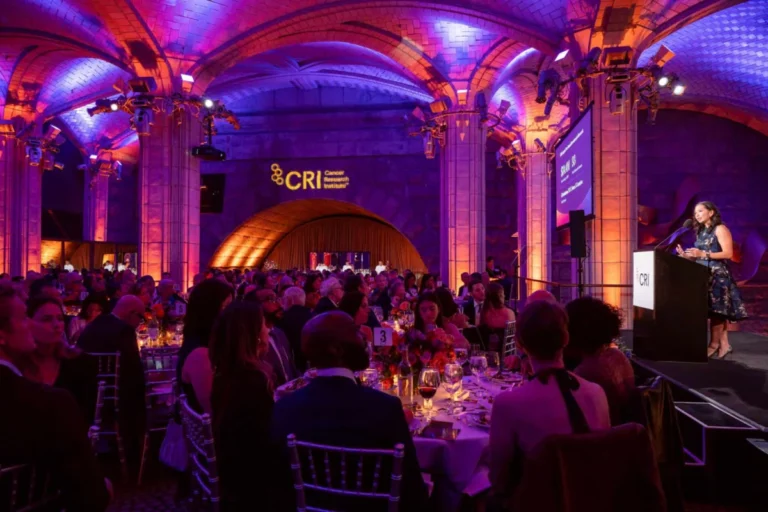











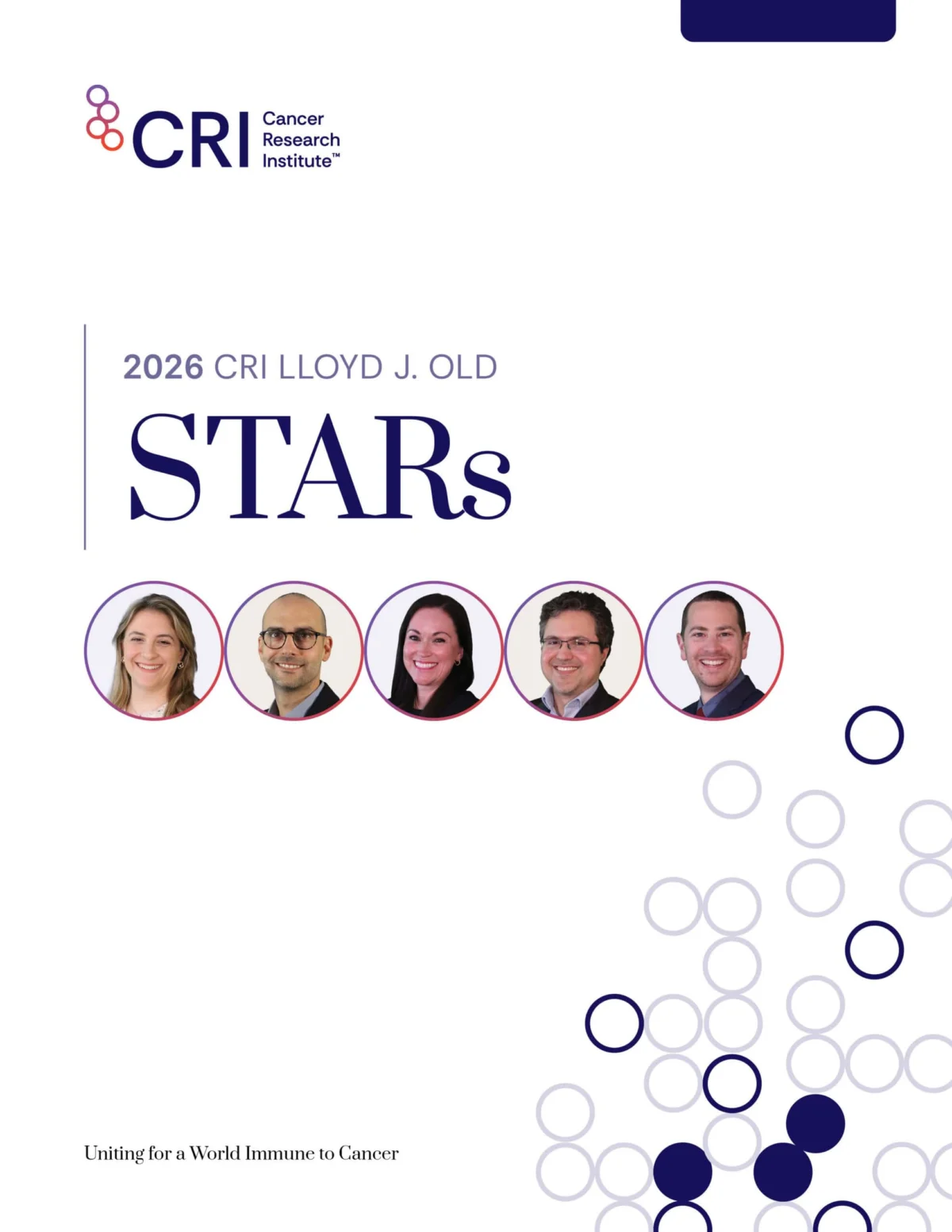
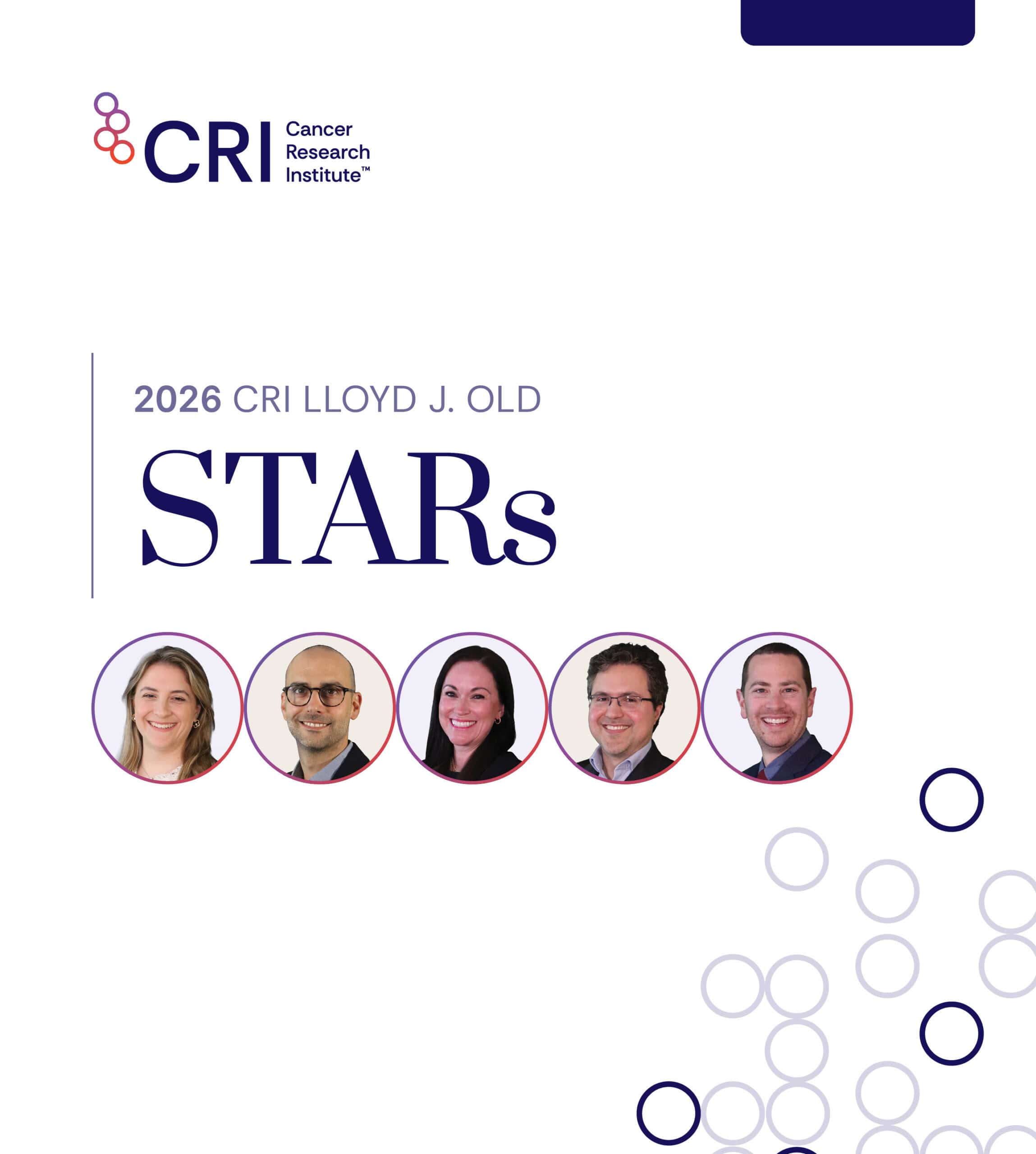
In the high-stakes world of oncology, where the margins between success and failure are measured in cellular signaling and immune evasion, the Cancer Research Institute (CRI) has once again stepped forward to provide the "jet fuel" necessary for scientific breakthroughs. The organization has officially announced its 2026 class of Lloyd J. Old STARs—an acronym for Scientists Taking Risks—a cohort of five visionary researchers poised to fundamentally reshape the landscape of cancer immunotherapy.
Each of these researchers has been awarded $1.25 million in flexible, unrestricted funding to be distributed over the next five years. This capital is intended to serve as a catalyst for high-risk, high-reward projects that, while potentially transformative, often struggle to find traditional grant support due to their ambitious and unconventional nature.
The Evolution of the Lloyd J. Old STAR Program
The Lloyd J. Old STAR program was established with a singular, audacious goal: to identify and nurture the most promising minds in the field of immunology before they reach their peak. By focusing on mid-career scientists—those who have already proven their mettle but are now ready to swing for the fences—the CRI is effectively betting on the future of medicine.
The program is named in honor of Dr. Lloyd J. Old, a pioneer in the field of tumor immunology whose work laid the bedrock for modern immunotherapy. Dr. Old believed that the most significant advancements in science often emerge from the fringes, where researchers dare to question the established paradigms of how the human immune system recognizes and destroys cancerous cells. The 2026 class honors this legacy by supporting investigators who are not merely incrementalists, but true disruptors.
The Philosophy of "Flexible Funding"
Unlike traditional federal grants, which are often strictly earmarked for specific, pre-defined experiments, the STAR award is remarkably flexible. This is a deliberate design choice by the CRI. The institute recognizes that science is non-linear. A project that shows promise in year one may require a radical pivot in year two based on emerging data or unexpected laboratory results.
By providing "no-strings-attached" capital, the CRI empowers these five scientists to pursue the truth wherever it leads, rather than feeling beholden to the constraints of a rigid grant application. This model encourages the kind of intellectual risk-taking that is necessary to tackle the most stubborn, treatment-resistant cancers.
Insights from CRI Leadership
The selection of the 2026 cohort was a rigorous process, involving a comprehensive review of the researchers’ track records, their proposed visions for the future, and their potential to influence the broader scientific community.
"These are people who are hitting their stride scientifically and career-wise, and this is where you really want to put some jet fuel in the tank," said E. John Wherry, PhD, Associate Director of the CRI’s Scientific Advisory Council. Dr. Wherry, a leading expert in T-cell exhaustion, understands the importance of providing researchers with the resources to pursue "crazy" ideas that, if proven successful, could turn the tide against metastatic disease.
Echoing this sentiment, Elizabeth Jaffee, MD, also an Associate Director at the CRI, highlighted the caliber of the selected cohort. "We’re picking people who are really our next leaders in the field of immunotherapy," Jaffee noted. "These are researchers who aren’t just asking the next logical question; they are asking the questions that could change the entire direction of how we treat patients."
The Chronology of an Immunotherapy Revolution
To understand the importance of the 2026 STAR awards, one must look at the chronology of immunotherapy’s rise.
- The Early Decades (1970s–1990s): The field of tumor immunology was largely dismissed by mainstream oncology as a "fringe" science. Dr. Lloyd J. Old remained one of the few voices arguing that the immune system could be harnessed to fight cancer.
- The Tipping Point (2010–2015): The approval of checkpoint inhibitors (such as anti-CTLA-4 and anti-PD-1 therapies) transformed the clinical reality. For the first time, patients with terminal diagnoses were achieving durable, long-term remission.
- The Current Era (2016–2025): Research shifted toward understanding why some patients respond while others do not. The focus turned to the tumor microenvironment, metabolic reprogramming, and combination therapies.
- The 2026 Frontier: The new class of STARs enters a field that is no longer asking if immunotherapy works, but how to make it work for everyone. Their research trajectories will likely focus on precision medicine, synthetic biology, and the integration of artificial intelligence in immunological mapping.
Why Risk is Essential in Modern Oncology
The history of medicine is a graveyard of "safe" research. While incremental progress is necessary for drug refinement, true innovation requires a willingness to fail. The current landscape of cancer research often forces scientists to play it safe to secure funding. By providing $1.25 million in flexible support, the CRI is explicitly encouraging these five scientists to step away from the "safe lane."
The implications of this funding are profound:
- Accelerating Discovery: By removing the administrative burden of grant reporting and budget-chasing, scientists can focus 100% of their energy on laboratory exploration.
- Fostering Collaboration: These STARs are now part of an elite network, enabling cross-pollination of ideas between different sub-disciplines of immunology.
- Long-Term Impact: The five-year horizon allows for multi-phase studies that would otherwise be impossible to sustain.
The Broader Implications for Patient Care
Ultimately, the goal of the Lloyd J. Old STAR program is patient outcomes. Cancer remains one of the leading causes of death worldwide, and despite the successes of immunotherapy, many patients still face significant hurdles, including treatment resistance, off-target toxicities, and the complexity of the tumor microenvironment.
The 2026 cohort is tasked with addressing these "unmet needs." Their research projects are expected to explore:
- Overcoming Resistance: Why do tumors "learn" to hide from immune cells that have been activated by therapy?
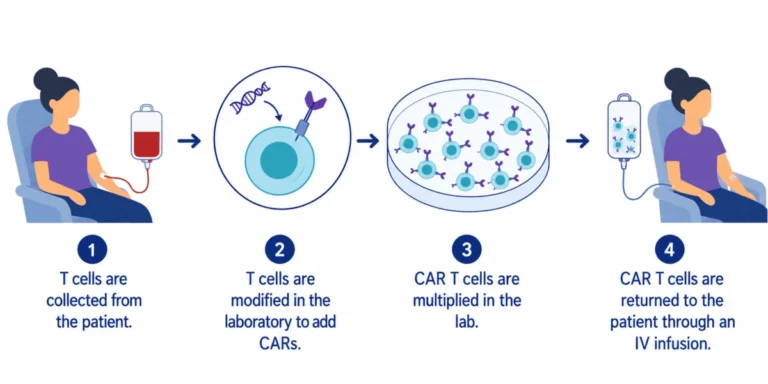
- T-Cell Engineering: Can we design "smarter" cells that can penetrate deeper into dense, solid tumors?
- Metabolic Interventions: How does the nutritional environment of a tumor impact its ability to suppress the immune system?
Looking Ahead: The Future of the STAR Program
As the 2026 class begins their five-year tenure, the scientific community will be watching closely. The success of these researchers will not be measured solely by the number of papers published in high-impact journals, but by the tangible advancements in therapeutic approaches that reach clinical trials.
The CRI’s commitment to these five scientists is a testament to the idea that the greatest asset in the fight against cancer is not a machine or a drug, but the human intellect. By empowering these five individuals, the Cancer Research Institute is ensuring that the momentum of the immunotherapy revolution does not stall, but rather accelerates into the next decade of discovery.
The 2026 Lloyd J. Old STARs are more than just grant recipients; they are the architects of the future. As they embark on their bold new projects, they carry with them the hope of millions of patients who are waiting for the next big breakthrough. Through risk, innovation, and unwavering persistence, the journey toward a world where cancer is a manageable—or even curable—condition continues.
Summary of the 2026 Vision
The 2026 class represents a diverse set of research interests, all unified by a commitment to the CRI’s mission. From genomic mapping to synthetic immunology, the work being done by these five scientists will likely define the oncology textbooks of the 2030s. As we witness their progress, we are reminded that the fight against cancer is not a sprint, but a marathon—one that requires bold, risky, and visionary leadership at every turn. The Lloyd J. Old STAR program remains the gold standard for how to support that leadership, ensuring that the best ideas always have the resources they need to thrive.