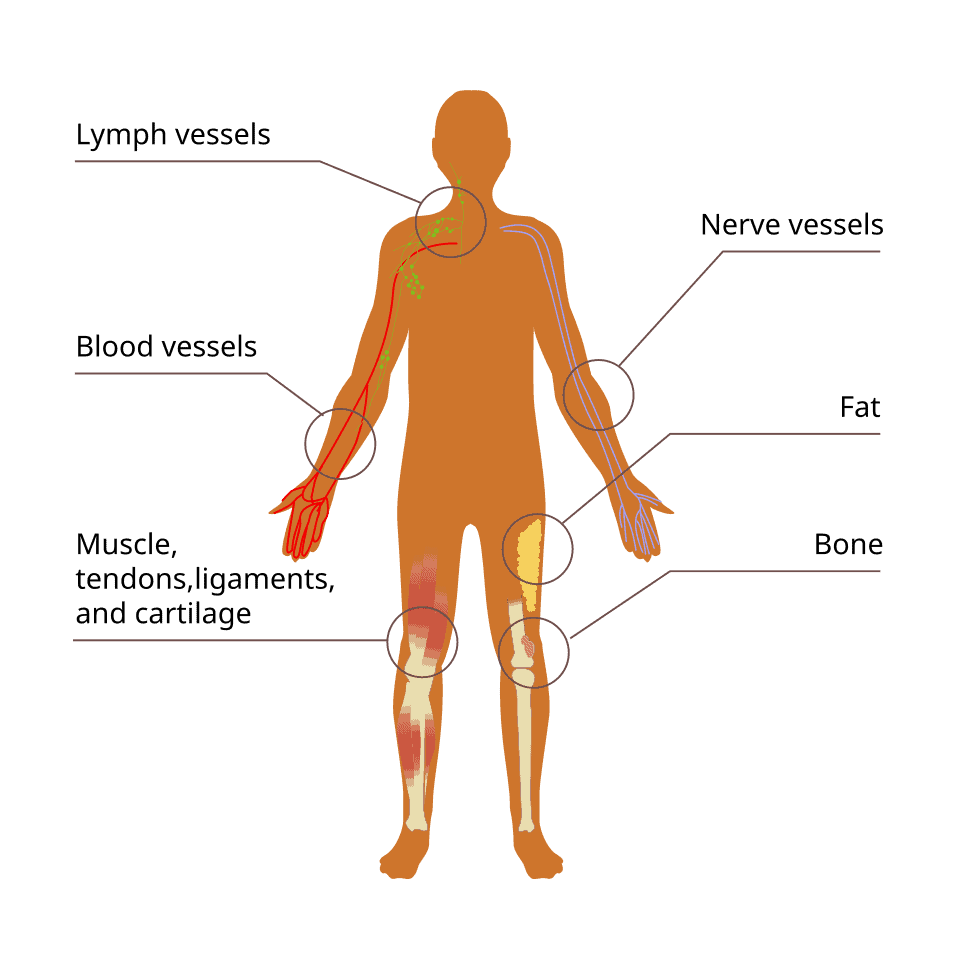
Sarcoma is a condition defined by its complexity and its rarity. Unlike carcinomas, which arise in the epithelial cells of organs like the lungs or colon, sarcomas originate in the body’s connective tissues—the scaffolding that holds us together. From the dense structures of bone and cartilage to the fluid networks of blood vessels and the elasticity of muscle and fat, sarcomas can emerge anywhere. Because they are so heterogeneous, encompassing more than 70 distinct subtypes, they present a daunting challenge to oncologists and patients alike.
For decades, the standard of care for these malignancies has relied on the "triad" of surgery, chemotherapy, and radiation. While these methods are effective for many, they are not a panacea. For patients with advanced, metastatic, or treatment-resistant disease, the prognosis has historically been grim. However, a seismic shift is occurring in the oncology landscape. Immunotherapy—the practice of harnessing the body’s own immune system to identify and eradicate malignant cells—is no longer just a theoretical hope; it is actively changing the narrative for some sarcoma patients. As we observe Sarcoma Awareness Month, it is essential to explore how this field is evolving from a fringe concept into a pillar of precision medicine.
The Nature of the Beast: Understanding Sarcoma
To understand why sarcoma is so difficult to treat, one must understand its biological diversity. The classification of sarcomas is broadly split into two categories: soft-tissue sarcomas and bone sarcomas.
Soft-tissue sarcomas can develop in fat (liposarcoma), muscle (leiomyosarcoma), or nerve sheaths (schwannoma), among others. Bone sarcomas, such as osteosarcoma or Ewing sarcoma, affect the skeletal structure directly. Because these tumors often develop deep within the body’s tissues, they frequently remain asymptomatic until they have reached a significant size.
Early Detection: The "Golf Ball" Rule
Clinical experts emphasize that early detection remains the most critical factor in successful outcomes. Patients are urged to be vigilant regarding any new, persistent, or enlarging lump. Specifically, any mass that is larger than a golf ball, is growing in size, or causes localized pain should be evaluated by a healthcare professional immediately. While the vast majority of such lumps are benign, the rarity of sarcoma means that physicians must maintain a high index of suspicion to ensure that if malignancy is present, it is caught at a treatable stage.
A Historical Perspective: The Legacy of Dr. William B. Coley
It is a profound irony that the field of cancer immunotherapy—often viewed as the cutting edge of modern science—finds its roots in the treatment of sarcoma over a century ago.
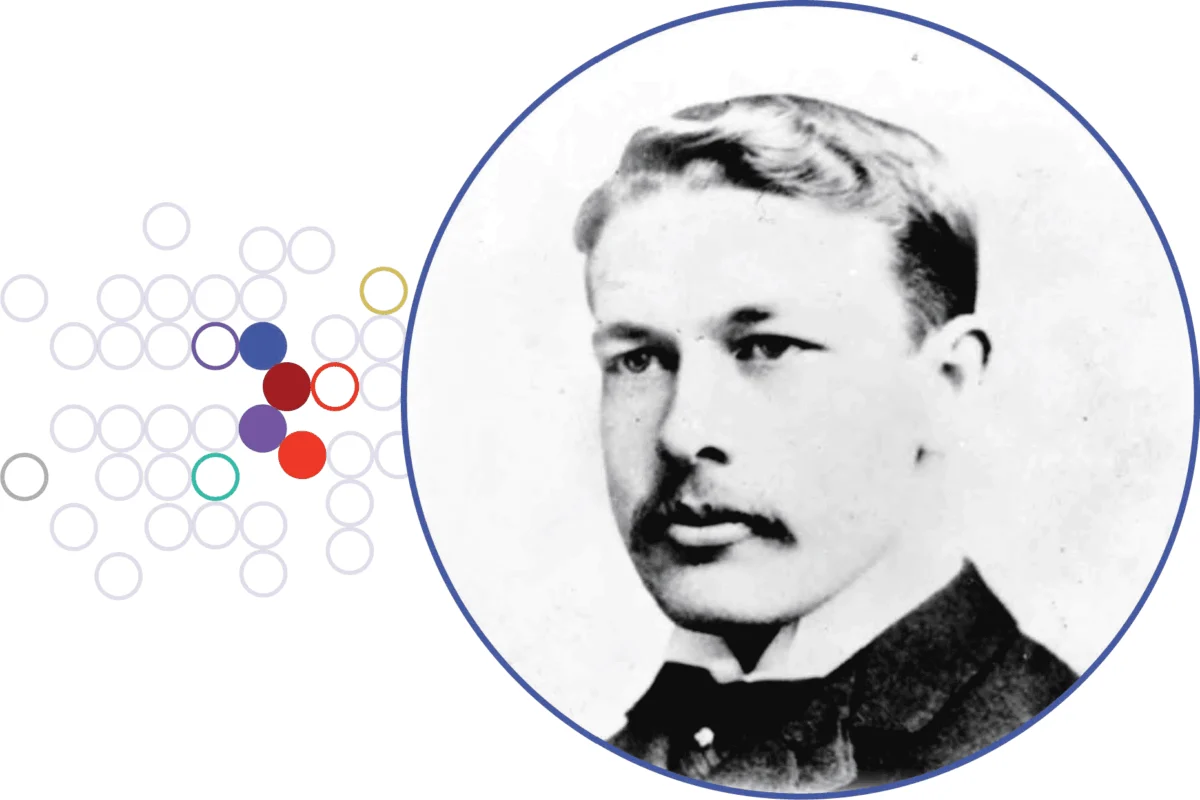
In the 1890s, Dr. William B. Coley, a surgeon at New York Cancer Hospital, noticed a peculiar phenomenon: a patient with an inoperable bone sarcoma experienced a miraculous tumor regression following a severe bacterial infection (erysipelas). Intrigued, Coley hypothesized that the patient’s immune system, once hyper-activated by the infection, had turned its gaze toward the tumor.
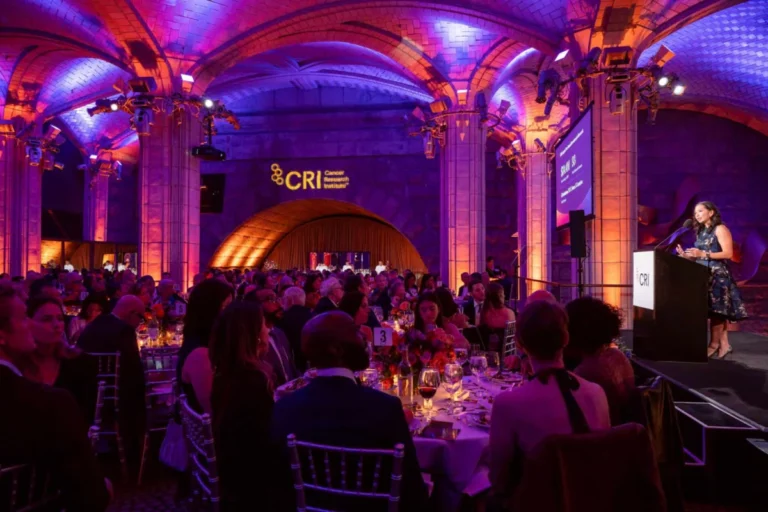
Coley spent the rest of his career developing what became known as "Coley’s Toxins"—a mixture of heat-killed bacteria designed to stimulate the immune system. While the science of the era lacked the precision to understand the complex pathways involved, his work laid the foundation for the modern field of immuno-oncology. In 1953, his daughter, Helen Coley Nauts, co-founded the Cancer Research Institute (CRI) to formalize this study, ensuring that the dream of "training the body to fight cancer" would eventually be realized.
Immunotherapy: Bridging the Gap in Sarcoma Care
Immunotherapy works by removing the "brakes" that cancer cells place on the immune system. Tumors are masters of disguise; they often express proteins that trick T-cells—the immune system’s primary defenders—into seeing them as healthy tissue. Immunotherapy drugs, such as checkpoint inhibitors, block these inhibitory signals, effectively "unmasking" the tumor and allowing the immune system to launch an attack.
The Challenge of Heterogeneity
Despite the success of immunotherapy in cancers like melanoma and lung cancer, sarcoma presents unique hurdles. Because sarcoma is not one disease but dozens of rare diseases, a treatment that triggers a robust response in one patient may prove entirely ineffective in another.
Currently, the FDA-approved use of immunotherapy for sarcoma is limited to specific subtypes or tumors that harbor certain genetic signatures, such as high tumor mutational burden (TMB) or microsatellite instability (MSI). For the majority of sarcoma patients, these therapies remain in the experimental phase.
Supporting Data: The Current Landscape of Clinical Trials
The current research trajectory is focused on moving beyond single-agent immunotherapy. Scientists are investigating "combination therapies" that use immunotherapy alongside traditional chemotherapy or radiation, or even with other biological agents that can sensitize the tumor microenvironment to immune attack.
Key Areas of Investigation:
- Checkpoint Inhibitor Combinations: Researchers are studying whether combining multiple types of checkpoint inhibitors (e.g., PD-1 and CTLA-4 blockers) can improve response rates in soft-tissue sarcomas.
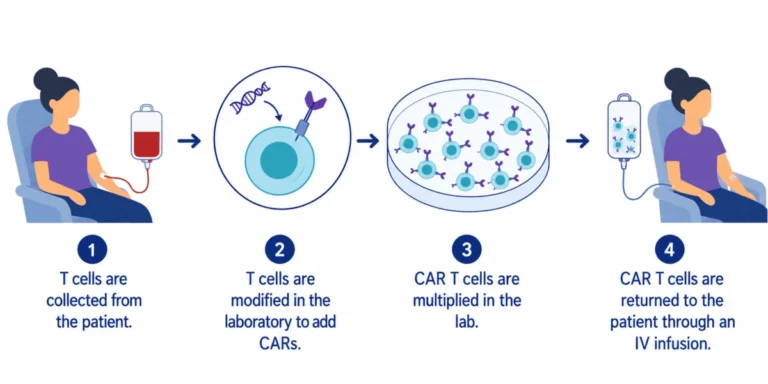
- CAR T-Cell Therapy: This involves extracting a patient’s T-cells, genetically engineering them to recognize specific antigens on sarcoma cells, and re-infusing them into the patient. While still in early phases, this "living drug" approach holds significant promise for bone-derived sarcomas.
- Oncolytic Viruses: These are engineered viruses that selectively infect and kill cancer cells while simultaneously alerting the immune system to the presence of the tumor.
- Tumor Microenvironment Modulation: New studies are looking at ways to change the "physical landscape" surrounding a tumor, which is often immunosuppressive, to allow immune cells better access to the malignant site.
Implications for Patients: Navigating the Journey
A diagnosis of sarcoma is inherently frightening due to its rarity and the lack of standardized, high-volume care centers. However, the paradigm is shifting. Patients are no longer passive recipients of treatment; they are active participants in their care plans.
Actionable Steps for Patients and Caregivers:
- Seek Specialized Centers: Sarcoma is best managed by multidisciplinary teams at specialized cancer centers that handle high volumes of these specific cases. Experience matters when dealing with such a complex group of diseases.
- Ask About Genomic Profiling: Understanding the genetic "map" of your specific tumor can determine if you are a candidate for targeted therapies or clinical trials that utilize immunotherapy.
- Explore Clinical Trials: Clinical trials are not just "last resorts"—they are the pathways to tomorrow’s standards of care. They offer access to innovative treatments that are not yet available to the general public.
- Build a Support Network: The emotional toll of a rare disease is significant. Engaging with advocacy groups and peer support networks can provide both practical resources and the psychological comfort of knowing you are not alone.
The Future: A New Era of Hope
While we have not yet arrived at a "cure-all" for sarcoma, the speed of progress in the last decade is unprecedented. The collaborative effort between basic researchers, clinical trialists, and patient advocates is shrinking the gap between laboratory discovery and bedside application.
The story of sarcoma is one of resilience. It is a field defined by a century of scientific curiosity, from Dr. Coley’s early observations to today’s high-tech genetic sequencing. As we look toward the future, the integration of immunotherapy into the sarcoma treatment toolkit offers a promising horizon. For the patient diagnosed today, these advancements mean that "what is possible" is being rewritten every single day.
For those currently navigating a sarcoma diagnosis, the message remains clear: demand clear information, seek experts who understand the nuances of your specific subtype, and remain hopeful. The landscape is changing, and for many, the future of treatment is being forged in the very research laboratories that are finally unlocking the secrets of the immune system.
Disclaimer: This article is for informational purposes only and does not constitute medical advice. Always consult with your oncologist or healthcare provider regarding specific treatment options, clinical trials, and your personal medical history.