For patients battling the most aggressive forms of blood cancer, a stem cell transplant is often the last line of defense—a high-stakes procedure that serves as the only potential cure. Yet, even when a transplant is successful, the specter of relapse remains a constant, harrowing threat. When cancer returns, the therapeutic landscape narrows significantly, leaving clinicians with few options that are both potent enough to eradicate the disease and safe enough for the patient to survive.
A groundbreaking clinical trial led by researchers at the Washington University School of Medicine in St. Louis may have fundamentally altered this narrative. By utilizing CRISPR gene-editing technology to modify donor stem cells before they are ever transplanted into a patient, scientists have created a "protected" blood system. This strategy effectively removes a specific protein from donor cells, creating a biological shield that allows future cancer therapies to hunt down malignant cells while leaving healthy, life-sustaining blood cells untouched.
The findings, recently published in Nature Medicine, represent a significant milestone in cellular immunotherapy, potentially unlocking the full power of targeted treatments that have previously been held back by their own lack of specificity.
The Core Challenge: The "Friendly Fire" Problem
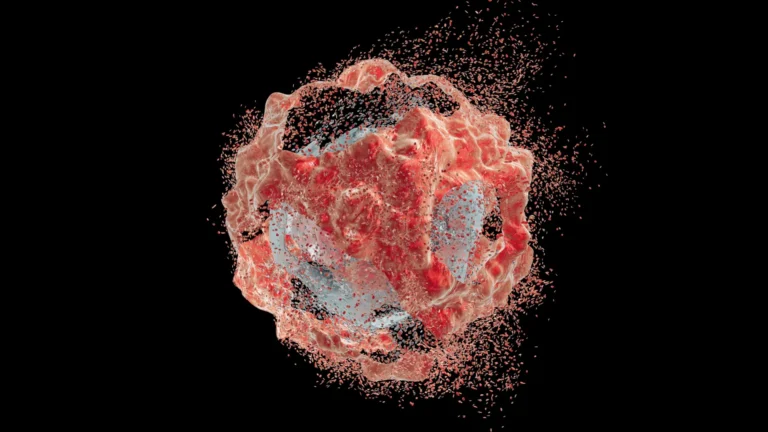
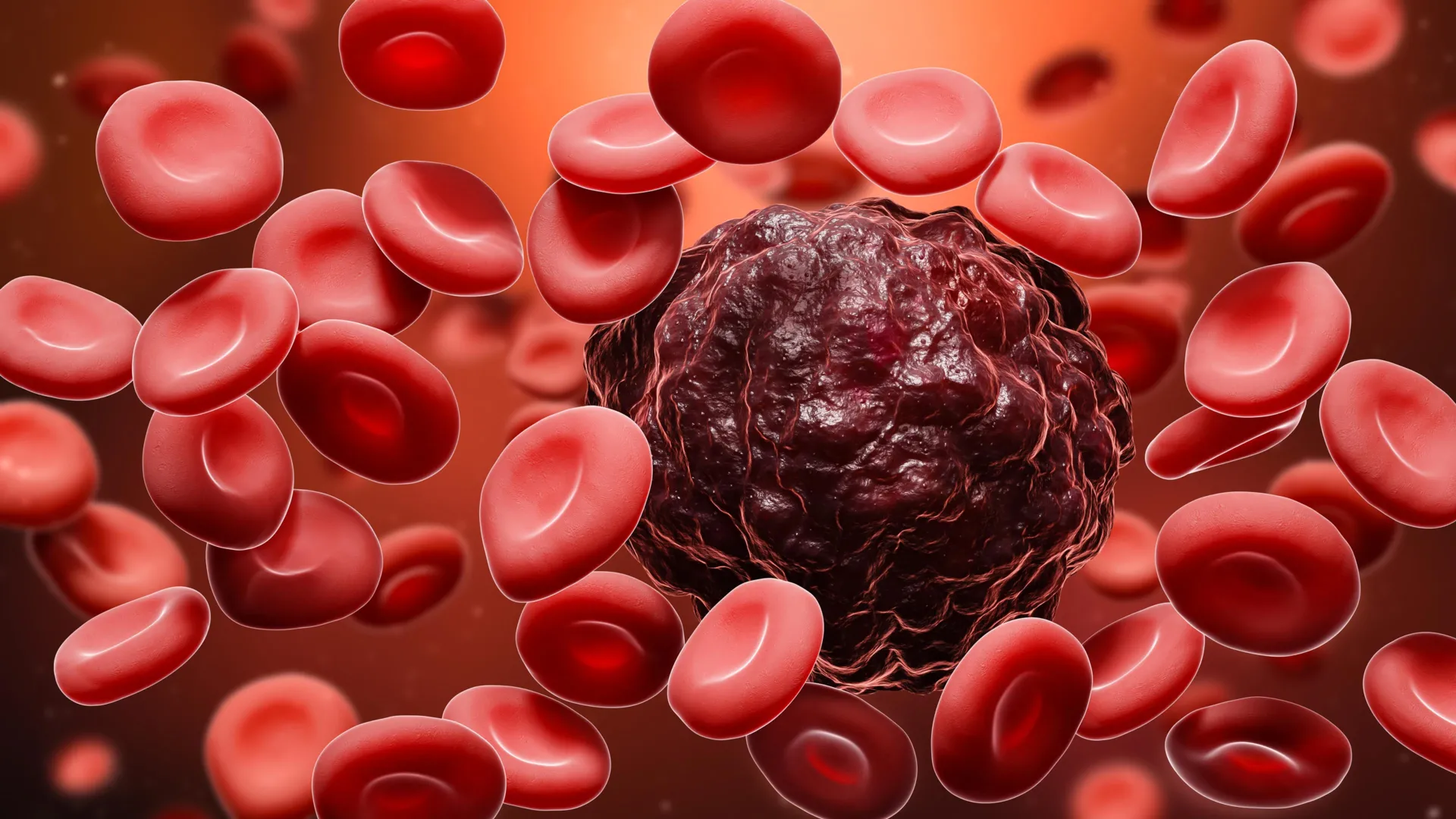
To understand the magnitude of this breakthrough, one must look at the limitations of modern CAR-T cell therapy. CAR-T (Chimeric Antigen Receptor T-cell) therapy has revolutionized the treatment of various cancers, turning the body’s own immune system into a precision-guided weapon. However, its application in acute myeloid leukemia (AML) and myelodysplastic syndrome (MDS) has been stifled by a biological paradox: the proteins that serve as "beacons" on the surface of cancer cells are often identical to those found on healthy, life-essential blood stem cells.
Dr. John F. DiPersio, the Virginia E. & Sam J. Golman Professor of Medicine at WashU Medicine and the corresponding author of the study, explains the clinical deadlock. "If CAR-T cells are programmed to attack one of these shared proteins, they will inevitably destroy the healthy blood stem cells along with the cancer," he notes.
This "friendly fire" is not merely a complication; it is a clinical catastrophe. The indiscriminate destruction of healthy cells triggers dangerous inflammatory responses and leaves the patient with no capacity to replenish their blood supply. Furthermore, when the CAR-T cells are forced to contend with healthy cells, their efficacy against the tumor is diluted—they are spread too thin, fighting a war on two fronts.
Chronology of Discovery: From Lab Bench to Clinical Reality
The conceptual foundation for this breakthrough was laid by Dr. Miriam Y. Kim, now an assistant professor of medicine at WashU Medicine. Dr. Kim began this research as a postdoctoral fellow at the University of Pennsylvania, continuing the work in Dr. DiPersio’s lab. Her objective was simple in theory but immense in execution: find a way to make healthy stem cells "invisible" to targeted cancer therapies.
The focus fell on CD33, a protein expressed on the surface of most AML and MDS cells. CD33 is an ideal target because it is limited to blood-forming cells and does not appear on other vital organs. Critically, data suggests that CD33 is not strictly necessary for human survival; individuals born with a natural deficiency in the protein do not exhibit adverse health outcomes.
The journey toward clinical validation followed a rigorous path:
- Pre-Clinical Development: Researchers used CRISPR-Cas9 to delete the CD33 gene from donor-derived stem cells, creating a cell product dubbed "trem-cel" (tremtelectogene empogeditemcel).
- The Phase 1/2 Trial: The study enrolled 30 adult patients with high-risk AML or MDS at 15 sites across the United States and Canada. These patients received a transplant of these modified cells.
- Proof of Concept (October 2025): In a landmark case study published in JCO Precision Oncology, a patient with high-risk AML received the modified transplant. When the cancer recurred, they were treated with CD33-targeted CAR-T cells. The patient entered complete remission and remained cancer-free for over a year, with the modified cells successfully establishing permanent residence in the bone marrow.
Supporting Data: Safety, Efficacy, and Engraftment
The primary concern for any gene-editing intervention is whether the "edited" cells can perform the basic biological tasks of their natural counterparts. In the clinical trial, the results were remarkably positive.
All 30 participants achieved successful engraftment—the process where transplanted stem cells migrate to the bone marrow and begin producing new blood—within 28 days. In fact, many patients saw the return of platelet production in as little as 16 days. These metrics are statistically comparable to standard, non-modified stem cell transplants, suggesting that the CRISPR editing process did not impair the fundamental viability of the stem cells.
To test the protective nature of the edited cells, researchers administered gemtuzumab ozogamicin—an antibody-drug conjugate that targets CD33—to 19 patients as a maintenance therapy. In standard transplants, this drug would typically decimate the patient’s healthy blood counts, leading to severe anemia and infection risk. In this trial, however, patients maintained their blood cell counts, providing the first human evidence that the genetic "shield" was holding firm.
The average survival rate for the study participants was 14 months. While seven patients passed away during the trial—four due to cancer progression and three due to transplant-related complications—the safety profile was deemed consistent with the high-risk nature of the underlying diseases and the standard risks associated with conventional transplantation.
Official Responses and Clinical Implications
The medical community has greeted the results with cautious optimism. Dr. DiPersio, who also directs WashU Medicine’s Center for Gene and Cellular Immunotherapy, views this as a foundational step toward a new era of cancer care.
"We are encouraged by the results showing that a CD33-deleted stem cell transplant looks very similar to the outcomes of standard stem cell transplantation," Dr. DiPersio stated. "In the future, we are hopeful we will be able to combine this with CD33-targeted immunotherapies, such as CAR-T cells, and truly improve treatment options for patients with these very aggressive blood cancers."
The implications are broad. By decoupling the "target" of the therapy from the "survival" of the blood system, oncologists could potentially utilize much higher doses of targeted therapies than are currently permissible. This approach could effectively turn a disease that was once considered a death sentence into a manageable—or even curable—condition.
The Path Forward: Refining the Shield
Despite the success, the researchers emphasize that this is only the beginning. The study, funded by Vor Biopharma—the developer of trem-cel—highlights the necessity of ongoing collaboration between industry and academia.
The next phase of research will likely focus on scaling these findings and refining the CRISPR editing process to ensure maximum safety. Researchers are also investigating whether this "shielding" strategy can be applied to other proteins. If scientists can successfully delete multiple "vulnerability" markers from donor cells, they could theoretically create a "super-transplant" that is resistant to an entire arsenal of aggressive immunotherapies.
As Dr. DiPersio and his team continue to monitor the long-term outcomes of the trial participants, the medical community watches with keen interest. The ability to edit the very blueprint of the human immune system to protect it from our own most potent treatments is no longer science fiction; it is the new frontier of hematology.
For patients who have exhausted all conventional avenues, the work at Siteman Cancer Center offers something more valuable than any single drug: the possibility of a future where aggressive cancer no longer necessitates the destruction of the very system required to survive it.
Disclaimer: This article is for informational purposes and does not constitute medical advice. Consult with a healthcare professional regarding clinical trials and cancer treatments.