










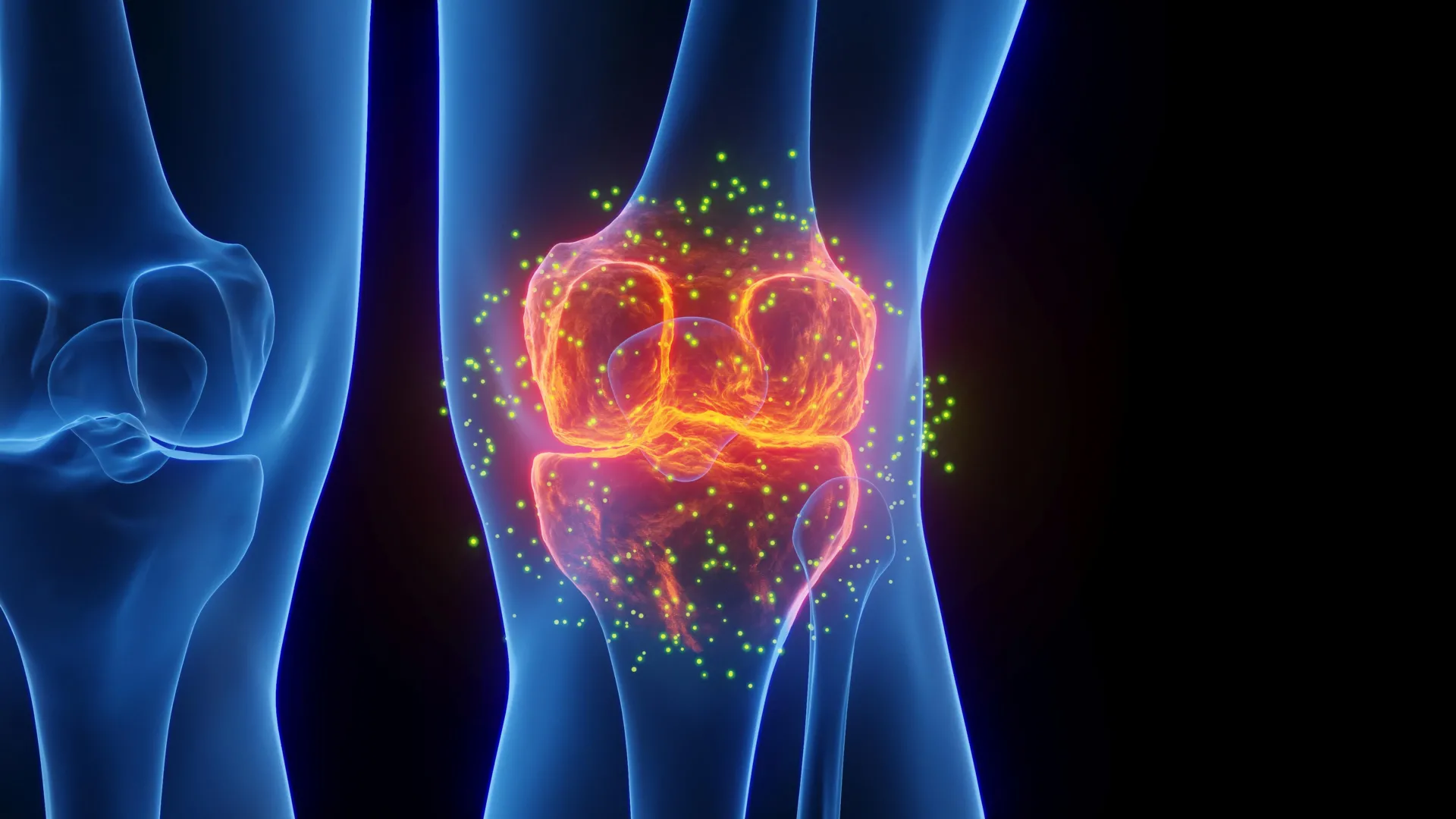
In the modern landscape of convenience, the grocery store shelf has transformed. What was once a collection of raw ingredients—grains, produce, and proteins—is now dominated by products engineered for shelf stability, immediate consumption, and intense palatability. A groundbreaking new study published in the journal Radiology suggests that this shift in our dietary habits may be exacting a quiet, invisible toll on our physical framework: the internal structure of our thigh muscles.
Researchers have identified a significant link between the consumption of ultra-processed foods (UPFs) and the accumulation of intramuscular fat—a condition that potentially elevates the risk of developing knee osteoarthritis. As the global population ages and the prevalence of chronic musculoskeletal conditions rises, this study offers a compelling argument that the quality of what we eat is as critical as the number of calories we consume.
The Core Findings: A Closer Look at Intramuscular Fat
The study, led by Dr. Zehra Akkaya of the University of California, San Francisco, utilized advanced imaging technology to peer into the composition of human muscle tissue. By analyzing MRI scans of 615 participants involved in the National Institutes of Health-sponsored Osteoarthritis Initiative, the research team found a direct correlation between high UPF intake and the presence of fat streaks within the thigh muscles.
This phenomenon, known as "fatty degeneration," sees muscle tissue lose its uniform density, replaced by adipose deposits that can impair muscle function and structural integrity. Crucially, this association remained statistically significant even after the researchers accounted for variables such as total calorie intake, fat consumption, physical activity levels, and various sociodemographic factors. In short, it is not just how much a person eats, but what they eat that appears to be altering their musculoskeletal health.
The Anatomy of Ultra-Processed Foods
To understand why these foods are uniquely damaging, one must first define what makes a food "ultra-processed." Unlike minimally processed items like frozen vegetables or canned beans, ultra-processed foods are industrial formulations. They are typically created by combining refined sugars, saturated fats, industrial oils, and starches with an array of synthetic additives—emulsifiers, artificial colors, and chemical flavor enhancers.
Common examples include:
- Breakfast Staples: Sugary cereals, mass-produced packaged breads, and instant pancake mixes.
- Convenience Meals: Frozen pizzas, instant noodles, and ready-to-heat packaged dinners.
- Snacks and Sweets: Candies, sweetened yogurts, packaged potato chips, and processed crackers.
- Beverages: Soft drinks, energy drinks, and heavily sweetened "juice" products.
These foods are engineered to trigger the brain’s reward centers, effectively mimicking the pleasure response of natural foods while lacking the satiety-inducing fiber and micronutrients found in whole-food diets. Dr. Akkaya notes that over the last several decades, as obesity and knee osteoarthritis rates have climbed, our diet has steadily shifted away from natural, nutrient-dense ingredients toward these chemically altered alternatives.
Chronology of the Research Initiative
The investigation into this dietary impact was structured within the framework of the Osteoarthritis Initiative, a massive, long-term research program dedicated to unraveling the mysteries of knee health.
Phase 1: Participant Selection
Researchers examined 615 individuals who, at the time of the initial analysis, showed no diagnostic signs of knee osteoarthritis on imaging. This was vital, as it allowed the researchers to look at the precursors to the disease rather than just the end-stage damage. The cohort consisted of 275 men and 340 women with an average age of 60.
Phase 2: Establishing the Baseline
At the start of the study, the average Body Mass Index (BMI) of the participants was 27, placing the group firmly in the "overweight" category. Dietary information was collected through rigorous assessments of food consumption over the previous year. The data revealed a startling trend: on average, 41% of the calories consumed by the participants came from ultra-processed sources.
Phase 3: The MRI Analysis
The researchers employed standard, non-enhanced MRI technology to evaluate the thigh muscles. This choice was intentional; by using widely available technology, the researchers ensured their findings could be easily translated into clinical practice without requiring expensive or exotic diagnostic tools. The images revealed that higher consumption of UPFs correlated with higher levels of fatty infiltration, independent of total caloric intake.
The Economic and Social Implications of Osteoarthritis
Osteoarthritis (OA) is not merely a "wear and tear" disease; it is a global health crisis. It is currently one of the leading causes of non-cancer-related healthcare expenditures in the United States and worldwide. As the population lives longer, the economic burden of managing joint pain, mobility issues, and surgical interventions—such as knee replacements—is expected to skyrocket.
Dr. Akkaya emphasizes that OA is deeply intertwined with lifestyle factors. Obesity has long been recognized as a primary risk factor due to the increased mechanical load on the joints. However, this study adds a new dimension to the conversation: the role of systemic inflammation and tissue composition. If diet directly influences the quality of the muscles surrounding the knee, then the traditional advice of "lose weight and exercise" may be insufficient if the quality of nutrition remains poor.
Expert Commentary: Redefining Weight Loss and Health
The implications of these findings suggest a paradigm shift in how clinicians approach joint health. Currently, standard treatments for patients at risk of osteoarthritis center almost exclusively on caloric restriction and physical therapy. While these are still essential, Dr. Akkaya suggests they are incomplete.
"Addressing obesity is a primary objective and frontline treatment for knee osteoarthritis," Dr. Akkaya stated. "Yet, the findings from this research emphasize that dietary quality warrants greater attention, and weight loss regimens should take into account diet quality beyond caloric restriction and exercise."
By ignoring the chemical composition of food, we may be missing a key lever in preventing disease. If ultra-processed foods promote fatty degeneration in muscles, then a calorie-restricted diet composed of ultra-processed food might still result in poor muscle quality, even if the patient achieves a lower BMI. This challenges the "calories in, calories out" model that has dominated nutritional advice for decades.
Why Muscle Quality Matters
Why does it matter if there is fat inside a thigh muscle? Muscles are the engines of the body. They provide stability to the joints and absorb the impact of movement. When muscle fibers are infiltrated by fat, their contractile strength and functional capacity are compromised.
For the knee joint, which relies heavily on the quadriceps and surrounding musculature for support, any decline in muscle quality directly increases the stress on the joint cartilage. Over time, this mechanical instability acts as a precursor to the erosive process of osteoarthritis. By preserving muscle quality through a cleaner, whole-food-based diet, individuals may be able to protect their joints far more effectively than they could through exercise alone.
Future Directions and Clinical Utility
One of the most promising aspects of this study is its accessibility. The use of routine MRI scans means that clinicians could theoretically monitor "muscle quality" in patients at risk of osteoarthritis during standard check-ups.
As the medical community continues to collect data, researchers are now looking toward larger, more diverse cohorts to confirm these findings. Future studies are expected to explore whether transitioning away from ultra-processed foods can actually reverse fatty degeneration in the muscles, or if the process is largely irreversible.
For now, the message to the public is clear: the modern convenience of ultra-processed food comes with a hidden biological tax. As we look for ways to combat the rising tide of chronic disease, the simple act of choosing a whole apple over a packaged snack or a home-cooked meal over a frozen dinner may be one of the most effective strategies for long-term musculoskeletal health.
In conclusion, this research marks a critical step forward in understanding the nexus between nutrition, body composition, and physical longevity. It serves as a reminder that the body is a complex biological system, not a calculator, and that the quality of the fuel we provide it dictates the integrity of the structures that keep us moving through life.