
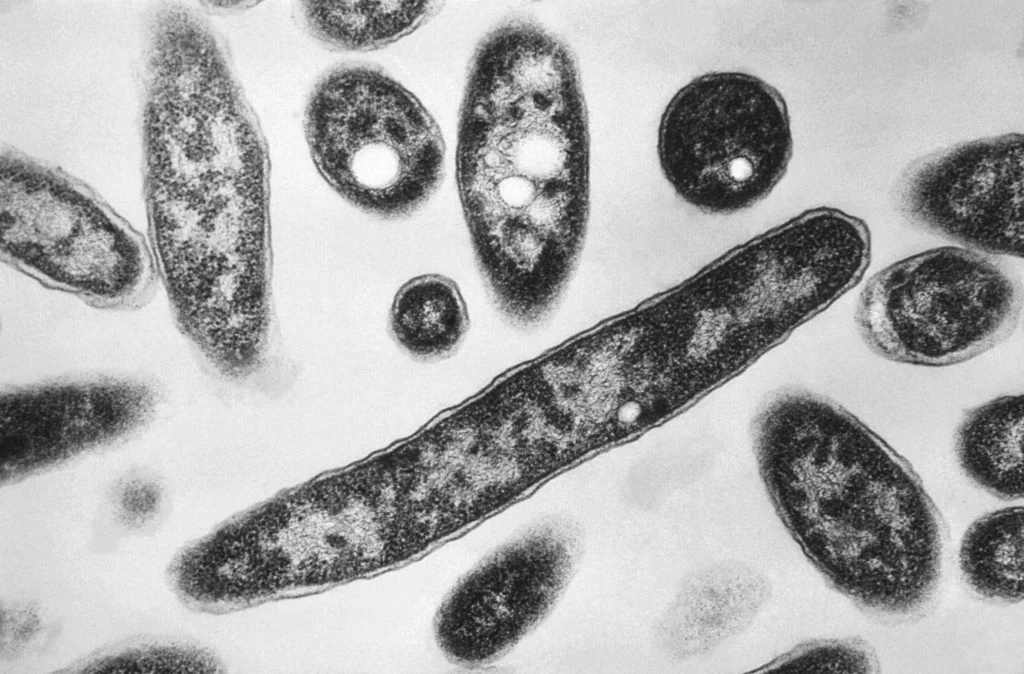
NEW YORK — The New York City Department of Health and Mental Hygiene confirmed on Saturday that a second individual has succumbed to complications stemming from a Legionnaires’ disease outbreak centered on Manhattan’s affluent Upper East Side. This grim development marks a significant escalation in the ongoing public health challenge, as the total number of confirmed infections has now climbed to 72.
The outbreak, which has gripped the neighborhood for several weeks, has prompted a massive mobilization of city health inspectors and environmental experts. As the city works to sanitize the area’s infrastructure, the focus remains on the microscopic but lethal Legionella bacteria, which has once again proven that even the most modern urban centers are vulnerable to ancient biological threats.
The Facts of the Outbreak
Legionnaires’ disease is a severe, often debilitating form of pneumonia caused by the Legionella bacterium. Unlike many other infectious diseases, it is not transmitted from person to person. Instead, individuals contract the illness by inhaling aerosolized water droplets—often in the form of fine mist or vapor—that contain the bacteria. These droplets are frequently dispersed into the environment via the cooling towers of large-scale building air conditioning systems, industrial water systems, or decorative fountains.
The current cluster in Manhattan has been characterized by a rapid surge in cases. Health officials have noted that while 72 individuals have been confirmed positive, the actual number of exposures may be higher, as many mild cases may go unreported. The demographic and geographic concentration of the cases suggests a localized environmental source, though the exact epicenters remain a subject of rigorous investigation.
Chronology of the Crisis
The timeline of this outbreak highlights the difficulty of tracking a disease that often presents symptoms similar to the common flu or standard pneumonia.
- Initial Detection: Health officials first identified an unusual cluster of respiratory illnesses on the Upper East Side, triggering an immediate epidemiological investigation.
- The First Casualty: On Friday, the city announced the first fatality related to the outbreak, a sobering reminder of the lethality associated with Legionella.
- The Second Casualty: Just 24 hours later, on Saturday, the Health Department confirmed the second death, intensifying the public’s anxiety and the pressure on city officials.
- Containment Efforts: Throughout the week, the city mandated that property owners with cooling towers in the affected area perform immediate testing, drainage, and disinfection. Several high-profile sites, including the Guggenheim Museum, were identified as having systems that tested positive for the presence of the bacteria, necessitating immediate corrective actions.
- Current Status: As of this weekend, health officials report a "sustained decline" in new cases. This data point is being interpreted by the Health Department as a strong indicator that the primary source of environmental exposure has been successfully identified and neutralized.
Supporting Data and Medical Context
According to the U.S. Centers for Disease Control and Prevention (CDC), Legionella thrives in warm, stagnant water—environments often found in the cooling systems of large buildings that have not been properly maintained or treated with biocides.
Understanding the Risks
The disease is notoriously difficult to diagnose in its early stages. Symptoms include high fever, chills, cough, muscle aches, and headaches. While the disease is treatable with antibiotics, it carries a significant mortality rate. The CDC estimates that approximately 10% of those who contract Legionnaires’ disease will die from complications, a figure that underscores the necessity of rapid medical intervention.
Historical Context in NYC
New York City has struggled with Legionnaires’ outbreaks in the past, leading to stringent oversight of cooling towers. The most notable recent event occurred just last year in the Harlem neighborhood. That outbreak resulted in seven deaths and over 100 documented illnesses. The recurring nature of these incidents has forced the city to implement some of the most rigorous building-water safety regulations in the nation, yet the complexity of cooling systems in older, dense Manhattan architecture remains a persistent challenge.
Official Responses and Public Health Strategy
In the wake of the second death, New York City Health Commissioner Dr. Alister F. Martin issued a formal statement expressing the city’s grief and reaffirming its commitment to public safety.
"We are heartbroken to learn that another New Yorker has lost their life to Legionnaires’ disease on the Upper East Side," Dr. Martin stated. "Our deepest condolences are with their loved ones as they grieve. Our teams are working around the clock to ensure that all potential sources of this bacteria are addressed and that the public is kept informed."
The Regulatory Response
The Health Department’s strategy has been aggressive. Inspectors are currently cross-referencing patient movement logs with the locations of registered cooling towers. When a tower tests positive, the building owner is legally required to:
- Cease operations: Immediately shut down the cooling system.
- Disinfect: Perform a deep chemical cleaning of the system to eradicate all Legionella colonies.
- Retest: Provide proof of negative test results before the system is permitted to be restarted.
Implications for Urban Infrastructure
This outbreak serves as a stark reminder of the hidden risks inherent in urban infrastructure. In a city like New York, where millions of people live, work, and commute in close proximity to massive cooling systems, the maintenance of building utilities is a matter of life and death.
The Challenge of Aging Architecture
Many of Manhattan’s buildings are decades, if not over a century, old. Retrofitting these structures with modern, easy-to-clean water management systems is a logistical and financial hurdle for property managers. Furthermore, the heat island effect—where cities become significantly warmer than their rural surroundings—increases the reliance on air conditioning, thereby increasing the prevalence of cooling towers that can become incubators for Legionella.
Future Prevention
Moving forward, public health experts are calling for:
- Enhanced Surveillance: Real-time monitoring of water quality in cooling towers.
- Strict Compliance: Stiffer penalties for building owners who fail to follow mandatory maintenance schedules.
- Public Awareness: Educating building managers and the public about the importance of identifying and reporting symptoms early.
As the city enters the final stages of containing this specific outbreak, the focus will likely shift from emergency response to a long-term review of whether current regulations are sufficient to handle the demands of a changing climate and aging infrastructure. For the residents of the Upper East Side, the immediate threat may be subsiding, but the psychological impact of the outbreak—and the call for greater transparency in building safety—will continue to resonate for some time.
The New York City Health Department continues to urge anyone experiencing severe respiratory symptoms to seek medical attention immediately, ensuring that they inform their physician of their potential exposure to the ongoing outbreak.