








For over two millennia, the medical community has operated under a singular, aggressive philosophy: find the tumor and destroy it. From the cauterization techniques of the ancient Greeks to the modern-day barrage of high-dose chemotherapy, radiotherapy, and precision immunotherapy, the primary goal of oncology has been the eradication of malignant cells. However, a growing cohort of researchers is beginning to challenge the efficacy of this "scorched-earth" approach.
What if the secret to curing cancer lies not in the brute-force destruction of tumors, but in the sophisticated art of coaxing them into a state of healing? This provocative question is the foundation of a paradigm-shifting study led by Professor Indraneel Mittra at the Advanced Centre for Treatment, Research and Education in Cancer (ACTREC) in Mumbai, India. By viewing cancer as a "wound that never heals," researchers are exploring whether we can redirect malignant cells toward a benign, manageable existence.
The Concept: Cancer as a Perpetual Wound
The theoretical framework for this study traces back to 1986, when Dr. Harold Dvorak published a landmark article in the New England Journal of Medicine. Dvorak famously posited that tumors share an uncanny biological resemblance to chronic, non-healing wounds. Both environments are characterized by localized inflammation, the recruitment of immune cells, and the constant remodeling of the surrounding tissue architecture.
Professor Mittra, the Dr. Ernest Borges Chair in Translational Research and Professor Emeritus at ACTREC, has spent years expanding upon this hypothesis. He argues that the traditional strategy—bombarding a tumor with toxins—often triggers a chaotic biological response. When cancer cells are killed rapidly by chemotherapy or radiation, they often disintegrate in a way that fuels further malignancy. Instead, Mittra suggests that medicine should focus on inducing a "healed" state, effectively taming the tumor rather than annihilating it.
The Glioblastoma Challenge: A Clinical Test
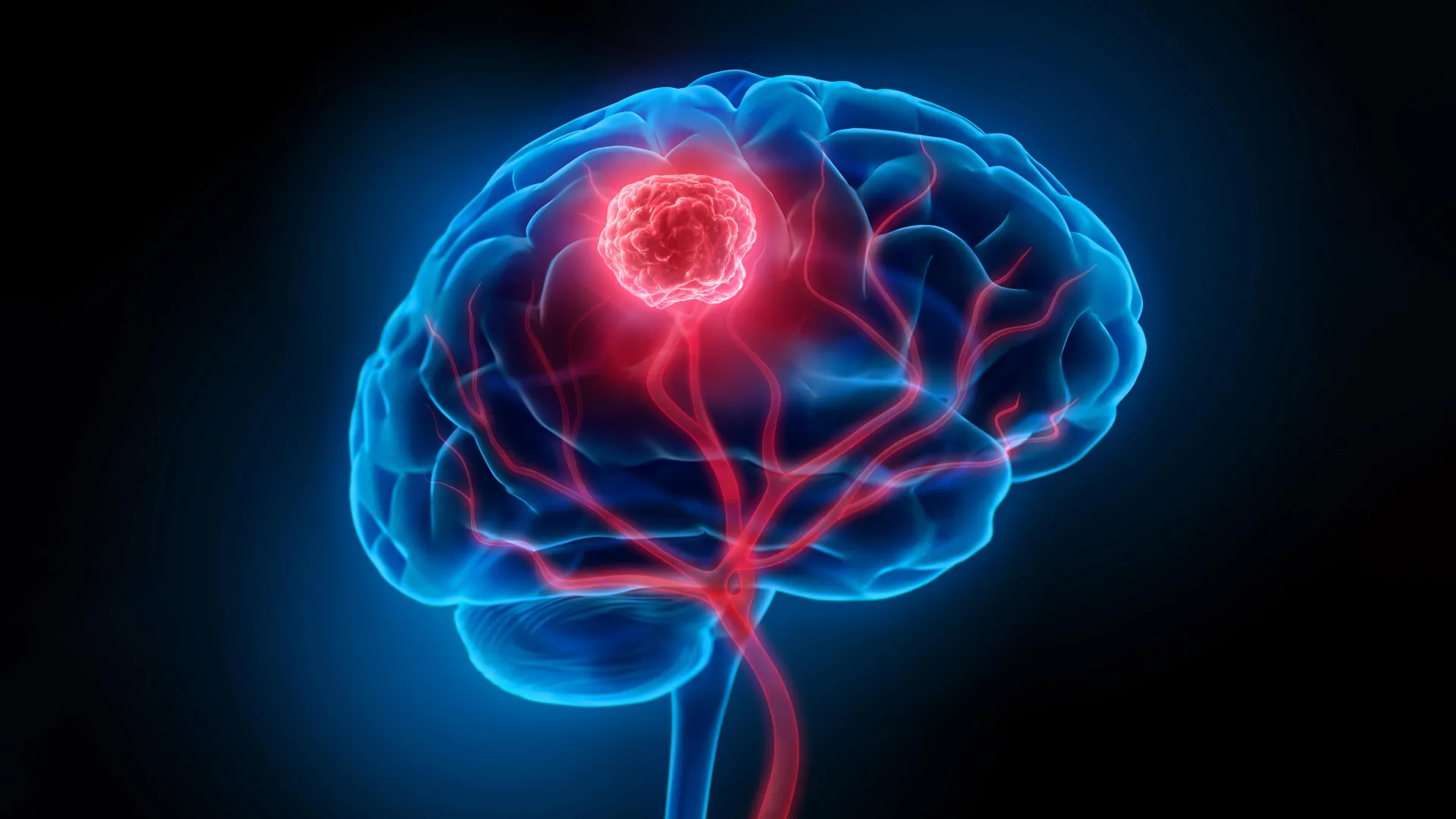
To test this revolutionary hypothesis, Mittra’s team turned their attention to one of the most formidable adversaries in oncology: glioblastoma. This fast-growing, highly aggressive brain tumor remains one of the most difficult cancers to treat. Despite the integration of surgery, chemotherapy, and radiotherapy, the median survival time for patients remains a sobering 15 months.
In a recent study published in BJC Reports, researchers enrolled ten glioblastoma patients for a novel pilot study. Rather than administering toxic chemical compounds, the team utilized a simple, low-cost combination of two nutraceuticals: resveratrol and copper.
The Chronology of the Study
- The Intervention: Ten patients were administered a tablet containing small, specific doses of resveratrol and copper. This regimen was followed four times a day for an average of 11.6 days leading up to their scheduled brain surgery.
- The Control: A control group of ten patients with similarly aggressive tumors underwent standard pre-surgical care without the nutraceutical intervention.
- Data Collection: During the surgical procedures, tissue samples were harvested from both groups.
- Analysis: The samples underwent rigorous diagnostic scrutiny, including advanced microscopy, immune-staining, immunofluorescence, and transcriptome analysis to map the molecular differences between the two cohorts.
Supporting Data: Dramatic Cellular Shifts
The results of the analysis were, by all accounts, striking. The researchers observed that the nutraceutical intervention had fundamentally altered the tumor biology, shifting key markers toward a favorable, less aggressive profile.
Crucially, the patients reported no adverse side effects, marking a significant departure from the debilitating toxicities often associated with conventional cancer treatments. The study suggested that the combination of resveratrol and copper was not only well-tolerated but biologically active at the site of the tumor.
The Role of Cell-Free Chromatin Particles (cfChPs)
To understand why this "gentle" strategy worked, the team examined the mechanism of cell-free chromatin particles (cfChPs). These are fragments of DNA that are shed by dying cancer cells. When these fragments circulate in the body, they can infiltrate surrounding tissue and, paradoxically, trigger inflammation in surviving cancer cells. This inflammatory state makes the cancer more aggressive and resistant to therapy.
Mittra’s research identified that:
- Untreated Tumors: Tissue samples from the control group showed an abundance of cfChPs, indicating a high level of inflammatory activity.
- Treated Tumors: In the group receiving the resveratrol-copper tablets, cfChPs were almost entirely absent.
The tablets appear to generate oxygen radicals that deactivate or destroy these cfChP fragments. By clearing the environment of these DNA "debris," the researchers effectively silenced the inflammatory signal that fuels tumor growth. "If you eliminate the cell-free chromatin," Mittra explains, "the cancer is subdued."
Immune Checkpoints and Economic Accessibility
One of the most compelling aspects of the study involves immune checkpoints—proteins that regulate the immune system’s response. In recent years, immune checkpoint inhibitors have revolutionized cancer care, but they come with two significant barriers: exorbitant costs and the potential for severe, immune-related side effects.
The findings from the ACTREC team indicate that the resveratrol-copper combination successfully downregulated multiple immune checkpoints. This suggests that a simple, inexpensive nutraceutical could potentially achieve therapeutic results comparable to high-cost pharmaceuticals. If replicated in larger trials, this could democratize access to advanced cancer management, providing a non-toxic, affordable alternative for patients worldwide.
Implications for the Future of Oncology
Professor Mittra is clear about the limitations of his current work: "Of course, the number of patients in this study was rather small. However, the results were so striking that I’d fully expect them to be replicated in a larger sample of patients."
The implications of this research extend far beyond glioblastoma. If tumors can be transitioned into a benign, "healed" state, the standard of care for a wide range of solid tumors could be fundamentally rewritten. This is not merely an improvement on existing methods; it is a conceptual departure from the "war on cancer" that has dominated medical history for 2,500 years.
A Call for a New Perspective
"We have been trying to kill cancer cells for 2,500 years, since the time of the ancient Greeks, without success," Mittra notes. "Maybe it is time to look at cancer treatment differently and work towards healing tumors, rather than annihilating them."
The shift from destruction to healing represents a profound philosophical change in medicine. It prioritizes the preservation of the patient’s quality of life and the biological stabilization of the disease. While the medical establishment is notoriously slow to adopt radical shifts, the data from the ACTREC study provides a compelling roadmap for future clinical trials.
Conclusion: A New Era of Cancer Research?
The study, supported by the Department of Atomic Energy, Government of India, serves as a beacon of potential in a field often characterized by high-stakes, high-cost failures. By proving that low-cost nutraceuticals can effectively neutralize the inflammatory mechanisms that drive tumor aggression, Professor Mittra has opened a new door.
As the scientific community looks toward the next phase of research—likely involving larger, multi-center trials—the focus remains on whether this "gentle" strategy can indeed turn the tide against some of the deadliest cancers known to man. If the hypothesis holds, the future of oncology may look less like a battlefield and more like a recovery ward, where the focus is on restoration rather than ruin. We may indeed be on the brink of a transformation in how we treat, manage, and perhaps eventually, peacefully live with cancer.