
By Elise Reuter | Published May 19, 2026
The medical technology landscape experienced a significant shift in corporate governance this week, as two industry giants—Medtronic and Becton, Dickinson and Company (BD)—announced pivotal leadership changes. The strategic appointments, both effective June 1, 2026, signal a focus on long-term growth and operational continuity for both organizations as they navigate an increasingly complex global healthcare market.
Main Facts: A Dual Leadership Transition
In a series of coordinated announcements on Monday, May 18, 2026, Medtronic and BD unveiled major additions to their executive suites.
Medtronic confirmed the promotion of Kweli Thompson, currently the president of the company’s cardiac rhythm management business, to the role of president of its neuroscience portfolio. Thompson will step into this expanded mandate at the start of next month, succeeding Brett Wall, who has led the neuroscience division for several years.
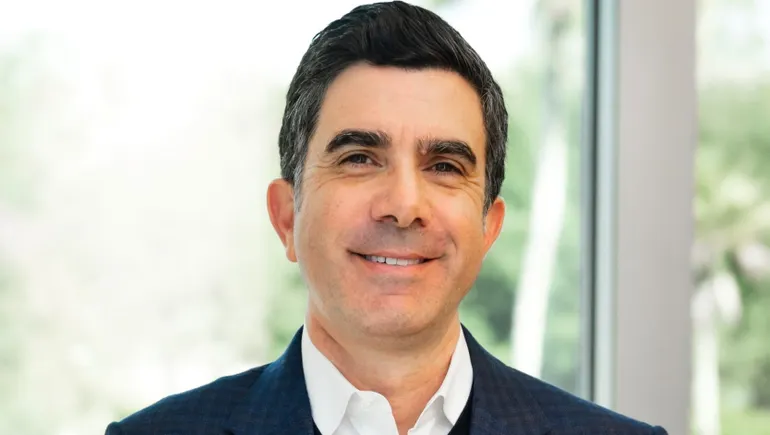
Simultaneously, BD announced that Peter Menziuso, a seasoned veteran of the medical device industry formerly associated with Johnson & Johnson Vision, will join the company as the new president of its interventional business. Menziuso’s appointment is aimed at fortifying one of BD’s most robust growth engines, following a strong fiscal performance in the early months of 2026.
Chronology of the Transitions
The transition process for both executives involves carefully managed handovers designed to minimize disruption to ongoing operations.
The Medtronic Succession Timeline
- May 18, 2026: Medtronic formally files the leadership change with the Securities and Exchange Commission (SEC), confirming Kweli Thompson’s promotion and the planned departure of Brett Wall.
- June 1, 2026: Thompson officially assumes the presidency of the neuroscience portfolio.
- July 2026: A secondary shift occurs as Brett Wall resigns from the board of directors at MiniMed, Medtronic’s diabetes spinoff. Simultaneously, Scott Cundy, Medtronic’s chief quality, development, and innovation officer, joins the MiniMed board to provide continuity and oversight.
- September 1, 2026: Brett Wall’s formal tenure with the company concludes. Until this date, Wall will remain with Medtronic to assist in the leadership transition, ensuring that ongoing clinical trials and neuroscience research initiatives remain on track.
The BD Integration Schedule
- May 18, 2026: BD announces the appointment of Peter Menziuso as Executive Vice President and President of the Interventional segment.
- June 1, 2026: Menziuso begins his official duties, bringing with him over three decades of global healthcare management experience.
- Q3 2026: Menziuso is expected to begin implementing his strategic roadmap for the interventional business, focusing on the integration of existing product lines with new R&D initiatives.
Supporting Data: Analyzing the Business Context
To understand the weight of these appointments, one must examine the financial health and market positioning of the divisions being handed over to new leadership.
Medtronic’s Neuroscience Portfolio
Medtronic’s neuroscience portfolio represents one of the most innovative corners of the company, covering deep brain stimulation, spine implants, and neurovascular technologies. The division has been a consistent revenue driver, though it operates in a high-stakes environment where regulatory approval timelines and surgical adoption rates are critical. Kweli Thompson’s transition from cardiac rhythm management—a high-volume, high-precision business—suggests that Medtronic is prioritizing operational excellence and scaling efficiency for its neuro-technologies.
The Growth of BD’s Interventional Business
BD’s interventional segment is a cornerstone of its broader medical portfolio. According to the company’s second-quarter fiscal 2026 financial results (period ending March 31, 2026), the interventional business reported $1.36 billion in revenue. This represents a robust 7.3% year-over-year growth rate.
The business encompasses critical medical categories, including:
- Peripheral Vascular Disease: Solutions for complex arterial and venous conditions.
- Surgery: Advanced instrumentation and hernia repair technologies.
- Urology and Critical Care: Essential disposables and diagnostic tools.
Peter Menziuso inherits a segment that is already performing well, with his primary mandate likely focused on sustaining this momentum while navigating global supply chain pressures and the integration of next-generation surgical robotics.
Official Responses and Executive Profiles
The reactions from corporate leadership emphasize a theme of strategic continuity.

The Perspective from BD
BD CEO Tom Polen expressed significant optimism regarding Menziuso’s arrival. In a statement released on Monday, Polen highlighted Menziuso’s "combination of strategic leadership and operational discipline."
Menziuso’s background at Johnson & Johnson Vision—where he managed a $5 billion business unit—provides him with the specific experience required to manage a diverse, global portfolio. His oversight at J&J included the full spectrum of the product lifecycle: research and development, supply chain optimization, and commercial operations. "His track record in leading global teams through complex market cycles makes him the ideal choice to steward our interventional business into its next phase," Polen noted.
The Perspective from Medtronic
Medtronic’s decision to tap Kweli Thompson reflects an internal "bench strength" strategy. By promoting a current high-level executive rather than seeking an external hire, Medtronic is opting for cultural continuity. The transition from cardiac rhythm management to neuroscience is viewed as a natural progression for a leader who has demonstrated proficiency in navigating the stringent regulatory requirements of medical devices.
The transition also highlights the changing dynamics of Medtronic’s relationship with MiniMed. By moving Scott Cundy—the company’s top officer for quality and innovation—to the MiniMed board, Medtronic is signaling a commitment to the long-term success and regulatory compliance of its diabetes spinoff, ensuring that the innovation pipeline remains aligned with the parent company’s high standards.
Implications: What This Means for the Industry
The leadership changes at these two titans have broader implications for the medtech sector, which is currently undergoing a period of intense transformation.
1. The Shift Toward Integrated Care
Both Medtronic and BD are increasingly positioning themselves as providers of "total care solutions" rather than just individual medical devices. For Thompson, this means ensuring that Medtronic’s neuroscience implants work seamlessly with their digital monitoring platforms. For Menziuso, it means leveraging BD’s interventional portfolio to offer hospital systems comprehensive solutions that reduce readmission rates and improve patient outcomes.

2. The Focus on Global Operational Resilience
The global supply chain for medical devices remains strained by geopolitical tensions and logistical complexities. Both executives have been hired with a deep understanding of supply chain logistics. Menziuso’s specific experience in managing global operations suggests that BD is bracing for continued volatility in the international manufacturing landscape and is prioritizing leaders who can navigate these headwinds.
3. Succession Planning as a Risk Mitigation Strategy
Brett Wall’s departure from Medtronic and his transition out of the MiniMed board underscores the rigorous, multi-layered approach to succession planning in the current corporate climate. Investors often view these orderly transitions—complete with public filings and overlapping transition periods—as a sign of organizational health. The inclusion of severance benefits for departing executives, as noted in the Medtronic SEC filing, is a standard component of these transitions, intended to ensure the departing leader remains incentivized to complete a successful handoff.
4. Continued Growth in Surgical and Neuro-Technologies
The investment in these specific sectors reflects a broader market trend: as global populations age, the demand for neuro-interventional procedures and minimally invasive surgery is projected to rise. By appointing leaders with proven track records in these fields, Medtronic and BD are signaling to shareholders that they intend to capture a larger share of this growing market through both organic innovation and strategic operational expansion.
Conclusion
As of May 2026, the medical technology industry remains in a state of robust expansion. The appointment of Kweli Thompson at Medtronic and Peter Menziuso at BD marks the beginning of a new chapter for both firms. While the challenges of global supply chains, clinical trial regulations, and the constant demand for lower-cost, higher-efficiency healthcare remain, both companies have doubled down on their leadership strategies.
For investors, employees, and stakeholders, the next six months will be a period of observation. As Thompson assumes his new role in the neuroscience portfolio and Menziuso begins to put his imprint on the interventional business, the industry will be watching closely to see if these shifts result in the accelerated innovation and operational performance both companies are aiming for. As the dust settles on these executive moves, one thing is certain: the leadership of these two companies is fully focused on navigating the complexities of the future with a steady, experienced hand.