If you are looking for a singular exercise that combines accessibility, efficiency, and a profound impact on your long-term mobility, look no further than the wall sit. While modern fitness culture often gravitates toward high-intensity interval training or complex weightlifting machines, this unassuming isometric movement remains one of the most effective tools for building resilient, stable legs.
As we age, maintaining lower-body strength is not merely an aesthetic goal—it is a cornerstone of independence. Whether you are an athlete looking to improve your explosive power or an individual over 50 striving to maintain an active lifestyle, the wall sit offers a diagnostic window into your physical health and a potent mechanism for improvement.
The Mechanics of the Wall Sit: A Masterclass in Form
At its core, the wall sit is an isometric exercise, meaning it involves the contraction of muscle groups without moving the joints through a range of motion. By forcing the quadriceps, glutes, and core to engage against the unrelenting pull of gravity, you create a environment of constant muscular tension.
How to Execute the Perfect Wall Sit
To reap the maximum benefits and avoid unnecessary strain, proper form is non-negotiable:
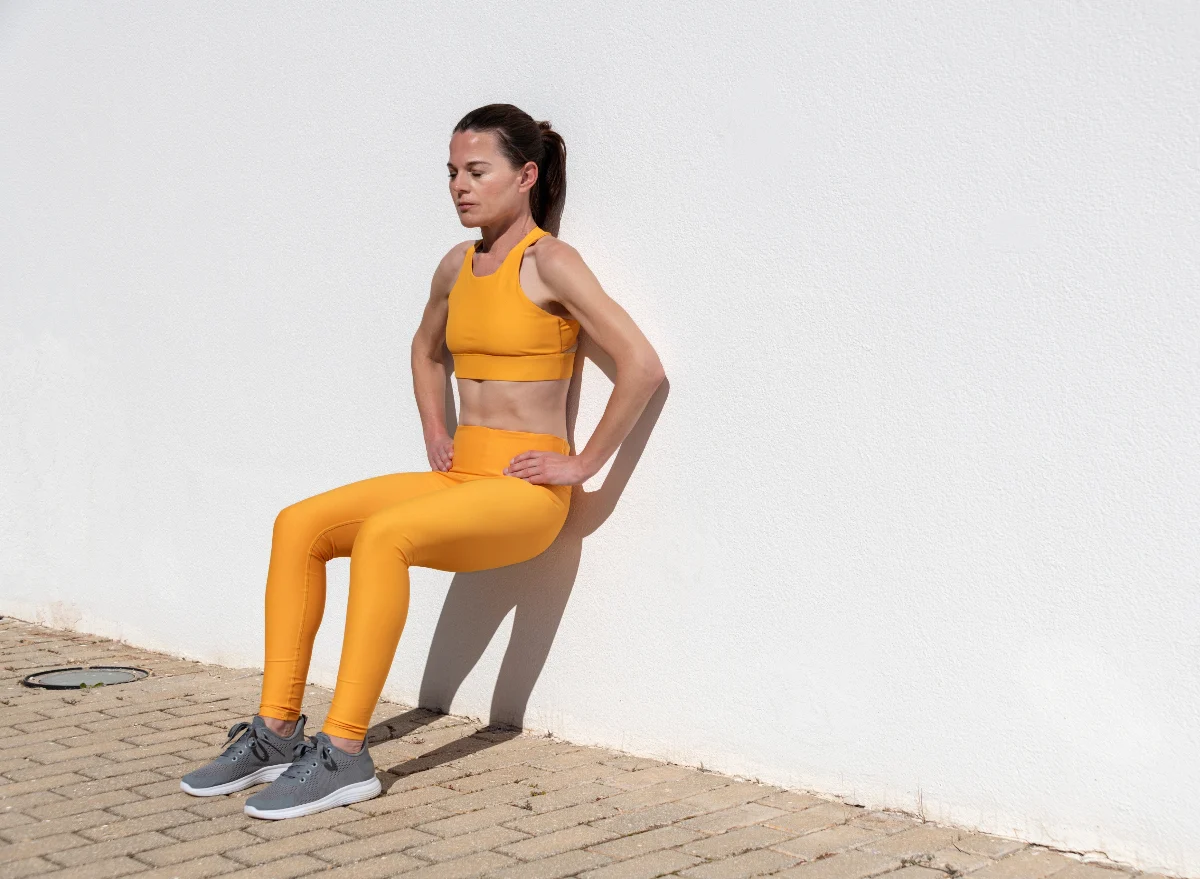
- The Setup: Stand with your back flat against a sturdy, smooth wall. Ensure your feet are shoulder-width apart and placed about two feet away from the wall.
- The Descent: Slowly slide your back down the wall while bending your knees.
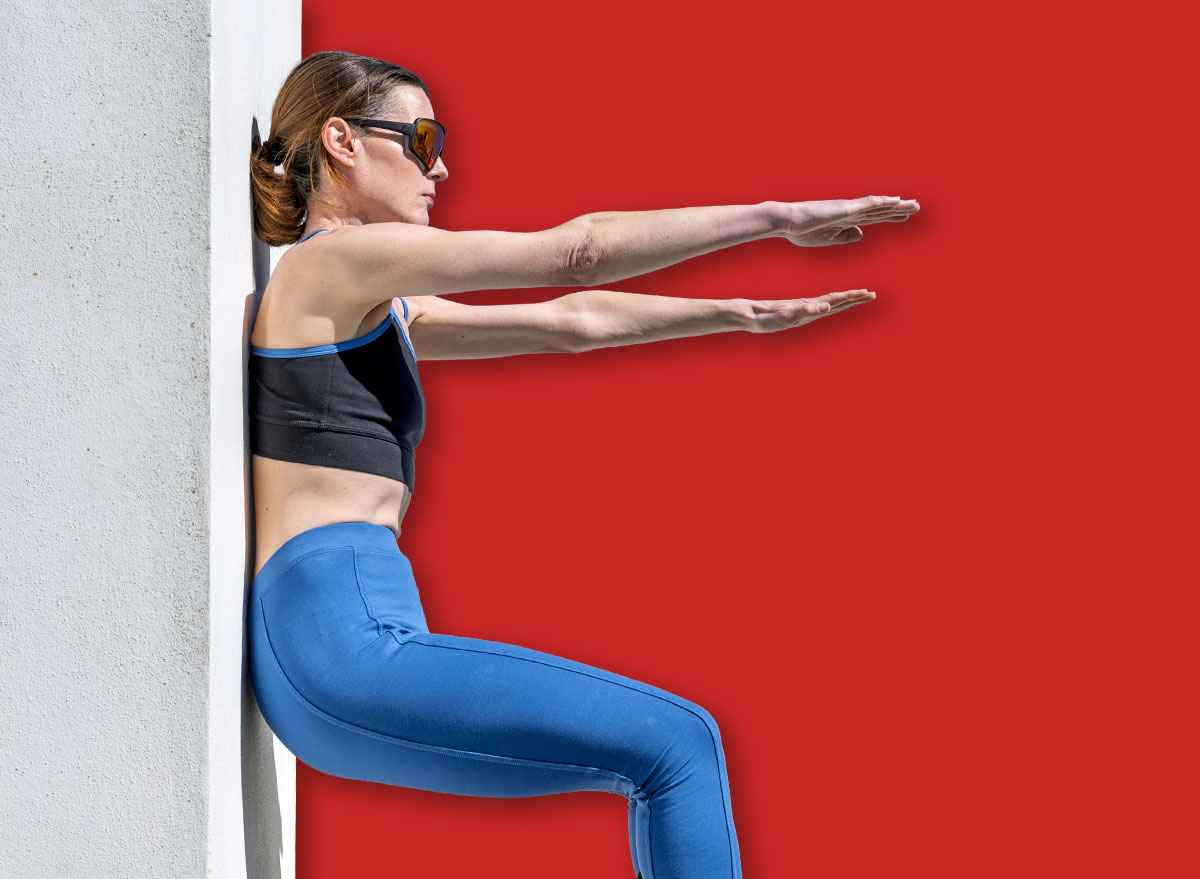
- The Angle: Continue to lower your hips until your thighs are parallel to the floor, creating a 90-degree angle at both your hips and knees.
- The Hold: Keep your head, shoulders, and upper back pressed firmly against the wall. Engage your core, breathe steadily, and maintain this position for as long as your endurance allows.
Expert Insights: The Perspective of Luka Hocevar
To understand the true utility of this exercise, we turn to Luka Hocevar, a renowned fitness expert from Vigor Ground Fitness and Performance. Having coached over 3,000 clients—ranging from elite NBA and NFL athletes to individuals in physical rehabilitation—Hocevar views the wall sit as a foundational pillar of human movement.
"The wall sit is simple to set up anywhere, easy to teach, and effective for measuring lower-body strength endurance," Hocevar explains. "It serves as a gold-standard diagnostic tool."
According to Hocevar, the exercise is as much a psychological test as a physical one. "The wall squat measures strength, but it primarily targets strength endurance and mental toughness. There is a profound mindset component involved in pushing through the burning sensation in your quads. Often, the mind quits long before the muscles actually reach failure."
The Chronology of Progress: Building Your Capacity
For those just starting, the wall sit can feel grueling within seconds. However, consistency is the antidote to discomfort.
- The Beginner Phase (Weeks 1-4): Focus on form rather than duration. Aim for three sets of 20 to 30 seconds. If your legs begin to shake, that is a positive sign of muscle recruitment.
- The Intermediate Phase (Weeks 5-8): Once you can hold a 90-degree angle for 45 seconds comfortably, start increasing your time by 10-second increments.
- The Advanced Phase (Week 9 and beyond): At this stage, you are building significant muscle endurance. Aim to hit the 90-second to two-minute mark.
By tracking your progress week-over-week, you can create a tangible record of your improved strength, providing the motivation necessary to continue your training regimen.
Supporting Data: Why Isometric Training Works
Why prioritize the wall sit over traditional squats? While both have their place, the isometric nature of the wall sit provides unique physiological benefits.
1. Enhanced Muscle Endurance
Isometric exercises recruit a high percentage of motor units in the target muscle groups. By holding the position, you force your Type I (slow-twitch) muscle fibers to work for an extended duration, which is essential for activities like long-distance walking, standing in queues, or gardening.
2. Knee Health and Stability
One of the most common issues as we age is knee pain. Wall sits are generally considered a "knee-friendly" exercise because they do not involve the repetitive impact or grinding associated with lunges or running. By strengthening the vastus medialis—the "teardrop" muscle on the inside of the knee—you provide better structural support to the joint itself.
3. Core Activation
You cannot maintain a wall sit for long without engaging your abdominals. The exercise requires the core to act as a stabilizer, preventing the lower back from arching away from the wall. This dual-purpose engagement makes it a time-efficient addition to any workout.
Implications for Longevity: The "Real-World" Connection
We do not train in a vacuum. Every repetition performed in the gym should ideally translate to an improved quality of life outside of it. Hocevar emphasizes that the wall sit is a direct indicator of your ability to navigate the physical world.
"The wall sit is a good measure of real-world activities such as standing, walking, and climbing stairs," Hocevar notes. "If you possess an excellent wall sit time, it is highly probable that you do not struggle with the basic, functional tasks of daily life."
However, Hocevar cautions that the wall sit is only the starting point. "The higher the level of performance you desire—whether that involves long-distance hiking, playing sports with your grandchildren, or sprinting—the more you need to incorporate dynamic movements to complement your isometric endurance."
Mental Toughness: The Invisible Benefit
Perhaps the most overlooked aspect of the wall sit is the cultivation of "grit." In a world of instant gratification, the wall sit forces the practitioner to sit with discomfort.
When your quads begin to burn and your brain sends signals to stand up, you are presented with a choice. Choosing to stay for five more seconds—and then another five—builds a level of mental resilience that carries over into professional and personal challenges. It is a microcosm of life: the ability to endure temporary strain for a long-term gain.
Integrating Wall Sits Into Your Weekly Routine
You do not need a gym membership or expensive equipment to benefit from this movement. Because it requires only a wall, it can be integrated into your life in several ways:
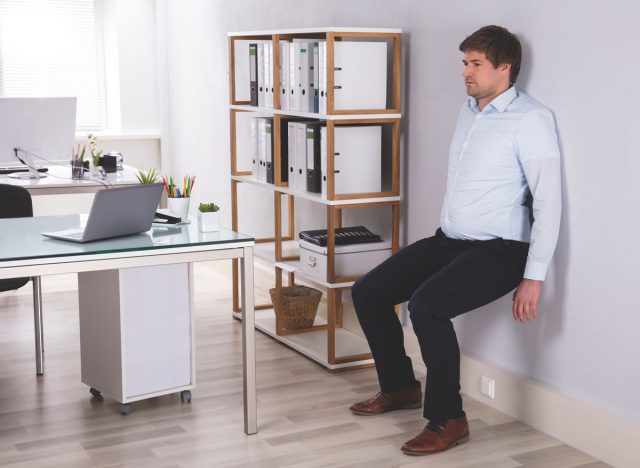
- The Office Break: If you work at a desk, set a timer for two minutes every afternoon. A quick wall sit can improve circulation and reset your posture.
- The Pre-Workout Finisher: Perform wall sits at the end of your regular strength training as a "finisher" to ensure your muscles are fully exhausted.
- The Morning Routine: Add wall sits to your morning stretch session to wake up your lower body before you start your day.
Conclusion: A Small Investment for Massive Returns
The wall sit is a testament to the idea that you do not need complex technology to achieve a high level of physical fitness. By leveraging your own body weight and the simple resistance of a wall, you can build a stable foundation that supports your body for decades to come.
Whether you are measuring your progress against professional benchmarks or simply trying to make climbing stairs easier, the wall sit offers a clear path toward better health. As Luka Hocevar suggests, the key is consistency and the willingness to push through the initial discomfort. Start today, hold your ground, and watch as your leg strength—and your confidence—grow in tandem.
Alexa Mellardo is a freelance writer and content strategist based in Greenwich, CT. With over 11 years of experience in the wellness and fitness industry, she is dedicated to providing actionable, science-backed insights for readers looking to optimize their health.