WASHINGTON — In an abrupt and controversial pivot that has sent shockwaves through the federal health bureaucracy, the Food and Drug Administration (FDA) has quietly issued new guidelines that effectively lower the barriers for electronic cigarettes and nicotine pouches entering the U.S. market. The decision, finalized in the eleventh hour of former FDA Commissioner Marty Makary’s tenure, has blindsided the agency’s own tobacco center experts and sparked a fierce debate over public health, institutional integrity, and the influence of political pressure on science-based regulation.
The Breach of Protocol: A "Midnight" Policy
The six-page memorandum, published without the standard notice-and-comment period required for significant federal policy changes, represents a departure from the FDA’s long-standing mandate. Under established rules, any new tobacco or nicotine product must undergo rigorous scientific verification to demonstrate health benefits for adult smokers before hitting retail shelves. The new guidance, however, grants "enforcement discretion" to certain products, allowing companies to distribute them while they are still under review.
For the career scientists and regulators tasked with overseeing the tobacco industry, the rollout was handled with what can only be described as calculated exclusion. Two senior FDA staffers, speaking on condition of anonymity due to the sensitivity of the internal investigation, revealed that key experts in the Center for Tobacco Products were not consulted. They learned of the policy change only hours before its publication, leading to widespread confusion and an emergency series of internal meetings.
"It is highly unusual, bordering on unprecedented, for the FDA to draft such a significant policy shift without the input of the subject matter experts who have spent years analyzing the data," said Mitch Zeller, who served as the FDA’s tobacco director until 2022. "It begs the question of whether the true subject matter experts may have actually opposed this policy and were ordered to do it anyway. That is a direct hit to the public’s ability to have trust and faith in an institution like the FDA."
A Chronology of Instability
The timing of the memo’s release is inextricably linked to the volatile final days of the Makary administration.
- February 2025: Internal memos reveal that Makary’s deputies blocked an FDA decision that would have authorized the first fruit-flavored vaping products, despite staff reviewers concluding that digital age-verification technology made the products unlikely to attract minors.
- Early September 2025: As media reports surfaced regarding President Donald Trump’s intent to replace him, Commissioner Makary’s office moved with sudden speed.
- Days before resignation: The FDA formally authorized mango- and blueberry-flavored products, marking a dramatic reversal of the agency’s previous stance on sweet flavors.
- The Final Act: Within the same week, the agency published the new guidelines allowing for broad "enforcement discretion" for unauthorized nicotine products.
- Post-Publication: Commissioner Makary formally resigned from the FDA, leaving behind a policy framework that had not been vetted by the agency’s own legal or scientific departments.
The Industry Influence and the "Save Vaping" Pledge
The policy shift follows years of intense lobbying by the tobacco industry. President Trump, who campaigned on a platform that included a pledge to "save" the vaping industry, has faced significant pressure from major players like Altria and Reynolds American. These entities have contributed millions to political action committees and initiatives aligned with the administration’s priorities.
While the administration characterizes the move as a pragmatic approach to harm reduction, critics point to the glaring lack of scientific consensus for such a broad loosening of rules. A spokesperson for the Department of Health and Human Services (HHS), Andrew Nixon, defended the move, stating: "This approach strengthens protections against youth nicotine addiction while supporting evidence-based alternatives for adult smokers seeking to move away from combustible tobacco products."
However, this justification rings hollow for many in the public health community, who note that the FDA has already authorized vaping products from five companies—all of which currently adhere to strict limitations on flavors and marketing.
Supporting Data: The Landscape of the U.S. Market
To understand the implications of this policy, one must look at the current state of the U.S. vaping market, which has been in a state of flux for over a decade.
The Illicit Market Dilemma
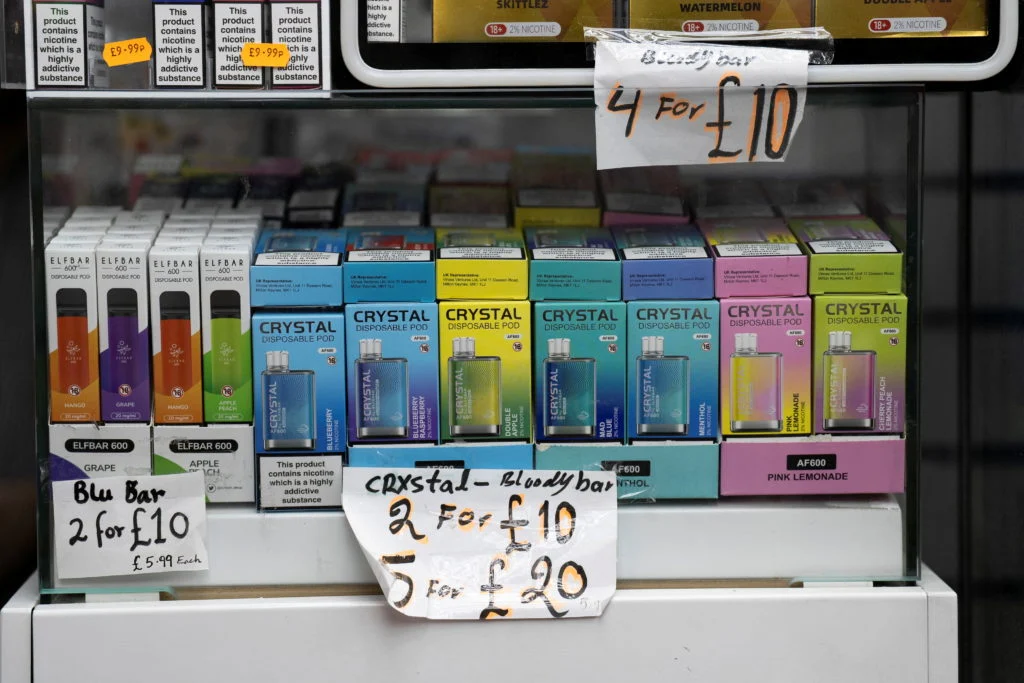
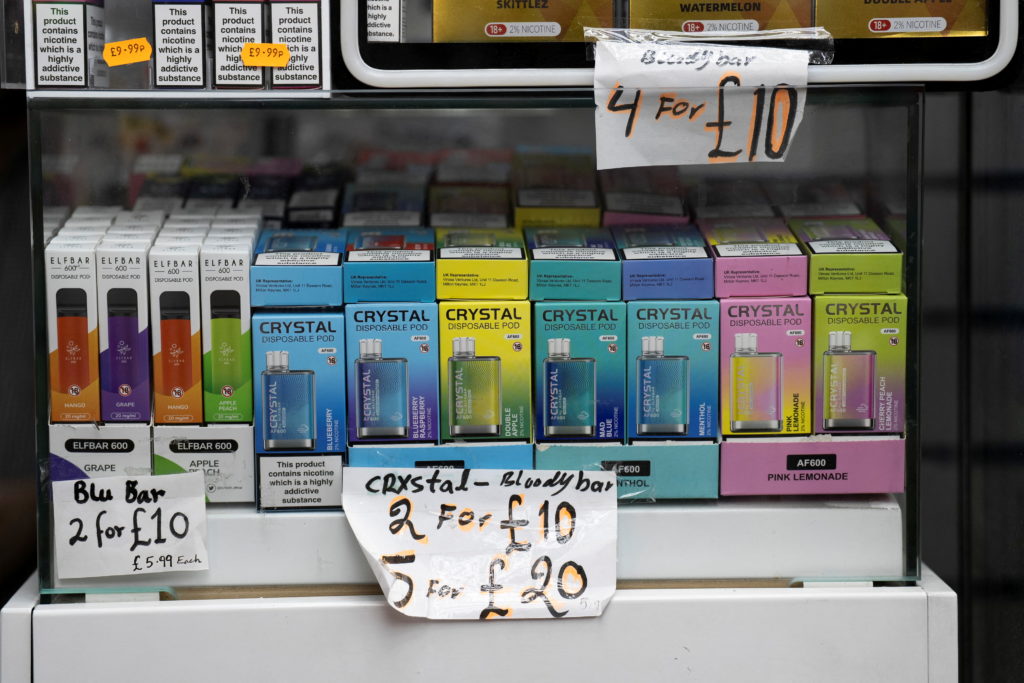
The U.S. market is currently saturated with unauthorized, disposable vapes. These products, often imported from overseas, feature flavors like gummy bear, strawberry, and mango. By some industry estimates, these unauthorized devices account for roughly 80% of all U.S. sales, effectively operating in a legal "grey zone" while the FDA struggles to keep pace with enforcement.
A Shifting Demographic
Data on underage vaping provides a complex backdrop to the policy. According to recent federal surveys, teen vaping has fallen to its lowest level in over a decade, a success attributed to a combination of pandemic-era social changes and increased state and federal restrictions. Skeptics of the new FDA policy argue that by liberalizing the market, the government risks undoing these hard-won gains.
The Role of Big Tobacco
Industry leaders like Juul Labs argue that the current landscape forces legal, regulated companies to compete against "illegal, untested, and smuggled" products. "The choice we face is not whether flavored vaping products should be sold in the U.S.," says Robyn Gougelet, a vice president at Juul. "The choice is whether those products should be regulated and responsibly marketed."
Implications: Winners, Losers, and the Future of Enforcement
The new policy is expected to create a tiered market that benefits well-resourced corporations over smaller independent firms.
The Regulatory Advantage
The policy specifies that "enforcement discretion" is generally reserved for companies that have at least submitted an application for scientific review. For a small manufacturer, the cost of conducting the clinical trials and health data collection required for such an application is prohibitive. Consequently, the policy effectively creates a "safe harbor" for big tobacco companies, who already have the infrastructure to navigate the lengthy FDA approval process, while leaving smaller players in legal limbo.
"This is certainly going to benefit the larger tobacco companies," notes Brian King, a former FDA tobacco director now affiliated with the Campaign for Tobacco-Free Kids. "They have the resources to get far enough into the application review process that the FDA will, by this new definition, choose not to prioritize them for enforcement action."
The "Worst Actor" Strategy
In place of a blanket ban on flavors, the FDA now claims it will focus its limited enforcement resources on products that utilize "youth-appealing" marketing, such as designs that mimic children’s toys. While proponents like Jonathan Foulds of Penn State University suggest this is a "common sense" pivot to focus on the worst actors, others warn that the FDA is essentially abdicating its role as the primary gatekeeper of public safety.
Conclusion: A Question of Institutional Integrity
The fallout from this decision will likely reverberate for years. By bypassing the public comment process and ignoring the counsel of its own career staff, the FDA has invited accusations of political interference in what should be a data-driven process.
As the agency attempts to grapple with the logistics of its new policy, the public and medical communities remain on edge. The central question remains whether this move will truly transition smokers to less harmful alternatives, or if it will simply serve as a deregulatory handout to an industry that has long prioritized market share over the health of the next generation. For now, the agency’s credibility—and the future of tobacco regulation—remains in a precarious state of transition.