DETROIT — In a startling breach of federal biosafety protocols, two prominent virologists employed by a U.S. government laboratory have been charged with smuggling vials of the deactivated mpox virus into the country from the Republic of Congo. The criminal complaint, unsealed in a federal court in Detroit this week, alleges that the researchers misled federal authorities at a major international airport, sparking a broader investigation into the security of biological materials crossing national borders.
The defendants, Vincent Munster, chief of the virus ecology section at the prestigious Rocky Mountain Laboratories (RML) in Hamilton, Montana, and his colleague, research fellow Claude Kwe, now face significant legal scrutiny for their alleged failure to declare biological samples and for making false statements to federal agents.
The Chronology: A Border Confrontation
The incident unfolded in January at the Detroit Metropolitan Airport, a primary hub for international arrivals. Munster and Kwe were returning to the United States following a nine-day research expedition in the Republic of Congo, with a layover in Paris.
According to documents filed by the FBI, the two scientists were flagged by customs officials during routine secondary screening. When questioned about whether they were carrying any biological materials, animal products, or laboratory samples, Munster allegedly "adamantly denied" possessing any such items.
The exchange, as detailed in the criminal complaint, suggests a sense of hubris or disregard for standard clearance procedures. When challenged by customs officers, Munster reportedly dismissed the necessity of formal documentation, claiming, "I do this all the time." He further asserted that any requisite paperwork was stored on his laptop, though he insisted it was unnecessary for the samples he was carrying.
Despite these assurances, a subsequent inspection of their luggage uncovered multiple vials containing the deactivated mpox virus. The discovery immediately triggered an investigation by federal authorities, including the Department of Health and Human Services (HHS) and the FBI, as the samples lacked the mandatory permits and clearance required to import biological agents into the United States.
Supporting Data: The Nature of the Pathogen
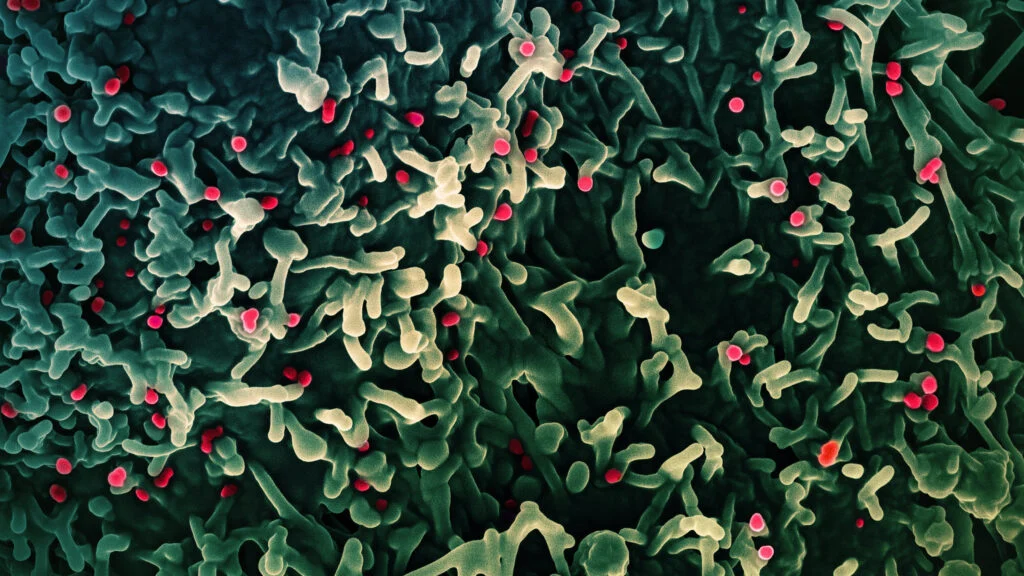
Mpox, historically known as monkeypox, is a zoonotic orthopoxvirus that causes symptoms similar to smallpox, though generally less severe. The World Health Organization (WHO) characterizes the primary symptoms as a painful, fluid-filled rash, fever, chills, and swollen lymph nodes. While the majority of patients recover within two to four weeks, the virus can lead to serious complications, particularly in immunocompromised individuals or those with underlying health conditions.
A Brief History of Mpox
The virus was first identified in 1958 during two outbreaks of a "pox-like" disease in colonies of monkeys kept for research purposes. For decades, human cases were largely confined to remote regions of Central and West Africa, where transmission was typically linked to close contact with infected wildlife, such as rodents or primates.
The epidemiological profile of the virus changed dramatically in 2022. For the first time, scientists confirmed that mpox was spreading through sustained human-to-human contact, including sexual transmission. This shift triggered a global health emergency, with outbreaks reported in more than 70 countries that had previously seen little to no transmission. The ease with which the virus crossed borders in 2022 underscores why federal agencies maintain such stringent control over the transport of any viral material, regardless of whether it is described as "deactivated."
Official Responses and Regulatory Breach
The response from government oversight bodies has been swift and severe. The incident is being viewed not merely as a regulatory oversight, but as a direct challenge to the safety protocols governing the nation’s biological research infrastructure.
"Any deliberate effort to conceal and smuggle biological materials into the United States without proper authorization is a breach of the public’s trust and could have placed the public at risk," said Marcus Sykes of the Office of Inspector General at the Department of Health and Human Services.
The severity of the charge lies in the "materially false" nature of the statements provided to federal agents. By claiming to possess documentation they did not have, or by attempting to bypass the import permit process, the scientists potentially bypassed oversight mechanisms designed to ensure that biological materials are stored, handled, and transported under conditions that prevent accidental release or contamination.
Rocky Mountain Laboratories, a division of the National Institute of Allergy and Infectious Diseases (NIAID), has not yet issued a detailed statement regarding the specific actions of their employees. An email seeking comment from HHS regarding the administrative status of the researchers was sent, but the agency has remained tight-lipped, citing the ongoing criminal investigation. Both Munster and Kwe are scheduled to appear in federal court in Missoula, Montana, to answer to the charges.
Implications: The Ethics of Biological Research
The case raises profound questions about the culture of scientific research and the boundaries of autonomy for laboratory scientists. While virologists like Munster and Kwe are tasked with the vital work of studying emerging pathogens to develop vaccines and therapies, they are also expected to operate within a strict legal framework.
Why Smuggle?
The court filing remains silent on the motive behind the illicit transport of the samples. However, experts in biosafety suggest that the pressure to conduct rapid, high-impact research can sometimes lead scientists to cut corners. In the world of virology, obtaining the necessary international permits to transport samples from a remote region can take months of bureaucratic coordination. The temptation to "hand-carry" samples to expedite research, while illegal and dangerous, is a known concern in the international scientific community.
Risks of "Deactivated" Materials
A critical point of debate in this case is the status of the samples. The suspects argued that the virus was "deactivated," implying it was rendered non-infectious. However, from a regulatory and biosafety perspective, this distinction is often irrelevant. Deactivation protocols can fail, and biological materials can be mislabeled or mishandled. The regulations governing the import of such materials are designed to account for the "worst-case scenario"—ensuring that if a vial were to break or be compromised during transit, the contents would be documented, contained, and safely managed by professionals.
By failing to declare the materials, the scientists denied federal authorities the ability to verify the safety of the containment, the nature of the deactivation process, and the legitimacy of the samples themselves.
Broader Impact on the Scientific Community
This incident is likely to have a chilling effect on international research collaborations. Government laboratories, which rely on the credibility of their scientists to conduct global health missions, may now face increased scrutiny and tighter restrictions on international travel for their staff.
Furthermore, the incident provides ammunition to critics who argue that high-level biological research is insufficiently transparent. The public, already wary of laboratory practices in the wake of the COVID-19 pandemic, is likely to view this breach as further evidence that scientific oversight must be strengthened.
As the legal process continues in Montana, the scientific community will be watching closely. The outcome of this case will set a precedent for how the U.S. government handles researchers who prioritize speed and convenience over the rigid, safety-first protocols that safeguard the American public.
For now, Vincent Munster and Claude Kwe face a precarious future. Their reputations, once bolstered by their positions at one of the world’s premier research facilities, are now tied to a criminal complaint that highlights the dangerous intersection of high-stakes science and low-stakes compliance. The case serves as a stark reminder that in the realm of infectious disease, there is no room for "I do this all the time" when the safety of the public hangs in the balance.