






By Editorial Staff | July 16, 2026
In an era defined by hyper-connectivity and the relentless "hustle culture" of the 21st century, the human nervous system is frequently pushed to its breaking point. Even positive life events—vacations, professional growth, and social obligations—can create a cumulative effect of physiological and mental overwhelm. As we navigate the complexities of 2026, experts are increasingly pointing toward restorative movement practices, specifically Yin Yoga, as a vital tool for reclaiming personal equilibrium.
This report explores the mechanics of stress, the physiological benefits of Yin Yoga, and a structured, expert-led sequence designed to help you anchor yourself to the present moment.
The Physiology of Overwhelm: Why We Need Stillness
Stress is not merely a psychological experience; it is a full-body biological event. When we are chronically overscheduled, our sympathetic nervous system—the "fight-or-flight" mechanism—remains perpetually engaged. This state, while helpful for short-term survival, leads to muscle tension, shallow breathing, and mental fatigue when left unchecked.
Yin Yoga acts as an antidote to this chronic stimulation. Unlike dynamic "Yang" styles of yoga that focus on muscle engagement and heat, Yin Yoga involves holding postures for extended periods, typically targeting the deep connective tissues (fascia), joints, and ligaments. By remaining still and allowing gravity to do the work, practitioners can shift their bodies from a state of sympathetic dominance to parasympathetic activation—the "rest and digest" mode essential for recovery and stress regulation.
A Targeted Sequence for Stress Relief
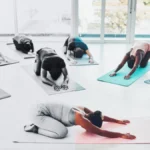
This practice, demonstrated by instructor Taylor Lorenz, requires two yoga blocks. The use of props is not a sign of weakness, but a commitment to the philosophy of "supported surrender." When the body feels secure and supported, the nervous system is better able to let go of guarding and tension.
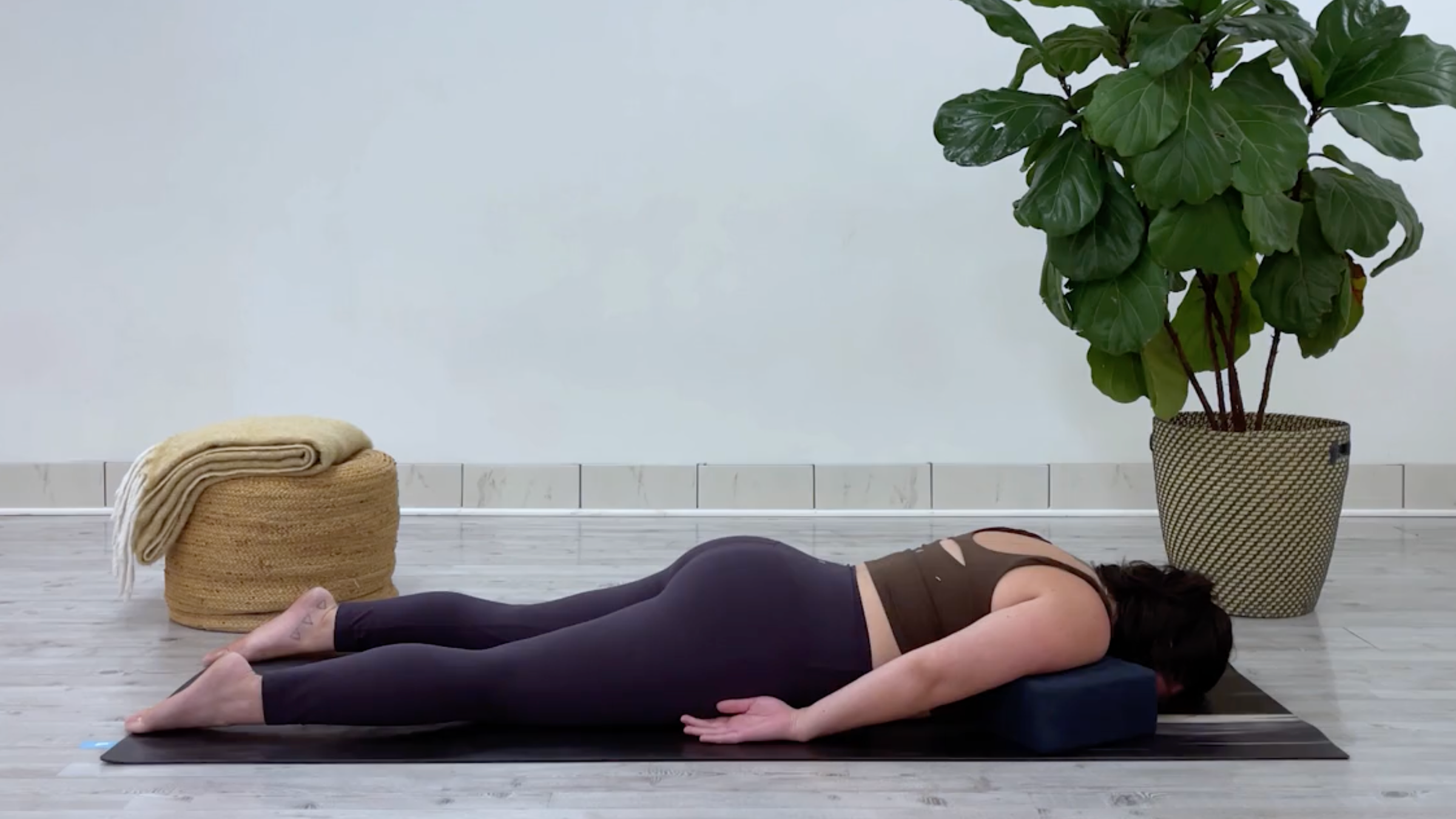
1. Supported Sphinx Pose
Begin by lying prone on your mat. Place two blocks on their lowest setting beneath your shoulders, angled slightly inward to cradle your upper arms. This variation of Sphinx Pose allows for a gentle opening of the chest and heart space without the intensity of a traditional backbend.
Why it works: By providing external support, you remove the effort required to hold yourself up. Allow your forehead to rest on the mat or turn your head to one side to release neck tension. Remain here for 1 to 3 minutes, focusing on the slow, rhythmic expansion of your ribcage.
2. Prone Savasana
After transitioning out of Sphinx, set your blocks aside. Allow your shoulders to round naturally toward the mat, letting the weight of your upper body sink into the earth.
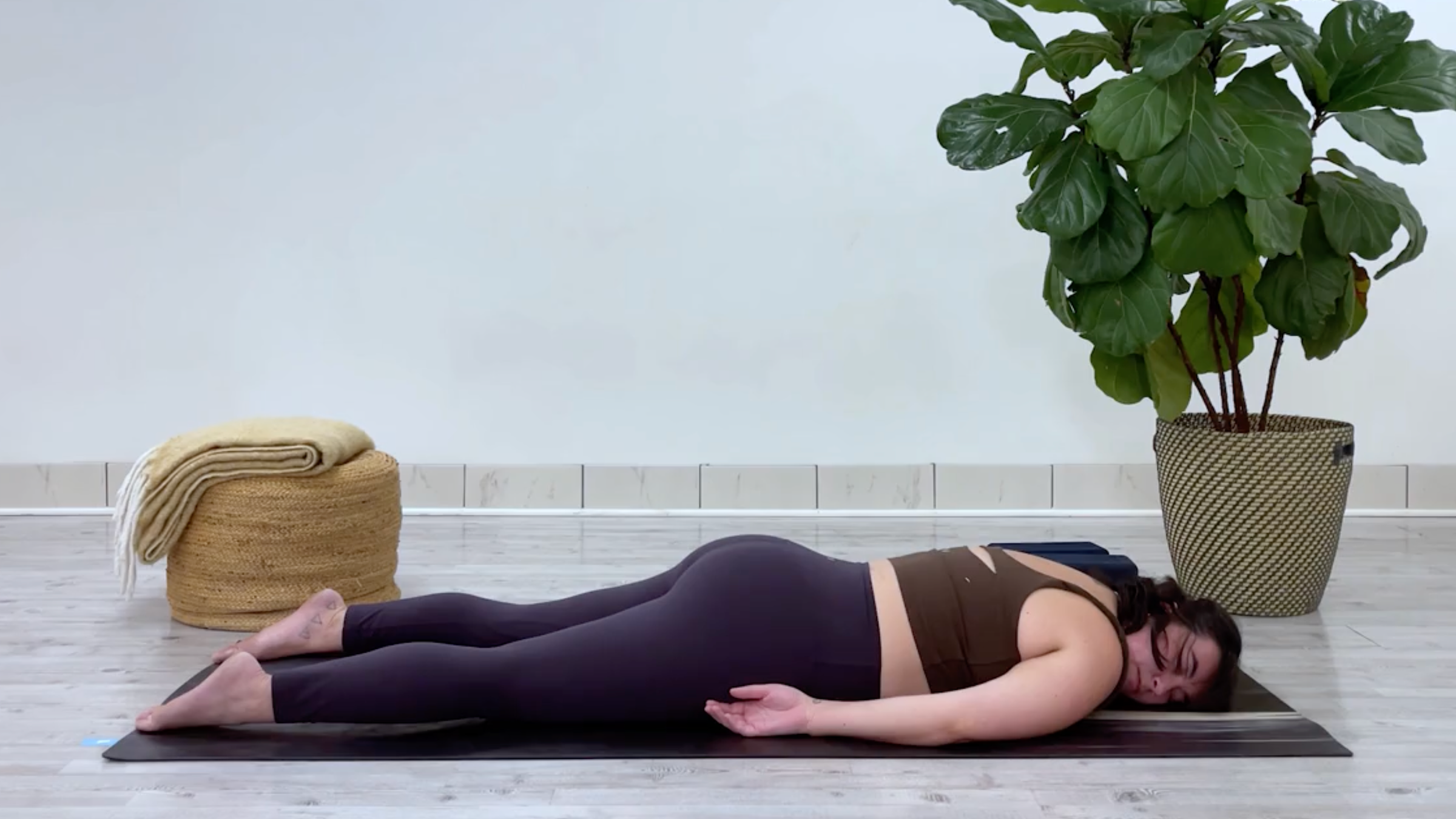
Why it works: This brief "reset" allows the spine to neutralize after the gentle extension of the previous pose. Take 6 full, deep breaths, consciously exhaling any residual tightness in your mid-back.
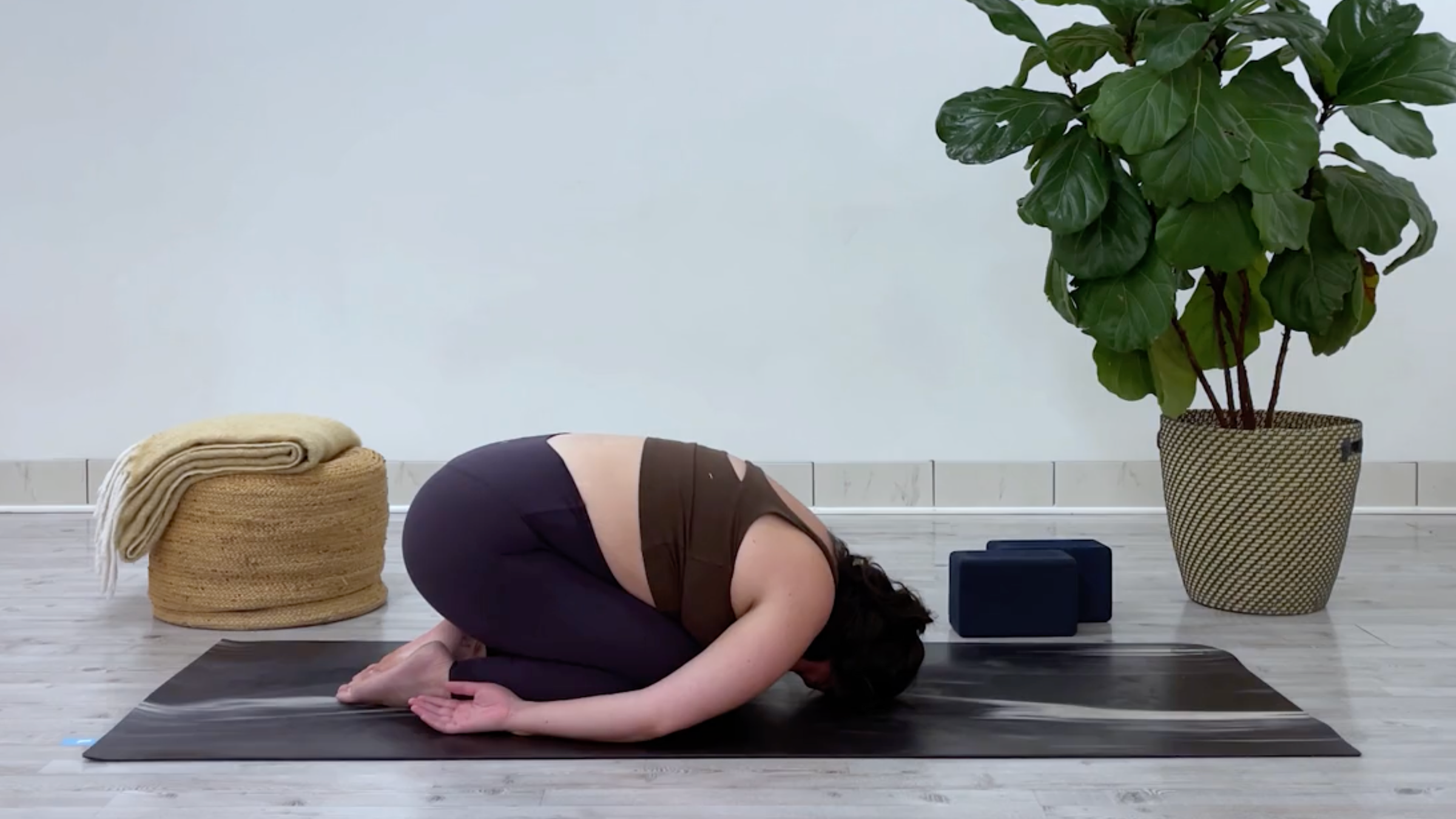
3. Rock Pose (Child’s Pose Variation)
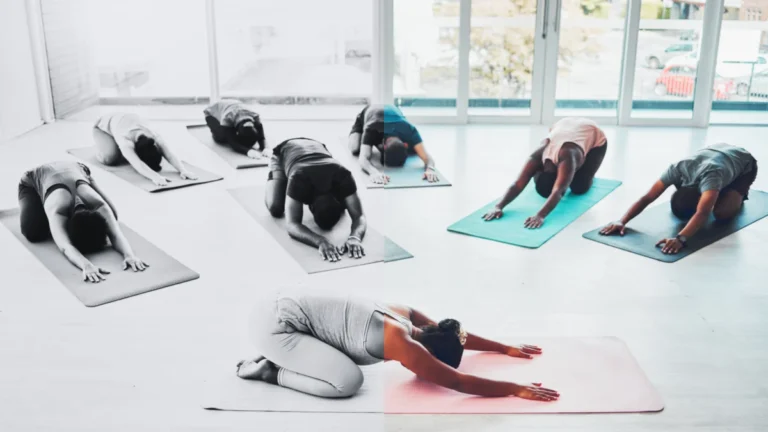
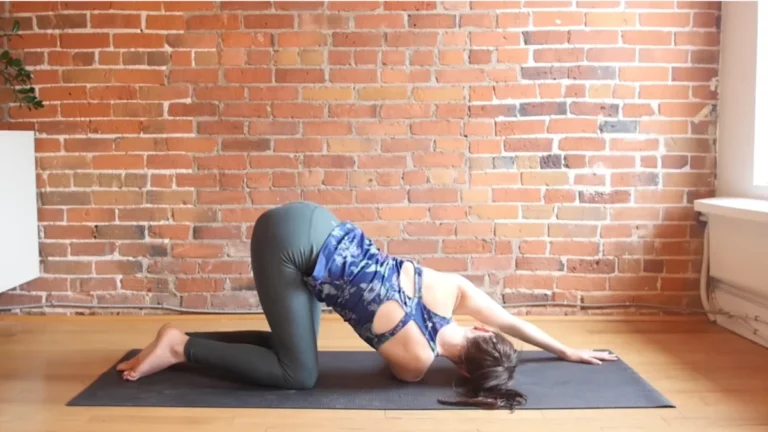
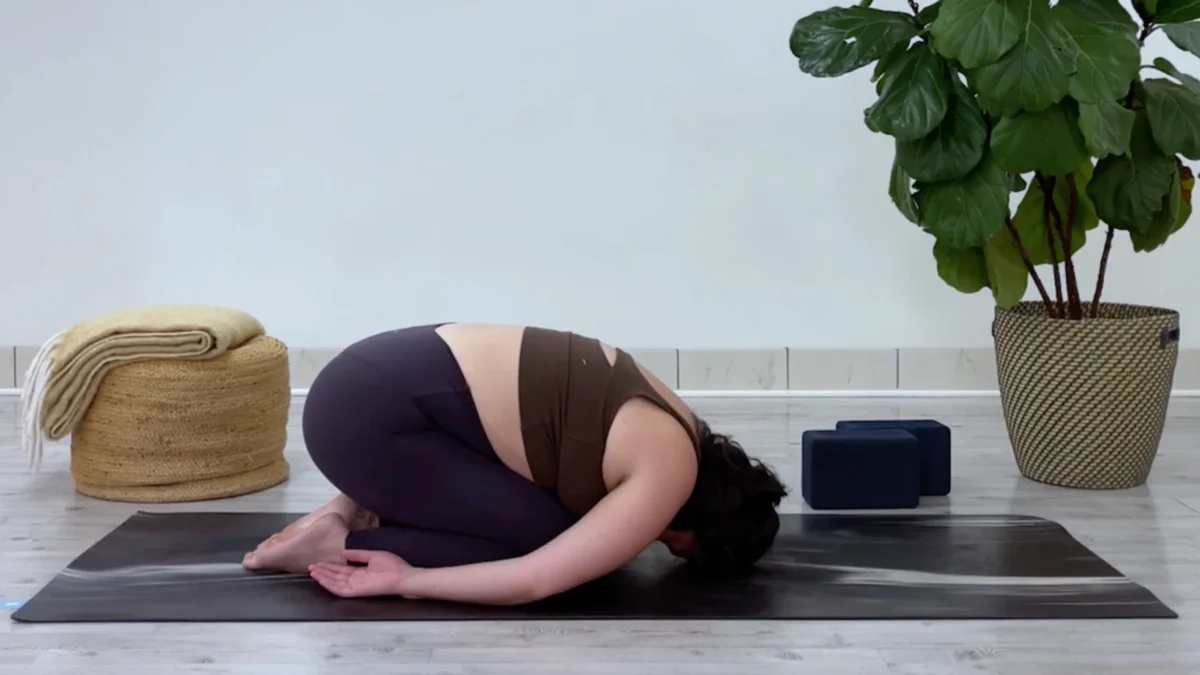
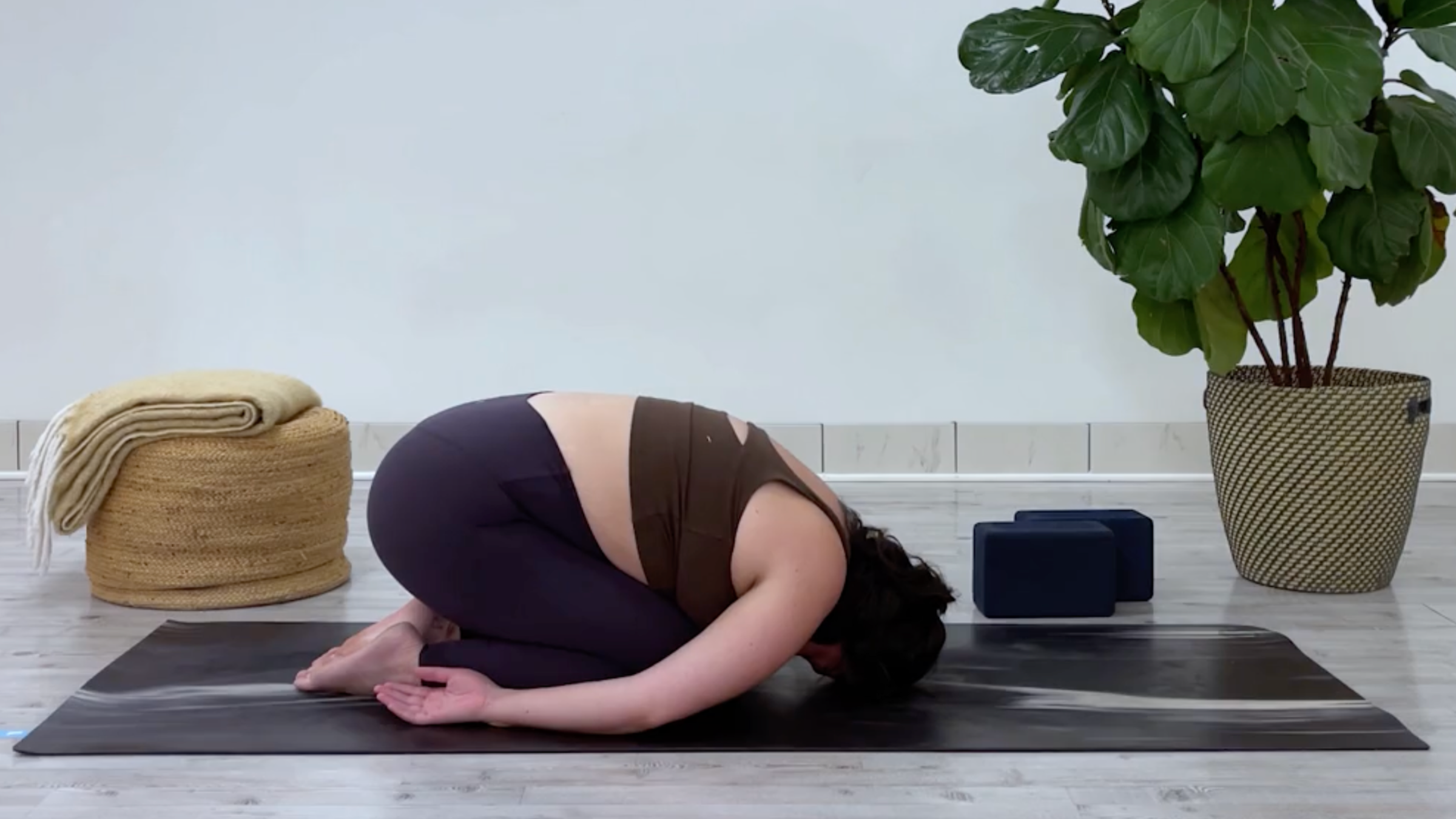
From your hands and knees, send your sit bones back toward your heels. Separate your knees to allow your torso to drape between them. Extend your arms back by your sides with palms facing up, signaling to your brain that you are in a state of reception rather than action. If your forehead does not comfortably reach the floor, place a block underneath it to prevent strain in the cervical spine.
Why it works: The fetal position is inherently grounding. It protects the vital organs and provides a sense of enclosure that can be deeply soothing for an overstimulated mind.
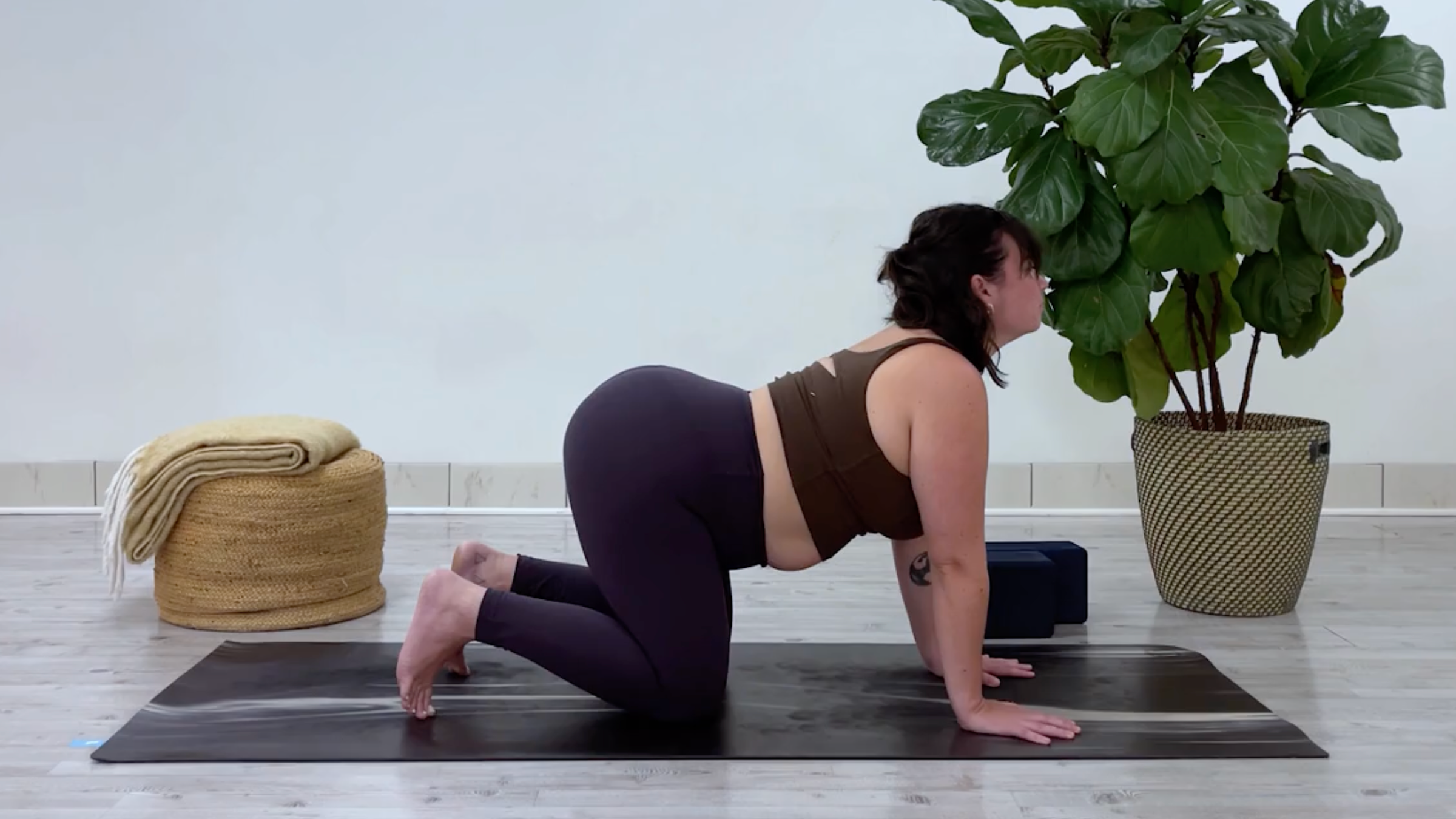
4. Cat and Cow Flow
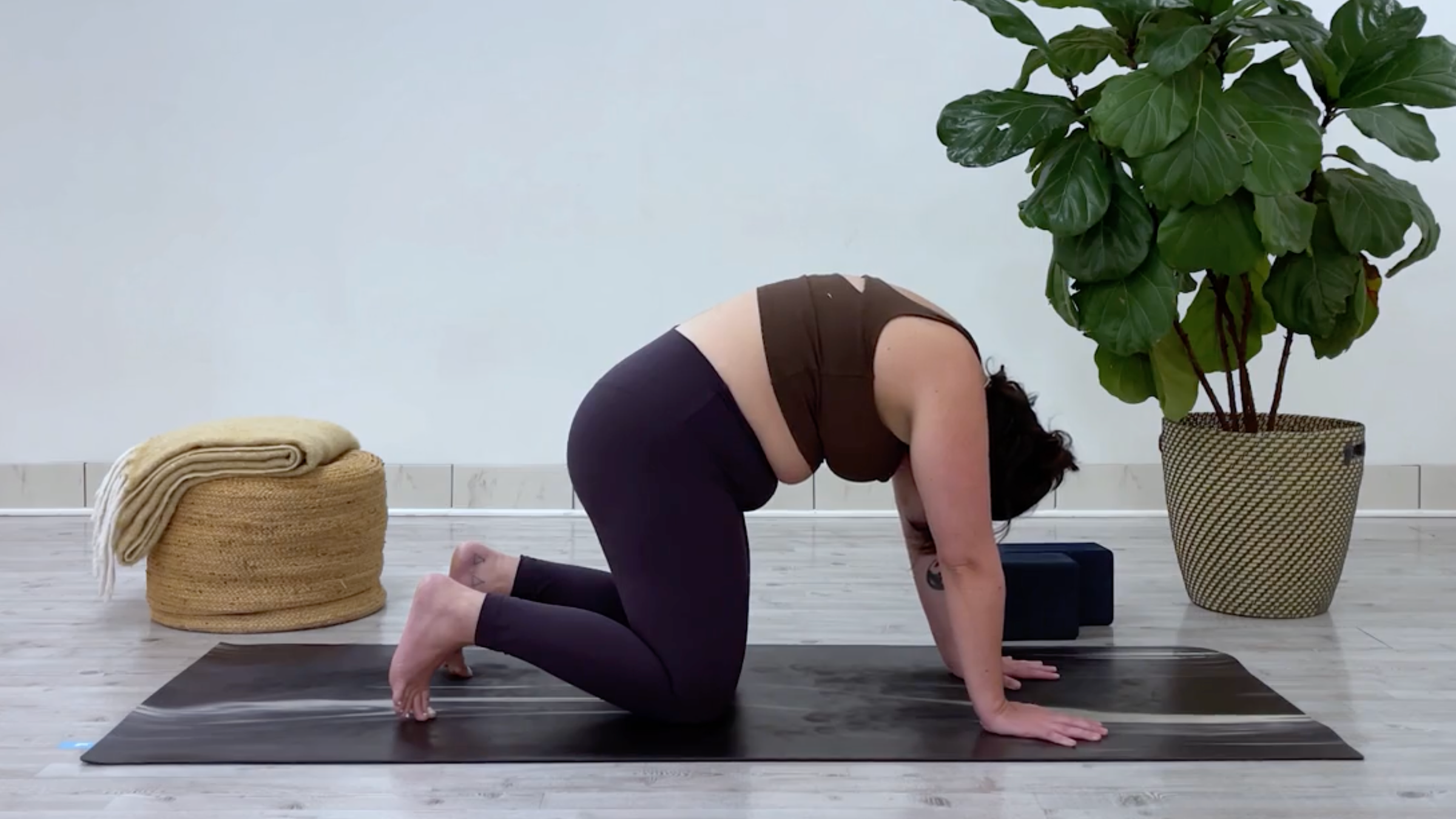
Move to a tabletop position. On an inhale, lower your belly and lift your chin/chest (Cow). On an exhale, round your spine and tuck your chin toward your chest (Cat). Repeat this 5 times, syncing the movement precisely with the duration of your breath.
Why it works: This movement promotes spinal mobility and helps bridge the gap between the stillness of Yin and the fluidity of more dynamic movement, acting as a "reset button" for the central nervous system.
5. Downward-Facing Dog
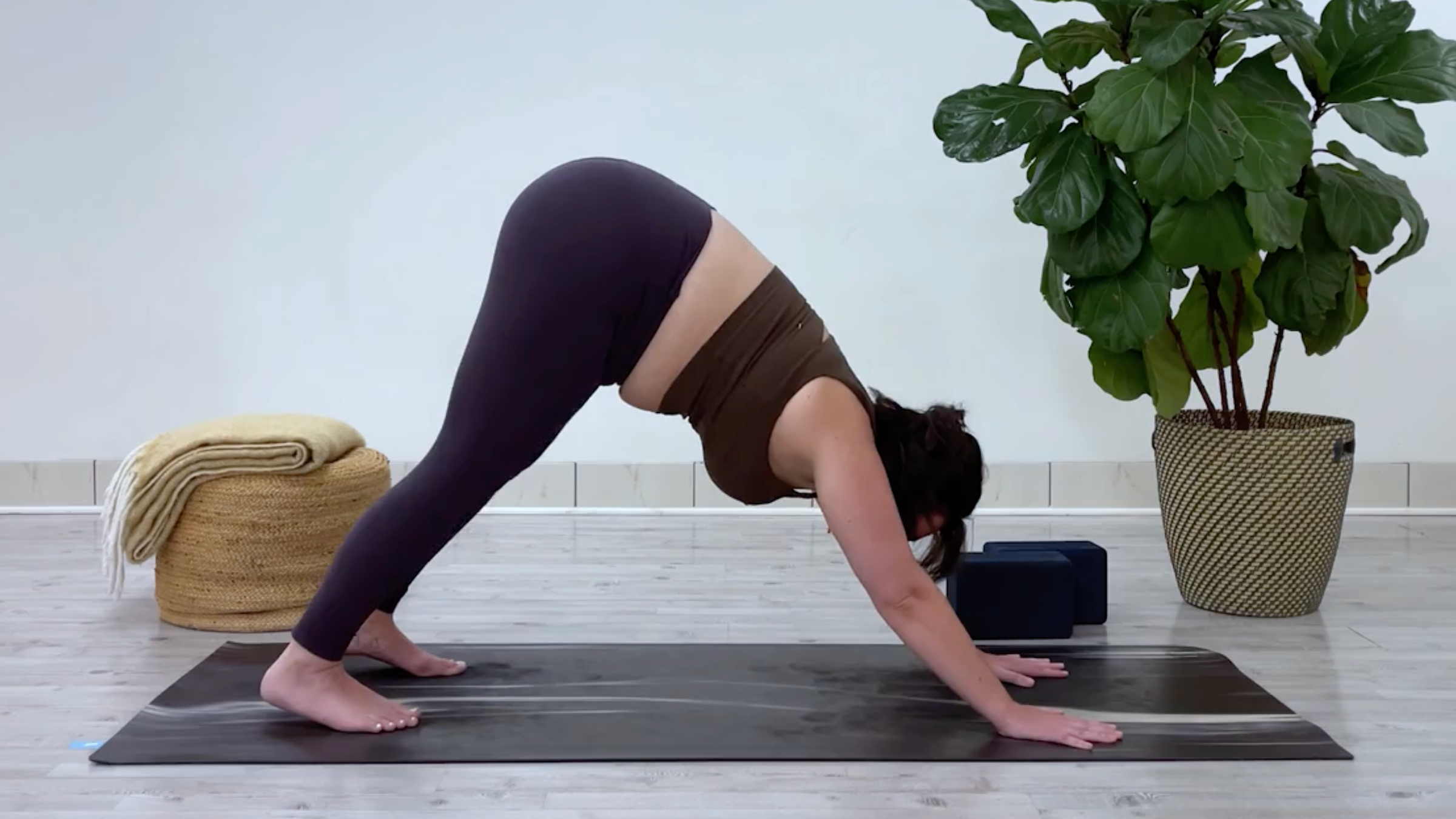
Transition into a classic Downward-Facing Dog. Do not worry about rigid form; use this time to pedal out your feet, shake your head to release jaw tension, or sway your hips.
Why it works: This inversion facilitates blood flow to the head and provides a gentle stretch for the entire posterior chain, helping to discharge the "expended energy" mentioned earlier.
6. Malasana (Garland Pose)
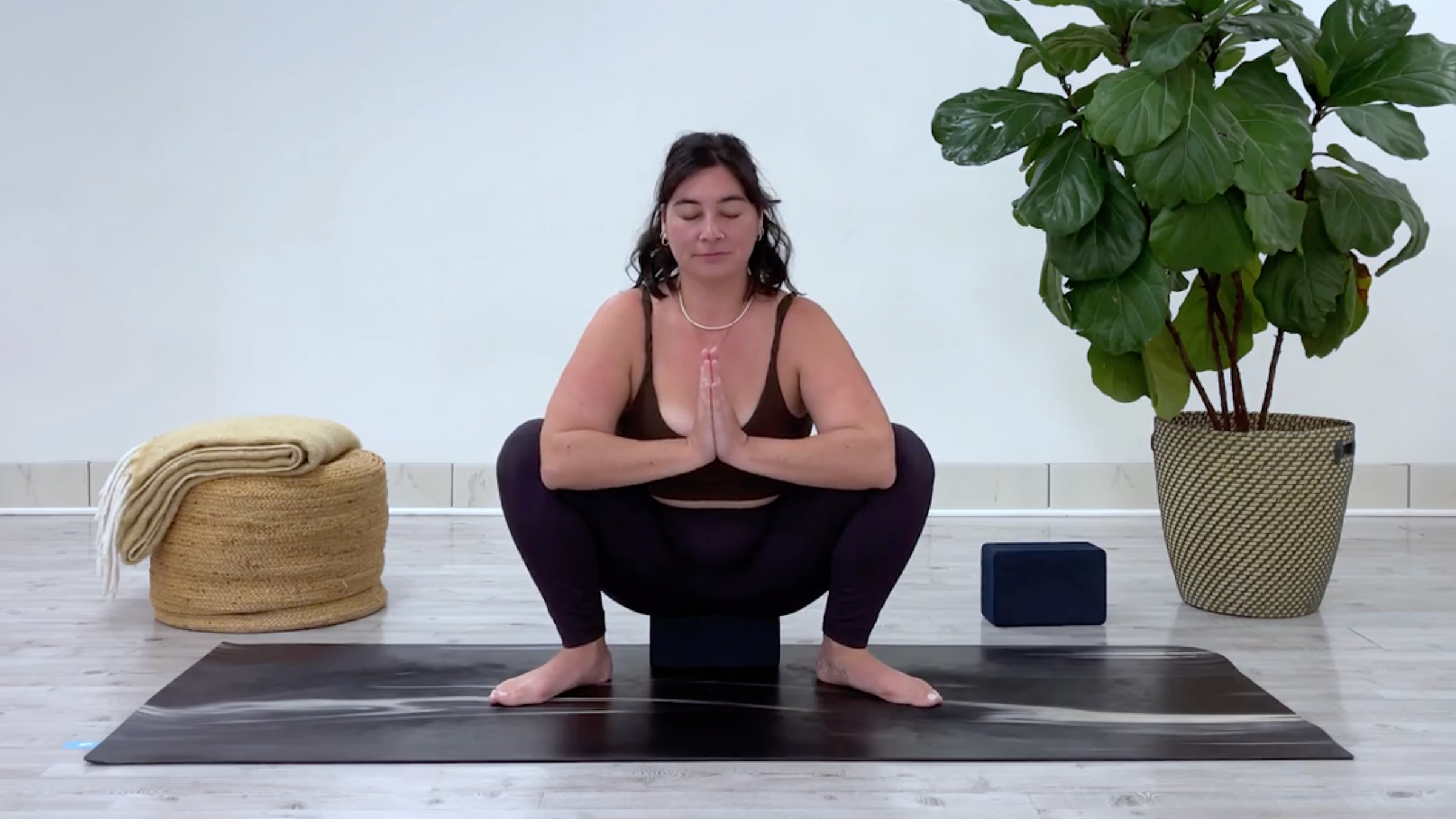
Walk your feet toward your hands, moving into a deep squat. Keep your feet at mat-width, toes angled outward. Bring your hands to heart center. If your heels do not touch the floor or your hips feel restricted, place a block under your sit bones for support.
Why it works: Malasana is a powerful hip-opener. In traditional Chinese medicine, the hips are considered a storehouse for emotional tension. Staying in this pose for 1 to 3 minutes can facilitate the release of deep-seated stress. If the squat is inaccessible, lying on your back and holding your shins wide provides similar benefits without the weight-bearing strain.
7. Savasana: The Final Integration
Roll onto your spine for the final Savasana. This is the most critical part of the practice—a time to integrate the physiological changes you have just initiated.
Why it works: There is nothing to achieve here. By removing the "to-do" list from your mental space, you allow your body to absorb the benefits of the practice. Stay as long as you need. When finished, move slowly through a fetal position before rising to a seated posture.
Implications for Daily Life
The benefits of a consistent Yin practice extend far beyond the mat. By intentionally scheduling moments of stillness, practitioners often report improved sleep quality, lower baseline levels of anxiety, and increased emotional resilience.
However, the real "success" of this practice is not measured by flexibility or time spent in a pose, but by the ability to carry that sense of groundedness into the rest of your day. As we move through the remainder of 2026, the ability to "anchor yourself to the now" may prove to be the most essential skill in modern life.
Expert Perspective: Integrating Movement into Busy Schedules
According to holistic health practitioners, the key to success with Yin Yoga is consistency rather than intensity. "You don’t need an hour," says physical therapist and yoga educator Sarah Jenkins (no relation). "Even five minutes of intentional, supported stillness can disrupt the cortisol spike associated with a busy morning."
The data supports this: studies in the Journal of Behavioral Medicine have consistently shown that slow-paced, low-impact restorative movement significantly reduces perceived stress scores in adults. By viewing your yoga practice as a non-negotiable professional commitment rather than an optional luxury, you honor your body’s need for restoration.
Conclusion: A Commitment to Yourself
The next time your calendar feels like a weight rather than a plan, remember that you have the agency to reclaim your energy. By practicing these poses, you are not just stretching muscles; you are retraining your nervous system to prioritize peace over panic. Take the time to pause, breathe, and thank yourself for the effort. Your body—and your mind—will thank you in return.