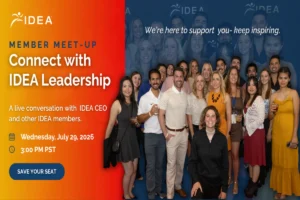








Date: July 22, 2026
Time: 1:00 PM PST
Location: Global Virtual Symposium (IDEA Fitness Mentor Network)
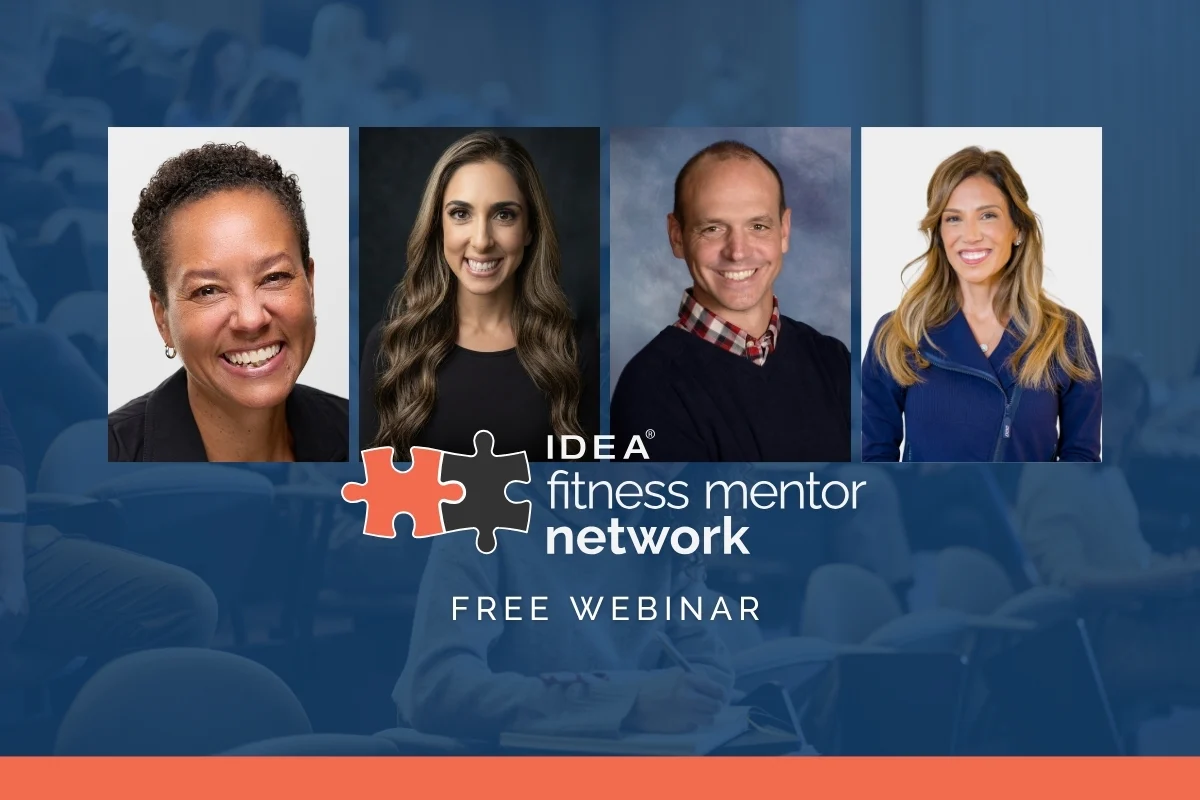
The fitness industry, once defined primarily by the physical prowess of its practitioners, has evolved into a complex, multi-faceted ecosystem encompassing digital health, specialized rehabilitation, business entrepreneurship, and holistic wellness. As the sector grows more sophisticated, the traditional "lone wolf" approach to building a fitness career is rapidly becoming obsolete. In response to this paradigm shift, the IDEA Fitness Mentor Network is hosting a landmark virtual event on July 22, 2026, aimed at providing a roadmap for professionals navigating the uncertainties of modern career development.
Main Facts: The "Next Chapter" Initiative
The upcoming symposium, scheduled for 1:00 PM PST, represents more than a standard webinar; it serves as a critical intervention for fitness professionals feeling the stagnation that often accompanies long-term tenure in a high-burnout field.
The core mission of this event is to demystify the transition points in a career. Whether a trainer is moving from floor coaching to facility management, or a digital fitness influencer is attempting to scale their business into a sustainable enterprise, the event focuses on the "human element" of professional growth. By curating a panel of industry veterans, the IDEA Fitness Mentor Network seeks to address the psychological and tactical barriers that prevent practitioners from reaching their next level of leadership and influence.
Chronology of Industry Evolution
To understand why such an event is timely, one must look at the timeline of the fitness profession over the last decade:
- 2016–2019: The Era of Specialization. The industry saw a boom in boutique fitness and niche certifications. The focus was on depth of knowledge—becoming an expert in specific modalities like HIIT, Pilates, or functional training.
- 2020–2022: The Digital Pivot. The global pandemic forced a radical shift toward digital platforms. Trainers who lacked a digital strategy were left behind, creating a sudden, massive need for mentorship in business, technology, and marketing.
- 2023–2025: The Integration Era. Fitness began to merge heavily with healthcare, mental health, and wearable technology. The "next" step for trainers became increasingly unclear as the role evolved from "exercise instructor" to "health coach" and "lifestyle consultant."
- 2026: The Mentorship Mandate. As we reach the current landscape, the industry is witnessing a "burnout crisis" among mid-career professionals. The focus has shifted from what to learn (technical skills) to how to sustain a career (leadership, networking, and business architecture).
Supporting Data: The Case for Professional Support
The necessity of this mentorship-focused approach is backed by emerging data regarding industry turnover and professional satisfaction.
Recent surveys indicate that nearly 45% of fitness professionals leave the industry within their first five years, citing a lack of career progression and inadequate business support as primary drivers. Conversely, professionals who participate in structured mentorship programs report:
- 30% higher retention rates in the industry.
- A 22% increase in annual income within two years of seeking mentorship.
- Higher self-reported "career longevity" scores, suggesting that mentorship acts as a buffer against professional fatigue.
The IDEA Fitness Mentor Network utilizes this data to underscore that mentorship is not a luxury—it is a competitive necessity. In an industry where the barrier to entry is relatively low, the barrier to longevity is remarkably high.
Official Perspectives: What the Mentors Say
While the identities of the panel are curated to represent diverse sectors of the fitness economy, the common thread among the mentors is the acknowledgment that "the path forward is rarely a straight line."
In preliminary briefings for the event, several mentors noted that the most significant challenges in their careers were not technical—they were relational and strategic. One lead mentor remarked, "We spend so much time studying anatomy, nutrition, and exercise physiology, but almost no time studying how to lead a team, how to negotiate a contract, or how to pivot when your market demand shifts."
The event is designed to be an "honest conversation." It eschews the typical PowerPoint presentation style in favor of a candid dialogue. By stripping away the corporate veneer, the mentors intend to share "war stories"—tales of business failures, leadership missteps, and the pivotal moments of doubt that preceded their greatest successes. This approach is intended to humanize the leaders at the top of the field, making the prospect of growth feel attainable to those currently struggling in the trenches.
Implications: The Future of the Fitness Workforce
The implications of the July 22 session reach far beyond the individual attendee. If the fitness industry is to evolve into a respected, high-level profession comparable to physical therapy or executive coaching, it must formalize its pathways for development.
H3: Cultivating Leadership, Not Just Training
The shift toward "leadership" is the most significant takeaway from the symposium’s agenda. As fitness professionals move from being service providers to business owners, their needs shift toward human resources, financial literacy, and crisis management. The IDEA Fitness Mentor Network is essentially positioning itself as an informal school of business, providing the missing link in the typical fitness certification pipeline.
H3: The Economic Impact of a Stronger Workforce
A more resilient, well-mentored workforce has a cascading effect on the broader economy. When trainers are confident in their business models, they create more stable jobs for others, drive innovation in wellness products, and provide a higher standard of care for their clients. The ripple effect of one professional finding their "next chapter" can lead to a more efficient, higher-quality fitness ecosystem.
H3: Bridging the "Experience Gap"
Perhaps the most crucial implication of this event is the bridging of the generational gap. By bringing together veterans of the industry with those just beginning their journey, the network ensures that the "institutional knowledge" of the past three decades isn’t lost. This knowledge transfer—from the era of high-intensity group classes to the current era of AI-driven, data-backed wellness—is what will define the next generation of industry leaders.
Conclusion: A Call to Action for the Modern Practitioner
As the fitness industry moves into the latter half of the 2020s, the definition of success is being rewritten. It is no longer enough to be the most knowledgeable trainer in the room. The professionals who thrive in the next decade will be those who are capable of navigating the complex intersections of health, technology, and commerce.
The July 22, 2026 event hosted by the IDEA Fitness Mentor Network is an invitation to pause, reflect, and re-calibrate. Whether one is feeling the weight of professional burnout, the excitement of a potential pivot, or the simple desire to sharpen their leadership acumen, the symposium offers the necessary environment for honest reflection.
For those who have felt that the industry has left them behind, or for those who simply feel that their career has hit a ceiling, this conversation promises more than just theory. It promises a connection to the collective wisdom of those who have already navigated the path. In an era of digital isolation, the power of having "someone in your corner" has never been more relevant. As the industry continues its rapid transformation, the IDEA Fitness Mentor Network stands as a testament to the fact that while we may train our clients alone, we should never have to navigate our careers that way.
As the industry looks toward the horizon of 2027 and beyond, the message remains clear: the most sustainable tool in any trainer’s kit is the network they build, the lessons they absorb, and the courage to ask for help when the next chapter seems impossible to write. The upcoming session is the first step in that direction—a vital, necessary, and timely dialogue for the future of fitness.