










Published: July 14, 2026
For many, the journey toward self-assurance is a labyrinth of internal dialogue, social pressures, and the persistent, nagging feeling of inadequacy. In an era defined by hyper-connectivity and public scrutiny, the struggle to "find one’s voice" is a near-universal human experience. Riya Davda, a yoga practitioner and educator, knows this struggle intimately. For years, she navigated her professional and personal life under the shadow of self-doubt, often labeled as "timid" or "reserved"—labels that reflected a deeper, internal disconnect from her own capabilities.
However, a transformative journey to the banks of the Ganges in Rishikesh, India—widely recognized as the yoga capital of the world—offered a new paradigm. By integrating the physical discipline of asana with the intentionality of breathwork and the philosophical concept of svadharma, Davda discovered that confidence is not a fixed trait, but a muscle to be developed. This article explores how specific yogic practices serve as tools for reclaiming one’s sense of self and the implications of this discipline in the modern professional landscape.
The Chronology of Transformation: From Insecurity to Authenticity
The metamorphosis from a person plagued by self-doubt to one who exudes steady confidence did not occur overnight. It was a gradual, systematic dismantling of limiting beliefs.
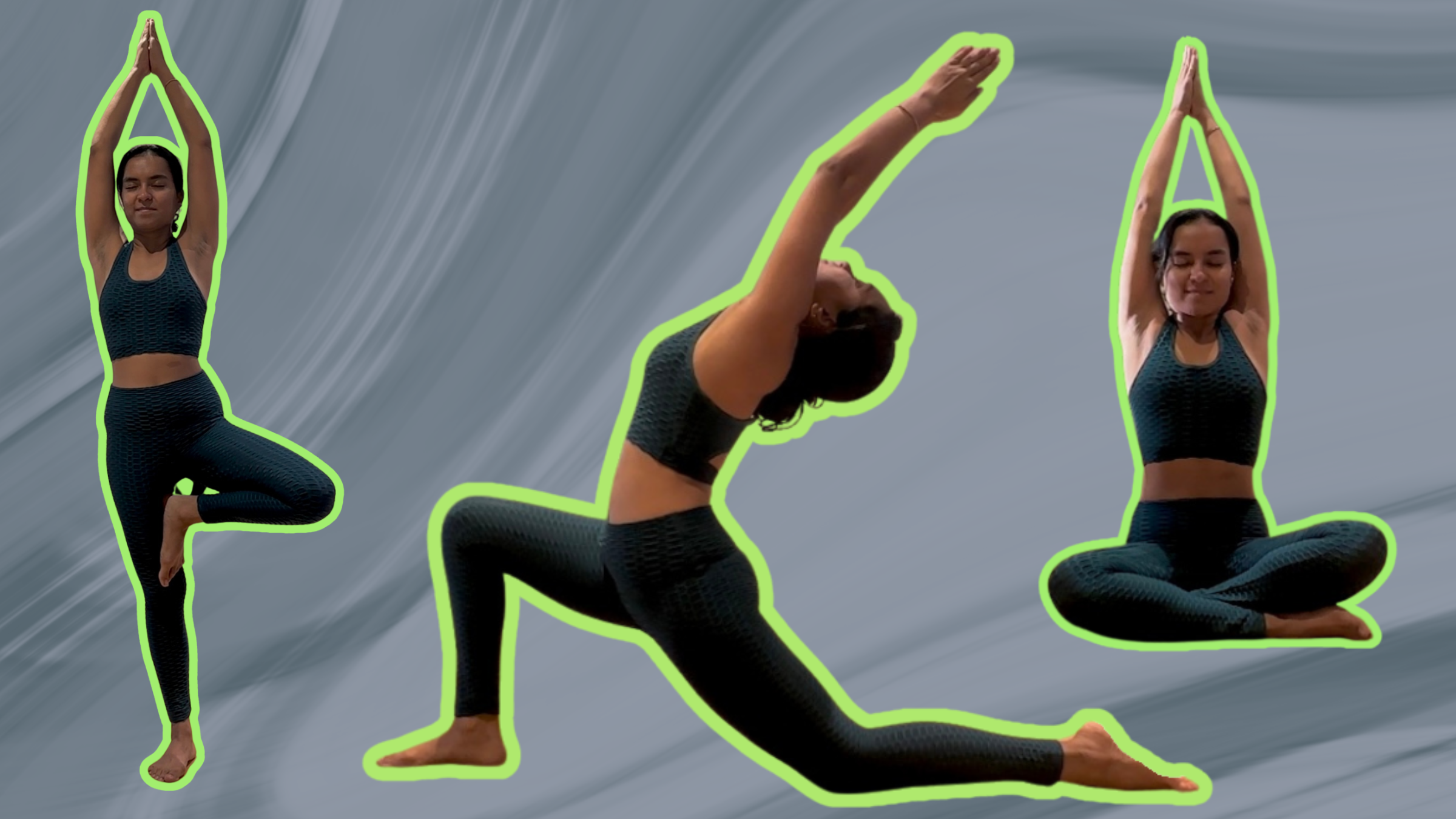
Davda’s path began in the high-pressure environment of a teacher training program in Rishikesh. The curriculum was, by design, uncompromising. Students were expected to master complex postures, understand the nuances of ancient texts, and, perhaps most dauntingly, command a room of peers.
"In the beginning, the vulnerability was paralyzing," Davda reflects. "The environment in Rishikesh is intense; there is no room for half-hearted effort. Every morning, I had to confront the version of myself that wanted to hide."
The process followed a distinct trajectory:
- The Physical Foundation: Initially, the focus was purely mechanical—learning to hold poses that required physical stamina. This helped bridge the gap between mind and body, proving to herself that she was capable of physical resilience.
- The Vocal Emergence: Through consistent pranayama (breathwork) and chanting, the physiological act of speaking became less daunting.
- The Philosophical Alignment: By adopting the concept of svadharma—the belief that each individual has a unique, ordained path—the external pressure to "fit in" was replaced by a drive to fulfill a personal purpose.
- Integration: Finally, the habits formed on the mat began to seep into her professional interactions, family gatherings, and daily communication, leading to the emergence of a more grounded, authentic persona.
Supporting Data: The Science of Posture and Presence
The assertion that yoga influences confidence is increasingly backed by clinical research. The physiological link between body language and internal state is known as "power posing" or, more broadly, "embodied cognition."
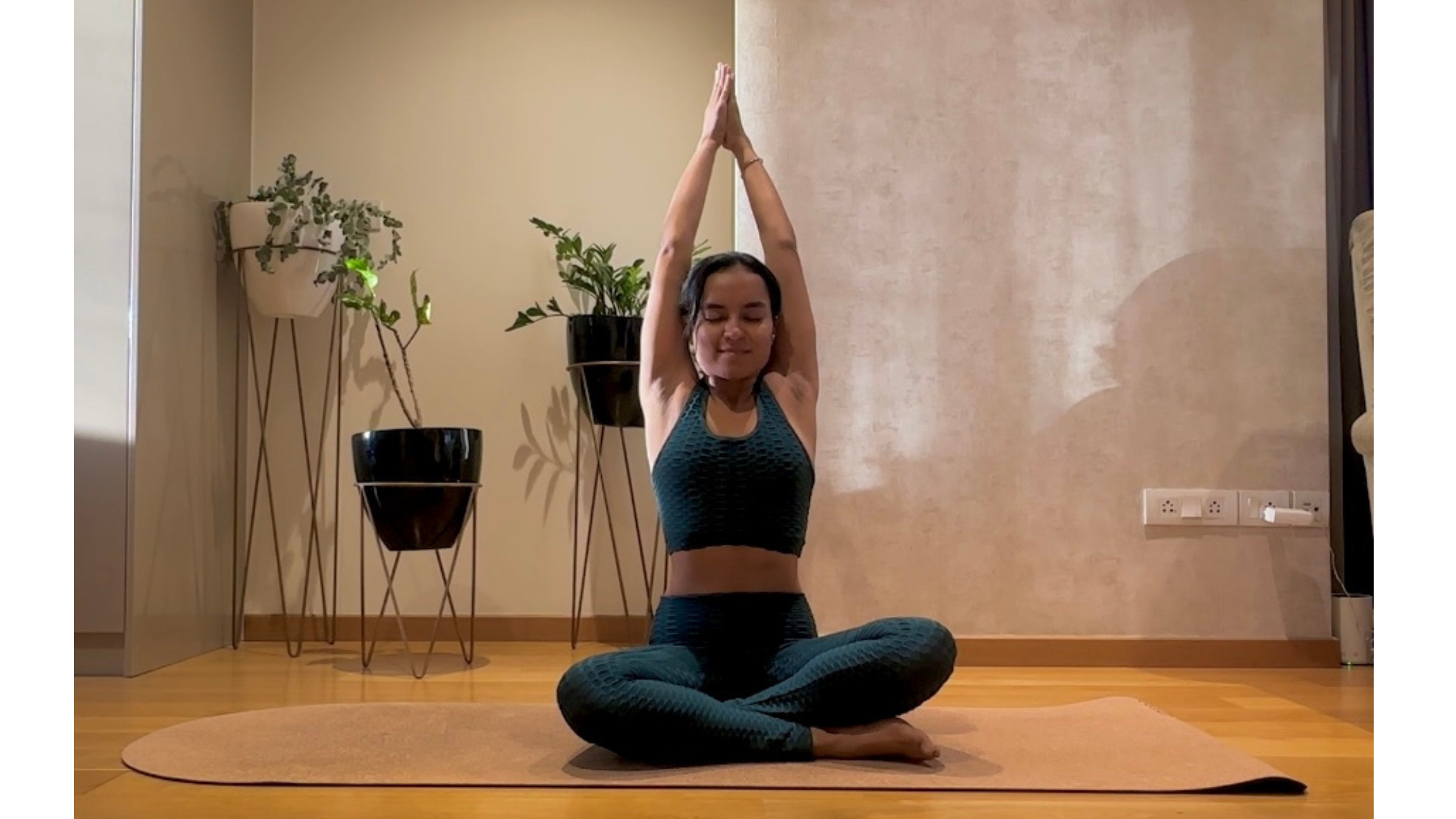
A seminal study published in the Journal of Experimental Social Psychology found that adopting expansive, open postures can decrease cortisol (the stress hormone) and increase testosterone levels, which are associated with feelings of dominance and assertiveness. When Davda teaches Seated Mountain Pose, she is not merely encouraging a physical stretch; she is utilizing a technique that signals to the nervous system that the individual is safe, grounded, and present.
Furthermore, the practice of Brahmari Pranayama (Humming Bee Breath) has been shown in various studies to stimulate the Vagus nerve. By focusing on the resonance of the sound within the skull, practitioners can downregulate the sympathetic nervous system—the "fight or flight" response—thereby creating the internal calm necessary for articulate, confident speech.
The Concept of Svadharma: A Purpose-Driven Life
Central to the yogic approach to confidence is the concept of svadharma. In the Bhagavad Gita, the text defines this as one’s "own duty" or the unique role one plays in the cosmic order.
Modern psychology often frames confidence as "self-esteem," which can be fragile and dependent on external validation. However, the yogic framework shifts the locus of control. When an individual aligns their daily actions with a sense of purpose—a mission larger than their own ego—the fear of failure diminishes.
"When I stopped worrying about how I was being perceived and started focusing on my svadharma—my duty to share this practice and support others—my confidence stopped being about me," Davda explains. "It became about the work. That shift in perspective is the ultimate antidote to imposter syndrome."
6 Ways to Practice Yoga for Confidence
The following practices are designed to cultivate the inner resources necessary to face life’s challenges with poise. These are not magic spells, but neurological and physical reminders of your inherent capacity.
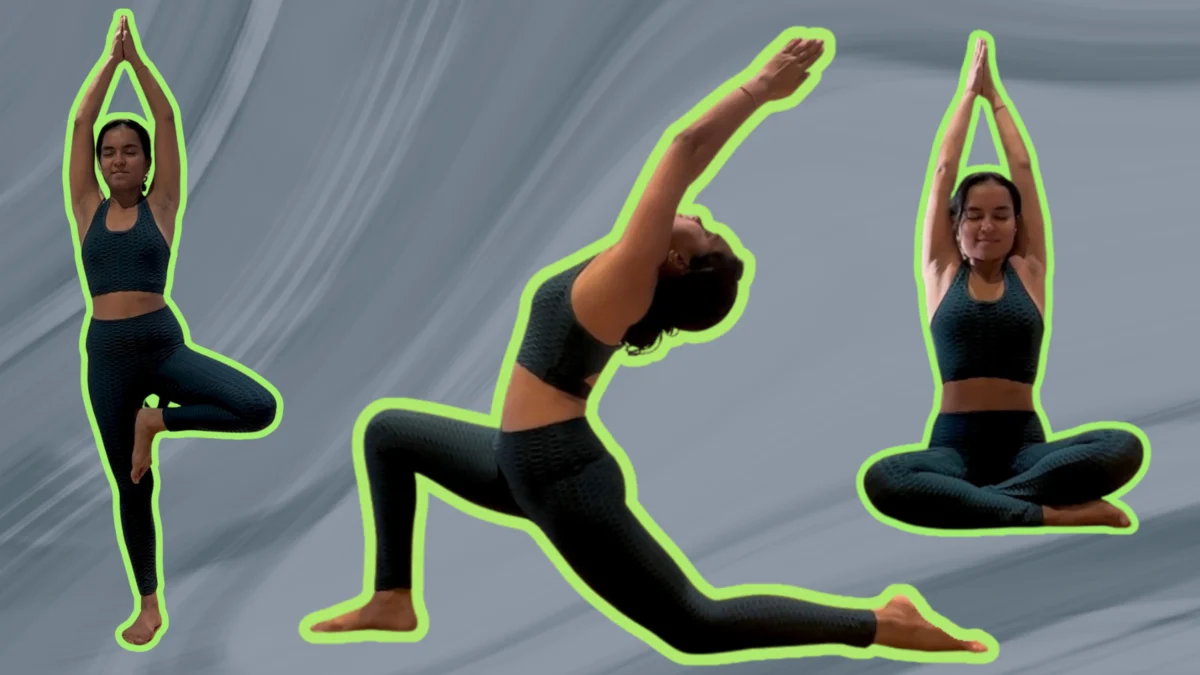
1. Seated Mountain Pose (Parvatasana)
Posture is the primary language of the body. By engaging the core and lengthening the spine, you shift your physiological state from one of protection (slouching) to one of engagement.
- The Benefit: Wakes up the postural muscles and creates a feeling of being "rooted" yet "rising."
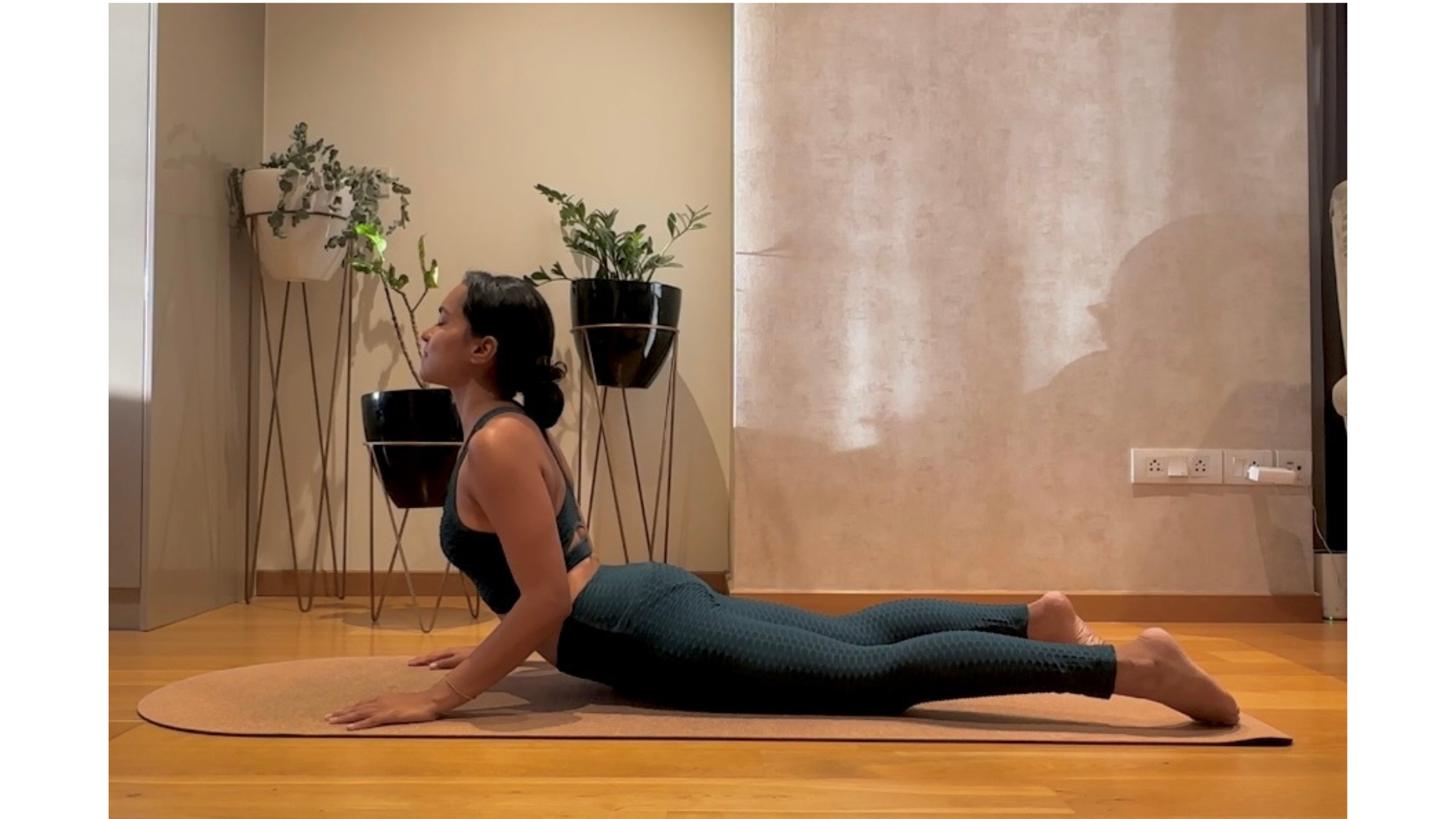
2. Cobra Pose (Bhujangasana)
The heart space is often closed off by modern habits like hunching over laptops. Cobra Pose physically opens the thoracic cavity.
- The Benefit: Symbolically and physically, it encourages an open, vulnerable, and courageous posture, helping to shed the "shell" of insecurity.
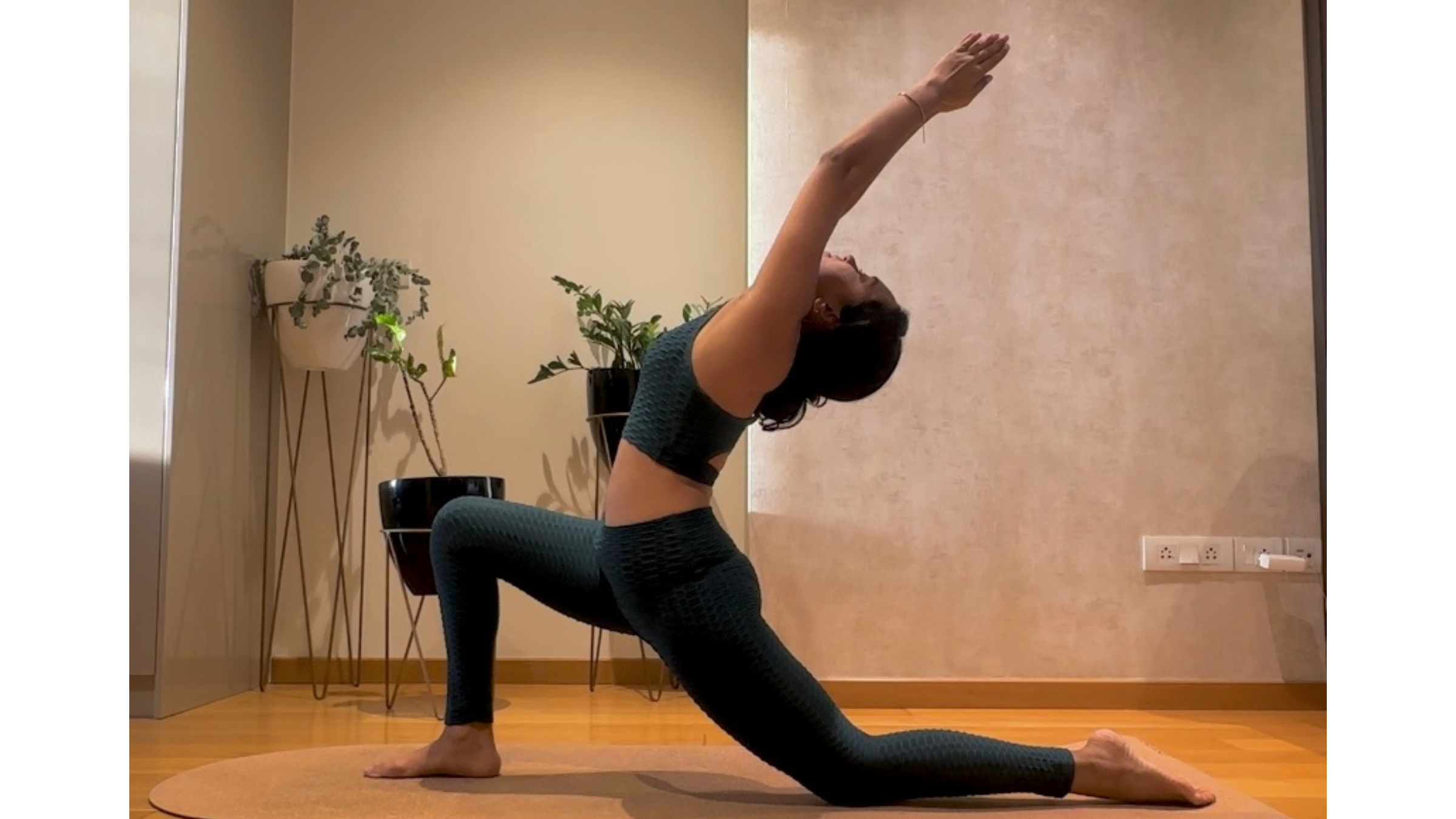
3. Low Lunge (Anjaneyasana)
Hips are frequently cited in somatic therapy as the storage unit for emotional tension.
- The Benefit: By releasing the psoas and hip flexors, you allow for a greater flow of energy through the center of the body, fostering a sense of emotional liberation.
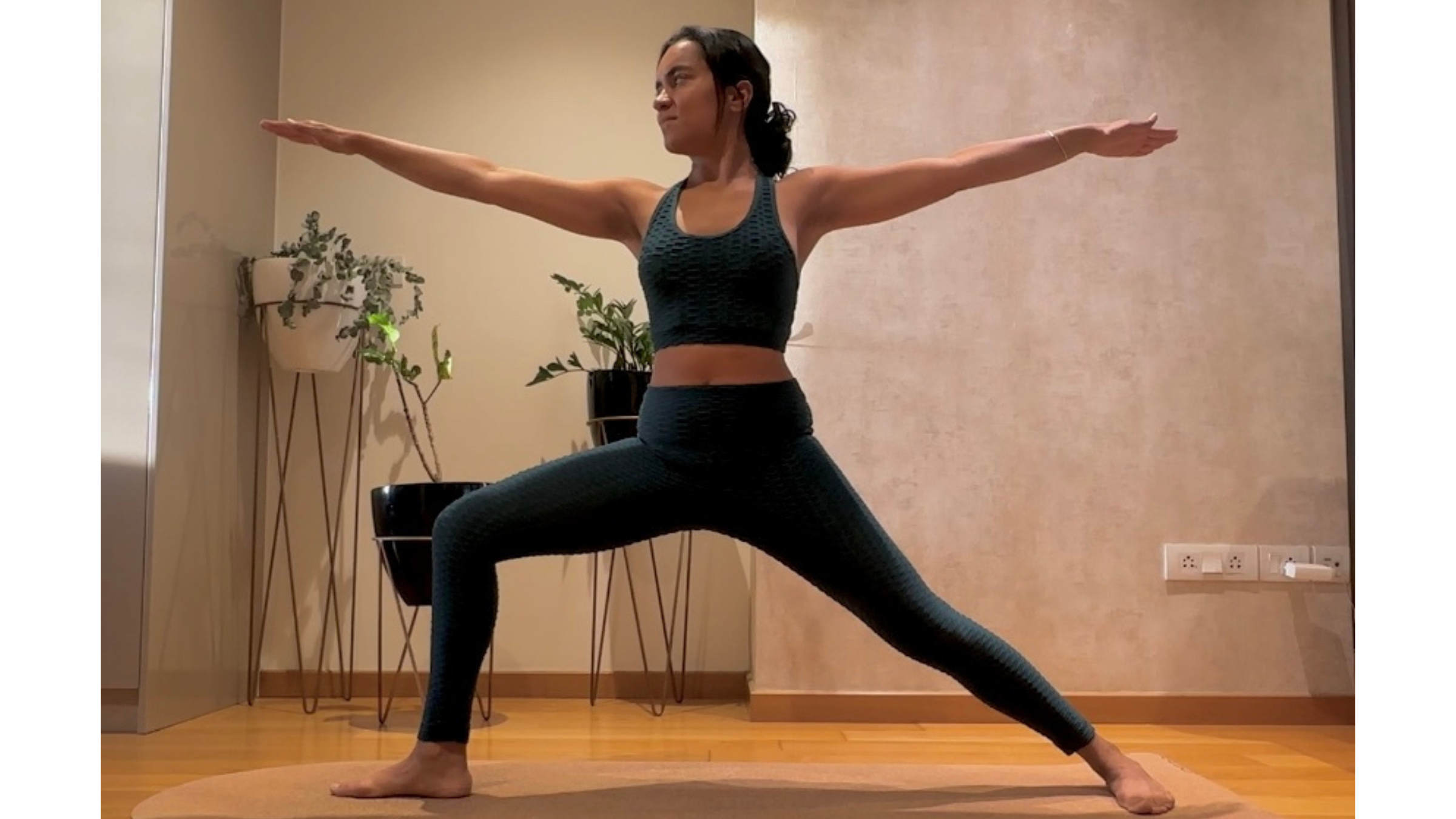
4. Warrior 2 (Virabhadrasana)
This is the quintessential pose of determination. It requires intense focus and the ability to hold space.
- The Benefit: It builds physical strength in the legs and requires the practitioner to gaze steadily forward, training the mind to remain focused despite discomfort.
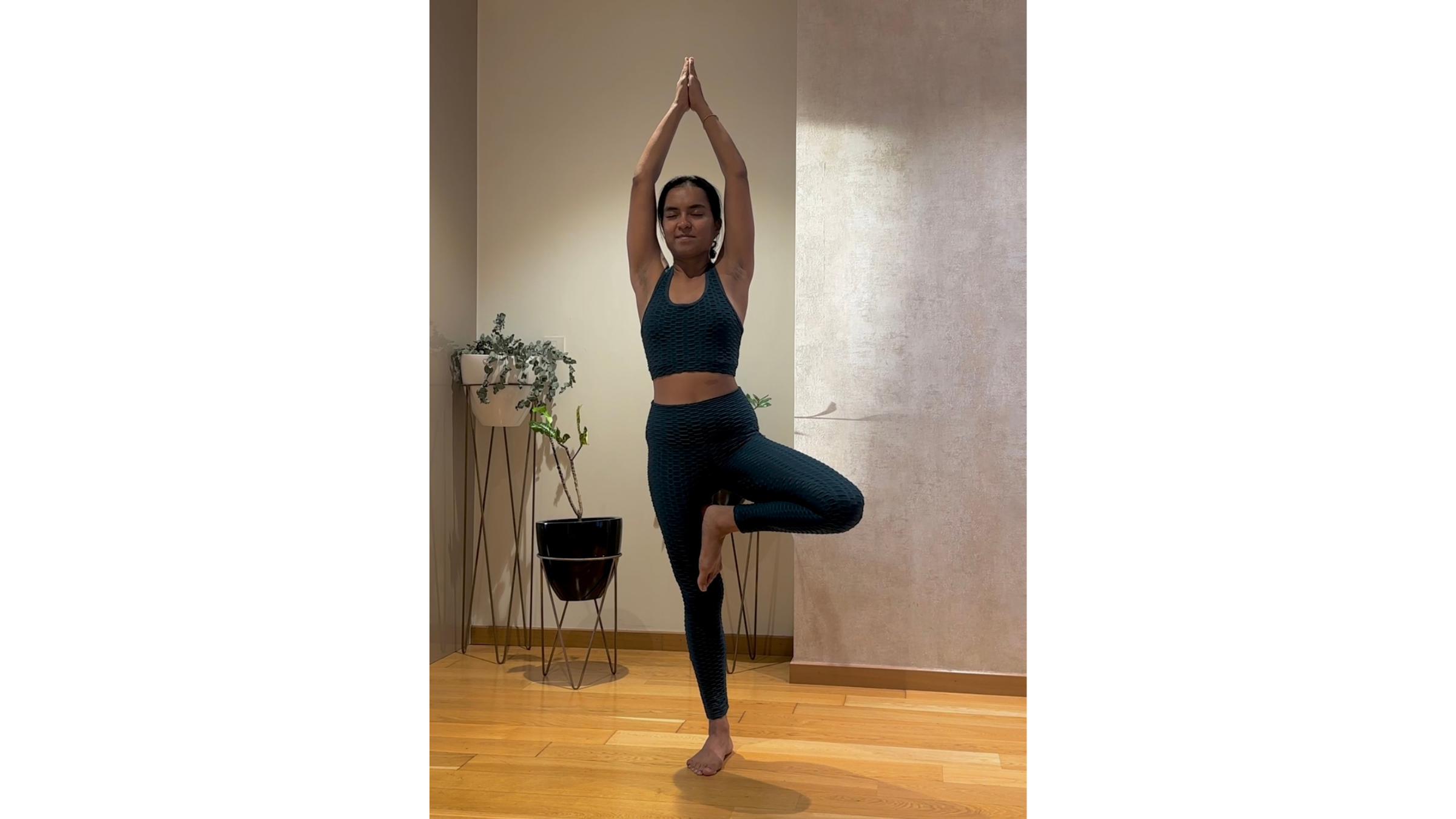
5. Tree Pose (Vrksasana)
Balance is dynamic. To stay in Tree Pose, one must accept the wobbles and return to the center.
- The Benefit: It teaches that stability is not about being perfectly still, but about being able to recover your balance quickly after being shaken.
6. Humming Bee Breath (Brahmari Pranayama)
By vibrating the vocal cords and closing off sensory input, you create a private sanctuary of sound.
- The Benefit: It clears the mental chatter and prepares the voice for authentic, resonant communication.
Implications for Modern Society
The implications of this discipline extend far beyond the yoga studio. In an increasingly polarized and competitive professional world, the ability to maintain composure and speak with clarity is a high-value skill.
When organizations encourage employees to focus on "embodied confidence," they often see an increase in creative risk-taking and collaborative success. By fostering an environment where individuals feel safe to embody their svadharma, companies can mitigate the burnout associated with "masking"—the exhausting effort of pretending to be someone else to fit corporate expectations.
Moreover, the rise of "mindful leadership" suggests that the future of work lies in the integration of these ancient technologies. Leaders who can regulate their own nervous systems through breathwork, and who can project confidence through intentional posture, are better equipped to navigate crises and lead with empathy.
Conclusion: The Practice is the Point
As Davda emphasizes, the goal of yoga is not to reach a destination where one is "finally confident." Life is fluid, and circumstances will always arise that test our resolve. The goal is to develop a relationship with the self that is resilient enough to handle those tests.
By showing up on the mat, repeating the poses, and returning to the breath, you are not just exercising—you are practicing the art of being human. You are learning that your voice, when rooted in the body and aligned with your purpose, is a powerful instrument. In a world that often demands you shrink to fit in, yoga provides the tools to stand tall, breathe deep, and express your truth with unwavering clarity.