





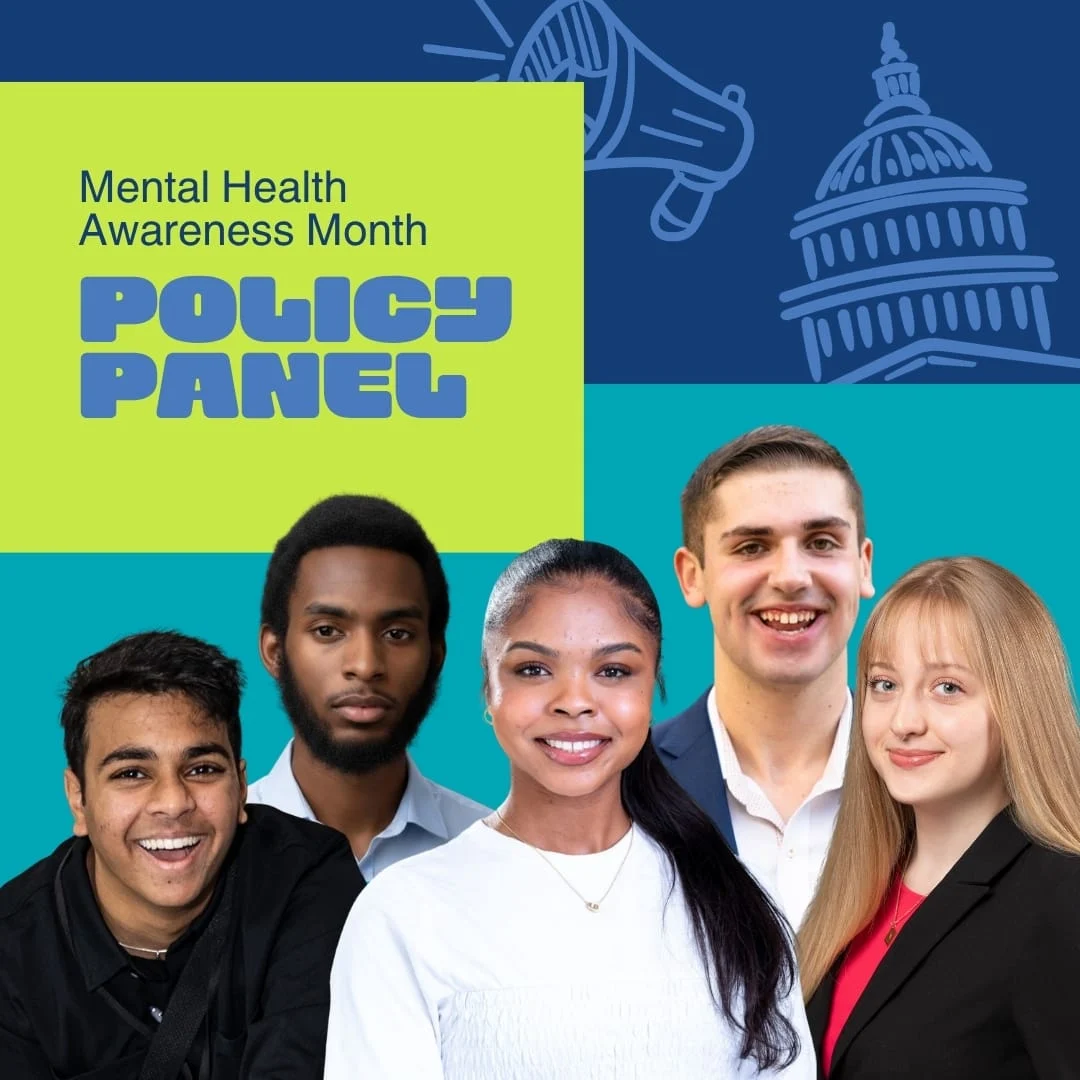
The introduction of the bill coincides with Youth Mental Health Awareness Week and marks a pivotal shift in federal policy—moving away from purely reactive measures toward a proactive, systemic framework that centers on the voices of those most affected: the students themselves.
Main Facts: A Bipartisan Strategy for Student Safety
The Campus Lifeline Act (H.B. 8657) was introduced on May 4 by a bipartisan coalition of lawmakers, including Representatives Erin Houchin (R-IN), Lori Trahan (D-MA), David Valadao (R-CA), and Mark Pocan (D-WI). The bill’s primary objective is to ensure that mental health resources are as visible and accessible as physical health services on campus.
The legislation focuses on two core pillars:
- Visibility and Accessibility: Requiring all newly issued student ID cards at institutions of higher education to include the 988 Suicide & Crisis Lifeline number. This ensures that every student has a direct link to professional help literally in their pocket at all times.
- Systemic Investment: Increasing federal funding and support for youth-informed mental health strategies. This includes expanding the reach of the Garrett Lee Smith Youth Suicide Prevention Program and encouraging campuses to adopt peer-support models that have proven effective in reaching young adults.
The bill is the culmination of years of advocacy by Active Minds, an organization that has spent two decades mobilizing youth to transform mental health norms. By authoring this legislation, the organization has moved from the sidelines of advocacy into the heart of the legislative process, ensuring that the "lived experience" of students informs federal law.
Chronology: From a Student Idea to Federal Legislation
The path to the Campus Lifeline Act did not begin in a Washington boardroom, but rather on a college campus in the Midwest. A decade ago, members of the Active Minds chapter at the University of Dayton proposed a simple yet revolutionary idea: putting crisis hotline numbers on the back of student ID cards. The students recognized that during a moment of acute distress, a person might not have the presence of mind to search the internet for a phone number. Having that number on an object they carry every day—their ID card—could be the difference between life and death.
Over the next ten years, this grassroots movement gained momentum. Active Minds chapters across the country began lobbying their individual administrations to adopt the practice. As more universities implemented the change, the data began to show that increased visibility led to increased utilization of services.
The momentum shifted to the national stage following the launch of the nationwide 988 Lifeline in July 2022. Seeing the success of the 988 transition, Active Minds began drafting the Campus Lifeline Act to codify these campus-level successes into federal law. The bill was formally introduced this month, supported by a congressional briefing titled “Advancing 988 and Peer Support: Youth Voices Take the Lead on Capitol Hill,” which brought together student advocates and policymakers to finalize the push for legislative action.
Supporting Data: The Reality of the Youth Mental Health Crisis
The necessity for the Campus Lifeline Act is underscored by a series of sobering statistics regarding the state of mental health among young Americans. According to data from the Centers for Disease Control and Prevention (CDC), suicide remains the second leading cause of death among youth ages 10–34 in the United States. Globally, it is the third leading cause of death for individuals aged 15–29.
Despite increased public conversation about mental health, a massive "treatment gap" persists:
- The Treatment Gap: Approximately 67% of young adults experiencing mental health symptoms do not receive treatment.
- Under-Diagnosis: Fewer than 20% of youth with diagnosable mental health conditions are currently supported by professional services.
- The 75% Rule: Research indicates that 75% of all mental health conditions emerge by the age of 24, making the college years a critical window for intervention.
- Prevalence: One in three youth currently lives with a diagnosable mental health condition.
However, recent data also suggests that targeted interventions work. A study recently published in the journal JAMA found an estimated 11% decline in youth suicide deaths following the introduction of the 988 Suicide & Crisis Lifeline. This decline represents thousands of lives saved, providing a powerful empirical argument for making the 988 number as visible as possible in high-stress environments like college campuses.
Furthermore, the 2024-2025 Healthy Minds Study revealed that while 32% of youth report anxiety and 37% report depression, those involved in advocacy and peer support report higher levels of purpose and connection, suggesting that student involvement is itself a form of "preventative medicine."
Official Responses: Bipartisan Leadership and Advocate Perspectives
The introduction of the bill has drawn strong support from both sides of the aisle, reflecting a rare moment of consensus in a divided Congress.
Representative Erin Houchin (R-IN) emphasized the government’s duty to protect its youngest citizens. “We have a responsibility to make sure young people know where to turn in a moment of crisis,” Houchin stated. “This bill promotes early intervention, student engagement, and life-saving mental health resources. It’s our goal to make sure every young person knows help is available.”
Congresswoman Lori Trahan (D-MA), who previously led the Garrett Lee Smith Reauthorization Act, noted that the Campus Lifeline Act is a necessary evolution of existing suicide prevention efforts. “By leveraging the reach of the 988 Suicide & Crisis Lifeline, we can connect more teens and young adults with the support they need… and reach more young people before a crisis becomes a tragedy,” Trahan said.
From the advocacy side, Alison Malmon, Founder and Executive Director of Active Minds, highlighted the shift toward student-led solutions. “Youth and young adults are championing a new era of mental health on the front lines, yet our system still waits for crisis,” Malmon said. “That’s why policies like the Campus Lifeline Act matter—they reflect solutions youth and young adults are already designing and leading.”
Anika Rahman, Director of Policy at Active Minds, echoed this sentiment, noting that the best laws are shaped by those with firsthand experience. “Awareness and education around mental health resources are vital, and when youth and young adults lead, they help create solutions that are practical and accessible,” Rahman remarked.
Implications: Shifting from Crisis Response to Prevention
The Campus Lifeline Act carries profound implications for the future of higher education and mental health policy. If passed, the bill will signal a shift from a reactive mental health system to a proactive one.
1. Normalization of Help-Seeking Behavior
By placing the 988 number on student IDs, the act normalizes the idea that mental health support is a standard part of the student experience. It removes the "friction" of seeking help—students no longer need to find a flyer in a counseling center or search a website; the resource is always with them.
2. Equipping the "De Facto" Mental Health System
One of the most striking findings from Active Minds’ research is that 67% of youth say they would turn to a friend first when struggling. This effectively makes students the "de facto" mental health system for their peers. However, 70% of students report they do not feel equipped to help. By increasing federal investment in peer-support training and youth-informed strategies, the Campus Lifeline Act aims to provide these students with the tools they need to support one another safely.
3. Systemic Longevity
While many universities have temporary programs funded by one-time grants, the Campus Lifeline Act seeks to build mental health support into the foundational infrastructure of the campus. As Carson Domey, a student advocate, noted during the congressional briefing: “Expanding access to resources like 988 and making them visible in everyday spaces is a simple step that can make a life-saving difference.”
4. The "We Mind" Movement
The bill’s introduction also serves as the launchpad for Active Minds’ new national campaign, "We Mind." The campaign is built on the premise that when youth unite around mental health, they become an undeniable political and social force. This movement suggests that the Campus Lifeline Act is only the beginning of a broader trend where young people take the lead in rewriting the laws that govern their well-being.
Conclusion
As the Campus Lifeline Act moves through the legislative process, it stands as a testament to the power of student-led innovation. What began as a local initiative at the University of Dayton has evolved into a federal priority that could save thousands of lives. By ensuring that help is always within reach—literally in the palm of a student’s hand—the act promises to create a safer, more supportive environment for the next generation of American leaders.
For more information on the bill and how to support youth mental health advocacy, visit activeminds.org.