



As the global community moves further into the third decade of the 21st century, the concept of a "new normal" has transitioned from a temporary state of crisis to a foundational aspect of daily life. The year 2021 served as a pivot point—a period defined by the fragile balance between returning to pre-pandemic routines and maintaining the resilience-building habits forged during the lockdowns of 2020.
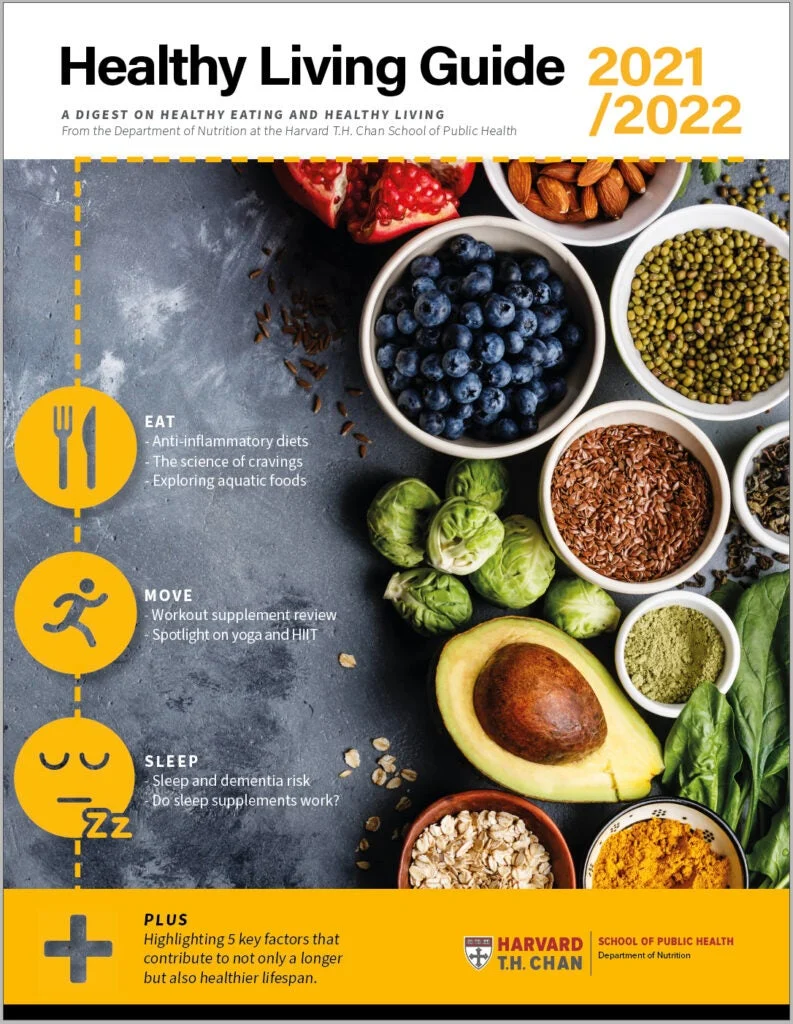
For many, this period was characterized by a reassessment of personal health, dietary habits, and physical activity. To assist in this ongoing transition, the Harvard T.H. Chan School of Public Health has released its latest Healthy Living Guide, a comprehensive resource designed to synthesize clinical research into actionable lifestyle advice. As we look toward the future, understanding how our behaviors have shifted—and how they must evolve—is essential for long-term well-being.
The Shifting Landscape: Main Facts and Behavioral Trends
The behavioral data from 2021 paints a complex picture of the American consumer. According to the 2021 Food and Health Survey, the erratic eating patterns observed during the height of the pandemic began to stabilize. In 2020, the stress and isolation of lockdown led to a spike in "stress eating" and increased snacking. By 2021, the urgency of those habits waned: only 18% of Americans reported snacking more, a significant drop from the 32% recorded in 2020. Similarly, the number of people reporting that they were "eating more in general" fell from 20% to 11%.
However, this "stabilization" came with a caveat: a marked decline in home cooking. After a massive surge in 2020—where 60% of consumers reported cooking at home more frequently—that figure fell to 47% in 2021. As society reopened, the convenience of pre-prepared food and dining out regained its hold, potentially threatening the nutritional gains made when families were forced to prepare their own meals.
Chronology: From Lockdown to Reintegration
- 2020 (The Year of Disruption): Characterized by sudden, mandatory shifts in lifestyle. Home cooking peaked as restaurants closed; physical activity became isolated and home-based.
- 2021 (The Year of Adaptation): A period of tentative reintegration. Consumers began to balance office work with remote setups, resulting in a regression toward pre-pandemic dietary patterns.
- 2022 and Beyond (The Year of Intentionality): The current era, where the challenge is to retain the positive health habits learned during the pandemic while navigating a world of increasing complexity and global health volatility.
Supporting Data: Understanding the Nutritional Divide
The Harvard Healthy Living Guide emphasizes that while individual choices matter, we must acknowledge the macro-level disparities that define health outcomes. The pandemic did not affect all demographics equally; it exacerbated existing inequalities in food security.
For millions, the ability to "eat healthy" is not merely a matter of willpower but one of accessibility. The data highlights a sobering reality: as we discuss the nuances of Mediterranean diets or the benefits of plant-based proteins, a significant portion of the population continues to struggle with basic food access. This disparity remains a central concern for public health officials, who argue that sustainable living guides must be paired with policy efforts to address food deserts, income inequality, and the rising cost of fresh produce.
Global Implications and the Vaccination Imperative
Beyond the kitchen table, the overarching theme of health remains inextricably linked to the trajectory of COVID-19. The emergence of variants throughout 2021 served as a stark reminder that personal health cannot be divorced from global health.
Public health experts at Harvard and beyond have repeatedly underscored that the pandemic will not truly end until it ends everywhere. The persistence of variants in regions with low vaccination rates has global implications, affecting supply chains, mental health, and the stability of healthcare systems worldwide. Consequently, the call to action for 2022 and beyond is twofold: prioritize personal metabolic health through better sleep and nutrition, and advocate for equitable global health policies, particularly in low- and lower-middle-income countries.
Official Responses and Expert Guidance
The Healthy Living Guide is more than a set of tips; it is a clinical response to the "lifestyle disease" epidemic. With obesity rates, metabolic disorders, and mental health struggles reaching record highs, experts suggest that we must approach health with a "whole-systems" perspective.
The Three Pillars of the 2022 Strategy:
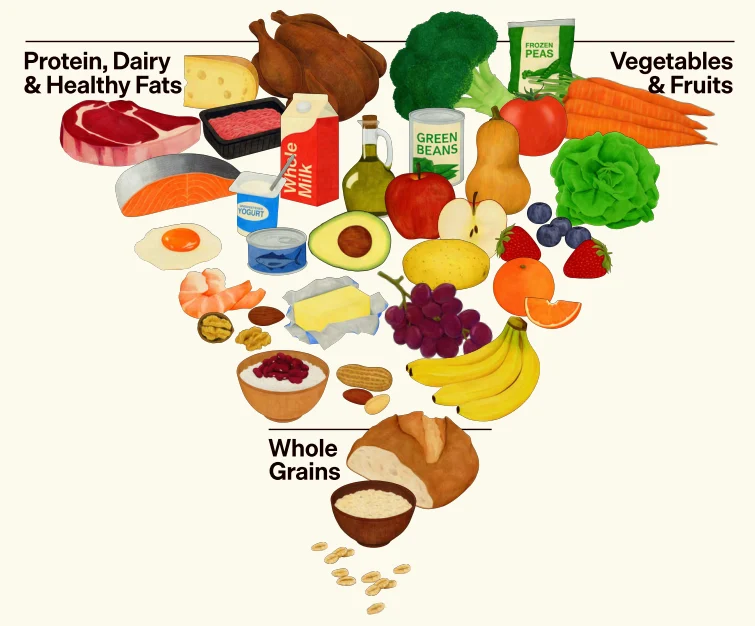
- Eating Well: The guide moves away from fad diets, advocating for a balanced intake of whole grains, healthy fats, and lean proteins. It emphasizes the importance of reading labels and understanding the impact of ultra-processed foods, which have become more prevalent as home cooking rates decline.
- Being Active: The pandemic proved that exercise does not require a gym membership. The current advice encourages integrating "incidental movement"—walking, stair-climbing, and active commuting—into the workday, especially as many continue to work in hybrid or remote environments.
- Prioritizing Sleep: Often the most overlooked aspect of health, sleep is treated as a foundational element of immune function. The guide provides evidence-based strategies for improving sleep hygiene, such as limiting screen time before bed and establishing consistent circadian rhythms.
The Path Forward: Implications for a Fulfilling Life
As we navigate the "twists and turns" of the ongoing pandemic, the Harvard T.H. Chan School of Public Health offers a template for success. The primary implication of this research is that health is not a destination, but a series of daily, intentional choices.
Why the "New Normal" Requires New Habits
The decline in home cooking observed in 2021 suggests that as life becomes "busy" again, nutrition is often the first casualty. To counter this, the Healthy Living Guide suggests:
- Batch Preparation: Even if you cannot cook every night, dedicating time to prepare healthy snacks and meals in advance can prevent the reliance on ultra-processed alternatives.
- Mindful Consumption: Moving away from the stress-induced eating of 2020 toward a more mindful approach, where hunger cues are respected and emotional eating is addressed through other outlets.
- Community Engagement: Health is easier to maintain in a community. Sharing healthy recipes, participating in active groups, and fostering social connections are vital for long-term mental and physical resilience.
Testing Your Knowledge
A unique feature of this year’s initiative is the call for self-assessment. By revisiting the core themes of previous guides, readers are encouraged to reflect on how far they have come. If you have been following these updates, consider the following:
- Have your sleep patterns improved since 2020?
- Are you able to identify the difference between hunger and boredom-based snacking?
- Have you integrated movement into your professional day, or has your sedentary time increased?
Conclusion
The transition from 2020 to the present has been a masterclass in human adaptability. We have learned to work, learn, and socialize in entirely new ways. However, as the initial shock of the pandemic fades, we run the risk of sliding back into habits that may not serve our long-term health.
By leveraging the resources provided in the Healthy Living Guide, individuals can take proactive steps to secure their well-being. Whether it is through improved nutritional choices, a commitment to daily activity, or a dedication to adequate sleep, the power to define our "new normal" remains in our hands. As we move forward, let us choose a path that is not only sustainable for our bodies but also for the global community.
For those seeking to deepen their understanding, the full Healthy Living Guide is available for download, complete with printable tip sheets and actionable summaries. In a world of uncertainty, the most reliable investment you can make is in your own health.
To access the full suite of resources, including the printable PDF, research summaries, and interactive quizzes, visit the Harvard T.H. Chan School of Public Health Nutrition Source website. Stay informed, stay active, and continue to prioritize the foundations of a healthy, fulfilling life.