









The Unfolding Reality of Complicated
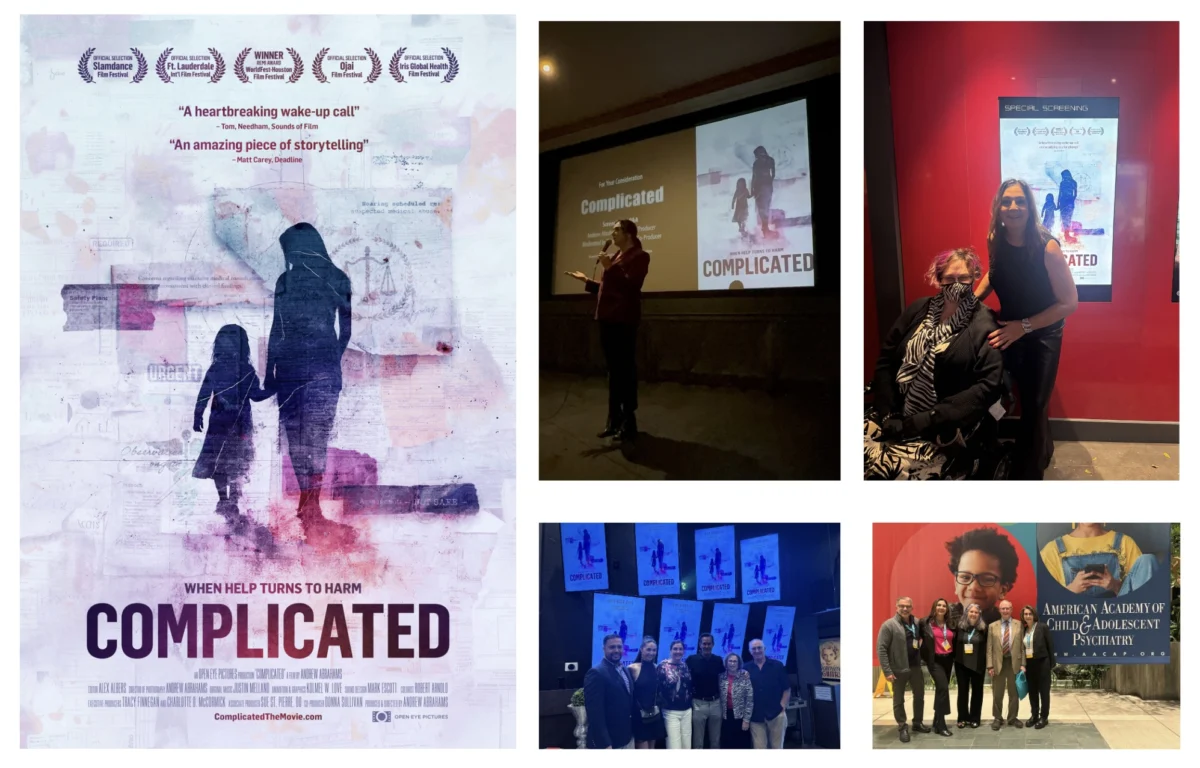
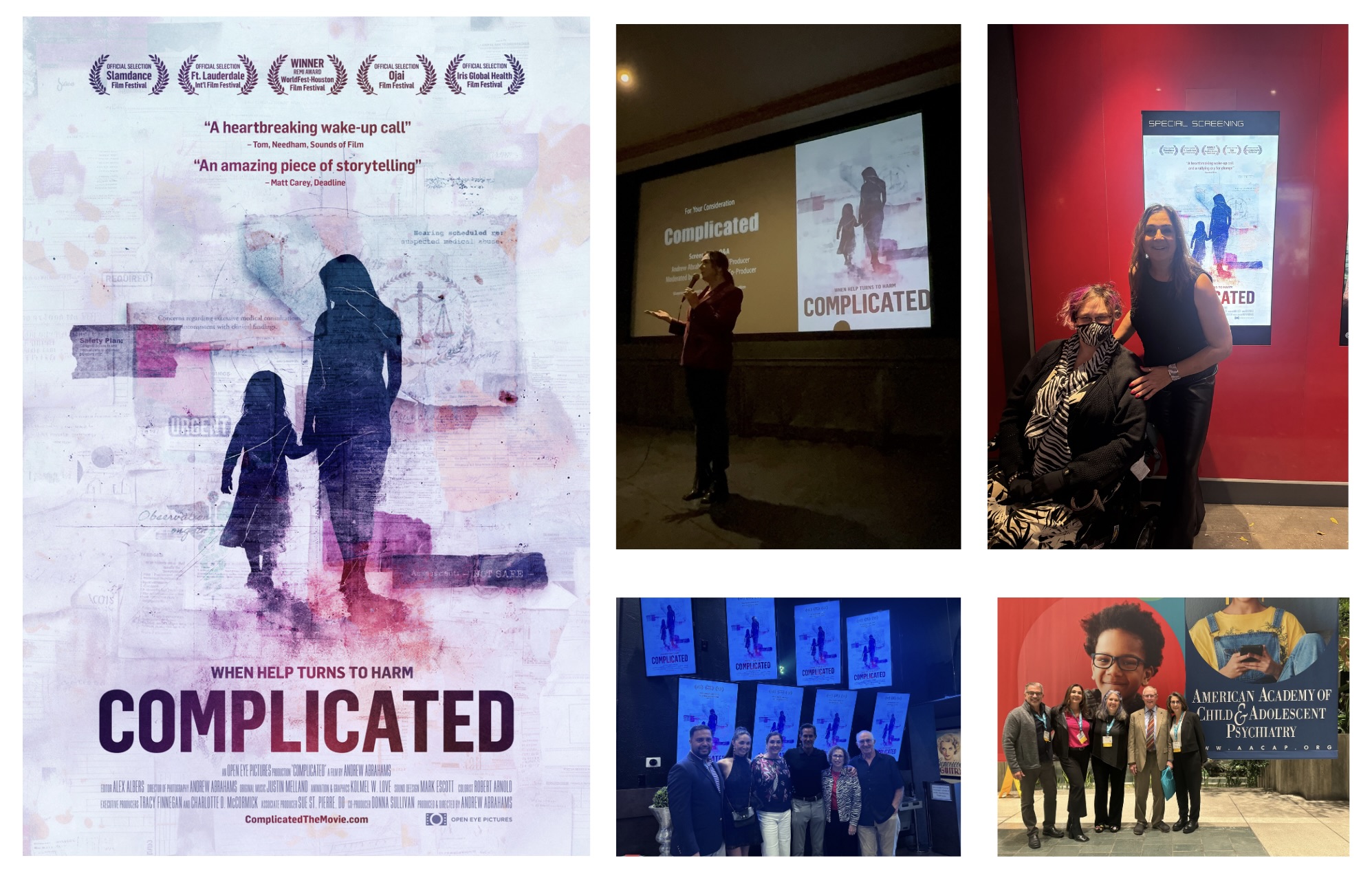
In a cinematic milestone for the chronic illness community, the documentary film Complicated is set to premiere on Apple TV on May 19, 2026. For its creators, the timing of the release—coinciding with Ehlers-Danlos Syndrome (EDS) Awareness Month and Mother’s Day—is not merely coincidental; it is a profound reflection of the project’s core mission. After nine years of meticulous development, the film serves as a clarion call to address the systemic failures, medical gaslighting, and the devastating impact of false allegations of medical abuse that have long plagued families living with EDS.
Directed by Andrew Abrahams, Complicated moves beyond traditional medical narratives to offer a raw, unflinching look at the lives of families navigating a healthcare system that frequently fails them. As the film transitions from the film festival circuit to a global streaming audience, its producers are launching a secondary phase: a comprehensive clinical education initiative designed to bridge the gap between patient reality and medical practice.
A Chronology of Advocacy and Awareness
The journey toward the release of Complicated is inextricably linked to the broader timeline of EDS advocacy.
- The Early Years (2017–2020): The initial conceptualization of the film began nearly a decade ago, born out of a necessity to document the "care gap." During this period, patient advocacy groups began to push back against the traditional, narrow definitions of EDS that ignored the condition’s systemic, multi-organ impact.
- The Festival and Conference Circuit (2025): Throughout the past year, the film was screened at various medical conferences and patient advocacy summits. The reception proved to be a watershed moment; rather than sparking defensiveness, the film’s "raw honesty" acted as a catalyst for dialogue between healthcare providers and patients.
- The Current Landscape (May 2026): As the film prepares for its Apple TV debut, the medical community is witnessing a flurry of research activity. The integration of long-overdue clinical data is finally providing the empirical backbone that patients have been seeking for decades.
- Future Milestones (Late 2026): The EDS Society is slated to release updated diagnostic criteria, a pivotal shift expected to standardize care and improve diagnostic accuracy across the globe.
The Anatomy of a Medical Crisis: Supporting Data and Observations
The urgency of Complicated is backed by a growing body of evidence that suggests the current approach to EDS is insufficient. For years, "lived patient experience" was dismissed as anecdotal. However, recent research papers have begun to validate the multi-systemic nature of the condition, confirming that EDS is not merely a joint-laxity disorder, but a complex, systemic phenomenon.
The "Care Gap" and Its Consequences
The film highlights the harrowing experience of families who, due to the medical establishment’s misunderstanding of EDS symptoms, have been unfairly investigated by child protective services. This phenomenon—where medical professionals misinterpret complex, non-obvious symptoms as signs of abuse—has left deep, lasting scars on the patient community.
Data from the production team and partner organizations like Elevate Rare indicates that these incidents are not isolated. They are symptomatic of a broader failure in clinical education. When doctors are not trained to recognize the systemic manifestations of Ehlers-Danlos Syndrome, they often revert to diagnostic bias, leading to the mislabeling of pediatric patients and the destruction of family units.
The Personal Stakes: A Cycle of Recurring Challenges
Despite the progress made, the struggle remains deeply personal. The author of this initiative notes an ironic and heartbreaking turn of events: her own daughter recently developed Long COVID, which triggered a secondary cascade of EDS-related complications.
This experience has placed the author back into the role of a caregiver, navigating the same top-tier hospitals that were meant to be centers of healing. The recurring observation? Even today, well-meaning physicians frequently fail to connect the dots between Long COVID and the underlying EDS. This reality serves as the primary motivator for the film’s release: the realization that while research is moving forward, the bedside experience for many remains stuck in a cycle of disbelief and medical neglect.
Official Responses and Institutional Shifts
The medical establishment is beginning to respond to the pressure for reform. The University of Virginia’s recent establishment of a comprehensive EDS clinic—one of the few in the United States to integrate research with patient care—marks a significant step forward. This model of care is exactly what the Complicated initiative advocates for: a "patient-centered" approach that treats the individual as a whole, rather than a collection of disparate, unrelated symptoms.
However, the producers of Complicated are clear: a clinic here and a research paper there are not enough. The goal is a paradigm shift. The film is intended to be a tool for policymakers and hospital administrators, forcing them to engage in the "difficult conversations" that have been avoided for far too long.
Implications: Where Do We Go From Here?
The implications of the Complicated movement are far-reaching. By providing a platform for the voices of those living with EDS, the film seeks to achieve three primary objectives:
- Validation of Patient Experience: Moving beyond the narrow focus of historical medical surveys to include the full scope of patient-reported outcomes.
- Clinical Education Reform: Equipping healthcare providers with the knowledge to recognize EDS in all its forms, thereby reducing the incidence of diagnostic errors and unnecessary legal interventions.
- Legal and Social Support: Providing resources for families currently caught in the crosshairs of child protective services through advocacy networks like Elevate Rare.
As the credits roll on Complicated, the overwhelming sentiment among audiences is not one of resignation, but of collaboration. The question, "How can we work together to fix this?" has become the rallying cry for a community that is no longer content with the status quo.
Call to Action: Join the Conversation
The release of Complicated on Apple TV on May 19 is only the beginning. For those interested in the front lines of this advocacy, a special virtual screening is scheduled for May 2, 2026, from 2:00 PM to 4:00 PM EST. This event will feature a live discussion with the families featured in the documentary, offering a rare, intimate look at the people behind the diagnosis.
Furthermore, the producers are actively seeking to connect with families who have faced investigation by child protective services. By aggregating these experiences, Elevate Rare aims to provide a unified voice to those who have been silenced, ensuring that the legal system is as informed as the medical system.
The work ahead is substantial, but the momentum is undeniable. With the combination of emerging research, new diagnostic criteria, and the power of storytelling through Complicated, the landscape for EDS care is finally beginning to change. The era of being misunderstood is drawing to a close; the era of being seen, heard, and believed has begun.
For more information on the film, upcoming screenings, or to support the advocacy efforts of Elevate Rare, please visit ElevateRare.org.