For over a decade, the summer solstice—the day with the longest stretch of daylight in the Northern Hemisphere—has served as more than just an astronomical marker. Since its inception, the Alzheimer’s Association has utilized this date to anchor its signature awareness campaign, "The Longest Day." The symbolism was deliberate: the light of the solstice stood in stark opposition to the "darkness" of Alzheimer’s disease, while simultaneously acknowledging the grueling, unending nature of caregiving for those affected by the condition.
However, as of 2026, the movement is undergoing a significant transformation. The Alzheimer’s Association has officially rebranded the initiative as "Do What You Love to End ALZ." This pivot represents more than a mere title change; it signals a fundamental shift in how the organization aims to engage the public, moving away from a single-day event toward a year-round, flexible framework designed to empower individuals to contribute to the fight against dementia on their own terms.
The Core Concept: Personalized Philanthropy
At the heart of the original campaign was a democratic approach to fundraising. The Alzheimer’s Association sought to dismantle the barriers often associated with charitable work, such as the requirement to organize high-stakes galas or train for grueling athletic marathons. Instead, they asked supporters to take an activity they already enjoyed—be it hiking, baking, playing bridge, or performing karaoke—and leverage that passion to raise funds for research and care.
By shifting the focus to "Do What You Love to End ALZ," the organization is doubling down on this accessibility. The primary evolution is the removal of the temporal constraint. Participants are no longer required to wait for the summer solstice to engage; they can now launch their efforts at any time that suits their personal schedule or life circumstances. This transition acknowledges that the needs of caregivers and patients are constant, and therefore, the support systems backing them should be just as persistent.
Chronology: A Decade of Advocacy and Adaptation
To understand the current rebranding, one must look at the evolution of the movement over the last decade:
- 2013–2016 (The Foundational Years): The Alzheimer’s Association launched "The Longest Day" as a grassroots campaign. It quickly gained traction by tapping into social networks, encouraging participants to "go purple" on the solstice. The focus was heavily on awareness and local community-building.
- 2017–2020 (Scaling and Integration): The campaign evolved to include more robust digital tools. Peer-to-peer fundraising platforms were integrated, allowing participants to track their progress and share their personal stories of loved ones affected by the disease.
- 2021–2024 (The Pandemic Shift): COVID-19 forced a reimagining of communal activity. Virtual fundraisers, online gaming tournaments, and remote fitness classes proved that the spirit of the campaign did not rely on physical proximity. This period laid the groundwork for the current "anytime, anywhere" model.
- 2025–2026 (The Strategic Rebrand): Following an internal audit of participant feedback, the Association recognized that the "solstice" branding, while poetic, occasionally limited engagement. By removing the date-specific requirement, the organization opened the door for year-round momentum, leading to the launch of "Do What You Love to End ALZ."
Supporting Data: Why Sustained Research Matters
The necessity of this campaign is underscored by the current state of Alzheimer’s research and patient care. While the medical community has celebrated recent milestones—including the approval of disease-modifying therapies that target amyloid-beta plaques—the disease remains one of the most significant public health challenges of the 21st century.
Data from the Alliance for Aging Research and the Alzheimer’s Association highlights the following:
- Economic Burden: The cost of care for individuals with Alzheimer’s and other dementias is projected to soar into the trillions by 2050 as the global population ages.
- Caregiver Strain: There are millions of unpaid caregivers in the United States alone. Research consistently shows that these individuals experience significantly higher levels of stress, depression, and physical health decline compared to their peers.
- The Funding Gap: While federal funding for Alzheimer’s research has increased, private and community-led fundraising remains essential for funding pilot programs, early-stage research, and essential support services for families in the immediate aftermath of a diagnosis.
By allowing people to fundraise year-round, the Alzheimer’s Association is creating a more stable, consistent pipeline of private capital that can bridge the gap between federal research grants and the immediate, on-the-ground needs of families.
Official Perspectives: The Value of Community Engagement
Katrin Werner-Perez, Director of Health Programs at the Alliance for Aging Research, emphasizes the importance of this shift. "The transition to ‘Do What You Love to End ALZ’ is a recognition of the volunteer’s autonomy," Werner-Perez notes. "When we allow people to integrate their activism into their daily lives—whether through art, sports, or education—we create a sustainable model of engagement that prevents donor burnout and fosters deeper connections to the cause."
The Alzheimer’s Association has maintained that the mission remains unchanged: to provide care, support, and research. However, by modernizing the call to action, they are acknowledging the changing demographics of their supporter base. Younger generations, in particular, prefer cause-marketing that is authentic and integrated into their lifestyles, rather than episodic, formal donation requests.

Implications for the Future of Alzheimer’s Care
The shift to a year-round, activity-based model has profound implications for the Alzheimer’s community:
1. Increased Mental Health Awareness
By encouraging activities that bring people joy (like gardening, singing, or exercise), the campaign inadvertently promotes the very behaviors that can help prevent or manage cognitive decline. It promotes a holistic view of brain health—physical fitness and social engagement are key pillars of long-term neurological wellness.
2. Destigmatization
"The Longest Day" was often an intense, emotional reminder of the disease’s "darkness." The new, broader branding, "Do What You Love to End ALZ," shifts the narrative slightly toward resilience and proactive, positive action. It encourages people to share their personal stories of how they are fighting the disease, moving the conversation from one of fear to one of empowerment.
3. Diversified Research Funding
When fundraising is tied to specific activities, it taps into diverse sub-communities. A group of marathon runners, a book club, and a local knitting circle may all be raising funds simultaneously but reaching entirely different demographics. This diversity of fundraising sources is vital for the stability of non-profit organizations.
How to Get Involved
The process for participating in "Do What You Love to End ALZ" is designed to be as frictionless as possible. The Alzheimer’s Association recommends a straightforward three-step process:
- Choose Your Activity: Identify something you already love to do. This could be a hobby, a professional skill, or a personal fitness goal. There is no requirement for it to be a massive event; the value lies in the consistency and the reach of your personal network.
- Register Your Event: Visit the official Do What You Love to End ALZ website. By registering, you gain access to digital toolkits, promotional templates, and a platform to manage your fundraising goals.
- Spread the Word: Utilize social media and personal outreach to invite friends, family, and colleagues to support your chosen activity. The platform makes it easy to track donations and send updates to your contributors.
For those looking for inspiration, the Association suggests:
- Physical Challenges: Virtual walkathons, yoga sessions in the park, or group cycling events.
- Creative Pursuits: Art auctions, craft fairs, or talent showcases.
- Social Gatherings: Hosting a trivia night, a bake sale, or a "game night" where entry fees are donated to the cause.
Conclusion: A Movement Without Limits
The renaming of the Alzheimer’s Association’s signature campaign is a testament to the fact that while the battle against Alzheimer’s is difficult, the methods used to fight it can be adaptable and life-affirming. By moving away from the strict calendar constraints of the summer solstice, the organization is inviting the public to weave their advocacy into the fabric of their everyday lives.
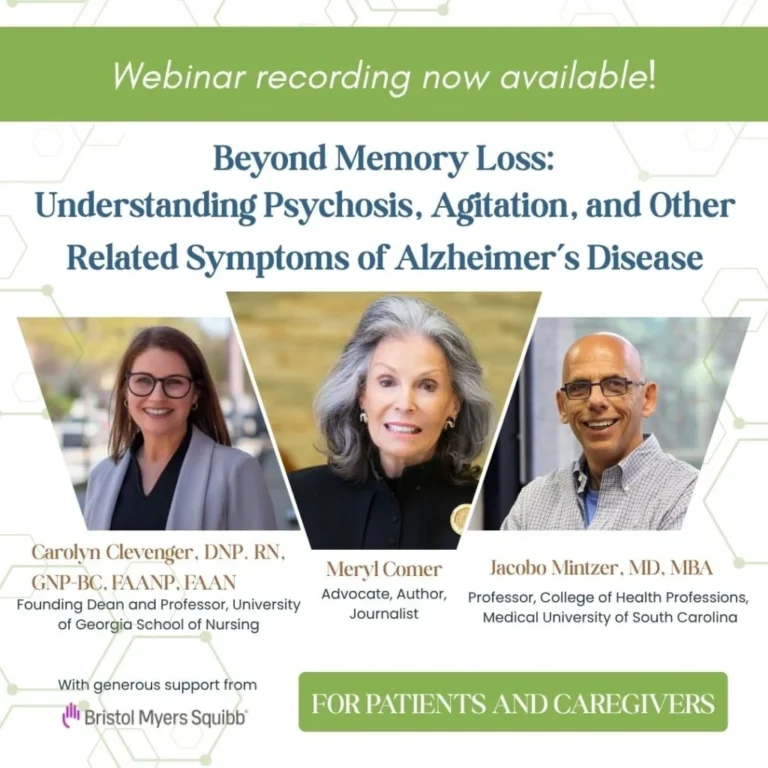
As the scientific community continues to push the boundaries of treatment—exploring everything from neuropsychiatric symptom management to the groundbreaking work of initiatives like Project PAUSE—the public’s role remains clear: to sustain the momentum. Whether through a small, intimate gathering or a large-scale community event, "Do What You Love to End ALZ" serves as a reminder that every action, no matter how small, contributes to the ultimate goal of a world without Alzheimer’s.
For those interested in learning more about the broader landscape of Alzheimer’s care, resources on symptom management, caregiver tips, and the latest in clinical research are readily available through the Alliance for Aging Research. The journey toward a cure is a long one, but through this new, year-round model of engagement, the path forward has never been more inclusive or more empowered.