For years, Will Jardell existed in the public eye as a picture of vitality. As a professional model and a standout contestant on America’s Next Top Model, his career was built on the foundation of physical excellence. Fitness wasn’t just a hobby; it was his professional currency. However, behind the camera-ready physique lay a reality that would soon test his physical and mental fortitude to their absolute limits.
In late 2021, the life Jardell knew came to an abrupt, agonizing halt. What began as a routine Thanksgiving night ended in a morning of debilitating immobility. This is the story of how a fitness-conscious entertainer navigated a multi-year battle with undiagnosed chronic pain, the psychological weight of an unexpected sedentary lifestyle, and his eventual, methodical climb back to health.
The Sudden Onset: A World Turned Upside Down
The transition from an elite, active lifestyle to total physical confinement was near-instantaneous. Following that fateful Thanksgiving morning, Jardell found himself trapped by severe lower back pain that rendered him unable to walk or perform the most basic daily movements.
"I woke up and couldn’t walk, and my back was just insanely stuck," Jardell shares with Muscle & Fitness. "It caused me to not be able to be active for almost a year."
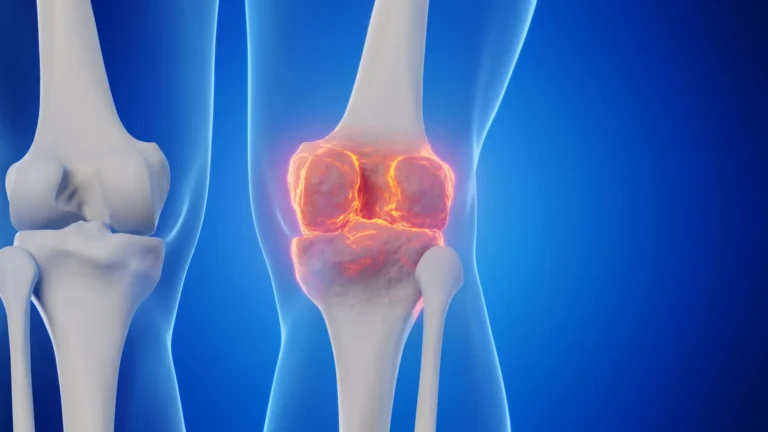
For an athlete and dancer who defined himself by movement, the loss of agency was profound. The subsequent twelve months were spent in a state of medical limbo, navigating an endless cycle of specialists, blood panels, and inconclusive scans. It wasn’t until nearly two years after the initial incident that a definitive diagnosis provided some clarity: lower back arthritis, a condition rarely associated with his age of 34 at the time of discovery. Further investigation into his family medical history revealed that the condition was genetic, a reality that forced Jardell to accept a long-term management strategy rather than a quick surgical or medicinal fix.
The Psychological Toll and the Weight of Inactivity
The physical symptoms were only half the battle. As someone who relied on the natural endorphin release of dance and high-intensity training, the forced sedentary life triggered a secondary health crisis.
"I was working out all the time, and then all of a sudden, we have a full stop," Jardell explains. "It really impacted those endorphins… and so I really just struggled mentally. I was in so much pain that I couldn’t do any of the things that brought me joy."
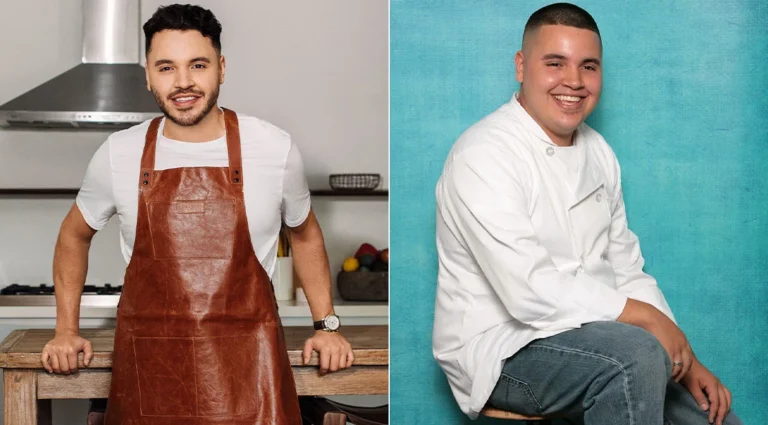
This mental spiral manifested in a "cascading effect" on his overall wellness. Without the outlet of exercise, Jardell’s diet shifted, and his metabolism slowed, leading to an unwanted 40-pound weight gain. He reached a weight of 250 pounds—a milestone that was, for him, a shocking departure from his baseline. Beyond the aesthetic changes, subsequent blood work revealed that his health markers, including cholesterol, were moving into dangerous territory. The "wake-up call" was no longer just about pain management; it was about metabolic health and longevity.
Chronology of Recovery: A Strategic Pivot
Phase I: The Diagnostic Void (2021–2023)
During this period, Jardell attempted a "shotgun" approach to pain relief, exhausting every available modality. From chiropractic adjustments and acupuncture to targeted injections and professional massage therapy, he left no stone unturned. Despite these efforts, the feedback remained consistent: he felt no significant improvement. This period was defined by trial and error, frustration, and the slow realization that passive treatments were not a substitute for proactive, structural rehabilitation.
Phase II: The Foundations of Physical Therapy (2024)
By 2024, the focus shifted from "fixing" the pain to "strengthening" the architecture. Jardell committed to a rigorous regimen of physical therapy, focusing almost exclusively on core stabilization and spinal alignment. While this was a necessary step to mitigate pain, it was not yet a return to the full-body athleticism he craved.
Phase III: The Athletic Rebirth (2025–Present)
Around his 35th birthday, Jardell made a conscious decision to move beyond mere pain management. He partnered with coach Chris Evans of Transform Fitness to create a sustainable, science-backed roadmap. This period marks the current phase of his recovery, characterized by structural hypertrophy, nutritional rebalancing, and a consistent, high-frequency training schedule.
Expert Guidance: The Role of Structured Coaching
Realizing that his previous independent attempts at fitness were insufficient, Jardell sought professional intervention. Coach Chris Evans provided the objective framework Jardell needed to move safely.
"I told him, ‘I’m a good student,’" Jardell recalls. "If you tell me to do something, I will do it, and I will not let you down."
The training plan was designed to address his specific needs:
- Strength-Focused Hypertrophy: Moving away from high-impact movements that might aggravate his arthritis, the focus shifted to controlled, muscle-building resistance training.
- Nutritional Flexibility: Addressing the protein gap was a primary obstacle. As a long-time vegetarian, Jardell struggled to meet the high-protein intake requirements necessary for muscle synthesis. He made the significant decision to reintroduce fish into his diet to provide the necessary amino acids, a move that significantly accelerated his body composition changes.
- Volume Consistency: The regimen quickly escalated to a six-day-a-week schedule, incorporating a mix of traditional resistance training, HIIT classes at Orange Theory, and core-centric work at Solid Core.
Implications of the "New" Fitness Paradigm
The results of this strategic pivot have been measurable and transformative. Since November 2025, Jardell has shed 30 pounds, successfully dropping one shirt size and three pant sizes. However, he emphasizes that the scale is no longer his primary metric.
"I’m gaining muscle… I’ve hit a spot where the weight that I’m at, I still see that fat loss, but I’m also gaining that muscle in return," he notes.
Lessons for the Chronic Pain Community
Jardell’s experience offers a nuanced lesson for those navigating chronic conditions:
- Passive vs. Active Recovery: While therapies like acupuncture have their place, they are often insufficient for long-term health if not paired with active, guided movement.
- Nutritional Honesty: Dietary identity (such as strict vegetarianism) should not supersede the nutritional requirements needed for healing. Jardell’s willingness to adapt his diet was a critical turning point in his recovery.
- The Mental Component: Recognizing that chronic pain is an emotional burden is essential. Jardell’s decision to seek physical activity as a tool for mental health, rather than just weight loss, allowed him to maintain the discipline required for such a drastic lifestyle change.
Conclusion: A Future Built on Resilience
As Jardell looks toward the final 10 pounds of his goal, he does so with a profound sense of gratitude for his body. His journey serves as a potent reminder that the human body is a resilient, adaptive machine, even when it is compromised by injury or disease.
"You only have one body. You only have the facility that you’ve been blessed with," Jardell concludes. "When you commit to working out, you commit to yourself and keeping the healthiest version of you. There are so many cascading effects that that commitment is worth it tenfold."
Will Jardell’s story is far from over, but he has successfully moved from the stagnation of 2021 to a future defined by intentional strength. For those facing similar hurdles, his trajectory stands as a testament that even after a complete collapse, the path to renewal is available—it simply requires the right coach, a willingness to adapt, and the patience to rebuild from the ground up.