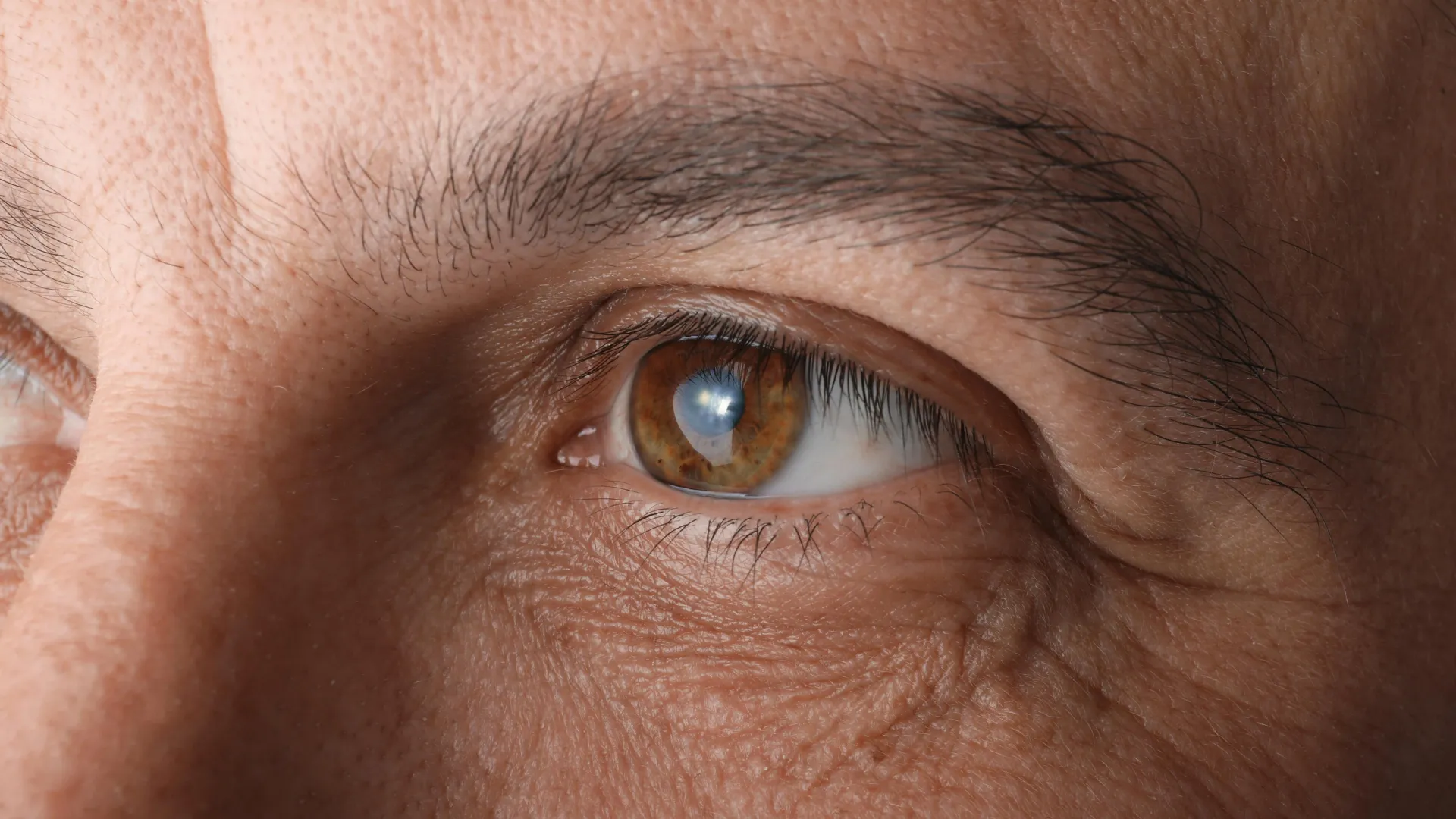
A significant study published in the British Journal of Ophthalmology has cast a spotlight on the potential ocular side effects of long-term tadalafil (widely known by the brand name Cialis) use. While the medication is a staple for treating erectile dysfunction (ED) and the urinary symptoms associated with benign prostatic hyperplasia (BPH), researchers have identified a concerning correlation between its extended use and an increased risk of developing glaucoma.
This finding, derived from a massive dataset of nearly 74,000 men, suggests that while the drug remains a valuable therapeutic tool, its systemic effects on the eye—particularly for those already at risk for vision loss—require more clinical vigilance than previously assumed.
The Core Findings: A 22% Increase in Risk
The study’s headline finding is stark: men prescribed tadalafil for the management of lower urinary tract symptoms were found to be 22% more likely to develop glaucoma compared to their counterparts who did not use the medication. The research did not stop at a broad diagnosis; it broke down the risk into specific ophthalmic conditions:
- Ocular Hypertension: The risk of developing high pressure within the eye was 32% higher in the tadalafil group.
- Primary Open-Angle Glaucoma: As the most prevalent form of glaucoma, this condition showed a 33% increased incidence among tadalafil users.
- Treatment Initiation: Perhaps most tellingly, those on the medication were 33% more likely to require the initiation of clinical glaucoma treatment within the study timeframe.
These associations remained consistent even when researchers isolated shorter timeframes, noting that the risk profile held true for men who developed symptoms within one, three, or six months of starting the medication.
Understanding the Pharmacology: What is Tadalafil?
To understand why this connection is being scrutinized, one must look at the drug’s mechanism. Tadalafil is a phosphodiesterase type 5 (PDE5) inhibitor. This class of drugs works by relaxing smooth muscles and increasing blood flow—a mechanism that is highly effective for treating ED and the constriction of the urethra caused by an enlarged prostate.
However, PDE5 enzymes are not exclusive to the genital or urinary tracts; they are present throughout the body, including the delicate structures of the eye. Previous research has periodically suggested links between PDE5 inhibitors (which also include sildenafil, or Viagra) and various ocular disorders. These have historically included issues with the optic nerve and the macula, the latter being the critical area of the retina responsible for central, detailed vision.
Despite these prior observations, the medical community has long struggled with inconsistent data regarding glaucoma specifically. The current study serves as a critical bridge, filling the gap for patients who take the drug daily over many years—a common protocol for BPH management that differs significantly from the "as-needed" dosing often used for ED.
Chronology of the Research: How the Data Was Analyzed
The scale of this study is its most significant strength. Utilizing the TriNetX Analytics Network—a massive global repository of anonymized health records—researchers examined the medical journeys of 73,854 men aged 40 and older.
1. Defining the Cohorts
The study spanned a decade, from January 2012 to December 2022. The researchers divided the population into two distinct groups: those who had been prescribed tadalafil or other PDE5 inhibitors for up to five years, and a control group that had not.
2. Matching for Confounding Variables
Recognizing that men who seek treatment for BPH or ED often have other underlying health issues, the researchers performed a rigorous matching process. To ensure the 22% risk increase wasn’t simply a result of other health factors, they controlled for:
- Demographics: Age and ethnicity.
- Lifestyle Factors: Smoking and alcohol-related disorders.
- Comorbidities: Cardiovascular disease, diabetes, cancer, high cholesterol, obesity, kidney function, and chronic obstructive pulmonary disease (COPD).
By balancing these variables, the researchers aimed to isolate the specific impact of the medication itself, providing a more robust look at the causal potential of the drug.
Supporting Data and Observations
The consistency of the results across sub-groups adds weight to the researchers’ conclusions. The increased risk was not limited to a niche demographic; it was observed consistently among patients aged 50 and older, White participants, and individuals already managing various underlying health conditions.
The researchers noted that the biological mechanism remains a subject of hypothesis. "These findings suggest that chronic PDE5 inhibition may influence ocular physiology," the authors noted in their discussion. They postulate that the same mechanism that improves blood flow to the prostate may inadvertently alter the pressure dynamics within the eye or affect the optic nerve head, though the exact physiological pathway is yet to be confirmed through laboratory studies.
The Limits of Science: Correlation vs. Causation
It is vital for patients and practitioners alike to exercise caution when interpreting these results. The study, by its nature as an observational trial, cannot prove that tadalafil causes glaucoma.
Key Limitations:
- Observational Design: While the researchers matched for many variables, observational studies can always be subject to "residual confounding"—the possibility that some unmeasured factor, rather than the drug, is the true culprit.
- Adherence Data: The study relied on prescription records. It could not definitively account for whether patients took the medication exactly as prescribed or if there were lapses in use over the five-year period.
- Diagnostic Evolution: The researchers could not fully track the development of additional health conditions that might have emerged in the years following the initial prescription, which could influence ocular pressure.
- Demographic Skew: Because the majority of the study population was White, the findings may not be generalizable to other ethnic groups, who may have different baseline risks for glaucoma.
Official Responses and Clinical Implications
The medical community’s response to these findings has been measured. Neither the researchers nor ophthalmological associations are calling for a cessation of tadalafil use. For many men, the quality-of-life benefits provided by the medication in managing BPH are substantial and cannot be easily dismissed.
Instead, the focus has shifted toward proactive screening.
The New Standard of Care?
The researchers suggest that clinicians should treat the initiation of long-term tadalafil therapy as an opportunity to establish an "ophthalmic baseline." This would involve:
- Baseline Screening: Before or shortly after beginning long-term therapy, patients should undergo a thorough eye examination to check for existing glaucoma or ocular hypertension.
- Targeted Monitoring: Patients who possess known risk factors—such as a family history of glaucoma, existing high myopia (severe nearsightedness), or previous ocular hypertension—should have a formalized schedule for follow-up eye exams.
- Patient Education: Men should be informed that while the medication is generally safe, it carries a potential, albeit small, risk of ocular changes, and they should be encouraged to report any vision changes, such as blurring or loss of peripheral vision, to their doctor immediately.
Conclusion: Balancing Benefits and Risks
The study serves as a poignant reminder that few medications are entirely neutral in their systemic effects. Tadalafil remains a highly effective, FDA-approved treatment that has significantly improved the daily lives of millions of men. However, the 22% increased risk of glaucoma highlighted by this study underscores the necessity of a holistic approach to medicine.
When a patient is prescribed a medication for one condition—in this case, prostate health—it is imperative that the potential downstream effects on other systems, like the eyes, are considered. As medical research continues to evolve, the goal is not to eliminate effective treatments, but to refine their use through better monitoring and personalized care. For the millions of men currently using tadalafil, the message is simple: stay on your medication if it improves your quality of life, but ensure your eye health is a part of your regular medical conversation.