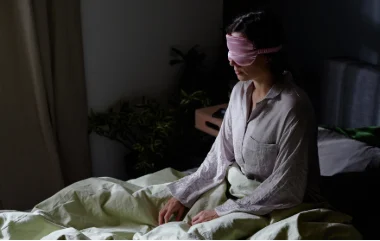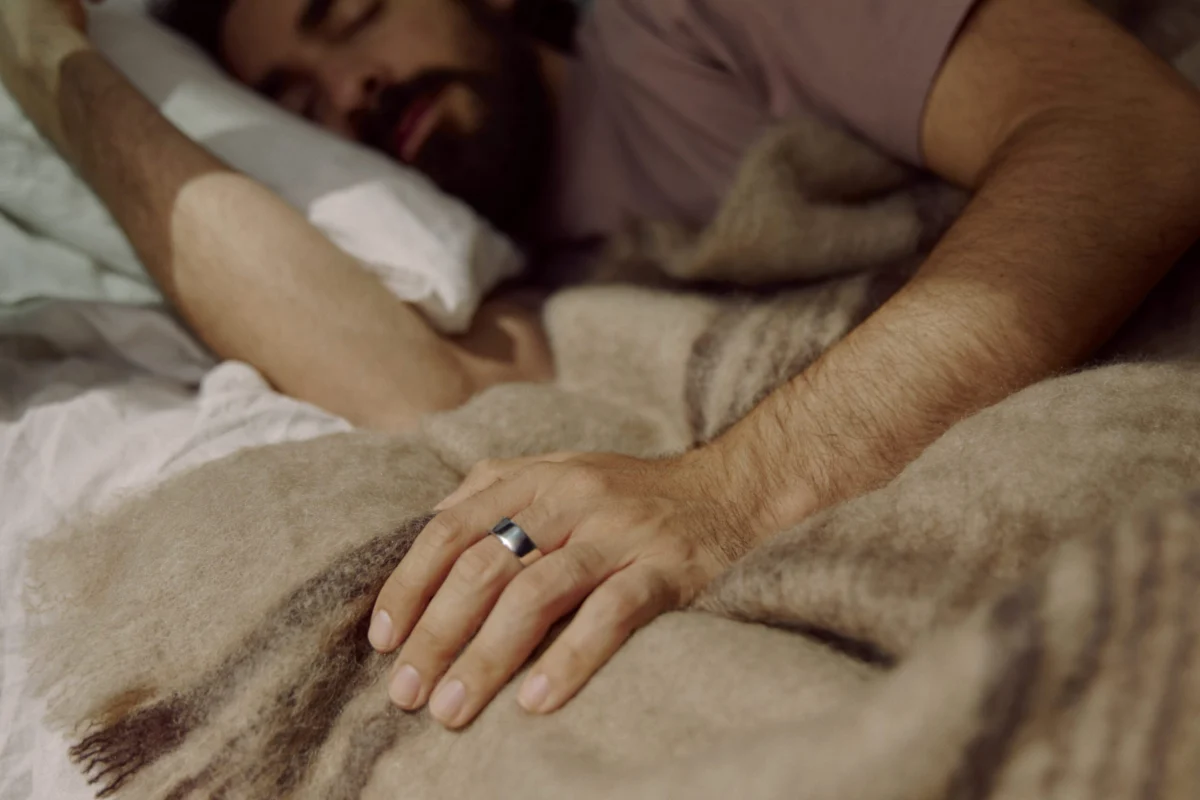
For years, the discourse surrounding consumer sleep trackers was dominated by a singular, technical obsession: Are these devices accurate? Sleep medicine professionals, long accustomed to the gold-standard precision of in-lab polysomnography (PSG), frequently viewed consumer wearables with skepticism. They cautioned against the dangers of "orthosomnia"—the unhealthy obsession with achieving "perfect" sleep scores—and remained wary of diagnostic-grade claims from gadgets that lacked rigorous, peer-reviewed validation.
However, the landscape of digital health is undergoing a seismic shift. Today, the conversation has moved past mere accuracy, evolving into a more profound question: Can these devices effectively serve as a bridge to clinical care?
The landmark partnership between ResMed, a global leader in sleep apnea treatment, and Oura, the pioneer of the smart ring form factor, suggests that the industry is finally ready to treat wearables not as rivals to the clinic, but as the first, vital point of contact in a patient’s journey toward diagnosis and treatment.
The Main Facts: A New Front-End for Sleep Care
Announced in May 2026, the collaboration between ResMed and Oura aims to tackle the silent epidemic of undiagnosed obstructive sleep apnea (OSA). Millions of Americans suffer from OSA, yet the majority remain undiagnosed, often waiting until their health deteriorates significantly before seeking professional help.
The new initiative integrates Oura’s nighttime breathing disturbance metrics directly into a patient-centric pathway. When an Oura Ring identifies consistent patterns of breathing disturbances or oxygen variations, the user is not left to interpret the data alone. Instead, they are presented with curated educational resources from ResMed and, crucially, a seamless pathway to connect with independent virtual sleep care providers.
This model effectively creates a "digital funnel." Rather than relying on a patient to articulate vague symptoms during a brief, high-pressure primary care visit, the system provides longitudinal data that justifies the need for a formal, clinical evaluation.
A Chronology of Collaboration
The journey to this partnership reflects the broader evolution of the "quantified self" movement:
- 2015–2020: The "Wild West" era of sleep tracking. Wearable manufacturers entered the market with ambitious claims, while sleep specialists pushed back, citing a lack of clinical evidence.
- 2021–2024: Validation studies begin to emerge. Devices like the Oura Ring Gen3 undergo rigorous testing, with 2024 studies demonstrating high accuracy in sleep stage detection compared to PSG, finally bridging the credibility gap.
- 2025: Industry leaders begin identifying a "care gap." Despite the popularity of trackers, the handoff between "tracking" and "treating" remained fragmented.
- May 2026: The ResMed-Oura partnership is formally announced, signaling a pivot toward integrated care pathways.
- Present Day: The implementation phase focuses on user engagement, with both companies tracking how many users transition from "data curious" to "clinically treated."
Supporting Data: Why Trends Trump Snapshots
The fundamental value of wearable technology, according to Dr. Carlos Nunez, chief medical officer at ResMed, lies in its ability to capture longitudinal data—the "long game" of health monitoring.
"The average US primary care physician spends eight to 10 minutes a year with their patients," Nunez notes. "We are relying on the questions they can answer. Now they are showing up with their wearable data to answer questions about their sleep, or their cardiovascular or metabolic health."
ResMed’s own research reinforces this. A massive analysis of data from over 312,000 adults using CPAP therapy established global benchmarks for sleep physiology, proving that wearable data, when aggregated, provides insights that a single, high-fidelity night in a lab cannot. Furthermore, an analysis of 117,000 adults with OSA confirmed that higher sleep efficiency—a metric easily tracked by the Oura Ring—is a powerful proxy for overall health, including lower resting heart rates and increased physical activity.
These findings suggest that while wearable data may not replace the PSG for a definitive diagnosis, it serves as a critical "biomarker" for the patient’s longitudinal health status.
Official Responses: Navigating the ‘General Wellness’ Space
One of the most contentious points of the partnership is the regulatory status of the Oura Ring. Unlike some medical-grade smartwatches, Oura maintains a "general wellness" classification.
Dr. Ricky Bloomfield, chief medical officer at Oura, is careful to maintain this distinction. "We are not making any explicit diagnosis in this situation," he states. "We want to make sure it stays firmly in the general wellness category."
This is a strategic choice. By focusing on breathing disturbances as a proxy for risk rather than a medical diagnosis, Oura maintains the agility to innovate while ResMed handles the heavy lifting of clinical education and care pathways.
"FDA clearance for the screening of sleep apnea risk is an important milestone, and I wouldn’t be surprised if eventually every wearable company gets there," says Nunez. "But for what we’re trying to do—raise awareness and educate people—the platform with Oura makes so much sense. It’s consistent data all night long."
Implications for the Future of Sleep Medicine
The ResMed-Oura partnership has several profound implications for the medical community:
1. The End of the "Diagnostic Disconnect"
Historically, patients would purchase a tracker, notice an anomaly, and bring it to their doctor, only to have the doctor dismiss it as "unreliable data." This partnership validates the patient’s experience. By creating an official pathway, the companies are ensuring that when a patient walks into a clinic, they are equipped with a standardized set of insights that a physician can actually use to inform a diagnosis.
2. A Shift Toward Proactive Care
The current healthcare model is largely reactive. Patients seek help only when they are symptomatic. The Oura-ResMed model moves the industry toward a proactive stance, where "breathing disturbances" trigger an educational intervention long before the patient might have felt "tired enough" to schedule an appointment.
3. Preserving the Existing Ecosystem
A major concern for independent sleep clinics and durable medical equipment (DME) providers was that tech giants might try to "disintermediate" them—taking over the testing and treatment process entirely. However, ResMed has taken a different approach. The partnership directs users to independent providers such as Ognomy, Arima, and Gem Health.
"ResMed is not trying to build our own version of a sleep service where we’re doing all the tests," says Nunez. "We’re pointing people in the direction of the ecosystem that’s already there."
4. The Challenge to Physicians
Perhaps the most provocative element of this shift is the direct challenge to the medical establishment. Dr. Nunez’s advice to physicians—"Buy a wearable. Try it out. Your patients believe in this"—represents a call to action. It suggests that the future of sleep medicine will be defined by clinicians who can integrate high-volume, real-world data into their traditional diagnostic workflows.
Conclusion: The First Word, Not the Last
As the partnership matures, the success metrics will be simple yet telling: Are users who see a warning in their Oura app actually booking clinical consultations? Are they achieving better health outcomes through early intervention?
While the technology continues to evolve, one thing is clear: the wall between consumer health tech and clinical medicine is crumbling. Consumer wearables may not be the final word in a diagnosis, but they are increasingly the first word in a patient’s health journey. By connecting the bed-side tracker to the clinician’s office, ResMed and Oura are not just selling devices or software; they are building a bridge to a more informed, proactive, and accessible future for sleep medicine.