BEIJING – China, the world’s largest importer of crude oil, has announced another round of upward adjustments to its domestic fuel price caps, a move that underscores the deepening impact of the ongoing conflict in Iran on global energy security. Effective May 22, the National Development and Reform Commission (NDRC) has raised the maximum retail price of gasoline by $11.03 (75 yuan) per metric ton and diesel by $10.29 (70 yuan) per ton.
This decision, while modest in isolation, is the latest chapter in a series of price hikes that have defined the Chinese energy market since the outbreak of hostilities in late February 2026. As the Strait of Hormuz—a vital maritime chokepoint accounting for roughly 20% of global oil shipments—remains under severe restriction, Beijing finds itself in an increasingly precarious position: balancing the need to shield its economy from runaway inflation while remaining tethered to the harsh realities of a volatile global crude market.
The Geopolitical Catalyst: A Supply Chain Under Siege
The current energy crisis finds its roots in the U.S.-Israeli conflict with Iran, a war that has sent shockwaves through the global oil supply chain. For China, which relies heavily on Middle Eastern crude to power its vast industrial machine, the disruption has been acute.
Since February 2026, the effective closure or severe throttling of tanker traffic through the Strait of Hormuz has forced a global recalibration of energy logistics. With supply lines constricted, international benchmark prices have surged, forcing state-managed economies like China’s to pass these costs onto domestic consumers to prevent the depletion of state reserves and maintain the fiscal viability of state-owned refineries.
Russia’s Strategic Pivot
In response to the drying up of Middle Eastern supply, Russia has moved aggressively to cement its position as China’s primary energy partner. A recent statement from the Kremlin confirmed that Moscow has expanded its hydrocarbon exports to the East, effectively filling the vacuum left by the conflict. While this diplomatic and economic maneuver has prevented a total supply collapse in China, it has not been enough to insulate the market from the upward pressure exerted by global price volatility. Analysts suggest that while the China-Russia energy corridor is strengthening, the systemic vulnerability highlighted by the Strait of Hormuz crisis remains a permanent fixture of the current geopolitical environment.
Chronology of a Managed Crisis
The trajectory of fuel pricing in China over the last quarter illustrates the government’s struggle to maintain domestic stability.
- Early March 2026: In the immediate wake of the conflict’s escalation, China implemented its largest retail fuel price cap increase in four years. The move was a stark admission that the government could no longer fully subsidize the rising cost of imported crude.
- Late March 2026: Facing public pressure and concerns over economic slowdown, the NDRC briefly dialed back on planned increases. This "soft-pedaling" approach was intended to ease the burden on individual drivers and logistics companies, but it proved to be a temporary reprieve.
- April 2026: Total car sales in China experienced a sharp contraction, falling 21.5% compared to the previous year. Data indicates this was driven primarily by a collapse in demand for traditional internal combustion engine (ICE) vehicles as fuel costs hit a tipping point.
- May 2026: The current adjustment confirms that the government has returned to a policy of passing through costs, prioritizing the financial health of the state energy sector over consumer subsidies.
Data-Driven Consequences: The Shift in Consumption
The economic ripple effects of these price hikes are becoming quantifiable. According to GL Consulting, Chinese gasoline demand is forecasted to decline by 5.5% in 2026 compared to 2025. This represents the second-steepest drop in recorded history, outpacing earlier projections of a 5.2% decline.
The EV Acceleration
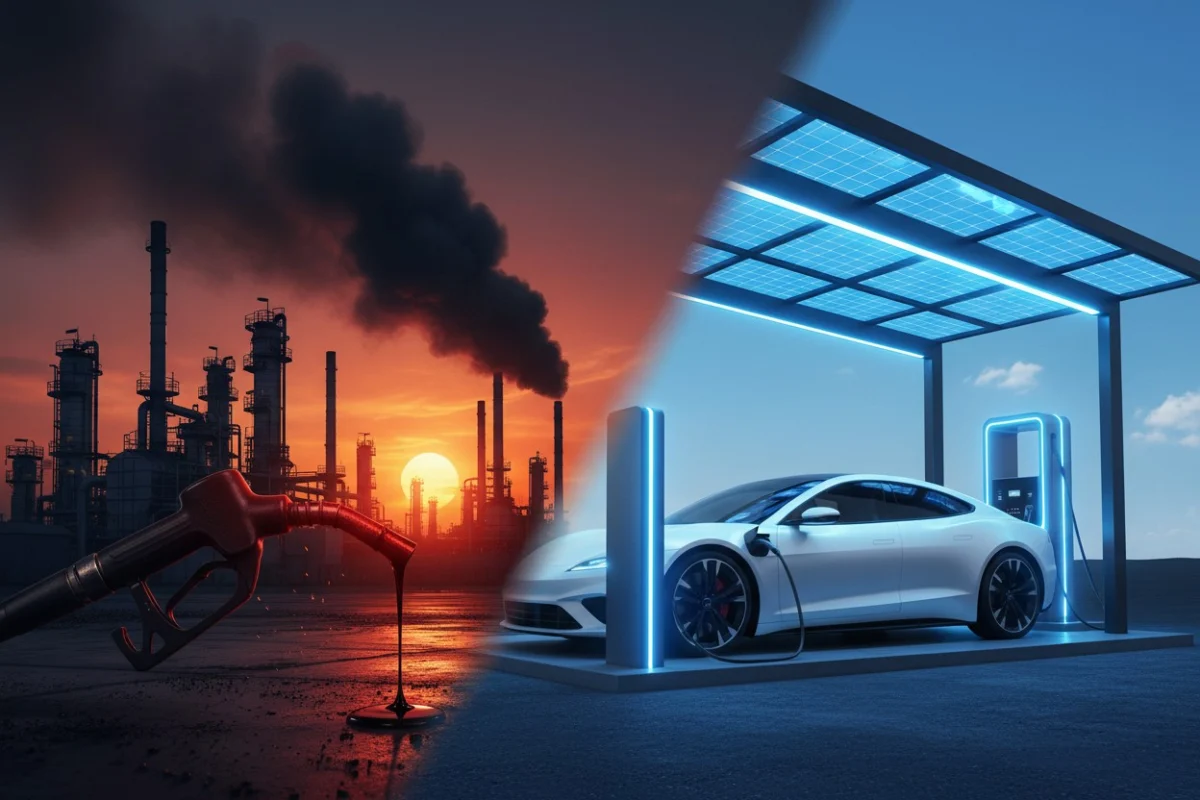
Perhaps the most significant outcome of the fuel crisis is the rapid transformation of the Chinese automotive market. As gasoline prices have risen by approximately 20% since the start of the conflict, the economic case for transitioning to electric vehicles (EVs) has become overwhelming for the average consumer.
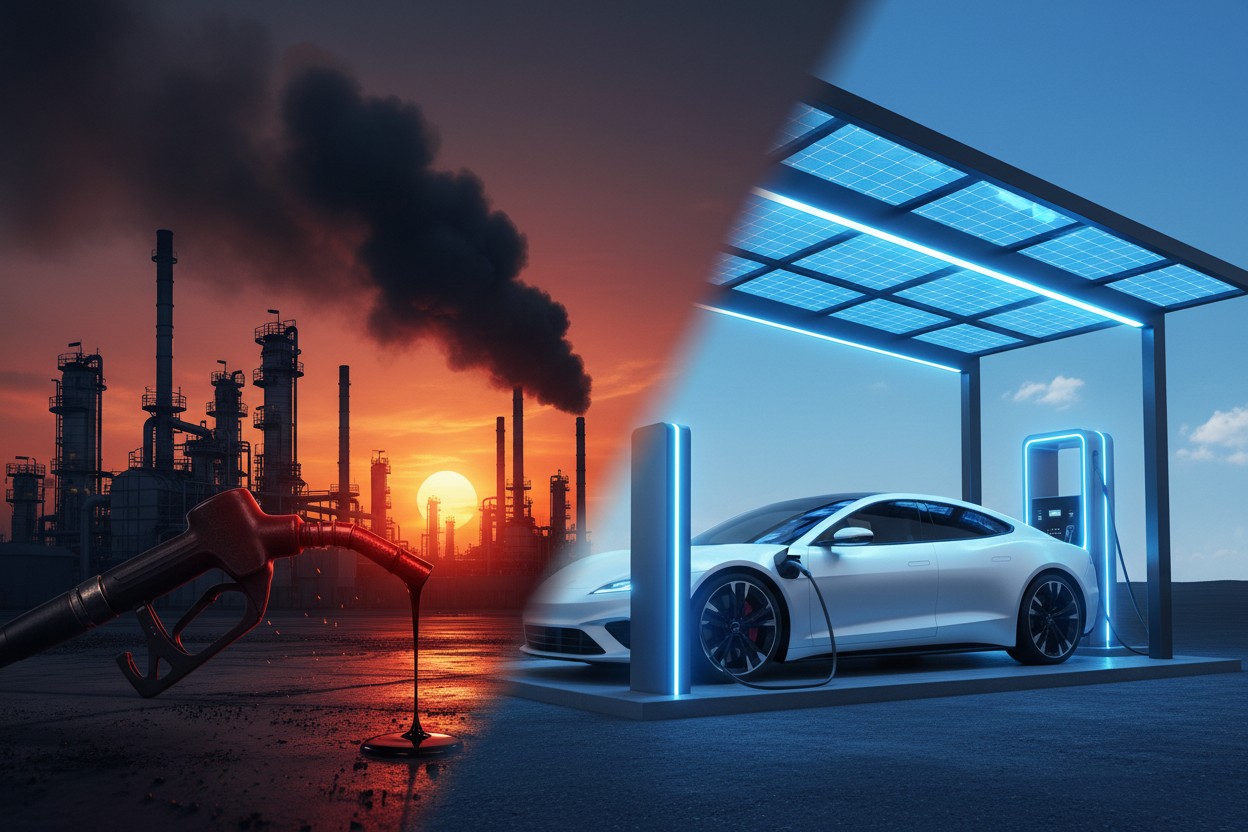
Deloitte research suggests a strong correlation between fuel costs and EV adoption: for every $1-per-gallon increase in fuel prices, EV sales typically rise by 6%. China is currently providing a real-world case study for this phenomenon. In March alone, Chinese EV exports soared by 140% to a record high, according to data from the China Passenger Car Association. This surge is not merely a product of supply-side innovation but a direct result of demand-side necessity. Consumers are fleeing the gas pump in favor of battery-electric alternatives, which are becoming increasingly convenient and affordable relative to the rising costs of traditional mobility.
Official Responses and Strategic Vulnerability
The NDRC maintains that these price adjustments are essential to "reflect global crude price changes and stabilize domestic supply." However, behind the bureaucratic language lies a deeper concern regarding energy security.
Analysts have noted that Beijing’s ability to insulate its citizens from global price shocks is reaching its limit. The fragility of centralized energy systems—where a single geopolitical event in the Middle East can paralyze a nation’s transportation network—has prompted a broader national conversation about self-reliance. Experts are increasingly drawing parallels to the lifecycle economics of renewable energy, noting that the decentralized nature of solar and wind power offers a level of resilience that fossil fuels, tethered to fragile global shipping routes, simply cannot provide.
Implications for the Future: A New Energy Paradigm
The conflict in Iran has effectively accelerated China’s long-term energy transition by years, if not decades. While the immediate focus is on managing price caps and ensuring supply, the long-term policy response is clearly pivoting toward electrification and energy diversification.
The End of Fossil Fuel Dependency?
The current crisis has exposed the inherent risks of relying on concentrated supply chains. As noted in Philip Warburg’s analysis of energy economics, the transition to renewables is no longer just an environmental imperative; it is an economic and national security necessity. By boosting its dominance in clean technology sectors, China is attempting to build an energy future that is less susceptible to the geopolitical maneuvering of the Middle East.
Furthermore, the structural shift toward EVs and public transit suggests that the peak of gasoline demand in China may have already passed. As the nation pivots toward battery-electric vehicles, the strategic importance of the Strait of Hormuz—while still critical for current industrial needs—may wane in the long-term.
Conclusion
The latest price hike is more than just an adjustment to a spreadsheet at the NDRC; it is a signal of the end of an era. As the global energy map is redrawn by the conflict in Iran, China is finding that the only way to achieve true stability is to detach its domestic mobility from the volatile currents of global crude oil. Whether this transition can be managed without causing significant domestic unrest remains the defining challenge for Beijing’s energy planners in the months ahead. The path forward is increasingly clear: for the world’s largest energy importer, the future is not just about finding more oil, but about finding ways to live without it.