If you have been paying attention to the wellness zeitgeist lately, you have likely encountered the polarizing figure of billionaire Bryan Johnson. The subject of the documentary Don’t Die, Johnson has become the face of a modern "crusade" against mortality. He claims to be on a singular, relentless quest to achieve the lowest possible "biological age"—a metric that suggests his body is aging in reverse, defying the standard march of time.
Johnson’s regimen is nothing short of extreme. He reportedly invests millions annually into a high-octane cocktail of anti-aging interventions: dozens of daily supplements, aggressive skin-resurfacing acid peels, collagen-boosting injections, hyperbaric oxygen therapy, and even controversial plasma infusions. According to his personal data, these efforts have resulted in a biological age 5.1 years younger than when he began.
However, the scientific community remains deeply skeptical. A New York Times investigation recently challenged these claims, suggesting that, by some metrics, Johnson’s biological age may have actually increased by a decade. This discrepancy highlights the central question of the longevity movement: Is "biological age" a precise scientific reality, or is it a marketing mirage?
What Is Biological Age?
To understand the debate, we must distinguish between chronological age and biological age. Chronological age is simply the number of candles on your birthday cake. Biological age (bio age), however, refers to the functional status of your cells and tissues.
Consider two 50-year-old men. One lives in a high-stress, polluted environment, survives on processed convenience foods, and maintains a sedentary lifestyle. The other resides in a serene, natural environment, practices consistent resistance training, prioritizes sleep, and consumes a nutrient-dense, whole-food diet. While both share the same chronological age, their biological realities—the efficiency of their mitochondria, the state of their cardiovascular systems, and their cellular repair mechanisms—are likely worlds apart. Biological age attempts to quantify these internal differences.
The Science Behind the Metrics
Biological age is calculated by measuring specific biomarkers—indicators of health that can be tracked over time. These range from simple clinical measures to complex molecular diagnostics:
- Telomere Analysis: Telomeres are the protective caps at the ends of our chromosomes. As cells divide, these caps shorten, eventually leading to cellular senescence. Some companies offer tests to measure telomere length as a proxy for aging.
- DNA Methylation: This is currently the "gold standard" for bio-age testing. Methylation is a chemical process that adds a "tag" to your DNA, effectively turning genes on or off. Researchers like Steve Horvath developed "clocks" based on these patterns, which have proven highly accurate in laboratory settings for predicting life expectancy.
- Clinical Biomarkers: These include blood pressure, lipid profiles (cholesterol/ApoB), blood glucose, and markers of inflammation like C-reactive protein. Unlike expensive experimental tests, these are time-tested indicators of disease risk.
The "Free" Way to Track Your Longevity
You do not need to be a billionaire to gain actionable data on your aging process. Several scientifically validated, zero-cost physical assessments serve as excellent proxies for your biological robustness.
1. The Sitting-Rising Test (SRT)
This test evaluates strength, balance, and mobility—all of which are inverse predictors of mortality. Start standing, lower yourself to a cross-legged seated position on the floor, and stand back up without using your hands or knees for leverage. Deduct points for every body part used to assist you. A low score is a statistically significant indicator of higher cardiovascular mortality risk.
2. Grip Strength
Grip strength is a remarkably accurate indicator of systemic muscle mass and neurological health. Weakness in the hands often mirrors weakness throughout the body, predicting a decline in functional independence years down the road. Using a tennis ball, squeeze as hard as you can for as long as possible; holding for 90 seconds places you in the top percentile.
3. The One-Leg Balance Test
Balance requires the seamless integration of vision, the inner ear, and skeletal muscle. Inability to hold a single-leg stance for at least 10 seconds has been linked in various studies to a significantly higher risk of all-cause mortality.
4. Subjective Fatigability
The Pittsburgh Fatigability Scale is a validated tool that measures how "worn out" you feel after common daily activities. Chronic, unexplained fatigue is often the canary in the coal mine for developing health conditions like anemia, diabetes, or cardiovascular dysfunction.
5. Body Composition (Tape Measure Method)
While DEXA scans are the gold standard for body fat analysis, a simple tape measure can offer a reliable estimate. By measuring the neck, waist, and hips, you can track your body composition trends. Remember, it is not just about weight; it is about maintaining muscle mass and managing body fat percentages to reduce systemic inflammation.
Clinical Testing: The Gold Standard
While "bio-age" kits grab headlines, the most reliable data comes from traditional medicine.
- Comprehensive Blood Panels: Annual testing of ApoB, HbA1c, and inflammatory markers provides a clear picture of your cardiovascular and metabolic health. These markers are highly responsive to lifestyle interventions, making them the best tools for gauging whether your diet and exercise plan is actually working.
- Bone Density (DEXA): Osteocalcin, a hormone secreted by bones, is increasingly viewed as a key player in metabolic health. Maintaining high bone density is a hallmark of "super-agers"—those who reach their 90s with high function and low disease burden.
The Caveats of Commercial Bio-Age Testing
If you are considering purchasing a commercial DNA methylation or telomere test, proceed with caution.
1. The "Organ-Specific" Problem: Your liver may age differently than your brain. A blood-based test provides a snapshot of systemic markers, but it cannot tell you if your heart is aging faster than your lungs.
2. The Marketing Trap: Many companies use these tests as a gateway to sell you proprietary, expensive supplements. Never base your health protocols on a "hard sell" from an internet company; consult a medical professional who can interpret the data in the context of your total health history.
3. The Behavior Gap: The most important takeaway is that data is only useful if it leads to action. Knowing your "biological age" means nothing if you do not address the "evergreen" health habits that actually move the needle.
The Foundation of Longevity: Do Not Ignore the Basics
It is easy to get distracted by the "bio-hacking" narrative—the idea that a specific supplement or a high-tech machine will cheat death. However, decades of research confirm that the most effective interventions remain the "boring" ones:
- Strength Training: Preserving muscle mass is the single most important factor in maintaining metabolic health and preventing falls.
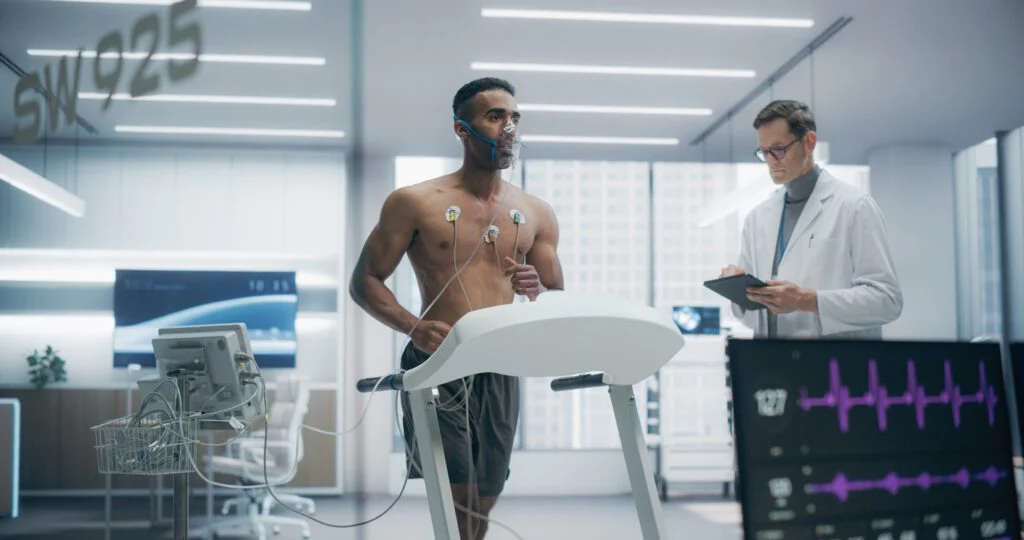
- Cardiovascular Fitness: High VO2 max is strongly correlated with increased longevity. Whether you use the Cooper 12-minute run test or a clinical treadmill assessment, improving your aerobic capacity is one of the best investments you can make.
- Sleep Hygiene: Quality sleep is non-negotiable for cellular repair and hormonal balance.
- Nutritional Density: A diet focused on whole foods, fiber, and adequate protein is more effective than any "longevity pill" currently on the market.
Conclusion: Turning Data into Action
Biological age testing can provide a sense of control and a helpful baseline, but it is not a destination. If you view your results as a "scorecard" rather than a diagnostic tool to guide behavior, you are likely wasting your time.
The goal of these tests should be to identify where your health is trending and to adjust your lifestyle accordingly. If a test indicates your cardiovascular age is higher than your chronological age, the answer is rarely an expensive, unproven supplement. The answer is almost always a return to the basics: improving your VO2 max, managing your blood lipids through diet, and ensuring you are getting sufficient strength training.
In the end, longevity isn’t just about how long you live, but how well you live. By focusing on high-impact, evidence-based lifestyle changes, you can ensure that your biological reality remains as vibrant and functional as possible, regardless of what any specific "age" test might say.