The month of June 2026 has proven to be a watershed moment for the global respiratory patient community. From remote community screenings in the foothills of the Himalayas to high-level policy discussions in the Finnish Parliament, patient organisations have demonstrated an unprecedented level of activity, advocacy, and direct community support.

As we navigate the mid-point of the year, the collective efforts of these diverse organisations highlight a growing shift in healthcare: the transition from passive patient care to active, patient-led participation in clinical pathways and policy-making. This report synthesizes the primary developments, advocacy milestones, and community-driven initiatives that defined the respiratory health sector this month.

Main Facts: The Global Landscape of Respiratory Advocacy
The central theme for June 2026 has been "Integration and Visibility." Whether through the legislative halls of Europe or the rural clinics of Nepal, the message remains consistent: the patient voice is no longer an optional component of clinical care—it is a prerequisite for effective health outcomes.
Key highlights from the month include:
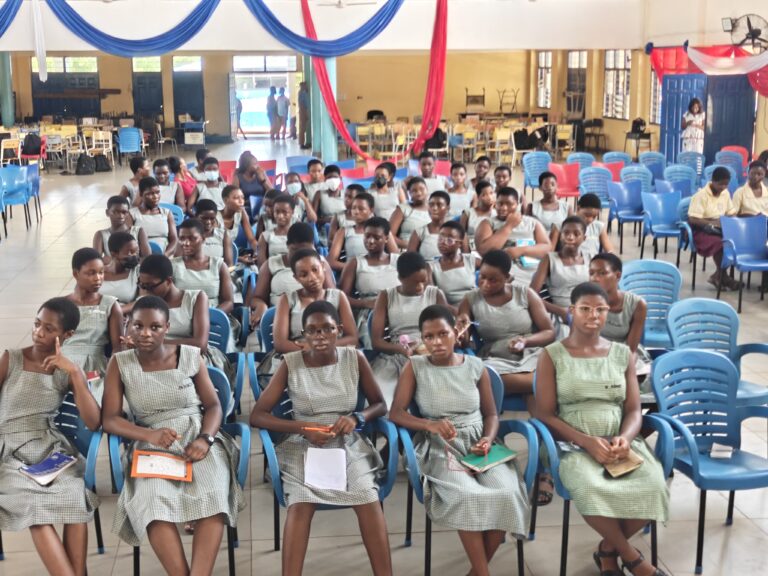
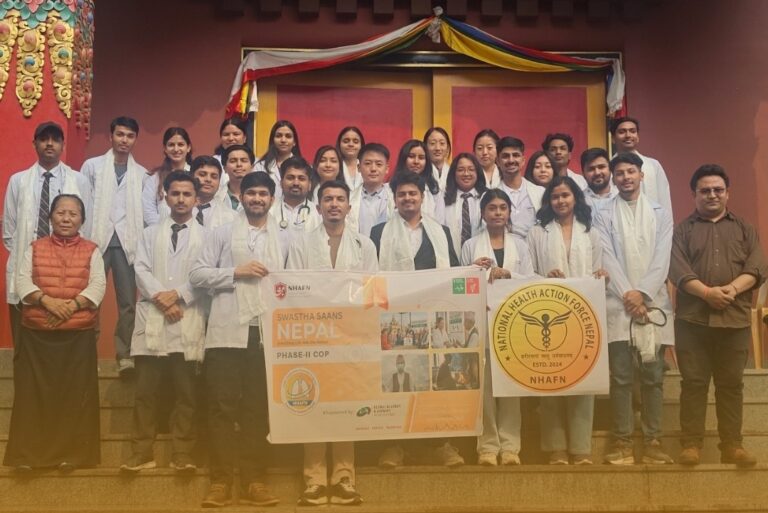
- Expansion of Outreach: Projects like Swastha Saans in Nepal are bridging the gap between clinical infrastructure and rural populations.
- Legislative Engagement: The formal establishment of the Respiratory Health Network in Finland marks a victory for patient-led policy advocacy.
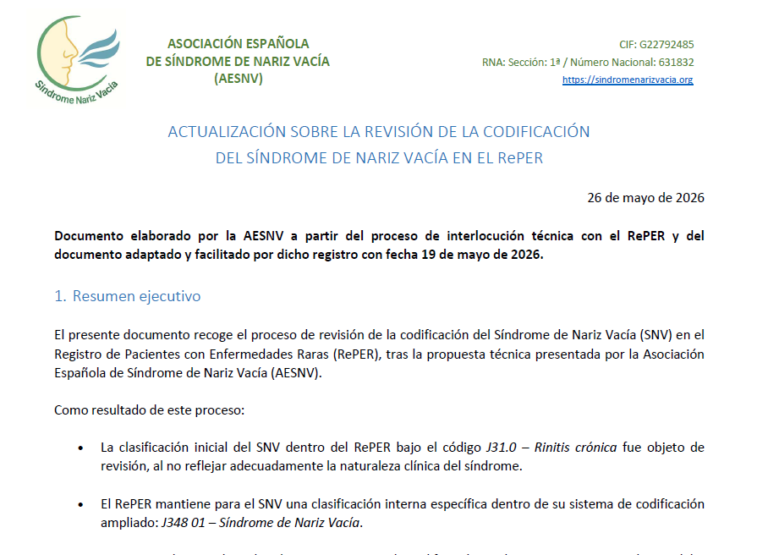
- Disease Recognition: The successful re-coding of Empty Nose Syndrome (ENS) in the Spanish national registry is a significant win for patients suffering from rare, under-diagnosed conditions.
- Educational Innovation: From school-based awareness programs in Ghana to literary projects in Italy, organisations are moving beyond traditional brochures to engage the public through storytelling and experiential learning.
A Chronology of June 2026 Advocacy
The sheer volume of activity throughout the month reflects a highly organized global network. Below is a timeline of key interventions and events:
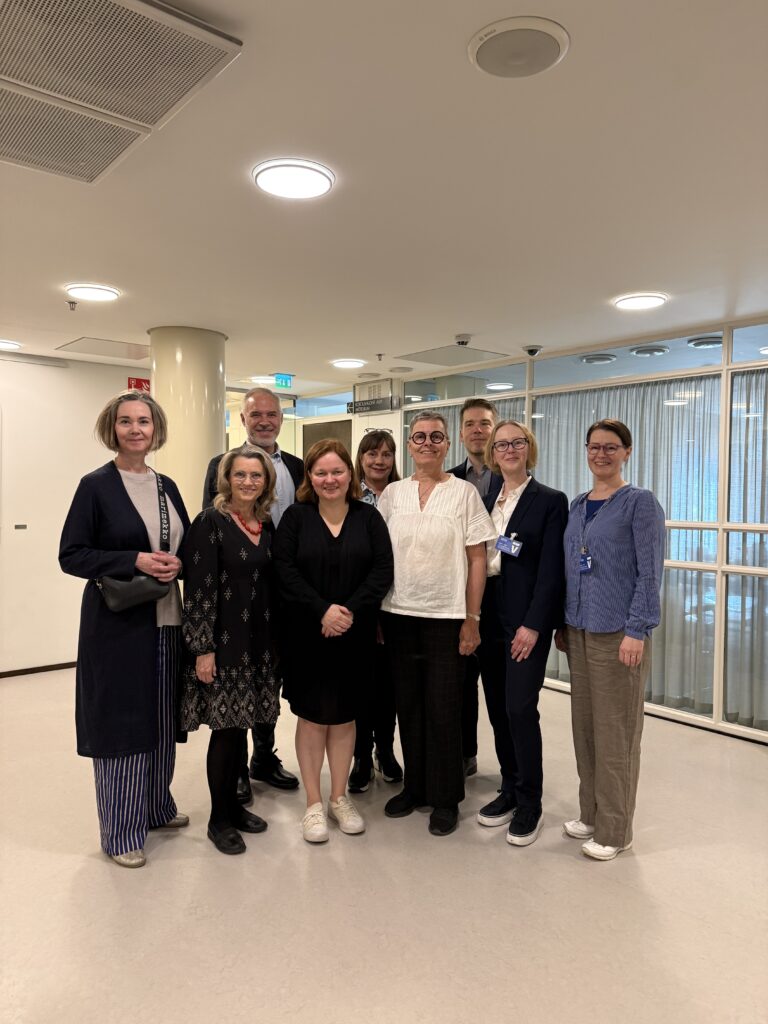
- May 26 – Early June: The Hengitysliitto (Organisation for Respiratory Health in Finland) initiated a series of high-level meetings at the Finnish Parliament to formalize the new National Respiratory Health Network.
- Late May – Early June: The Spanish Association for Empty Nose Syndrome (AESNV) finalized negotiations with the national Rare Disease Patient Registry (RePER) to establish a distinct coding system for ENS.
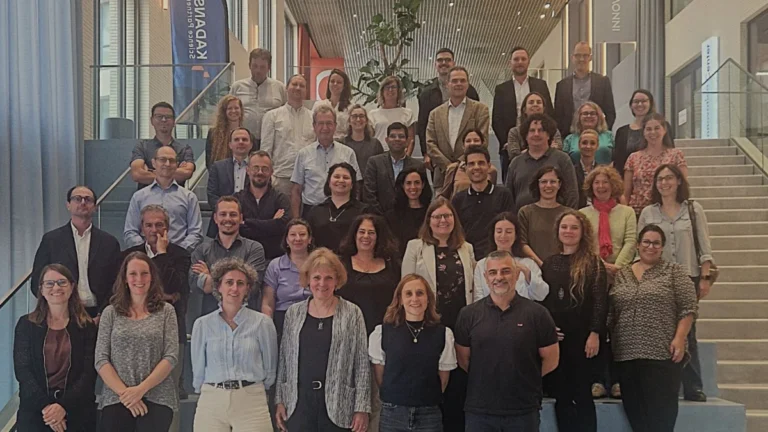
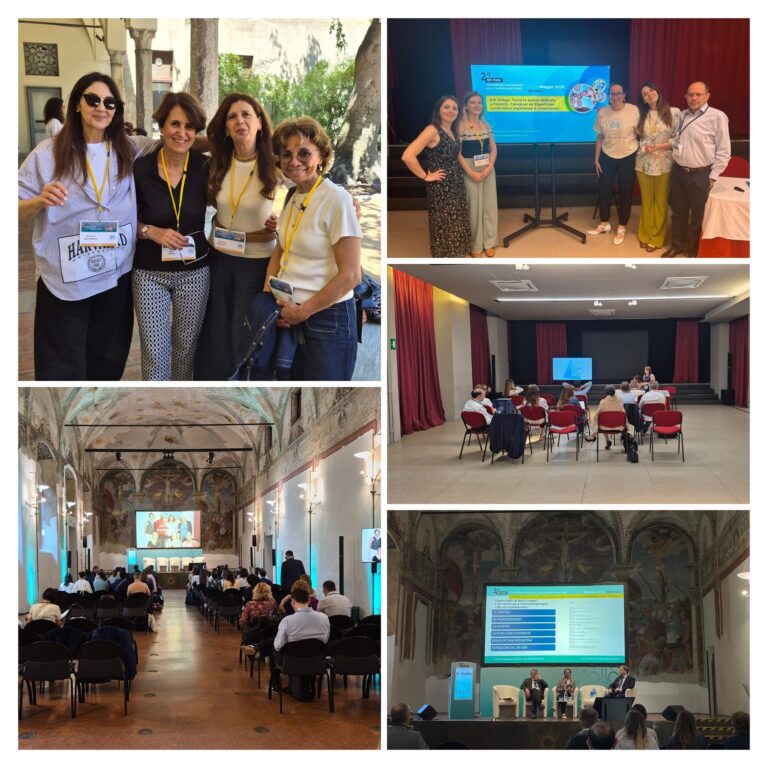
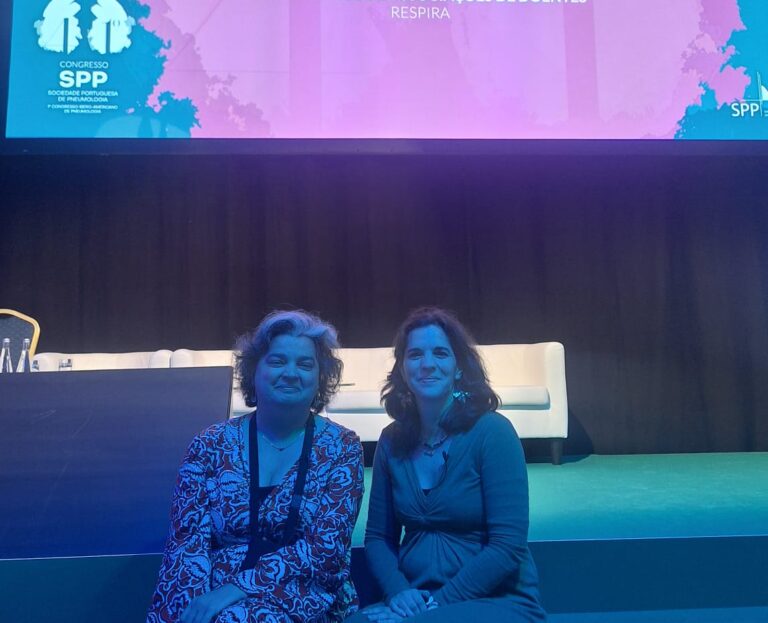
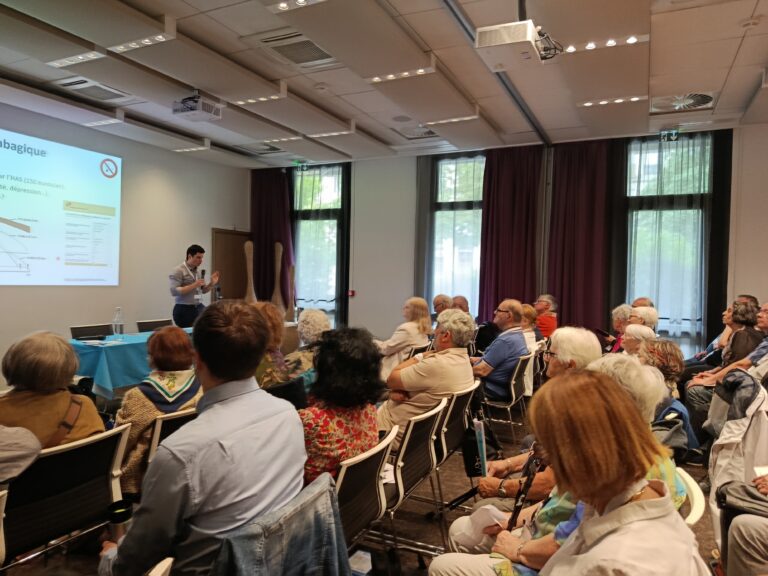
- June 4–5: The 37th Federation of Respiratory Patients (FFAAIR) Congress convened in Strasbourg, setting the tone for European patient policy for the coming year.
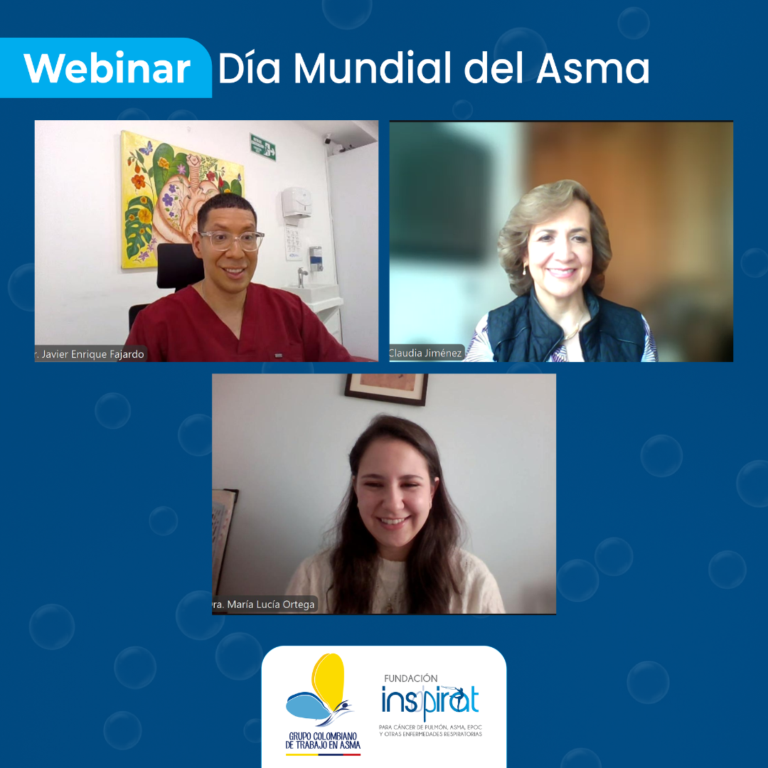
- Mid-June: Multiple organizations, including the Asthma Society of Ireland and INSPIRAT, released data and educational materials following the momentum of World Asthma Day.
- Ongoing: Projects such as the Aspergillosis Trust’s contribution to antimicrobial resistance (AMR) networks and the PneumoLight 2026 preparation illustrate the long-term strategic planning currently underway.
Supporting Data and Evidence-Based Advocacy
The efficacy of these organizations is rooted in their commitment to data-driven advocacy. In June, several organizations released findings that challenge current clinical norms and identify gaps in service.
The Cost of Childhood Asthma in Ireland
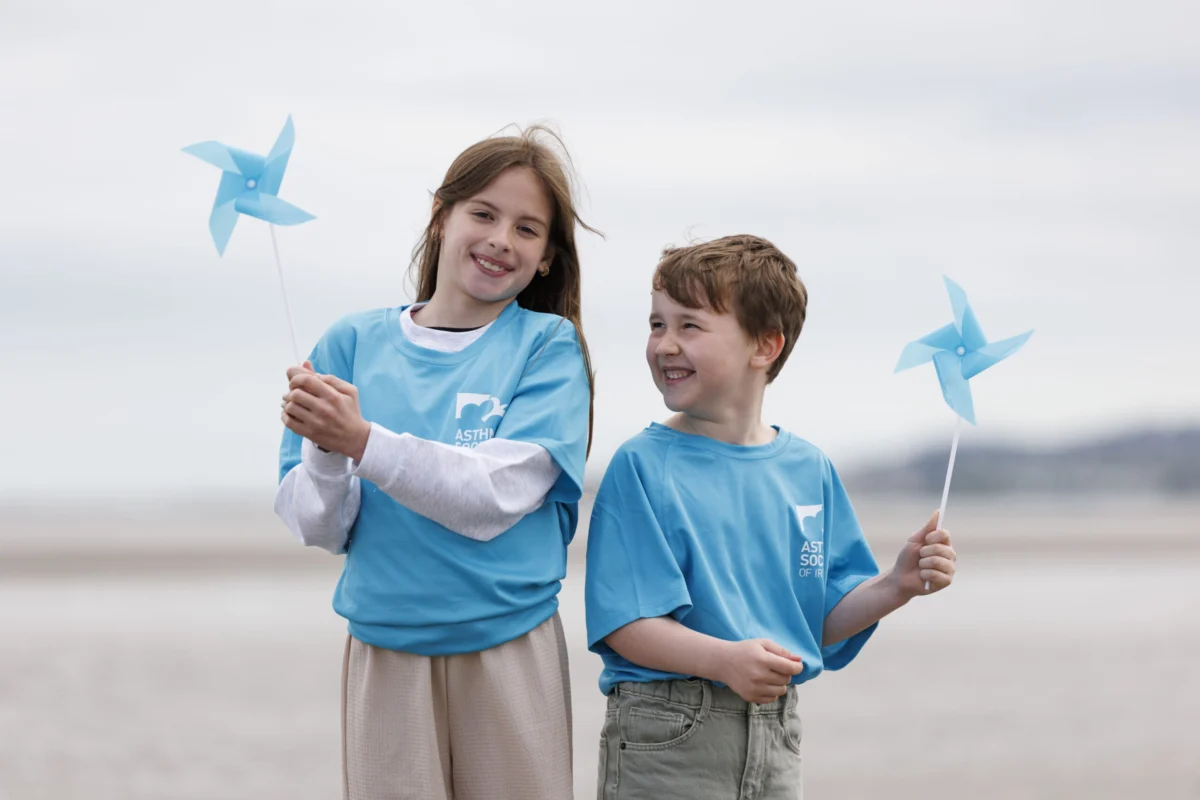
The Asthma Society of Ireland’s recent survey regarding childhood asthma provides a stark look at the socioeconomic barriers to care. The data indicates that hospital visits, frequent school absences, and sleep disruption are often linked to difficulties in accessing basic medication. By quantifying these barriers, the Society is building a case for legislative changes in how asthma medication is subsidized for families.
Rare Disease Recognition in Spain
The collaboration between AESNV and RePER is a masterclass in clinical advocacy. By ensuring that Empty Nose Syndrome is accurately coded in the national registry, they have created a "statistical footprint" for the disease. This data is essential for securing future research funding and ensuring that healthcare providers are alerted to the condition, thereby reducing the time to diagnosis for thousands of patients.
Antimicrobial Resistance and Fungal Disease
The Aspergillosis Trust has positioned the patient experience at the heart of the "One Health" approach to AMR. By linking the personal health of aspergillosis patients to the broader environmental and agricultural implications of antifungal resistance, they are elevating the discourse beyond individual treatment to public health policy.
Official Responses and Strategic Collaborations
A defining characteristic of June’s activities was the depth of collaboration between patient groups, academia, and government bodies.
The Finnish Model: Bridging Parliament and Patient
The Hengitysliitto’s work in Finland serves as a benchmark for how patient organisations can influence policy. By bringing clinical and patient insights directly into the Finnish Parliament, they ensured that the newly formed Respiratory Health Network is not merely a bureaucratic entity, but a functional body designed to influence clinical practices and raise awareness at the national level.
The Role of Research and Technology
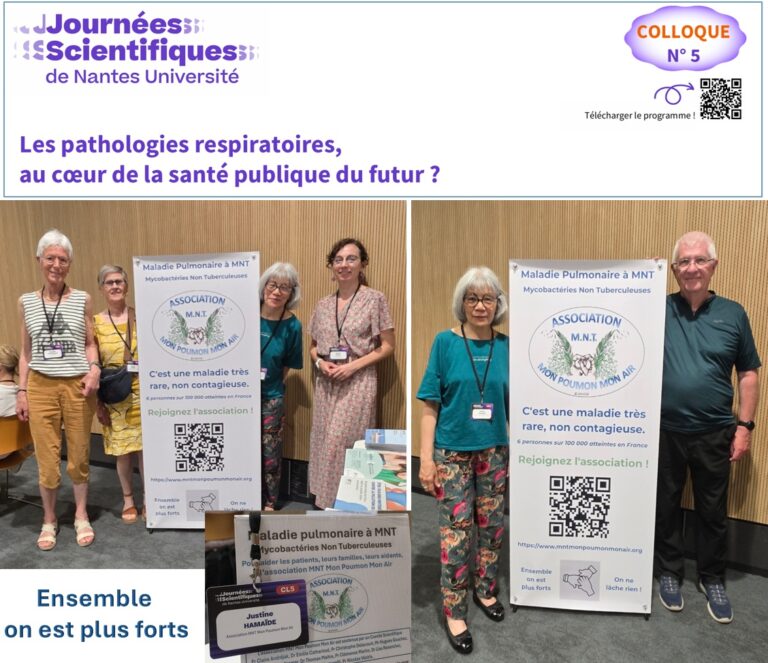
At the Nantes University respiratory research day, Association MNT Mon Poumon Mon Air successfully acted as a bridge between researchers and the patient community. Their participation ensured that "cross-cutting issues"—such as the impact of environmental factors and diet—were not overlooked in the pursuit of purely clinical innovation. This ensures that research remains grounded in the realities of the patients it intends to serve.

Personalizing Treatment in the Netherlands
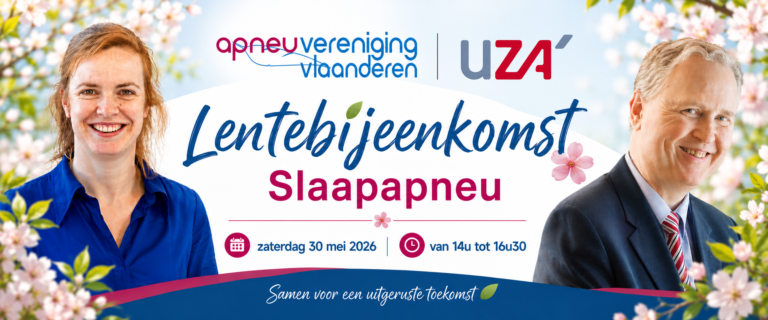
The ApneuVereniging’s collaboration with the University of Antwerp highlights the growing demand for personalized medicine. By bringing together sleep apnea patients and professors, the organization facilitated a high-level exchange that moved away from "one-size-fits-all" treatments, focusing instead on how individual physiology and lifestyle can dictate better therapeutic outcomes.
Implications: The Future of the Patient Voice
The activities of June 2026 carry significant implications for the future of healthcare. We are witnessing a clear transition toward "Co-Production," where patients are no longer recipients of care but active designers of the healthcare experience.

1. The Power of Public Awareness
The PneumoLight 2026 initiative, involving 156 landmarks in 30 countries, demonstrates that respiratory health is entering the mainstream of global public awareness. When major global landmarks light up in blue for World Pneumonia Day, it serves to destigmatize respiratory disease and brings these conditions out of the shadows.
2. Peer Support as Clinical Therapy
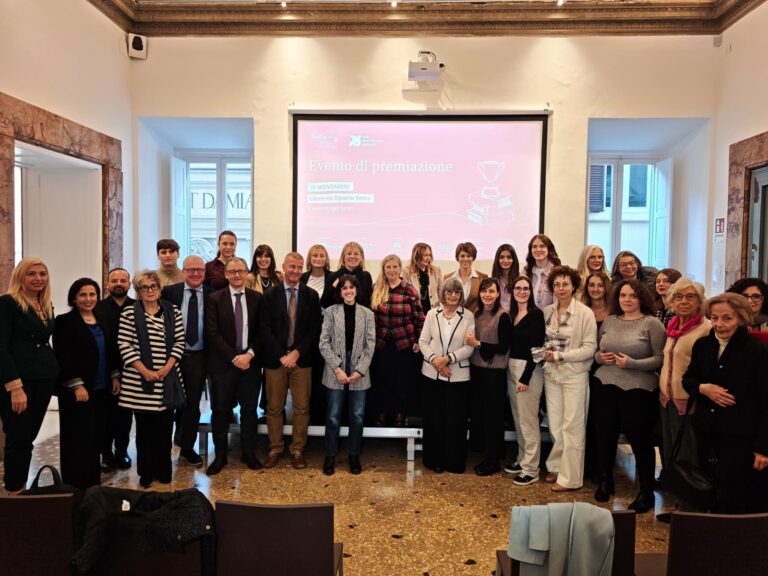
From the LAM Academy’s "Walk and Talk" in Stockholm to Respiriamo Insieme APS’s "Writings in Pink" project, there is a renewed emphasis on the therapeutic value of peer connection. These initiatives prove that mental health and social support are as essential to the management of chronic lung disease as pharmacological interventions.
3. Strengthening the Global Network
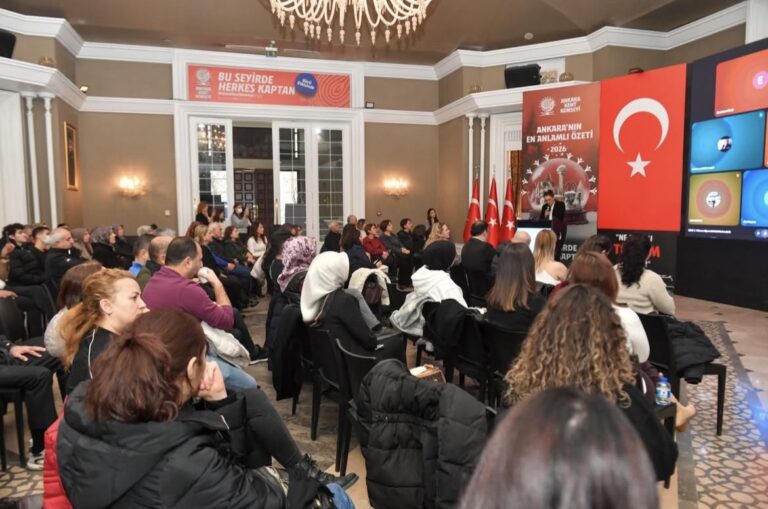
The participation of groups like PHURDA in international congresses in Sarajevo underscores the importance of a globalized advocacy network. As organizations exchange strategies—such as the Turkish SÄLYADER’s use of national media to highlight Primary Ciliary Dyskinesia (PCD)—they are creating a global "knowledge bank" that allows smaller, local groups to scale their impact effectively.
Conclusion: Sustaining the Momentum
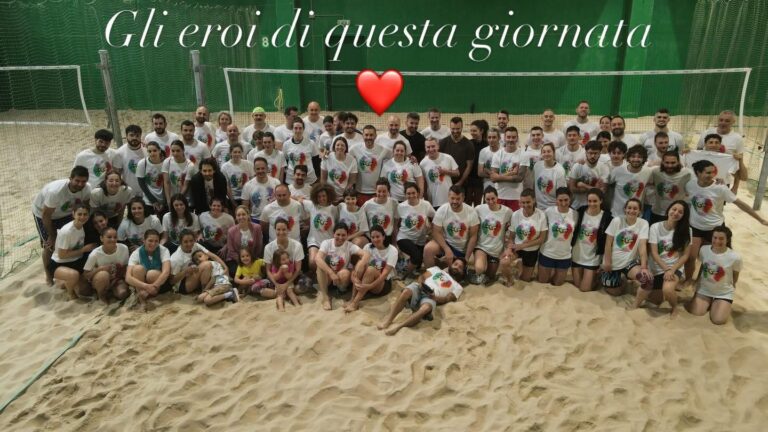
The breadth of activity in June 2026 underscores the vibrancy and resilience of the respiratory patient community. Whether through local charity tournaments in Faenza, high-level advocacy in the European Parliament, or community screening in rural Nepal, these organizations are actively reshaping the narrative of chronic respiratory disease.
As these groups move forward, the focus will likely remain on three core pillars:
- Accessibility: Ensuring that medication and diagnostics are available regardless of geographic or economic status.
- Visibility: Continuing to advocate for the formal recognition of both common and rare respiratory conditions.
- Integration: Ensuring that the patient experience remains central to the evolution of medical research and clinical policy.
The "Patient Organisation Round-up" for June 2026 is more than a list of activities; it is a testament to the power of collective action. By sharing experiences, influencing policy, and supporting one another, these organizations are not just helping patients survive—they are helping them thrive, while simultaneously pushing the medical community toward a more compassionate, efficient, and patient-centered future.
As we look toward the latter half of 2026, the progress made this month serves as a solid foundation. The challenge for the coming months will be to translate this momentum into sustained policy change, ensuring that the progress made in June becomes the standard of care for the years to come.