






The month of May 2026 has served as a powerful reminder of the impact that patient-led organizations have on the global landscape of respiratory health. From the halls of the European Parliament to local community centers in Mumbai and specialized research clinics in the UK, patient associations have been at the forefront of driving change. This report synthesizes the diverse array of activities, advocacy milestones, and research initiatives that defined the respiratory health community this past month.
Main Facts: The Pulse of Global Respiratory Advocacy
May 2026 was characterized by a concerted international effort to bridge the gaps in diagnosis, equitable care, and public awareness. As the respiratory community continues to evolve, the focus has shifted from mere awareness to tangible policy change and technological integration.
Key highlights from the month include:
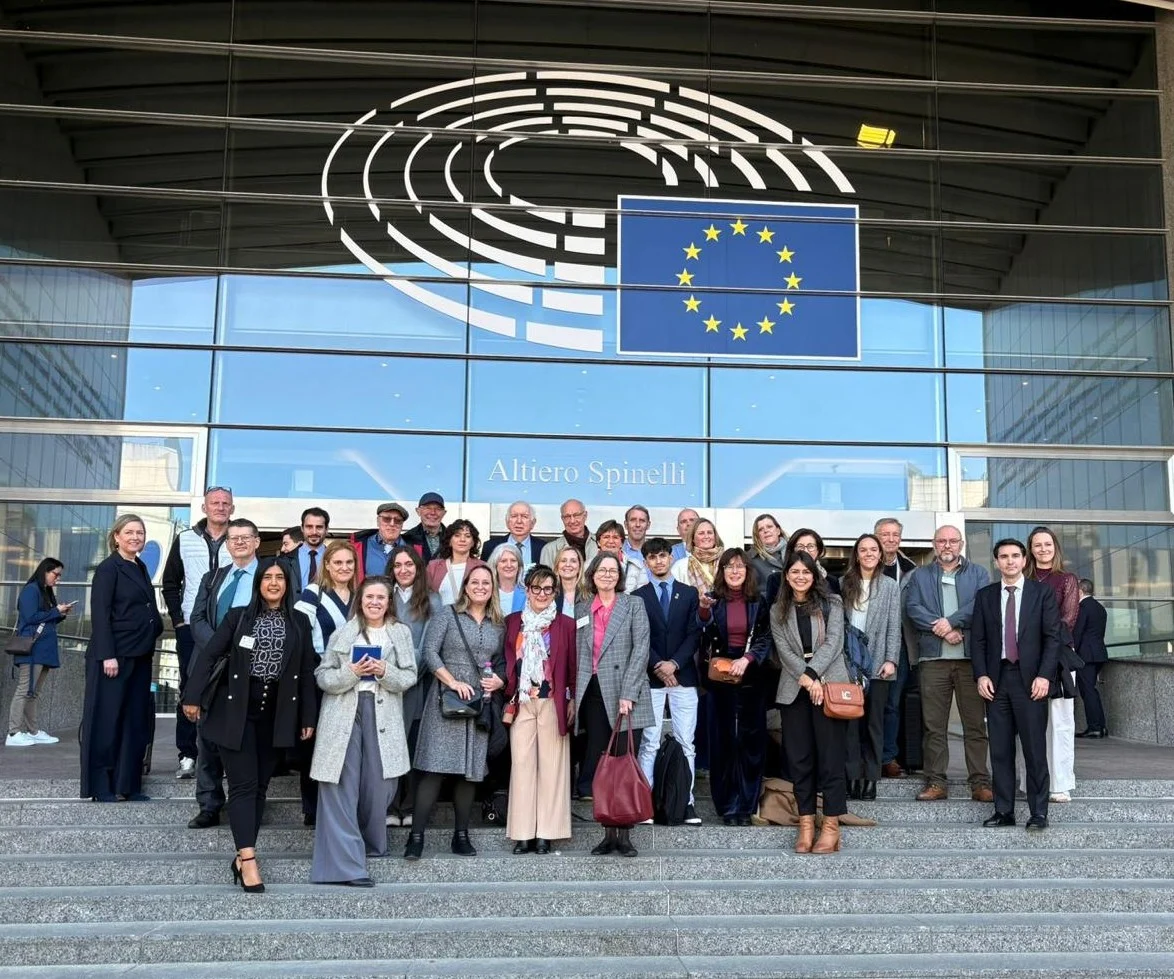
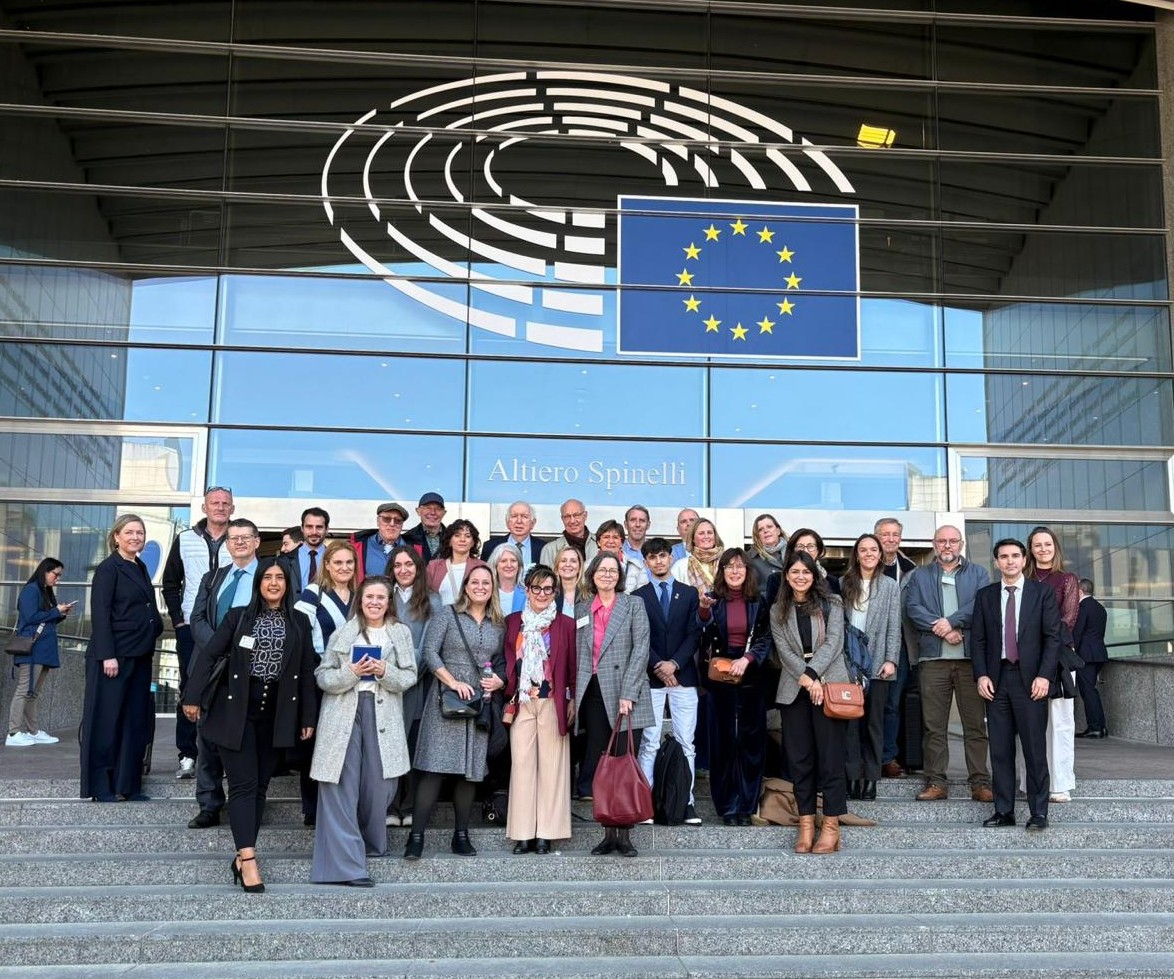
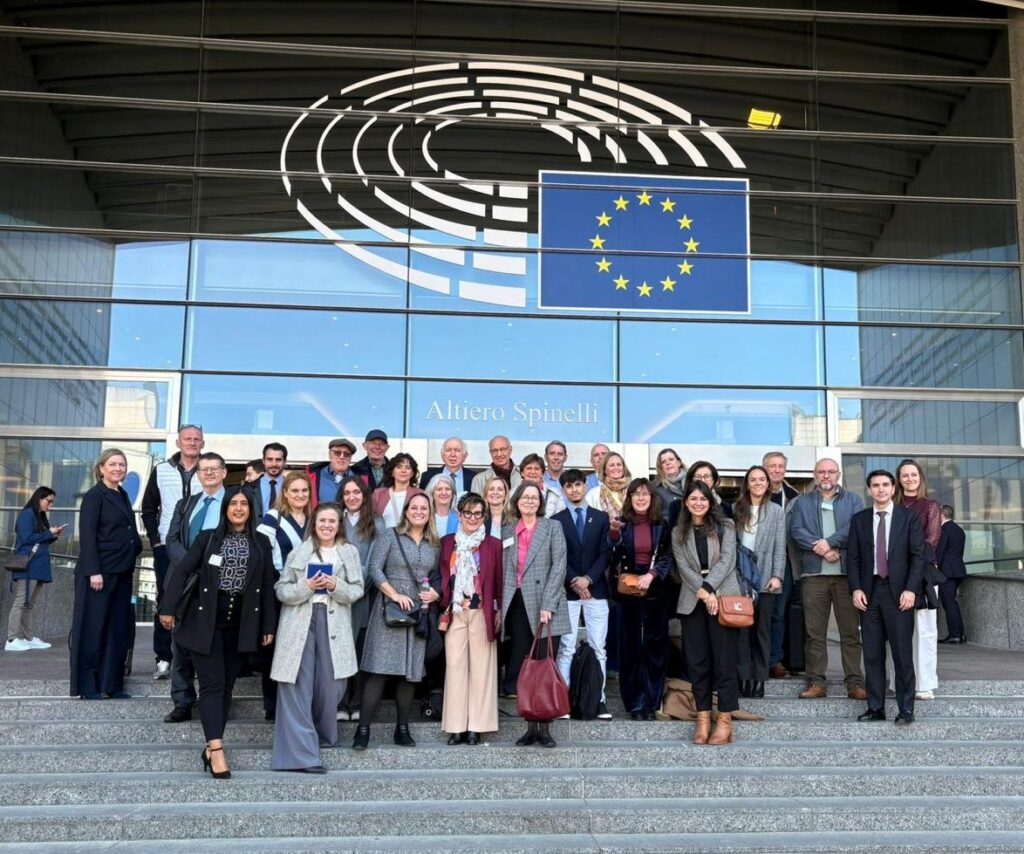
- Legislative Advocacy: The Alpha-1 Europe Alliance successfully brought the conversation regarding Alpha-1 antitrypsin deficiency (AATD) to the heart of the European Parliament.
- Technological Integration: Organizations such as the Pink Tree Foundation in India are now pioneering the use of AI-based voice analysis for early respiratory screening.
- Scientific Advancement: Significant funding for research into biomarkers for neurosarcoidosis signals a move toward less invasive diagnostic techniques.
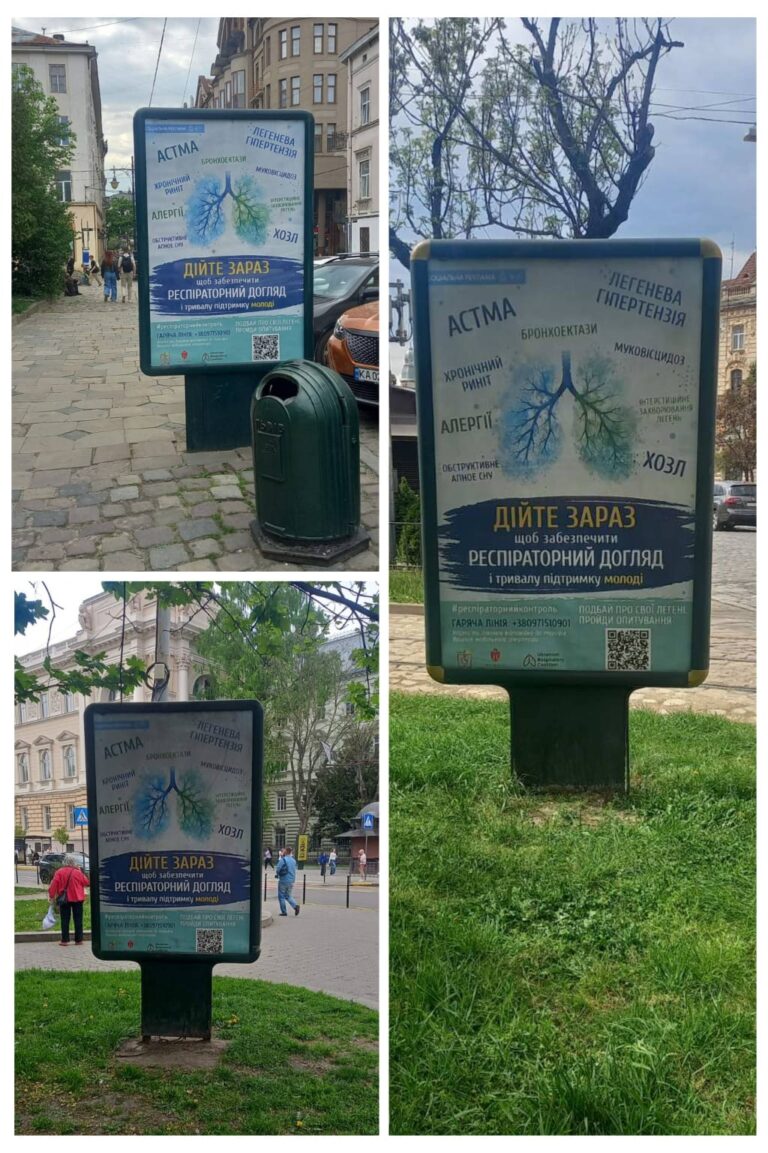
- Community Resilience: Despite the challenges of conflict and displacement, organizations like PHURDA in Ukraine continue to maintain essential support networks for patients with asthma and pulmonary hypertension.
A Chronology of May 2026: Key Events and Developments
The following timeline details the strategic activities undertaken by organizations throughout the month:
- April 25 (Retrospective Impact): Alfa-1 España held a massive awareness drive across 12 Spanish cities, facilitating genetic testing for AATD, setting the stage for May’s intensified efforts.
- May 5: INSPIRAT (Colombia) launched its "Entusiasmados por vivir" (Enthusiastic about living) campaign, coinciding with World Asthma Day.
- May 12: The Schneider Electric Marathon de Paris saw Association MNT Mon Poumon Mon Air raise the profile of non-tuberculous mycobacterial (NTM) lung disease on a global stage.
- Mid-May: Alpha1 Deutschland e.V. celebrated its 25th anniversary, marking a quarter-century of advocacy and patient support in Germany.
- May 22–24: The Nordic Alfa-1 Family Weekend in Gothenburg, Sweden, initiated a series of regional events aimed at cross-border knowledge sharing.
Supporting Data and Research: Evidence-Based Advocacy
Patient organizations are increasingly acting as conduits for research, ensuring that the patient voice is embedded in scientific inquiry.
Addressing Environmental Determinants
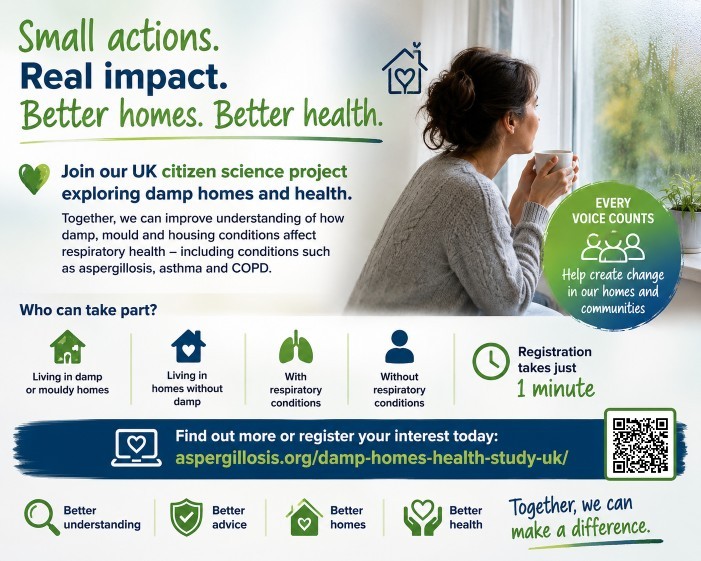
The National Aspergillosis Centre in the UK has launched a landmark "citizen science" project focusing on the intersection of housing quality and lung health. By gathering data on damp homes and mold from patients—including those without formal diagnoses—the study aims to provide concrete evidence for policy changes regarding indoor air quality standards.
Innovations in Diagnostics
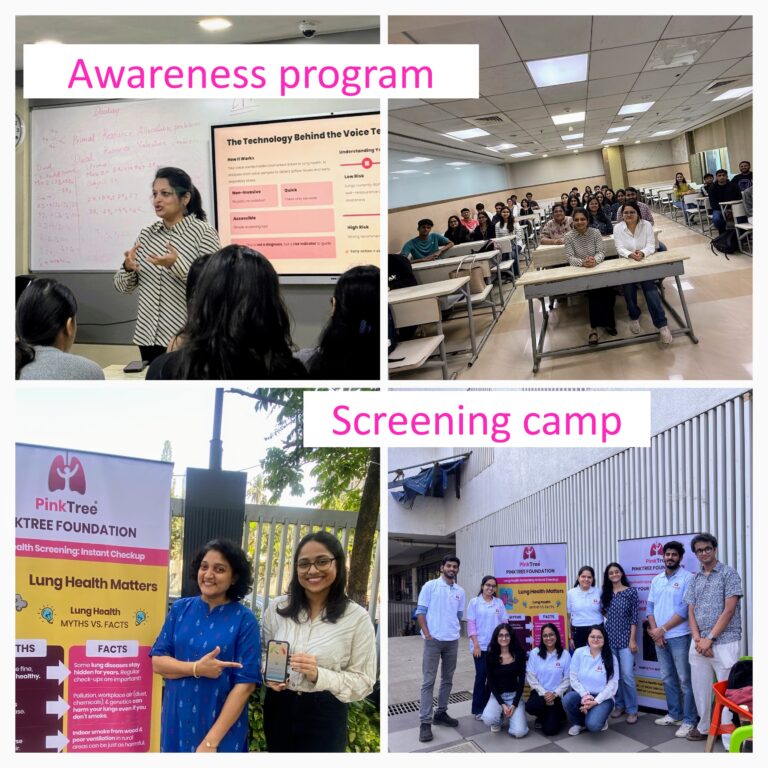
In Mumbai, the Pink Tree Foundation’s initiative at the Narsee Monjee Institute of Management Studies demonstrated the efficacy of AI-based voice analysis in early screening. The data collected from 75 participants revealed a concerning prevalence of respiratory symptoms among young adults, many of whom had never undergone prior screening. This initiative underscores a growing trend: the use of non-clinical environments to capture diagnostic data from underserved or asymptomatic populations.
Research Breakthroughs
SarcoidosisUK’s decision to award its 2025 Research Innovation Award to Dr. Claire Rice is a milestone for patient-centric science. The £59,992.66 grant will fund an 18-month investigation into whether cell-free DNA in tears can act as a biomarker for neurosarcoidosis. This research is a direct response to patient demand for alternatives to the current, highly invasive diagnostic procedures.
Official Responses and Strategic Priorities
The initiatives this month were driven by clear, articulated priorities from the organizations involved.
The Alpha-1 Europe Alliance: A Six-Point Plan
During their parliamentary event, Alliance President Fernanda Aspilche Ferro presented a comprehensive six-point call to action. The priorities include:

- Standardization of Diagnostic Protocols: Eliminating the wide variation in testing across EU member states.
- Equitable Treatment Access: Ensuring that therapy is not determined by geography.
- Plasma Supply Chain Resilience: Securing a sustainable European plasma supply to meet the needs of AATD patients.
- Increased Physician Awareness: Closing the knowledge gap among primary care providers.
- Data Harmonization: Creating a unified registry for AATD patients across the continent.
- Patient Involvement in Policy: Ensuring that every legislative decision regarding rare respiratory diseases includes a seat for the patient.
The Canadian Pulmonary Fibrosis Foundation (CPFF)
The CPFF has taken a hardline stance on the "postcode lottery" of oxygen therapy. Their national surveys have provided the evidence required to lobby provincial and federal governments for consistent reimbursement policies. "Access to oxygen should be a fundamental right of the patient, not a variable of their location," the organization stated in their recent advocacy report.
Implications for the Future of Respiratory Care
The activities of May 2026 reveal three major implications for the future of respiratory medicine:
1. The Shift Toward Digital and Virtual Care
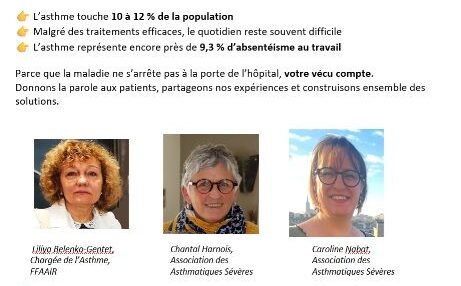
The French Federation of Respiratory Patients’ Associations (FFAAIR) proved that the "Asthma Café" model is more than a pandemic-era convenience; it is a vital tool for community building. By moving discussions about work-life balance and holiday travel to virtual platforms, they have removed the barriers of mobility and fatigue that often plague respiratory patients. This digital-first approach is likely to become a permanent pillar of patient support.
2. The Rise of "Proactive" Patient Organizations
Organizations are no longer just "support groups"—they are now diagnostic partners. Whether it is Alfa-1 España providing rapid genetic testing in hospitals or the Pink Tree Foundation utilizing AI screening on university campuses, these groups are performing a vital triage function that relieves pressure on public health systems.
3. Cross-Generational and Cross-Condition Collaboration
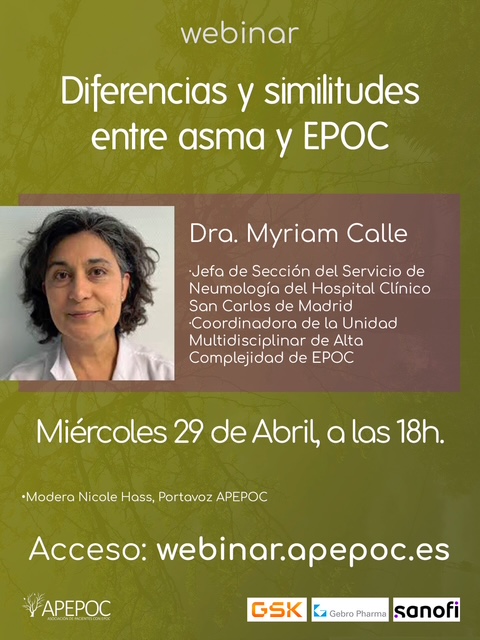
The upcoming ERS pre-congress webinar, hosted by the Global Foundation for the Care of Newborn Infants, highlights a crucial shift: the move toward lifelong care trajectories. By linking bronchopulmonary dysplasia in infants to future respiratory outcomes, and by collaborating with researchers to include patient-families in the development of care models, the community is moving toward a more holistic, "cradle-to-grave" understanding of lung health.
Looking Ahead: The Summer of Engagement
As the summer months approach, the momentum established in May is expected to continue. The upcoming July 30th ERS pre-congress webinar on partnerships in respiratory care is expected to be a focal point for international cooperation. Furthermore, events like the "Let’s Breathe the Mountain Together" camp by Respiriamo Insieme APS demonstrate that the respiratory community is prioritizing the physical and psychological well-being of the youth, recognizing that long-term lung health requires both clinical management and a high quality of life.
The collective efforts of these organizations serve as a testament to the power of the patient voice. By driving research, challenging policy, and fostering community, they are ensuring that the respiratory health agenda remains a priority for policymakers and healthcare systems globally. As we move further into 2026, the focus will undoubtedly remain on translating these grassroots efforts into systemic, life-saving change.
For more information on these initiatives or to join the mailing list for future updates, please visit the official portals of the respective patient organizations or the European Lung Foundation.