Published September 10, 2026
In an era defined by perpetual movement and high-velocity digital engagement, the physical toll of sedentary habits—often referred to as "the sitting disease"—has become a primary health concern for office workers, commuters, and remote professionals alike. As we spend increasingly long hours hunched over keyboards and screens, our bodies often succumb to tightened hip flexors, rounded shoulders, and strained lumbar regions.
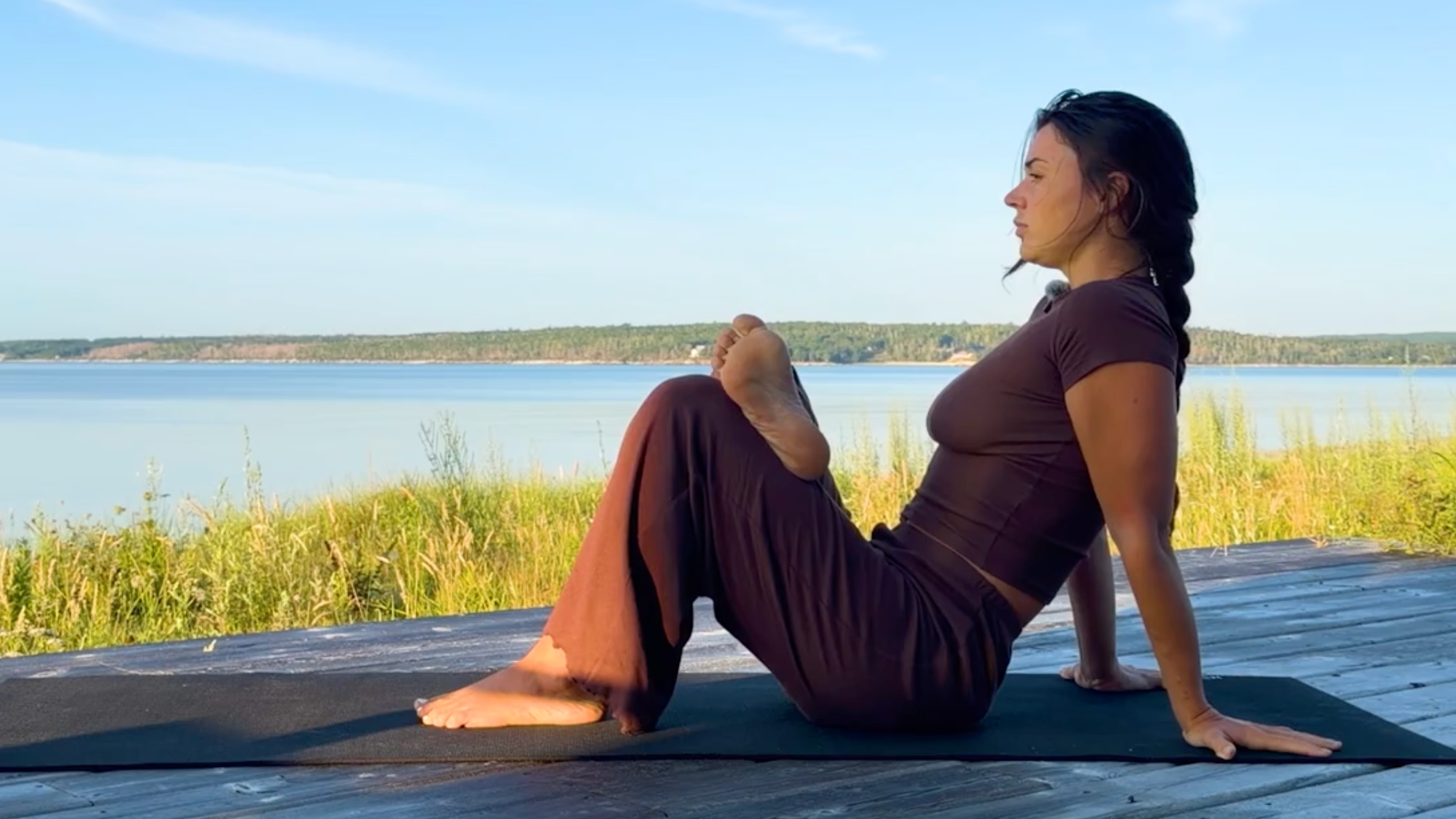
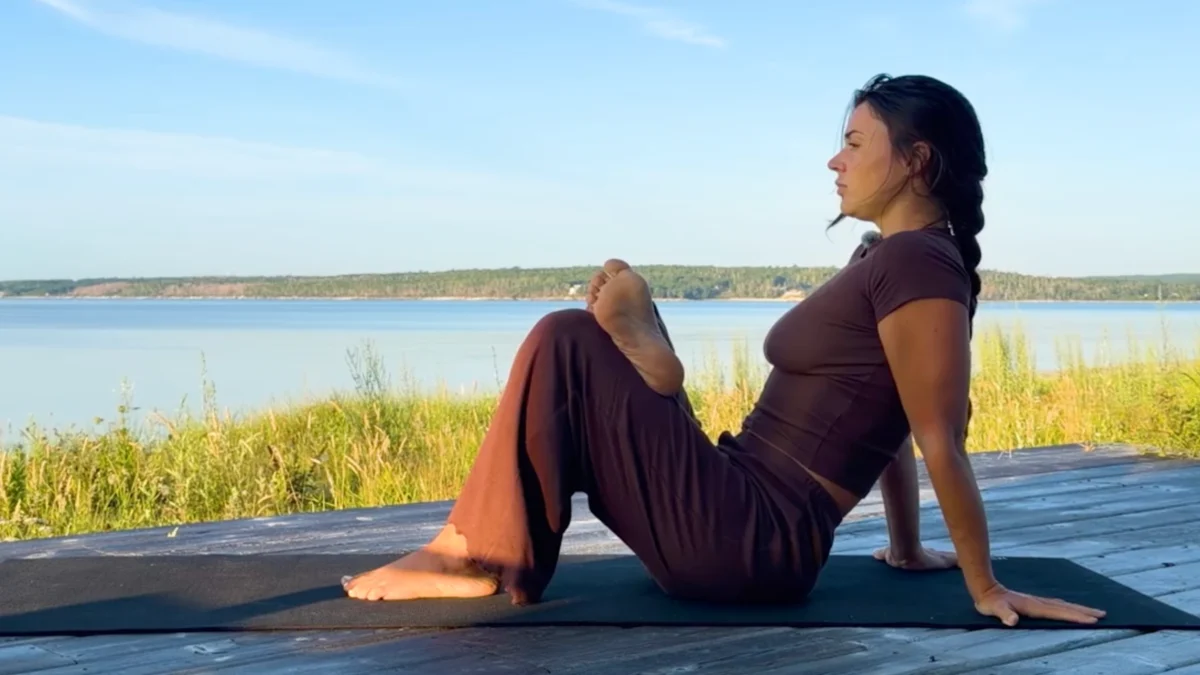
While high-intensity exercise has its place, there is a growing movement in the wellness sector advocating for "low-impact recovery" as a daily necessity. Yoga instructor Emily Baltzer recently unveiled a curated 15-minute seated yoga sequence designed to address these postural imbalances without requiring the complex transitions or physical exertion of a standard vinyasa flow. This sequence offers a bridge between active movement and meditative stillness, providing a scalable solution for morning vitality, midday decompression, or evening restoration.
The Core Philosophy: Movement Without Overexertion
The fundamental premise of this 15-minute routine is that effective stretching does not require an upright stance. By remaining close to the mat, practitioners can focus entirely on spinal alignment and muscle release without the balance-related fatigue often associated with standing poses.
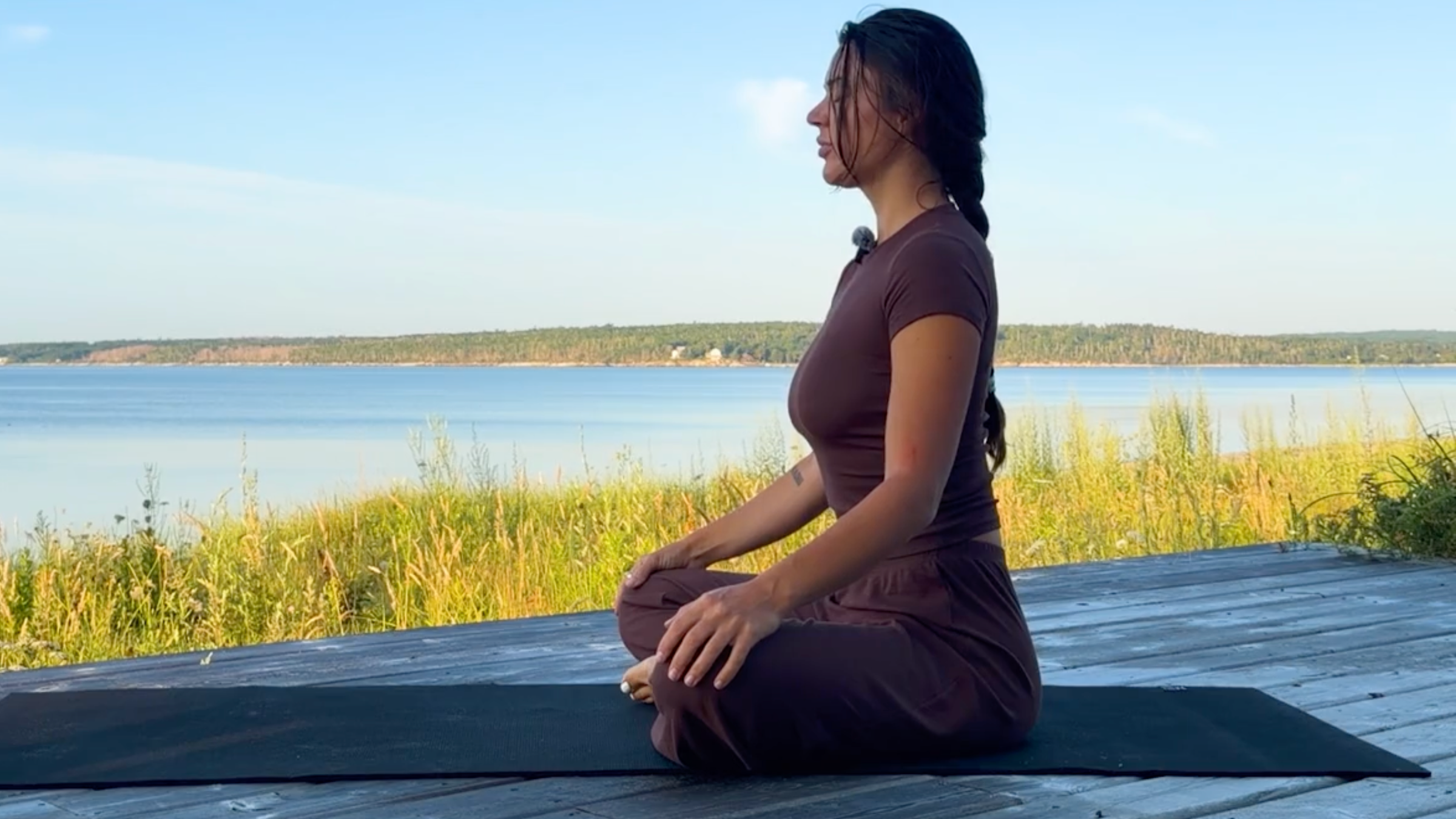
"The goal is to move in a way that respects the body’s current capacity while systematically opening the areas that become rigid during the workday," says Baltzer. The sequence is structured to be dynamic, ensuring that practitioners maintain the vital connection between breath and movement. By syncing inhalation and exhalation with specific postural changes, the body’s nervous system shifts from a sympathetic (fight-or-flight) state to a parasympathetic (rest-and-digest) state, effectively lowering cortisol levels in the process.
Chronology of the 15-Minute Sequence
This protocol is designed to be self-guided and requires no equipment, making it highly accessible for home or office environments.
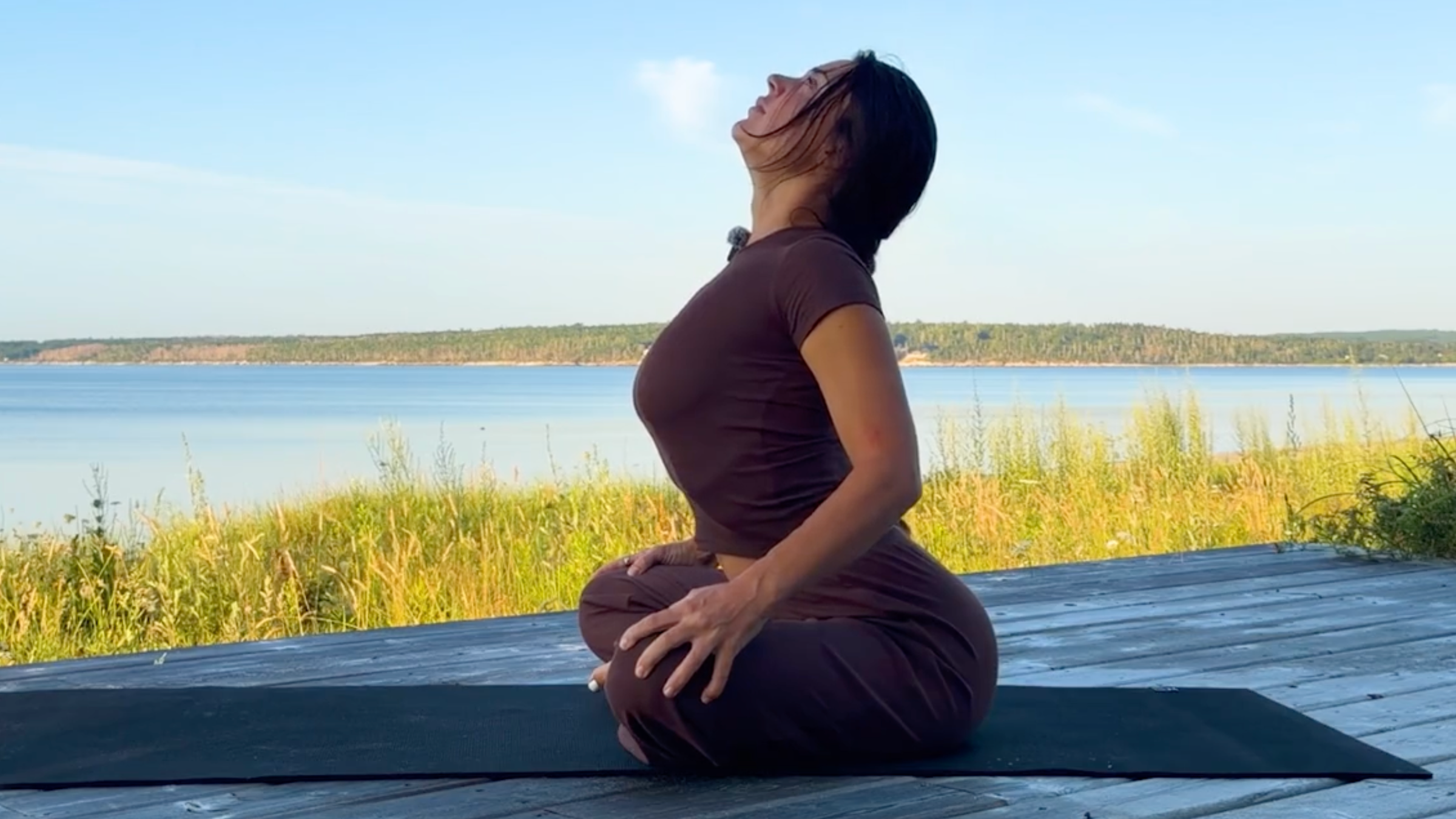
1. Foundation: Easy Pose (Sukhasana)
The session begins with grounding. By sitting in a cross-legged position with hands resting on the knees, the practitioner establishes a baseline for the practice. Closing the eyes allows for a sensory shift, turning the focus inward. This 1–2 minute period is critical for setting the intention and slowing the heart rate before dynamic movement begins.
2. Spinal Mobilization: Seated Cat-Cow
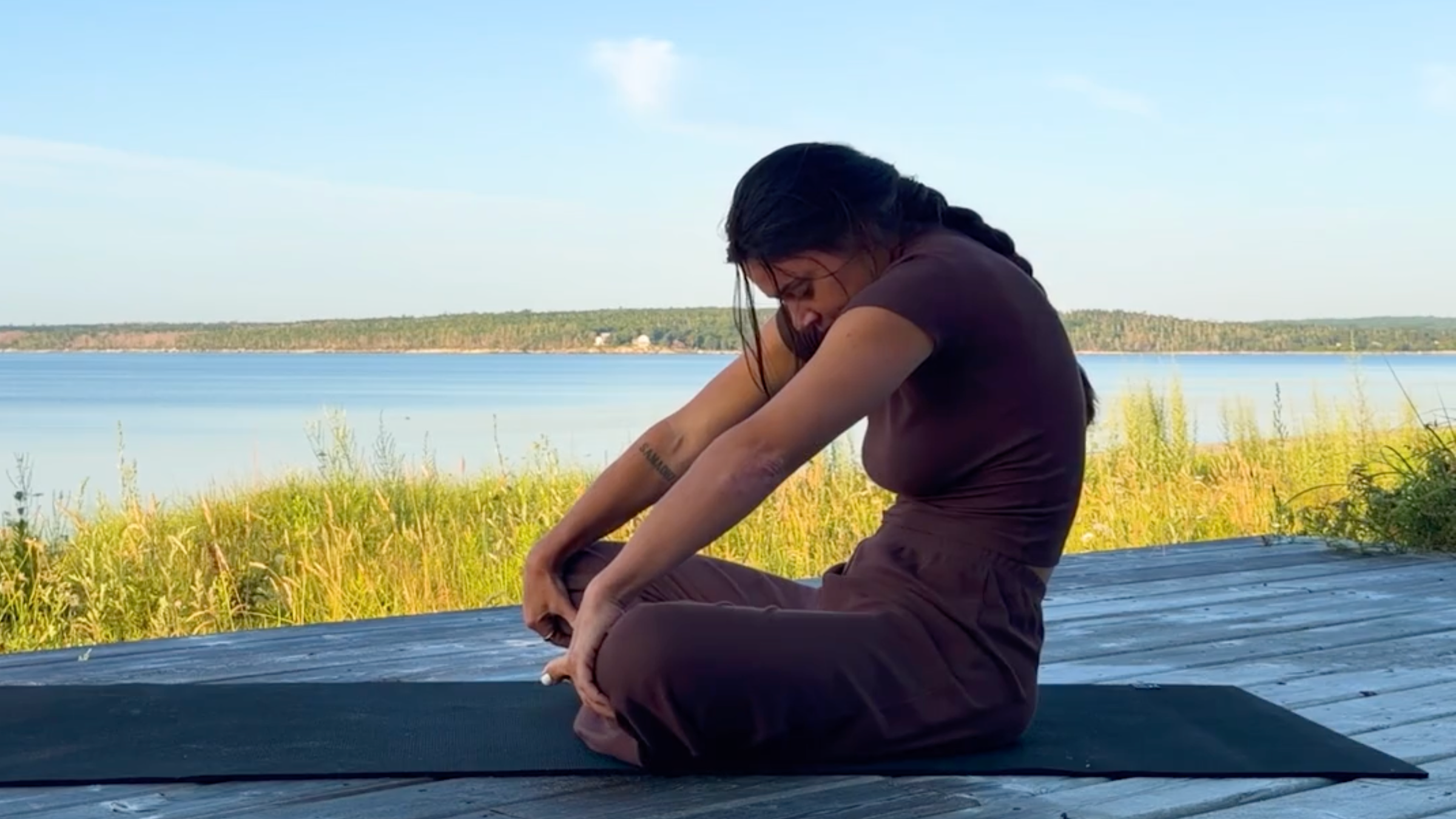
To address the stiffness accumulated in the thoracic and lumbar spine, the Seated Cat-Cow is essential. On an inhalation, the practitioner draws the heart forward into a gentle Cow Pose, arching the back and drawing the shoulder blades down. On the exhalation, the movement reverses into a rounded-spine Cat Pose, with the chin tucked toward the chest. Repeating this cycle six times creates a rhythmic "lubrication" of the vertebral column.
3. Lateral Expansion: Seated Side Stretch
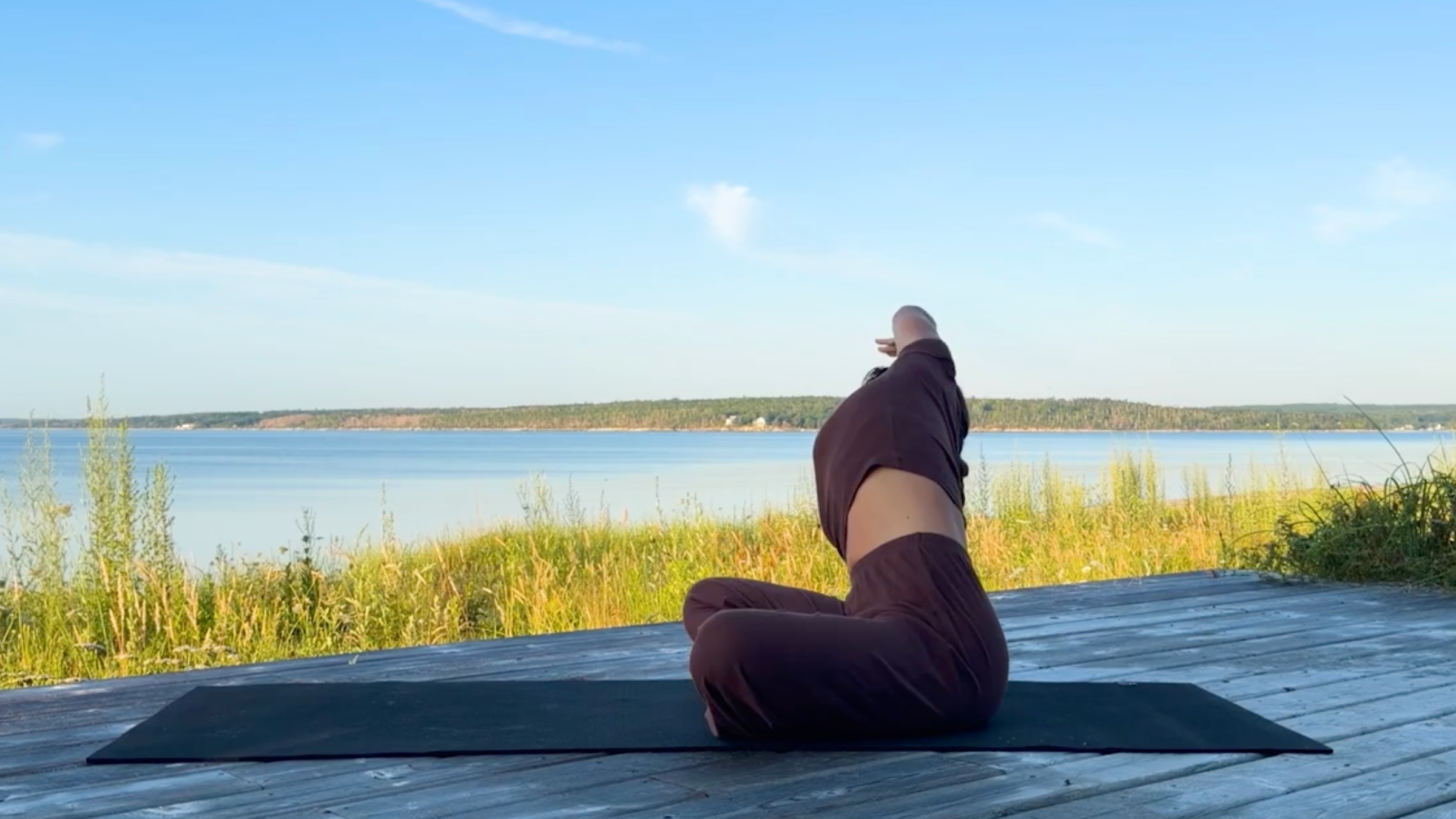
Maintaining spinal health requires movement in multiple planes, including lateral flexion. By rooting the sitting bones firmly into the mat, the practitioner reaches one arm toward the sky and leans to the opposite side. This sequence, performed for three breath cycles per side, helps to open the intercostal muscles—the small muscles between the ribs—which are often constricted by shallow, stress-induced breathing.
4. Dynamic Flow: Seated Half Sun Salutation
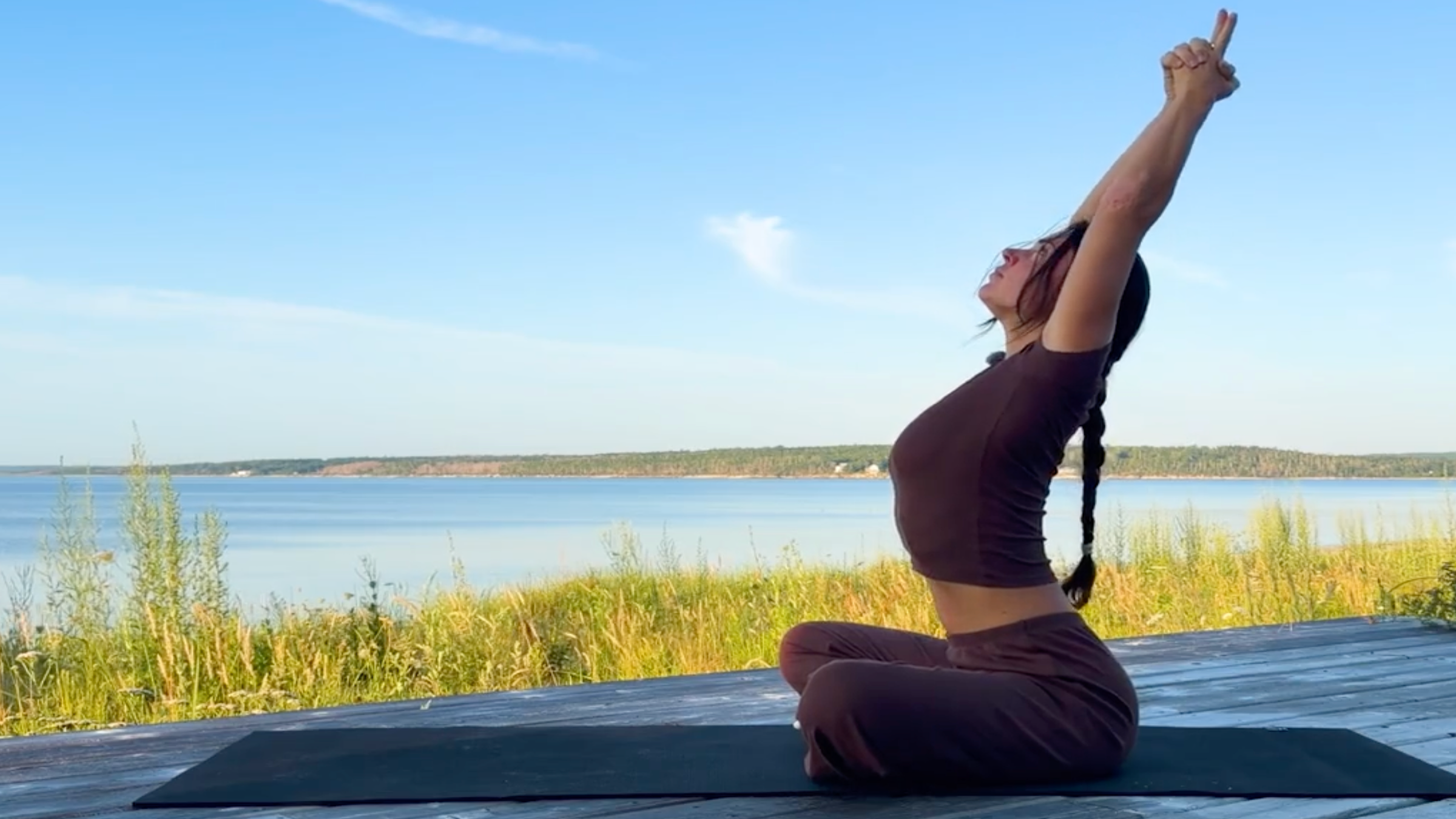
This is the most vigorous portion of the routine. By interlacing hands overhead and lifting the gaze, the practitioner creates a gentle backbend. Following this with an exhale that folds the body forward while clasping the hands behind the back opens the chest and counters the "forward-leaning" posture common in computer work. This cycle is repeated five times, building internal heat and flexibility simultaneously.
5. Deep Release: Seated Forward Bend & Upward Plank
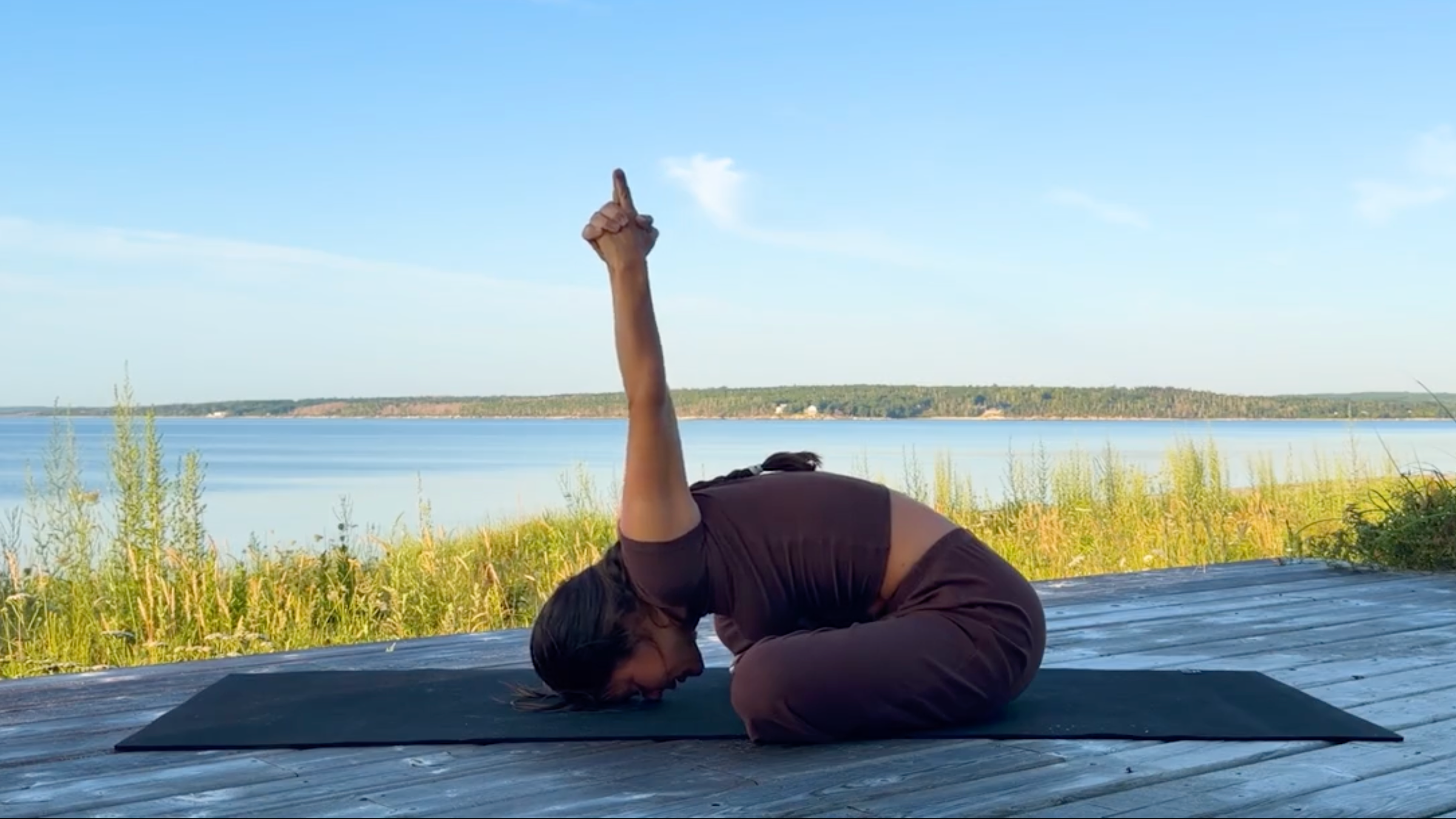
Stretching the hamstrings is vital for lower back health. After shaking out the legs, the practitioner crawls their fingertips forward into a Seated Forward Bend. This is followed by a counter-stretch in Upward Plank, where the practitioner presses their hands into the floor and lifts the hips. This engages the posterior chain and provides a necessary opening for the anterior torso.
6. The Closing Sequence: Twists and Hip Openers
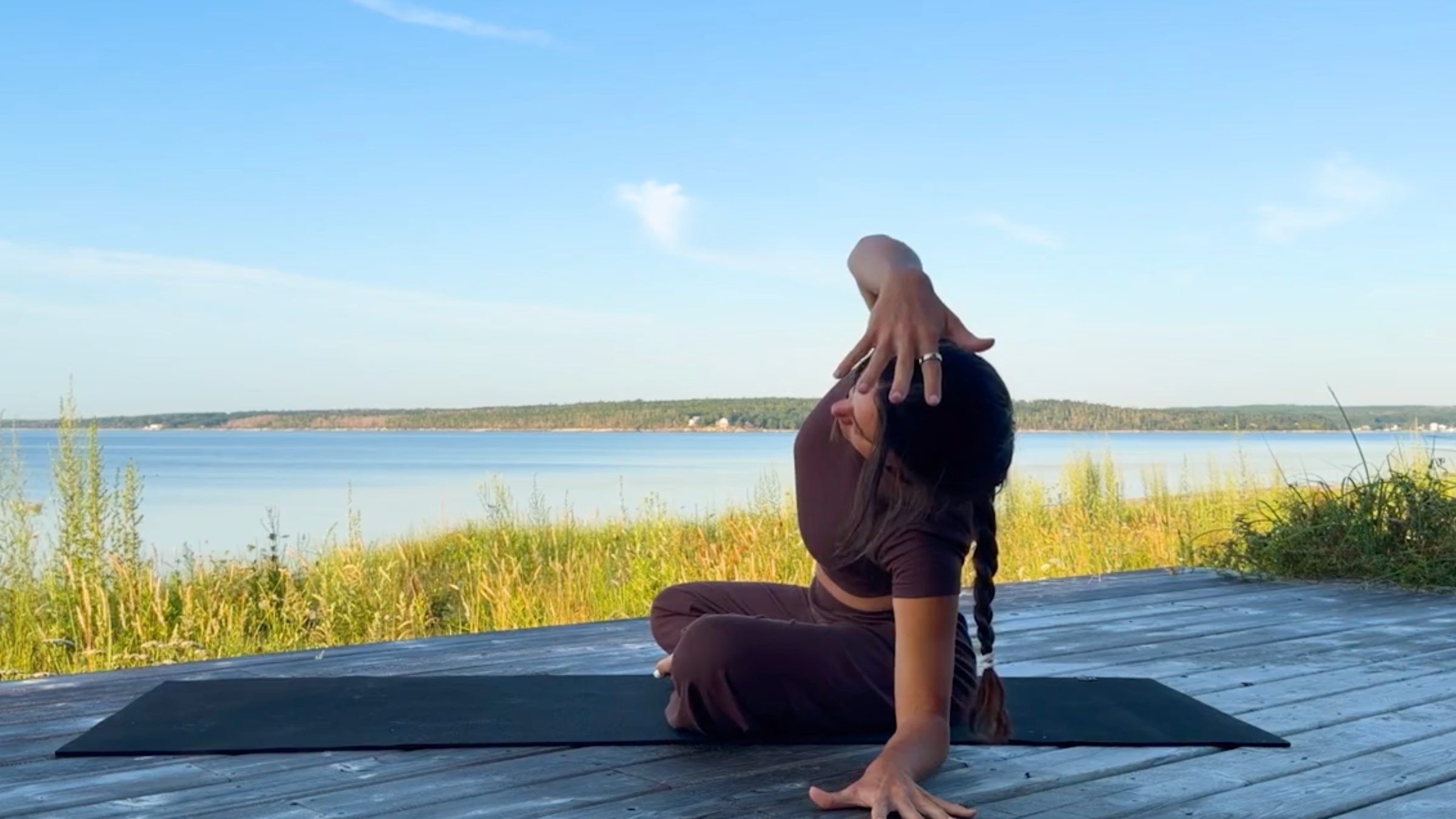
The latter part of the sequence focuses on the hips and rotation. The Head-to-Knee Forward Bend (Janu Sirsasana) targets the hamstrings, while the Wild Thing variation offers a deep, heart-opening stretch. The routine culminates in the Half Lord of the Fishes (Ardha Matsyendrasana), a seated twist that is widely cited in physiotherapy for its ability to release tension in the spinal erectors. The session ends with a Figure-4 rock, which specifically targets the piriformis and gluteal muscles, before returning to the initial Easy Pose for a final meditative pause.
Supporting Data: Why Seated Stretching Works
Current physiological research supports the efficacy of this "close to the mat" approach. A 2025 study on sedentary workers found that individuals who performed 10–15 minutes of low-impact, breath-focused stretching midday reported a 22% reduction in self-reported back pain and a 15% increase in cognitive focus during afternoon tasks.
The biomechanical benefit lies in the "eccentric loading" of muscles. Unlike static stretching, which can sometimes lead to injury if muscles are cold, these dynamic movements gently elongate the muscle fibers while they are engaged. This promotes better circulation to the joints and reduces the accumulation of lactic acid, which can cause that "stiff" feeling at the end of a long day.
Implications for Public Health and Workplace Wellness
The adoption of short, seated movement breaks has profound implications for workplace wellness programs. As corporate environments continue to evolve toward hybrid models, the responsibility for physical health often shifts back to the individual.
Experts note that the primary barrier to regular exercise is "perceived time." By framing this sequence as a 15-minute, zero-prop necessity, the barrier to entry is significantly lowered. Furthermore, the mental health implications cannot be overlooked. By integrating mindfulness—specifically the emphasis on breathing cycles—into the physical routine, practitioners are essentially performing a "micro-meditation." This dual benefit of physical mobility and mental clarity makes such protocols highly efficient for the high-pressure environments of the modern economy.
Final Recommendations for Practitioners
To derive the maximum benefit from this routine, consider the following expert-backed tips:
- Consistency over Intensity: It is better to practice this 15-minute routine five days a week than to attempt an hour-long, high-intensity yoga session once a week. The cumulative effect on spinal health is dependent on regular mobilization.
- The Breath is the Anchor: The effectiveness of the "Seated Half Sun Salutation" or "Seated Cat-Cow" relies entirely on the breath. If you find yourself rushing, you are losing the nervous system benefits of the practice. Slow the movement down to match your breath, not the other way around.
- Listen to the Body: While the hips and back should feel a stretch, they should never experience sharp or shooting pain. If a pose feels inaccessible, use a cushion under the hips to elevate the pelvis, which can make the seated positions significantly more comfortable.
As we move further into the decade, routines that emphasize recovery, accessibility, and mental-physical integration will likely become the standard for the health-conscious professional. Whether you are a dedicated yogi or someone who has never touched a yoga mat, this 15-minute protocol provides a reliable, evidence-based roadmap for reclaiming your body from the constraints of the modern chair.