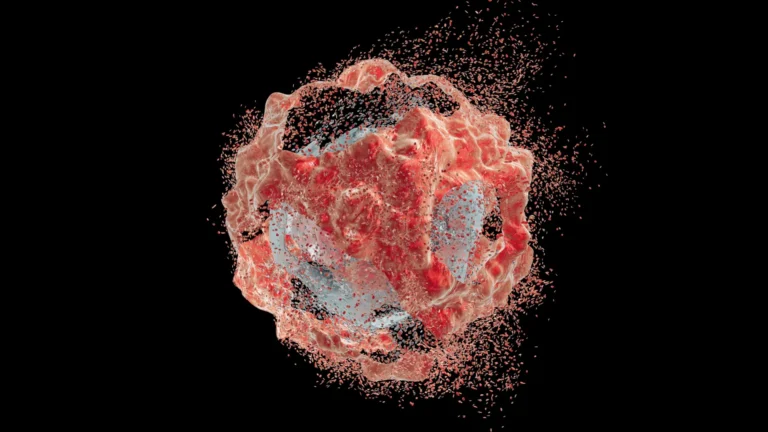








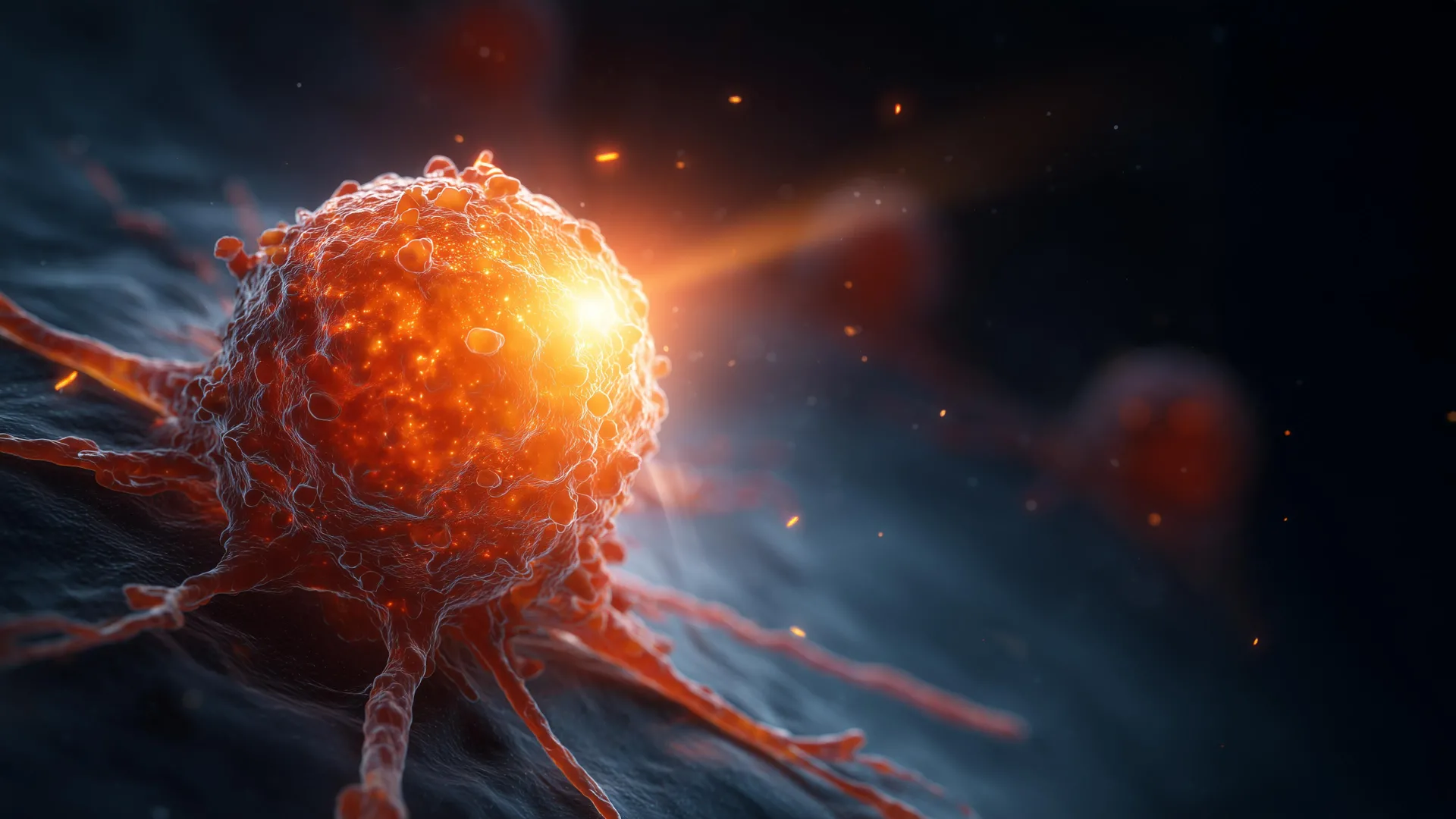
In a significant leap forward for oncology, researchers at the University of Illinois Chicago (UIC) have successfully engineered an experimental cancer treatment derived from bacteria that naturally inhabit the tumor microenvironment. By targeting the "power plants" of cancer cells, this new therapeutic candidate—a peptide known as aurB—offers a promising strategy to bypass the limitations of current genetic-based therapies, particularly in aggressive, hormone-resistant prostate cancer.
The findings, recently published in the prestigious journal Signal Transduction and Targeted Therapy, represent a paradigm shift in how scientists view the microbial landscape within tumors. Rather than merely observing the bacteria living alongside cancer cells, the UIC team has unlocked the potential to weaponize bacterial proteins against the very host that harbors them.
The Core Innovation: Disrupting the Mitochondrial Power Grid
At the heart of the research is a bacterial protein fragment named aurB. Unlike traditional chemotherapy or immunotherapy, which often rely on triggering specific genetic pathways to induce cell death, aurB operates on a mechanical level: it shuts down the tumor’s ability to produce energy.
The Role of Mitochondria
Cancer cells are notorious for their rapid and aggressive growth, a process that demands an enormous amount of metabolic fuel. To sustain this proliferation, these cells rely heavily on their mitochondria—the specialized organelles that function as the cell’s "energy factories."
"The mitochondria are very important for a cell to survive; they are the energy factories," explains Tohru Yamada, senior author of the study and an associate professor in the departments of surgery and biomedical engineering at UIC. "Many cancer cells exhibit altered mitochondrial number and activity, because a cancer cell has to grow aggressively and rapidly. Therefore, the mitochondria would be an ideal target for cancer therapy."
By penetrating the tumor cell and latching onto ATP synthase—the critical enzyme responsible for generating adenosine triphosphate (ATP), the primary energy currency of life—aurB effectively starves the tumor. Without ATP, the cancer cell cannot maintain its metabolic functions, leading to growth inhibition and eventual cell death.
Chronology: From Cupredoxins to the Discovery of aurB
The journey toward this discovery was not linear. It began with the team’s foundational interest in the tumor microenvironment and the communities of bacteria that reside there.
The Cupredoxin Foundation
For years, Yamada’s laboratory had been investigating a class of bacterial proteins called cupredoxins. These copper-containing proteins are essential for electron transfer in bacteria. Previous research from the lab demonstrated that certain cupredoxins could suppress tumor growth, leading to the development of a peptide drug that showed potential in clinical trials and studies of pediatric brain cancer.
The p53 Hurdle
However, as the research progressed, a significant clinical barrier emerged. The efficacy of the earlier peptide was found to be dependent on the p53 gene. Often referred to as the "guardian of the genome," p53 is a tumor-suppressor gene that is frequently mutated in cancer patients. Because these mutations vary widely from individual to individual, a treatment dependent on p53 function is inherently limited in its reach—it might be highly effective for some patients while failing entirely for others.
"We wanted to have an anti-cancer agent that doesn’t use the p53 function," Yamada noted. This realization prompted a pivot in the research strategy: the team needed to find a way to induce cell death that was "p53-independent."
Identifying auracyanin
To overcome the p53 limitation, the researchers turned back to the tumor microbiome. Using advanced DNA sequencing on samples from breast cancer patients, they cataloged the bacteria present within the tumors. Their attention was captured by a specific species that expressed a cupredoxin protein known as auracyanin. Laboratory analysis confirmed that auracyanin functioned similarly to the previously studied proteins but possessed unique properties that allowed it to bypass traditional genetic pathways. By refining this protein into the peptide aurB, the team successfully created a targeted agent that works through the mitochondria, regardless of the patient’s p53 mutation status.
Supporting Data: Efficacy in Prostate Cancer Models
The true test of any experimental therapy lies in its performance against aggressive, established disease. The UIC team focused their efforts on hormone therapy-resistant prostate cancer, a condition that currently presents significant challenges to clinicians.
Synergistic Effects with Radiation
In preclinical trials, the researchers tested aurB in both cancer cell lines lacking active p53 and in mouse models of metastatic prostate cancer. When administered as a standalone therapy, aurB showed promise, but when paired with radiation therapy, the results were striking.
"The combination significantly enhanced the activity of the peptide and the tumor became much smaller," Yamada stated. The researchers utilized a "tibial bone metastatic model"—a standard, rigorous preclinical model for studying bone metastasis—and observed significant inhibition of tumor growth. Notably, the treatment did not result in significant systemic toxicity, a common pitfall of many potent anti-cancer agents. The ability to enhance the efficacy of standard radiation treatment while keeping the patient’s overall health intact is a hallmark of an ideal therapeutic candidate.
Official Responses and Collaborative Effort
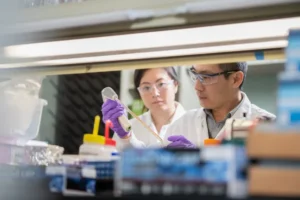
The development of aurB was a multidisciplinary endeavor, highlighting the collaborative spirit of the University of Illinois Chicago. The research involved a diverse array of experts from the College of Medicine and UI Health.
Dr. Yamada credited the Department of Surgery for their indispensable support. Key contributors included Drs. Martin Borhani, Aslam Ejaz, Ajay Rana, Enrico Benedetti, and Tapas K. Das Gupta, whose collective expertise in surgery and oncology provided the necessary framework to translate bench science into meaningful preclinical results.
The UIC Office of Technology Management has already secured a patent for aurB, recognizing its potential as a commercialized therapeutic. This official endorsement serves as a bridge between academic inquiry and clinical reality, signaling that the university is actively pursuing pathways to move this technology toward human clinical trials.
Implications: A New Frontier in Oncology
The success of aurB is more than just a win for prostate cancer research; it represents a fundamental change in how we conceive of "drug discovery."
The Microbial Library
Yamada suggests that auracyanin is merely the tip of the iceberg. The human body is home to trillions of bacteria, and tumors specifically harbor their own unique microbiomes. These microbial communities have evolved over millennia to survive in complex environments, producing a vast, largely untapped library of proteins.
"There are many other bacterial proteins that could be a source of cancer drugs," Yamada said. "We simply haven’t tried them yet."
Future Outlook
The implication for future cancer research is profound. By mining the tumor microbiome for proteins that evolved to perform essential biological tasks—like electron transfer or metabolic regulation—scientists may find a "second arsenal" of drugs that work differently than the chemo-immunotherapy models of the last few decades.
As the UIC team prepares to explore the transition into human trials, the medical community will be watching closely. If aurB proves to be as safe and effective in humans as it has been in preclinical models, it could provide a vital lifeline for patients whose cancers have become resistant to current standard-of-care treatments.
By looking inward at the bacteria that already live within us, researchers like those at UIC are turning the tables on cancer, proving that the solution to one of humanity’s greatest medical challenges may have been hidden in the very tumors we are trying to eradicate all along. The era of microbiome-derived cancer therapeutics has officially begun, and with it, a new sense of optimism for patients facing the most difficult-to-treat forms of the disease.