








In the high-stakes world of emergency cardiology, time is the ultimate adversary. Every minute that passes after a heart attack, the heart muscle—deprived of oxygenated blood—withers, leaving behind non-contractile scar tissue that can lead to permanent, life-threatening heart failure. For decades, the medical community has been constrained by the limitations of traditional interventions: we can open a blocked artery, but we have yet to master the art of repairing the damage already done.
That paradigm may be shifting. A pioneering team of bioengineers and physicians at the University of California San Diego (UCSD) has developed a revolutionary biomaterial capable of traveling through the bloodstream to mend injured tissue from the inside out. This injectable, nanotechnology-driven therapy represents a paradigm shift in regenerative medicine, moving away from invasive surgical procedures toward a minimally invasive approach that could treat heart attacks, traumatic brain injuries, and pulmonary hypertension with unprecedented precision.
The Chronology of Innovation: From Gel to Nanoparticle
The journey to this breakthrough began years ago with a different vision: a hydrogel derived from the natural scaffolding of cardiac muscle, known as the extracellular matrix (ECM). Led by Dr. Karen Christman, a professor of bioengineering at UCSD, the team initially designed this hydrogel to be delivered directly into the heart via a catheter.
The original iteration, known as VentriGel, saw a successful Phase 1 clinical trial in 2019. It proved that injecting a cardiac-specific matrix could support tissue repair in patients with left ventricular dysfunction. However, the team identified a critical bottleneck: direct intramyocardial injection is an invasive, high-risk procedure that cannot be performed immediately following a heart attack, when the heart is most fragile.
Recognizing the need for a more accessible solution, the researchers spent the subsequent years re-engineering the material. The goal was to harness the body’s own highway—the circulatory system—to deliver the repair kit. In 2022, the team published their findings in Nature Biomedical Engineering, detailing a new, nano-sized version of the ECM hydrogel that could be administered intravenously or via coronary infusion.
The most recent chapter in this evolution occurred in 2025, when researchers published a study in Nature Communications. Utilizing cutting-edge spatial transcriptomics and single-nucleus RNA sequencing, the team provided a high-definition view of how these ECM-based biomaterials influence cellular repair, proving that the material does more than just fill a gap—it actively modulates the immune system and stimulates the development of blood vessels, lymphatic systems, and even neurogenesis.
The Mechanics of Repair: How the Biomaterial Works
At the heart of this innovation is a sophisticated process of decellularization and fractionation. By taking cardiac muscle tissue and removing the cellular components, scientists are left with the extracellular matrix—the complex "scaffold" that holds cells in place.
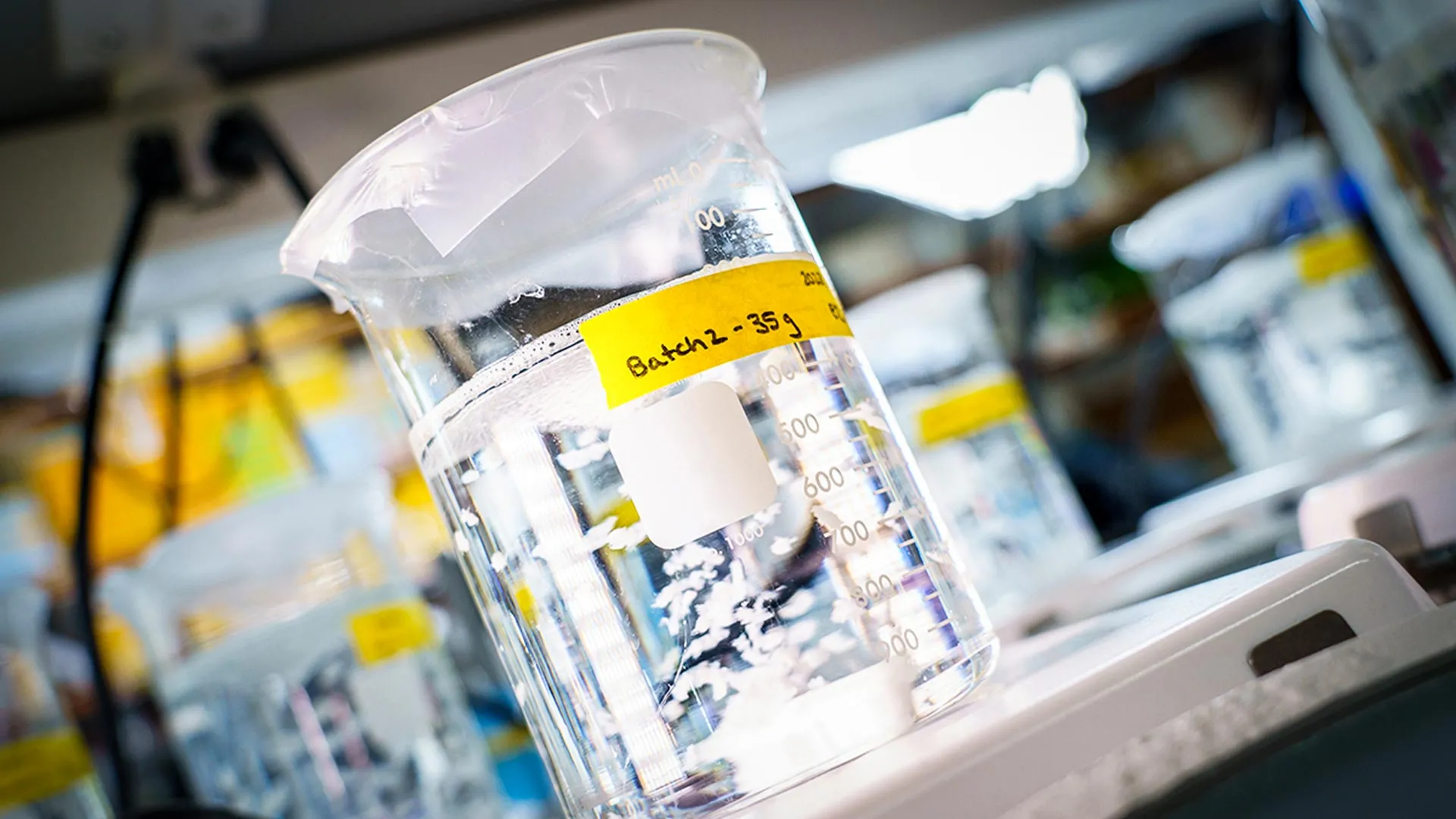
Initially, the particles within this matrix were too large for systemic circulation. Dr. Martin Spang, the paper’s first author, pioneered a centrifuge-based processing technique to isolate only the nano-sized particles. Once filtered and freeze-dried, this material can be reconstituted into a liquid that flows seamlessly through the bloodstream.
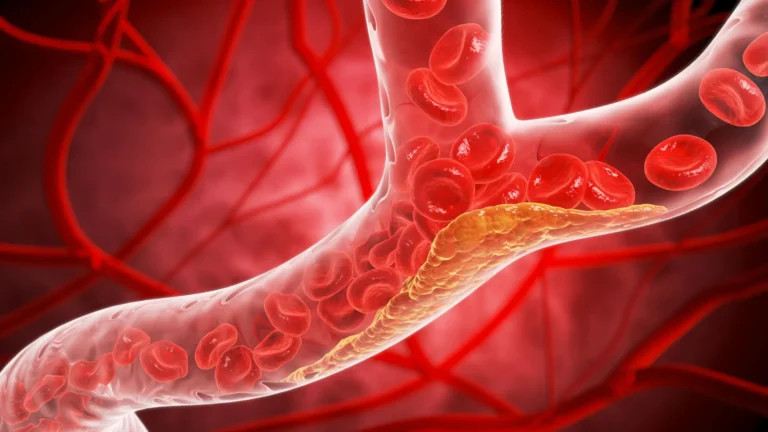
When infused, the biomaterial exhibits a "homing" instinct. It is designed to target leaky microvasculature—the tiny blood vessels that become compromised and permeable in the wake of an inflammatory event like a heart attack. Rather than simply passing through the injury site, the material binds to the endothelial cells lining the damaged vessels. This action serves a dual purpose:
- Structural Sealing: It physically stabilizes the gaps between endothelial cells, preventing further leakage.
- Anti-Inflammatory Signaling: It triggers a healing response that suppresses the runaway inflammation typically responsible for extensive tissue necrosis following an infarction.
Supporting Data: Evidence from the Lab
The efficacy of this approach has been rigorously validated across multiple preclinical models. In rodent studies, the infusion of the biomaterial was associated with a marked reduction in inflammation and a significant improvement in the functional recovery of the heart.
The researchers then scaled the experiment to a porcine model—a crucial step, as the size and physiology of a pig’s heart closely mimic that of a human. The results were consistent: after an induced myocardial infarction, pigs treated with the intravenous biomaterial showed improved wall motion scores and reduced left ventricular volumes. Essentially, the heart retained its strength and geometry, showing far less evidence of the "stiffening" that usually precedes congestive heart failure.
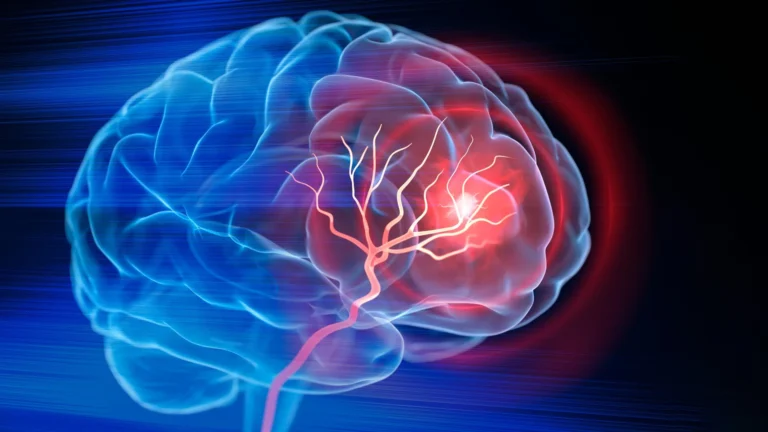
Beyond the heart, the biomaterial has shown "proof of concept" success in treating traumatic brain injury and pulmonary arterial hypertension in rat models. This suggests that the underlying mechanism—targeting leaky vessels and quenching inflammation—is a universal strategy for organ repair, potentially opening doors to treatments for conditions that were previously considered "unreachable."
Perspectives from the Frontlines of Medicine
The medical community is observing these developments with cautious optimism. For interventional cardiologists, the appeal of a "liquid" therapy is profound.
"Coronary artery disease, acute myocardial infarction, and congestive heart failure continue to be the most burdensome public health problems affecting our society today," says Dr. Ryan R. Reeves, a physician in the UC San Diego Division of Cardiovascular Medicine. "As an interventional cardiologist, who treats patients with these conditions on a daily basis, I would love to have another therapy to improve patient outcomes and reduce debilitating symptoms. This easy-to-administer therapy has the potential to play a significant role in our treatment approach."
The excitement is shared by the bioengineering community, where Dr. Christman describes the work as a "new approach to regenerative engineering." By leveraging the vascular system to reach difficult-to-access organs, the researchers have effectively turned the bloodstream into a delivery vehicle for targeted healing, bypassing the need for complex, high-risk surgical navigation.
Implications for the Future of Regenerative Medicine
The implications of this technology extend far beyond the operating room. As Ventrix Bio, Inc.—the startup co-founded by Dr. Christman—continues to advance its cardiac ECM technology, the focus is shifting toward human safety and clinical feasibility.
Currently, the technology is undergoing scrutiny for various applications, including a clinical trial for hypoplastic left heart syndrome in children. While the intravascular biomaterial is still in the experimental stage, the path to the clinic is becoming clearer. The next major hurdle will be obtaining FDA authorization for human trials, where the material must demonstrate not only safety but also clear, quantifiable improvement in patient outcomes compared to the current standard of care.
If successful, this biomaterial could change the way we approach "time-sensitive" trauma. Currently, doctors focus on limiting damage (revascularization). With this therapy, doctors may soon be able to begin the process of tissue regeneration the moment a patient arrives at the hospital, turning the tide on organ damage before it becomes permanent.
Conclusion: A New Era of "Inside-Out" Medicine
The history of medicine is a progression from crude surgery to microscopic intervention. We have moved from bypassing blocked arteries to stenting them; now, we are on the precipice of "bio-integrative" medicine.
The work of Dr. Christman and her team serves as a testament to the power of biomaterials to communicate with the body. By speaking the language of the extracellular matrix and working with the body’s own vascular architecture, they have created a therapy that does not just manage symptoms—it assists the body in its own natural quest for restoration. While years of clinical trials remain, the vision is clear: a future where the most devastating tissue injuries are addressed not by external patches, but by an infusion of healing intelligence that travels to the injury site and works to repair the damage from the inside out.