






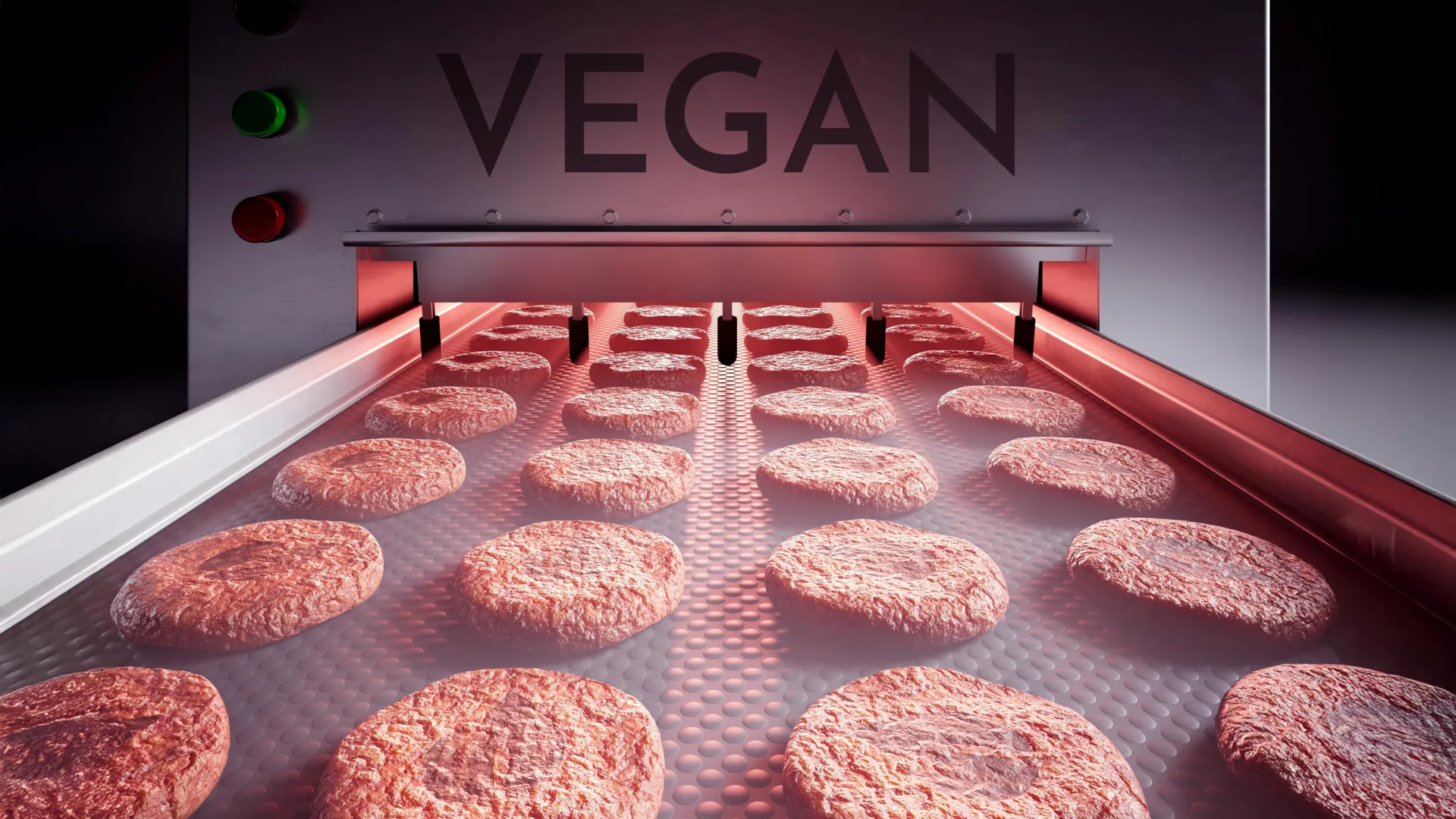
The rapid transition toward plant-based diets—driven by environmental concerns, animal welfare, and health consciousness—has revolutionized the British culinary landscape. From the ubiquitous shelves of local supermarkets to the specialized aisles of health food stores, plant-based meat alternatives (PBMAs) and plant-based beverages (PBBs) have become staples for millions. However, a significant new study has cast a spotlight on an often-overlooked aspect of this dietary shift: the pervasive presence of mycotoxins, naturally occurring toxic compounds produced by fungi, within these highly processed plant foods.
A large-scale survey, recently published in the journal Food Control and led by the University of Parma in collaboration with Cranfield University, has revealed that these toxins are widespread across the UK’s plant-based market. While the findings have sparked discussion among food safety experts, they also offer a nuanced look at how modern food systems manage the inherent risks of agricultural production.
The Core Findings: A Widespread Phenomenon
The study analyzed 212 distinct products—ranging from soy-based milks and oat beverages to vegan sausages and plant-based chicken pieces—all sourced from mainstream UK retailers. The results were stark: 100% of the products tested contained at least one of 19 different mycotoxins. In many cases, products were found to harbor a "cocktail" of several different toxins simultaneously.
Mycotoxins are secondary metabolites produced by fungi, most notably Aspergillus, Penicillium, and Fusarium species. These fungi thrive in the very environments where the ingredients for plant-based products—grains, legumes, and oilseeds—are cultivated and stored. Because the base materials for PBMAs and PBBs are essentially concentrated forms of these crops, the risk of mycotoxin carry-over from field to fork is inherently higher than in many other food categories.
Despite the universality of the contamination, the study’s authors were quick to add a vital caveat: the levels detected in every single product remained well within the stringent safety guidelines set by the European Union. This suggests that while the presence of these toxins is ubiquitous, the UK food industry maintains robust quality control measures that prevent levels from reaching immediate toxicological thresholds.
Chronology of the Investigation
The investigation was born out of a need to fill a critical data gap. As the market for plant-based alternatives has exploded over the last decade, regulatory oversight and academic study have struggled to keep pace with the sheer variety of products hitting the shelves.
- Phase I: Market Selection (Early 2023): Researchers systematically mapped the UK retail landscape to identify the most popular plant-based categories. They selected a diverse basket of goods, ensuring that both premium and budget brands, as well as a wide range of source materials (soy, almond, pea, oat, wheat), were represented.
- Phase II: Analytical Testing (Mid-2023): Using advanced mass spectrometry techniques, the teams at the University of Parma and Cranfield University scrutinized the 212 samples. The focus was on identifying the concentration of 19 specific mycotoxins known to pose risks to human health.
- Phase III: Data Synthesis and Regulatory Review (Late 2023): Once the data was aggregated, the researchers cross-referenced their findings with current UK and EU food safety legislation.
- Phase IV: Publication (2024): The peer-reviewed findings were published in Food Control, providing a benchmark for future risk assessments and prompting a call to action for improved regulatory frameworks.
The Science of Contamination: Why Plant-Based Foods?
To understand why mycotoxins appear in these products, one must look at the supply chain. Mycotoxin production is primarily an agricultural challenge. Grains like oats and wheat, and legumes like soy and peas, are susceptible to fungal infection during the growing season, particularly in high-humidity climates.
If crops are harvested under wet conditions or stored in silos with improper ventilation, mold growth is virtually inevitable. Because PBMAs are often highly processed—involving milling, heat extrusion, and the combining of various plant proteins—the mycotoxins present in the raw ingredients are effectively "concentrated" into the final product. Unlike some other contaminants that are destroyed by high heat, many mycotoxins are heat-stable, meaning the cooking processes used in manufacturing these meat alternatives are often insufficient to eliminate them entirely.
Long-Term Implications: The "Cumulative" Concern
While the study offers reassurance regarding immediate toxicity, the researchers emphasize that current safety standards are designed around acute exposure—the risk of getting sick from a single meal. The real concern, according to the research team, lies in "chronic, low-dose exposure."
The Cumulative Effect
If an individual consumes a plant-based diet exclusively, they may be ingesting a consistent, albeit low, amount of various mycotoxins every single day. Over years, this cumulative burden could theoretically lead to health issues. Chronic exposure to certain mycotoxins has been linked in scientific literature to:
- Hepatotoxicity and Nephrotoxicity: Damage to the liver and kidneys, which are the primary organs responsible for filtering toxins from the blood.
- Immunosuppression: A weakened immune system, which can leave individuals more vulnerable to infections and chronic diseases.
- Carcinogenicity: Long-term exposure to specific mycotoxins, such as aflatoxins, is classified as a risk factor for certain types of cancer.
The researchers stress that the goal of their study is not to alarm consumers into abandoning plant-based diets, which are widely recognized for their health benefits, but rather to highlight the need for a more comprehensive understanding of dietary risks.
Official Responses and Expert Perspective
The study has prompted a measured response from the scientific community, emphasizing that food safety is a dynamic, evolving field. Andrea Patriarca, Senior Lecturer in Mycology at Cranfield University, provided a balanced view of the findings.
"Mycotoxins occur naturally in foods and cannot be completely avoided," Patriarca noted. "As consumers, we should not be frightened or deterred from enjoying a variety of products."
However, Patriarca highlighted a significant regulatory gap: "A significant concern arises when new foods enter the market, as there are currently no established regulations to monitor mycotoxins specifically for these complex, multi-ingredient products. We collaborate closely with various sectors in the food industry, from farmers to food companies, to help implement effective mycotoxin management integrated within food safety standards."
The research team is now working with the University of Parma to model how different dietary habits influence total mycotoxin intake. By understanding how the "plant-based basket" interacts with other parts of the diet, they hope to advise policymakers on how to tighten safety standards for newer, highly processed food categories.
The Road Ahead: Towards Better Monitoring and Safety
The findings from this study serve as a foundational data set for food safety organizations. As the UK market for plant-based foods continues to grow, there is an urgent need for three key developments:
1. Improved Supply Chain Management
Farmers and raw ingredient suppliers must adopt more rigorous anti-mold practices, including better moisture control during storage and the use of resistant crop varieties. Ensuring the integrity of the raw materials is the most effective way to prevent mycotoxin entry into the food supply.
2. Tailored Regulatory Frameworks
Current regulations often look at individual ingredients (e.g., the amount of mycotoxin allowed in raw wheat). However, PBMAs are complex matrices containing many different ingredients. Policymakers should consider "total diet" regulations that account for the cumulative presence of toxins in these processed alternatives.
3. Consumer Education
While consumers cannot test their food for mycotoxins, they can practice dietary diversity. By alternating between different protein sources (e.g., rotating between soy, pea, and lentil-based products) and incorporating a wide variety of whole foods, individuals can avoid the potential pitfall of constant, repetitive exposure to the same fungal contaminants.
Conclusion
The transition to plant-based eating is a positive evolution for both the planet and personal health, but as with any shift in the global food system, it brings unforeseen complexities. The presence of mycotoxins in plant-based meat and beverage alternatives is a reminder that even the most "natural" ingredients are subject to the realities of biological contamination.
The UK’s food safety record remains strong, and the levels of toxins identified in this study are a testament to the efficacy of existing quality control. However, the study serves as a critical call to action for the industry to move beyond current standards and implement more nuanced, comprehensive monitoring. By acknowledging these invisible risks and addressing them through supply chain innovation and smarter regulation, the plant-based industry can continue to thrive, providing consumers with safe, nutritious, and sustainable alternatives for the future.
This work was carried out under the Horizon Europe FunShield4Med project (HORIZON-WIDERA-2021-ACCESS-03) Grant Agreement No 101079173, funded by the European Union. For those interested in the technical methodology, the full paper, "Mycotoxin contamination in plant-based beverages and meat alternatives: A survey of the UK market," is available in the latest issue of Food Control.