









By Ian Ingram, Managing Editor, MedPage Today
July 24, 2026
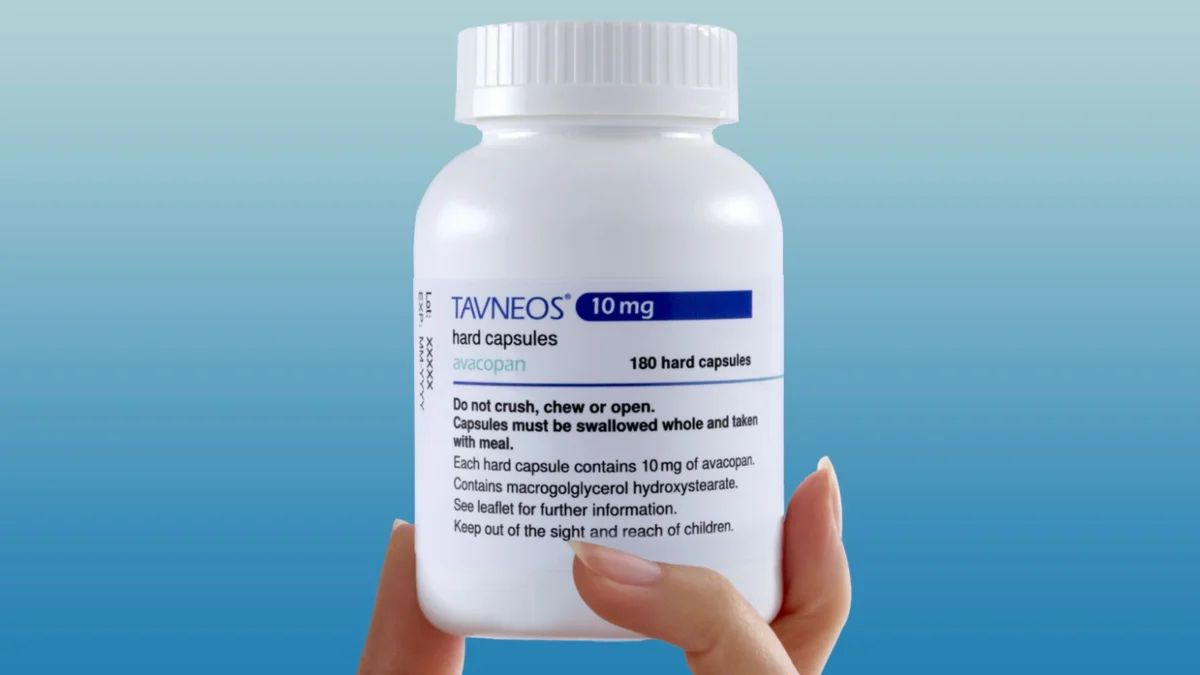
In a high-stakes effort to prevent the removal of its specialized vasculitis treatment from the U.S. market, pharmaceutical giant Amgen has submitted a comprehensive, third-party-validated data package to the U.S. Food and Drug Administration (FDA). The submission marks a pivotal moment in a months-long regulatory standoff concerning avacopan (Tavneos), an oral complement 5a receptor inhibitor initially approved in 2021 for the treatment of severe anti-neutrophil cytoplasmic autoantibody (ANCA)-associated vasculitis.
Since January 2026, the FDA has been actively moving to revoke the marketing authorization of the drug, citing serious allegations of data manipulation within the pivotal Phase III ADVOCATE trial—the very study that served as the foundation for the drug’s original approval. Amgen, which acquired the drug from ChemoCentryx, now faces the daunting task of convincing federal regulators that the medication’s clinical benefit outweighs both the integrity concerns and emerging safety signals.
The Genesis of the Controversy
The current crisis surrounding Tavneos originated from an internal FDA investigation into the data handling practices of the drug’s original developer, ChemoCentryx. The investigation uncovered evidence suggesting that trial participants were retroactively selected for re-adjudication after the study database had been locked and unblinded.
Crucially, the probe identified that five patients originally classified as "not in sustained remission" were re-categorized as being in "sustained remission" by company personnel. This post-hoc adjustment was instrumental in allowing the trial to claim a statistically significant superiority benefit over the control group. These integrity concerns were so severe that the New England Journal of Medicine (NEJM) took the rare and drastic step of retracting the publication of the ADVOCATE study earlier this year. Furthermore, the European Medicines Agency (EMA) has already recommended that the marketing authorization for Tavneos be revoked across Europe, putting significant pressure on the FDA to follow suit.
Chronology of a Regulatory Crisis
The path to the current impasse has been marked by escalating tension between the manufacturer and global health authorities:
- October 2021: The FDA grants approval to avacopan as an adjunctive treatment for adult patients with severe active ANCA-associated vasculitis, including granulomatosis with polyangiitis and microscopic polyangiitis.
- January 2026: The FDA formally signals its intent to withdraw approval, citing "manipulated" clinical trial data and significant concerns regarding hepatotoxicity.
- Spring 2026: The New England Journal of Medicine retracts the primary ADVOCATE trial paper, citing lack of confidence in the underlying data.
- Mid-2026: The European Medicines Agency’s Committee for Medicinal Products for Human Use (CHMP) recommends the revocation of the drug’s European marketing license.
- July 2026: Amgen submits a new, independent review of trial data and a formal request for an administrative hearing to contest the FDA’s withdrawal proposal.
The Independent Re-Adjudication: A New Defense
In a bid to salvage the drug’s reputation, Amgen commissioned the Duke Clinical Research Institute (DCRI) to conduct a fully blinded, independent re-adjudication of the ADVOCATE trial’s primary endpoints. The findings of this independent audit provide the cornerstone of Amgen’s current defense.
According to the report, while the original claim of "superiority" at 52 weeks could no longer be sustained under independent review, the drug still met the statutory standard for "noninferiority." The DCRI analysis demonstrated that remission rates at 26 weeks were 68.1% for the avacopan group versus 67.1% for the prednisone taper control group. At 52 weeks, sustained remission rates were recorded at 61.4% for avacopan and 52.4% for the prednisone group.
Amgen argues that these numbers, while failing to reach the threshold of superiority claimed by the original manufacturer, still provide "substantial evidence of effectiveness." The company posits that the totality of the evidence supports a favorable benefit-risk profile for a patient population that is otherwise limited in its treatment options.
The Steroid Dilemma and Quality of Life
Central to Amgen’s argument is the clinical benefit of reducing systemic glucocorticoid use. ANCA-associated vasculitis is a chronic, life-threatening condition that traditionally requires high-dose, long-term steroid therapy to manage inflammation. These regimens, however, carry a heavy toll of secondary complications, including severe infections, osteoporosis, new-onset diabetes, cardiovascular disease, and metabolic changes.
Amgen’s data submission highlights that patients in the avacopan arm experienced a 56% average reduction in glucocorticoid exposure compared to those on the standard prednisone taper. "Retaining an option that minimizes long-term steroid use is an essential service to both patients and their physicians," the company stated. They maintain that for patients facing the prospect of organ damage from vasculitis, the availability of a steroid-sparing agent is a vital component of modern rheumatological care.
Emerging Safety Signals: The Liver Injury Concern
While the data integrity issues sparked the initial regulatory challenge, the FDA has also flagged alarming post-marketing safety data. Specifically, the agency has identified fatal cases of drug-induced liver injury (DILI) and vanishing bile duct syndrome (VBDS) associated with the use of Tavneos.
VBDS is a rare and particularly aggressive condition in which the bile ducts are progressively destroyed, leading to severe liver dysfunction. While hepatotoxicity was already noted in the drug’s labeling, the FDA contends that the recent reports of fatalities represent a shift in the risk profile that renders the drug unacceptably dangerous.
In its latest submission, Amgen addressed these findings by including a post-marketing study focused specifically on liver safety. The company hopes to demonstrate that these cases are outliers or manageable through more stringent monitoring protocols, rather than inherent, universal risks of the medication. The package also includes a meta-analysis of real-world effectiveness and patient testimonials, intended to provide a human element to the clinical statistics.
Implications for the Pharmaceutical Industry
The outcome of the FDA’s upcoming hearing will have far-reaching implications. For the rheumatology community, the loss of avacopan would represent a significant setback in the ongoing movement to reduce steroid dependence in autoimmune disease treatment. Clinicians who have integrated the drug into their practices are now waiting to see if they will be forced to transition patients back to traditional, more toxic regimens.
For the pharmaceutical industry, the case serves as a stark warning regarding the necessity of data transparency and the long-term consequences of "data grooming." The retraction of a major clinical trial in the NEJM is a rare, industry-shaking event that damages the credibility of the sponsor and casts a shadow over the regulatory process itself.
As the FDA reviews the supplemental materials provided by Amgen, the agency faces a difficult choice: uphold the strict standards of data integrity that are vital to public trust, or allow the continued marketing of a drug that, despite its tainted history, offers a potential therapeutic benefit to a vulnerable patient population.
Amgen remains steadfast, asserting that the "totality of the evidence" favors the retention of Tavneos. Whether the FDA will be persuaded by the independent re-adjudication or remain unmoved by the shadow of the initial scandal remains the central question of the summer. For now, the future of avacopan rests in the hands of federal regulators, who must weigh the promise of a novel treatment against the high costs of compromised clinical research.