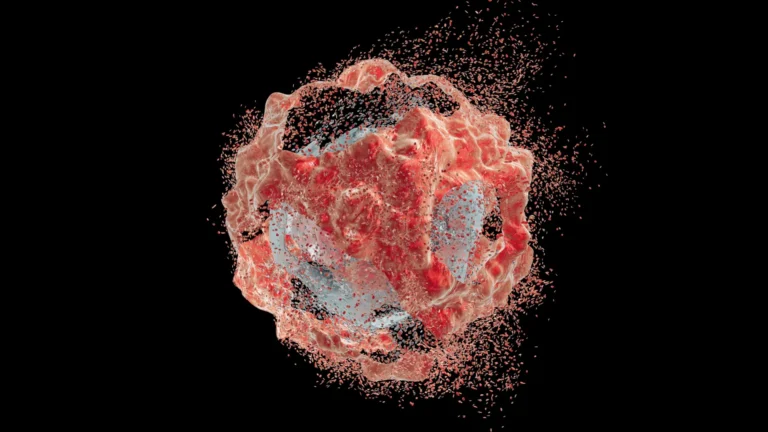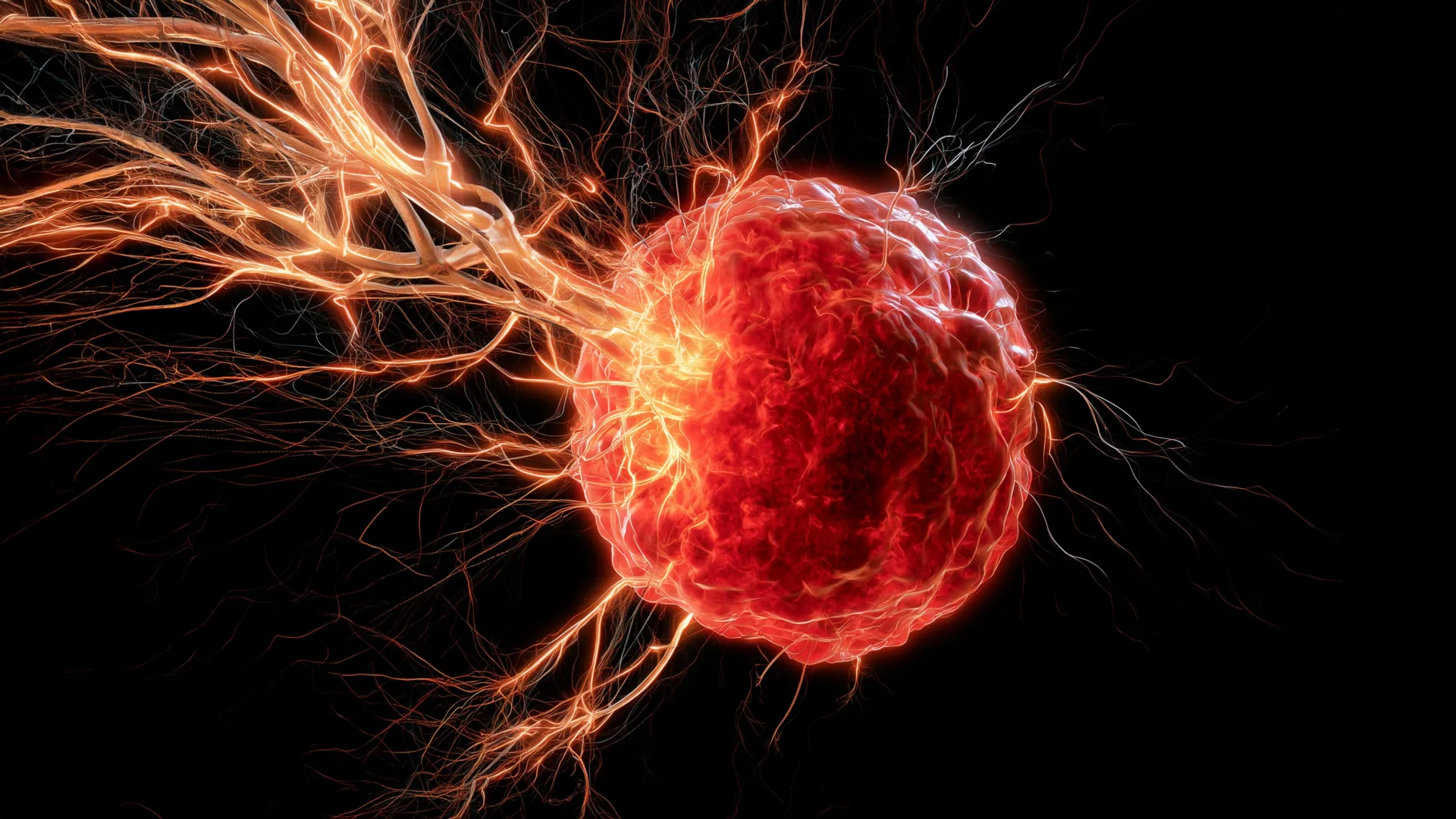
In a breakthrough that challenges our fundamental understanding of tumor biology, researchers at the University of Oklahoma have unveiled a sophisticated, albeit sinister, survival mechanism utilized by triple-negative breast cancer (TNBC). The study, recently published in the journal Cell Death & Differentiation, reveals that these tumors do not merely grow in isolation; they actively recruit the body’s own immune system to "wire" themselves with nerves, creating a supportive microenvironment that accelerates cancer progression and hampers traditional treatment efforts.
This discovery marks a paradigm shift in oncology. By identifying the specific biological bridge between immune cells and neural growth, scientists have identified a potential "off-switch" that could transform how we approach some of the most aggressive and treatment-resistant forms of cancer.
The Main Facts: A Malignant Symbiosis
For decades, oncologists have observed that many solid tumors are densely populated by nerve fibers. While the presence of these nerves was documented, the mechanism of their arrival—and their ultimate purpose—remained a clinical mystery.
The research team, led by Dr. Maureen Cox of the OU College of Medicine, discovered that TNBC tumors engage in a process of systemic manipulation. They specifically attract macrophages—immune cells typically tasked with patrolling the body to eliminate pathogens and facilitate tissue repair. Once these macrophages infiltrate the tumor site, they are "reprogrammed" by the cancer cells to secrete a potent protein known as brain-derived neurotrophic factor (BDNF).
In a healthy body, BDNF is essential for the growth, survival, and differentiation of neurons in the brain. However, within the context of a tumor, this protein acts as a beacon, drawing nerve fibers into the malignant mass. These nerves do not simply exist within the tumor; they actively foster a climate of immunosuppression, effectively shielding the cancer from the patient’s own immune response and providing the biological scaffolding necessary for rapid, unchecked growth.
A Chronological Breakdown of the Discovery
The journey to this discovery was a meticulous process of observation, hypothesis testing, and validation.
Phase 1: Observing the Neural Landscape
The researchers began by analyzing clinical samples from patients with triple-negative breast cancer. They noticed a recurring pattern: tumors that exhibited higher densities of nerves also contained significantly higher concentrations of tumor-associated macrophages and elevated levels of BDNF. This correlation served as the initial catalyst for the study.
Phase 2: Experimental Modeling in Mice
To confirm that this was a causal relationship rather than a coincidental one, the team moved to murine models. By observing the interaction in a controlled environment, they were able to document the macrophages actively secreting BDNF and the subsequent "tethering" of nerve fibers to the tumor tissue.
Phase 3: The Intervention
Once the mechanism was established, the team tested a therapeutic intervention. They utilized a pharmacological agent designed to block BDNF signaling. The results were striking: the nerve growth into the tumors was successfully halted, and, crucially, the overall rate of tumor growth decreased significantly.
Phase 4: Validating Clinical Relevance
The final stage involved cross-referencing these findings with historical patient data. The researchers found that the biological pathway observed in mice—where macrophages drive nerve-assisted tumor growth—was directly linked to poorer survival outcomes in humans, confirming that this is a critical target for future clinical therapies.
Supporting Data and Biological Mechanisms
The complexity of this interaction cannot be overstated. The research suggests that the nerves infiltrating the tumor serve a dual purpose, both of which are detrimental to the patient.
The Vascular Connection
One of the primary hypotheses currently being explored is the link between nerve infiltration and angiogenesis—the formation of new blood vessels. Nerves are known to release various neurotransmitters that can stimulate endothelial cells. By drawing nerves into the tumor, the cancer is essentially ordering a "supply chain" upgrade, ensuring a steady flow of oxygen and nutrients that allows the tumor to grow far beyond its original constraints.
The Highway for Metastasis
Beyond simple nourishment, the nerves may serve as a physical highway. There is mounting evidence in broader oncology research that cancer cells utilize nerve fibers as conduits to migrate away from the primary site. This perineural invasion is a known hallmark of aggressive cancers, facilitating the spread of malignant cells to distant organs.
Immunosuppressive Microenvironment
Perhaps most critical is the "immune-cloaking" effect. The presence of these nerves creates an environment that suppresses the cytotoxic T-cells that would normally recognize and destroy cancer cells. By "wiring" the tumor, the cancer essentially builds a fence around itself, rendering the body’s natural defense mechanisms ineffective.
Official Responses: Shifting the Treatment Paradigm
Dr. Maureen Cox, an assistant professor in the Department of Microbiology and Immunology at the OU College of Medicine and a research member of the OU Health Stephenson Cancer Center, emphasizes that this discovery changes the objective of cancer therapy.
"Macrophages are the critical source for drawing nerves into the tumor," Dr. Cox noted. "Although macrophages typically play a positive role in the body, they are facilitating a negative function in this scenario of breast cancer. It looks really promising that we can use this drug, which is already on the market, to target BDNF. We believe that the nerves are immunosuppressive, so if we can stop the nerves from growing in the first place, maybe we can boost the immune response to help fight the cancer."
The implications for clinical practice are profound. Current cancer treatments—chemotherapy and radiation—are largely "scorched earth" approaches that aim to kill cells that are rapidly dividing. By adding a targeted therapy that interrupts the signaling between macrophages and nerves, clinicians could potentially "re-sensitize" a tumor to the immune system.
"Ultimately, we want to turn the anti-tumor immunity back on in cancer patients so their own immune systems can reject the tumors," Dr. Cox added.
Implications: The Road Ahead
The potential applications of this research extend far beyond breast cancer. The research team is already looking toward high-grade ovarian cancer, another notoriously aggressive disease where early diagnosis is rare and treatment options are limited. If the same macrophage-nerve axis is active in ovarian tumors, the BDNF-blocking strategy could provide a new lifeline for thousands of patients.
Future Research Directions
The team at the University of Oklahoma is now focused on two major questions:
- Defining the full extent of the neural-immune dialogue: What other signaling molecules are involved beyond BDNF?
- Clinical Trial Preparation: Moving the BDNF-blocking agents from preclinical models to human clinical trials. Since some of these drugs are already FDA-approved for other conditions, the timeline for repurposing them for cancer treatment could be significantly shorter than for entirely new drug development.
A New Frontier in Oncology
This study is a sobering reminder of the adaptive capacity of cancer. It highlights that a tumor is not just a collection of mutated cells; it is an active participant in its own microenvironment, capable of co-opting the body’s biological infrastructure. However, it also serves as a beacon of hope. By identifying the specific mechanisms of this co-option, researchers are moving closer to a future where cancer is treated not just by destruction, but by dismantling the very networks that allow it to thrive.
Research Support and Acknowledgments
This transformative work was made possible through a collaborative funding effort, underscoring the importance of institutional and governmental support in scientific innovation.
- National Institutes of Health (NIH): The National Institute of General Medical Sciences provided essential support through award numbers P20GM103447 and P20GM103639.
- Tobacco Settlement Endowment Trust (TSET): As a primary funder of the Stephenson Cancer Center and the TSET Health Promotion Research Center at the University of Oklahoma, TSET played a vital role in enabling this research.
- Oklahoma Shared Clinical and Translational Resources: Supported by an Institutional Development Award from the National Institute of General Medical Sciences (grant no. U54GM104938), these resources provided the necessary infrastructure to conduct this high-level study.
As this research progresses, the medical community will be watching closely. If these findings hold true in broader clinical applications, the "wiring" of tumors may soon become a primary target in the fight against cancer, potentially offering a new, more precise, and more effective way to combat the most aggressive forms of the disease.