










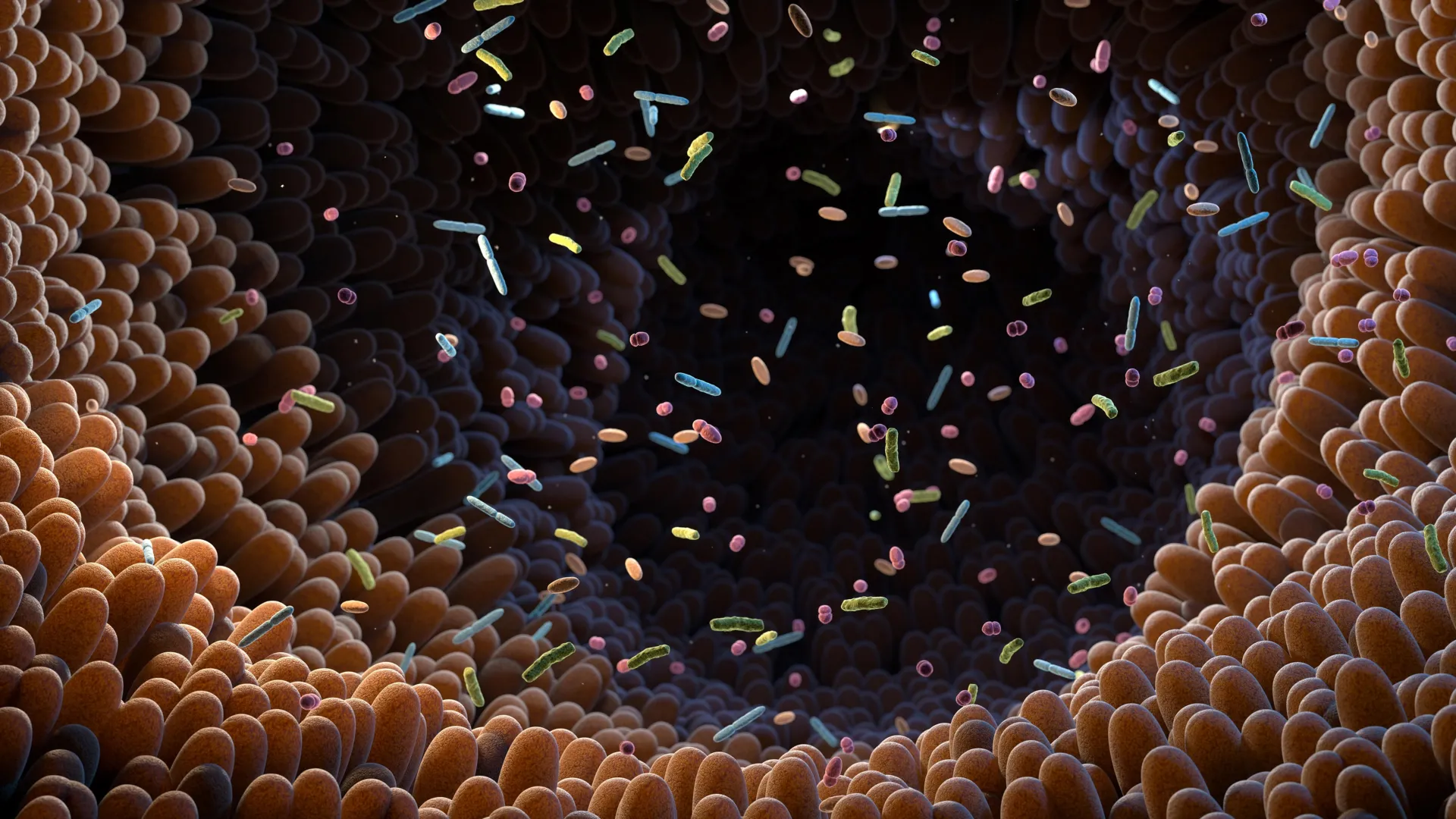
In the complex ecosystem of the human gut, a remarkable chemical transformation is taking place—one that may fundamentally alter our understanding of how diet protects the body against chronic illness. Researchers at the Karolinska Institutet in Sweden have uncovered a previously unknown biological pathway where gut microbes act as internal alchemists, converting common dietary components into potent molecules that safeguard cardiovascular and metabolic health.
The study, published in the prestigious journal Cell, sheds light on how nitrate—abundant in leafy greens like spinach, rocket, and beetroot—interacts with non-haem iron from plant-based foods. According to the research, this process produces dinitrosyl iron complexes (DNICs), molecules that appear to circulate through the body to bolster liver function, regulate blood pressure, and improve metabolic markers.
The Chemistry of Well-Being: A New Understanding of Diet
For decades, nutritionists have lauded the "Mediterranean-style" diet for its protective effects against heart disease and diabetes. While the benefits were clear, the exact mechanisms remained somewhat elusive. This new research suggests that the secret may lie in the synergy between plant-derived nutrients and the microbial inhabitants of the human digestive tract.
The Components of the Equation
The study identifies two primary dietary building blocks required for this process:
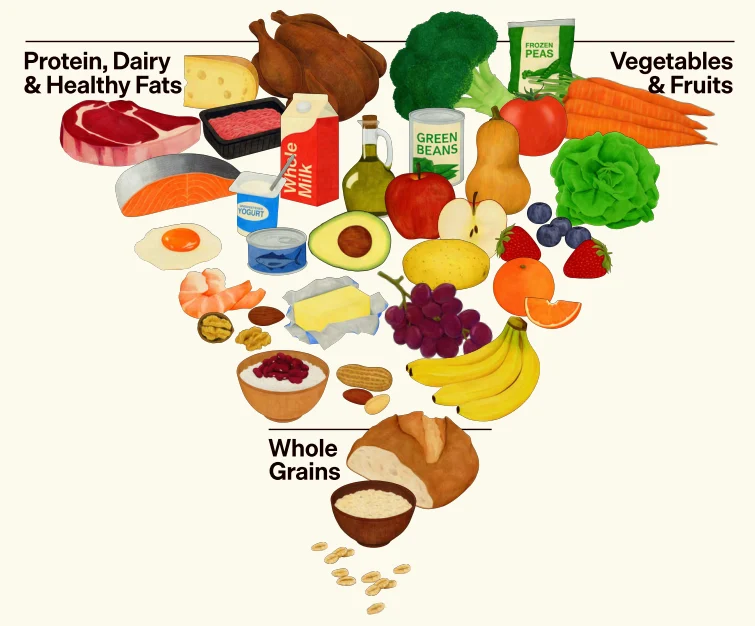
- Nitrate: A compound naturally concentrated in vegetables, particularly beets, spinach, and lettuce.
- Non-haem iron: The form of iron found in plant-based sources such as beans, whole grains, and dark green vegetables.
The researchers discovered that when these two elements meet in the gut, the microbiome facilitates a conversion process, synthesizing DNICs. Once formed, these complexes are absorbed into the bloodstream, where they travel to critical organs, most notably the liver and kidneys, exerting a physiological influence that was previously unrecognized by modern medicine.
Chronology of the Discovery: From Benchtop to Biological Breakthrough
The path to this discovery was multifaceted, spanning several years of rigorous laboratory investigation and interdisciplinary collaboration between Swedish and German institutions.
Phase 1: Identifying the Microbial Link
The research journey began with a series of experiments involving mice, cellular cultures, and human samples. Utilizing advanced analytical techniques—including mass spectrometry and specialized tissue imaging—the team detected the presence of DNICs in various mammalian tissues.
The breakthrough came when the researchers compared standard laboratory mice with "germ-free" mice. In the germ-free group, DNICs were entirely absent, providing a definitive indicator that the gut microbiota is not merely a bystander, but an essential component of the production process. Without the specific bacterial enzymes present in a healthy microbiome, the conversion of nitrate and iron into these protective complexes does not occur.
Phase 2: Testing the Protective Effects
Once the link between microbes and DNICs was established, the team sought to understand the functional impact of these molecules. They utilized animal models of cardiovascular and metabolic disease, introducing DNICs through two distinct methods: dietary supplementation of nitrate and iron, or the administration of synthetically produced DNICs.
The results were statistically significant. Mice with higher levels of DNICs showed marked improvements in several health markers, including reduced systemic blood pressure, enhanced vascular reactivity, improved glycemic control, and a decrease in hepatic fat accumulation.
Supporting Data: The Biological Evidence
The evidence gathered by the Karolinska Institutet team provides a robust framework for understanding how dietary patterns translate into molecular health. The study indicates that the presence of DNICs serves as a mediator for several vital physiological pathways.
Key Physiological Observations:
- Vascular Function: DNICs appear to support the endothelium (the inner lining of blood vessels), facilitating better circulation and reducing the workload on the heart.
- Metabolic Regulation: The correlation between higher DNIC levels and better blood sugar management suggests a role in preventing insulin resistance.
- Liver Protection: By reducing fat accumulation in the liver, these complexes may offer a protective mechanism against non-alcoholic fatty liver disease (NAFLD), a growing global health concern.
The absence of these markers in germ-free models confirms that the "microbiome-diet axis" is the primary engine of this phenomenon. This implies that individuals with depleted gut flora—whether due to antibiotic overuse, poor diet, or underlying health conditions—may be missing out on this vital, naturally occurring protective mechanism.
Official Perspectives: Expert Commentary
The research team at Karolinska Institutet, led by Senior Researcher Andrei L. Kleschyov and Professors Mattias Carlström and Jon Lundberg, emphasized the novelty of their findings in the context of human physiology.
"Our results show that gut bacteria can convert components in food into biologically active molecules that influence important bodily functions," stated Dr. Kleschyov. This finding challenges the traditional view of the gut as merely a site for digestion, reframing it as a sophisticated bioreactor capable of synthesizing therapeutics from whole foods.
Professor Mattias Carlström noted the broader implications for public health: "Among other things, we observed lower blood pressure and improved vascular function, better blood sugar control, and reduced fat accumulation in the liver. The results help to explain why a diet rich in vegetables, which contain both nitrate and iron, is linked to a lower risk of several diseases."
The researchers remain cautious, however, regarding the immediate translation of these findings into clinical practice. While the animal models provided clear-cut data, the complexity of the human gut microbiome is significantly higher. The team stresses that the next phase of research must focus on validating these processes in human subjects.
Implications and Future Directions: The Road to Clinical Application
The identification of DNICs as a key player in cardiovascular and metabolic health opens several doors for future medical innovation. The research team has outlined a clear roadmap for subsequent studies.
Challenges and Next Steps
- Measurement Standardization: Currently, there is no standardized, non-invasive method to reliably measure DNIC levels in the human population. Developing these diagnostic tools is the primary goal for the next stage of the study.
- Mechanistic Mapping: Researchers intend to conduct deeper investigations into the metabolic pathways of DNICs: how exactly they are absorbed, how they are transported to specific organs, and the specific signaling pathways they trigger upon arrival.
- Microbiome Modulation: A major scientific inquiry involves whether diet, prebiotics, or probiotics can be used to purposefully increase the population of DNIC-producing bacteria, potentially offering a "biologic" way to prevent chronic diseases before they manifest.
Collaborative Scope
The study was bolstered by international cooperation, featuring collaborative efforts from the University Medical Centre Hamburg-Eppendorf and the Johannes Gutenberg University Medical Centre Mainz in Germany. This cross-border collaboration ensures that the methodology and findings have been rigorously reviewed across different scientific environments.
The project was supported by a coalition of prestigious funding bodies, including the Swedish Research Council, the Swedish Heart-Lung Foundation, the Novo Nordisk Foundation, the European Research Council (ERC), the Knut and Alice Wallenberg Foundation, and Diabetes Wellness Sweden. Importantly, the researchers have declared no conflicts of interest, bolstering the independence of the study.
Conclusion: A New Frontier in Preventive Nutrition
The research from Karolinska Institutet represents a paradigm shift in how we perceive the intersection of diet, microbiology, and chronic disease. It suggests that the health benefits of a plant-rich diet are not merely a result of the nutrients themselves, but a result of the conversation between those nutrients and the trillions of bacteria living within us.
While the medical community waits for further human clinical trials, the implications for the average consumer are clear: maintaining a diverse and healthy gut microbiome, while consuming a diet rich in nitrate-heavy vegetables and plant-based iron, provides the necessary raw materials for the body to sustain its own internal protective systems. As we learn more about these "hidden" molecules, we move closer to a future where personalized nutrition could be used as a primary tool to mitigate the global burden of cardiovascular and metabolic illness.