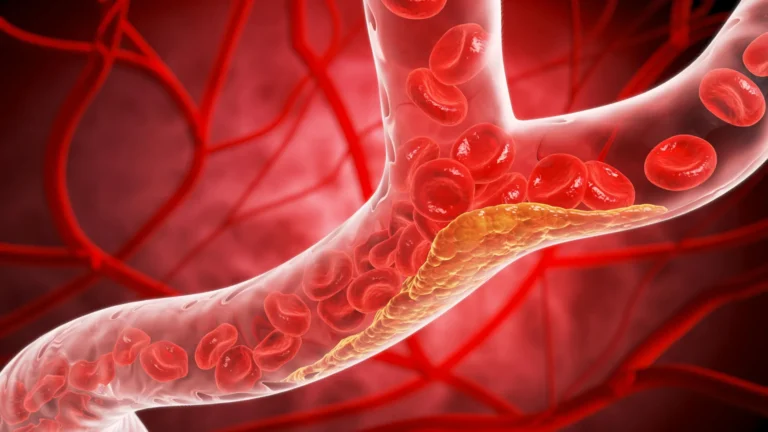












In a landmark revelation that reshapes our understanding of cardiovascular health, a massive new study has identified chronic, low-level inflammation as a primary driver of silent heart damage. Led by researchers at the MRC Laboratory of Medical Sciences (LMS) and Imperial College London, the study—the largest of its kind to date—analyzed data from nearly half a million adults. The findings suggest that the pressures of modern existence, from socioeconomic hardship to persistent psychological distress, leave a tangible, physical mark on the human heart, significantly elevating the risk of heart attacks and strokes long before the first symptoms appear.
The Invisible Toll: Understanding Chronic Inflammation
Traditionally, cardiology has focused on identifiable risk factors: high blood pressure, cholesterol, smoking, and sedentary behavior. While these remain critical, this new research illuminates the "hidden" mechanism that connects these external stressors to internal organ damage.
Chronic inflammation occurs when the body’s immune system fails to "switch off" after an initial threat has passed. Instead of a short-term, localized response to injury or infection, the immune system remains mildly activated for months or even years. This persistent state of "biological alert" creates a toxic environment for the cardiovascular system. As the immune system remains in this heightened state, it triggers a cascade of chemical signals—specifically involving the interleukin-1 and TNF protein families—that begin to physically remodel the heart’s architecture.
Chronology of Discovery: From Biobank Data to Clinical Insight
The study utilized the UK Biobank, a robust repository of genetic, physical, and lifestyle data. By tracking approximately 480,000 individuals, the team was able to draw a longitudinal map of health outcomes.
The Methodology
The research team employed a sophisticated approach to quantify inflammation, utilizing a blood marker known as glycoprotein acetyls (GlycA). By cross-referencing these blood markers with advanced heart imaging and genetic datasets, the team could observe how inflammatory profiles correlated with physical structural changes in the heart muscle.
Key Phases of the Research:
- Baseline Mapping: Researchers categorized participants based on their GlycA levels to create a spectrum of systemic inflammation.
- Structural Analysis: Utilizing cardiac imaging, the team identified that individuals in the highest quintile of inflammation (the top 20%) displayed marked physical differences. These hearts were characterized by thicker walls, smaller chambers, and impaired filling capacities—all precursors to heart failure.
- Correlation with Socioeconomic Factors: By layering in socioeconomic and psychological data, researchers established a direct link between external life stressors and internal inflammatory markers.
- Long-term Tracking: The study followed the clinical outcomes of these participants, identifying a stark 43% increase in heart attacks and strokes among those with the highest levels of systemic inflammation, even when accounting for traditional cardiovascular risk factors.
The Data: Quantifying the Risk
The statistics generated by this study are sobering. The 43% increased risk of major cardiac events for those with the highest inflammation levels holds true even for individuals who, by traditional standards, might not have been classified as "high risk."
The physical remodeling observed is particularly concerning because it is asymptomatic. As the heart walls thicken and chambers shrink to compensate for the inflammatory environment, the patient remains largely unaware of the damage. This silent progression is what makes inflammation such a dangerous "silent architect" of cardiovascular decline.
Furthermore, the study highlights that while smoking and excess body fat are significant contributors to this inflammatory state, they are not the only culprits. The research explicitly links socioeconomic disadvantage and mental health struggles—such as chronic anxiety or depression—to higher levels of GlycA. This suggests that the environment in which an individual lives and works is as much a cardiovascular risk factor as their diet or exercise routine.
Official Perspectives: Experts Weigh In
Professor Declan O’Regan, British Heart Foundation Chair of Cardiovascular AI at Imperial College London and Head of the Computational Cardiac Imaging Group at the LMS, underscores the gravity of these findings.
"Our study suggests that millions of people could be living with hidden inflammation, which is slowly changing their heart and causing long-term damage," Professor O’Regan stated. "Chronic inflammation is complicated, but we know it’s tied to our health and driven by a range of lifestyle and economic factors. People may be at more risk just because of their surroundings, their economic status, their family’s health, and their lifestyle."
O’Regan also emphasized the element of genetic resilience. "The surprising thing was how much social factors and mental health are linked to inflammation and damage to the heart—as well as more well-known risk factors like smoking and inactivity. There was also a strong genetic factor, with some people being naturally more resilient or susceptible to the inflammatory damage that comes from different lifestyles."
Professor Bryan Williams, Chief Scientific and Medical Officer at the British Heart Foundation, added, "Inflammation is part of the body’s healing process, but there is also a darker side to it. This large-scale study found people with higher levels of inflammation experienced silent changes to the structure of their hearts and had a higher risk of major cardiac events. It is to be hoped that anti-inflammatory medicines could become an important tool in preventing cardiovascular disease."
Implications: A New Era for Preventative Cardiology
The implications of this research are vast, shifting the focus from treating acute events to managing systemic biological states.
1. Biomarker-Driven Diagnostics
The use of blood markers like GlycA could become a standard component of routine checkups. By identifying individuals with high inflammation levels early, clinicians could intervene with lifestyle modifications or therapeutic strategies long before structural damage occurs.
2. Genetic Risk Scoring
Combined with genetic information, these inflammatory blood tests could allow for highly personalized risk profiling. Understanding who is naturally more "resilient" versus who is more "susceptible" to the inflammatory consequences of their environment will allow for targeted public health initiatives.
3. Therapeutic Innovation
Perhaps most promising is the link to drug development. The identification of specific inflammatory proteins (interleukin-1 and TNF families) as key drivers of heart damage aligns with existing clinical trials for anti-inflammatory medications. If these drugs prove effective in reducing cardiac remodeling, we may be entering an era where heart disease can be prevented with medication that tames the immune system, rather than just managing blood pressure or lipids.
4. Addressing Social Determinants of Health
Finally, the study serves as a scientific call to action regarding social inequality. By proving that poverty, mental health, and environmental stressors leave a physical, life-shortening mark on the heart, the research provides a biological justification for addressing the root causes of socioeconomic disparities. Improving the conditions in which people live is not just a social goal; it is a clinical necessity for improving the nation’s heart health.
Conclusion: Turning the Tide
While the findings of the MRC Laboratory of Medical Sciences and Imperial College London paint a challenging picture of how modern life impacts our biology, they also provide a clear roadmap for intervention. Genetics and difficult life circumstances do not make heart disease inevitable.
By combining the clinical precision of new blood markers with a broader societal commitment to reducing chronic stressors, healthcare providers can begin to dismantle the silent process of inflammation. The path forward involves a two-pronged approach: the medical community must continue to explore anti-inflammatory pharmacological interventions, while public health policy must prioritize the social and environmental conditions that keep the human immune system in a state of permanent, harmful alert.
In the fight against cardiovascular disease, the most important battlefield may no longer be the arteries themselves, but the silent, inflammatory state that dictates their health.
This study was funded by the Medical Research Council and the British Heart Foundation, with additional support from the NIHR Imperial Biomedical Research Centre, a partnership between Imperial College Healthcare NHS Trust and Imperial College London.