August 20, 2026 | By Lauren Belsky | Healthy Aging
As we approach August 21, the world prepares to pause and acknowledge a demographic that serves as the bedrock of our society: our older adults. World Senior Citizens Day is more than a date on the calendar; it is a profound recognition of the life experience, resilience, and wisdom that define our elders. In an era where the global population is aging at an unprecedented rate, the need to foster intergenerational connection and support the holistic well-being of seniors has never been more critical.
The Foundations of Recognition: A Historical Chronology
The origins of World Senior Citizens Day are rooted in a desire to formalize gratitude for those who have paved the way for current generations. The narrative began in the late 1980s, a period marked by a growing public awareness regarding the challenges and contributions of the elderly.
- 1988: Former U.S. President Ronald Reagan signed a landmark proclamation, officially designating August 21 as National Senior Citizens Day. In his signing statement, Reagan emphasized the dignity and value of older Americans, urging the nation to honor their contributions to the family, the community, and the country.
- 1991: The inaugural observance took place, transitioning from a national designation to a broader global recognition. This shift acknowledged that the "silver tsunami"—the demographic shift toward an older population—was a universal phenomenon requiring universal empathy.
- 1991–Present: Over the last three decades, the day has evolved from a symbolic gesture into a rallying point for public health initiatives, advocacy for age-friendly infrastructure, and community-building efforts.
The Science of Social Connection: Why It Matters
The significance of celebrating older adults is supported by a robust body of scientific literature. Research consistently demonstrates that the transition into later life is not merely a biological process but a social and psychological one. The Alliance for Aging Research and various public health institutions have identified social integration as a primary determinant of healthy aging.
Neuropsychiatric Benefits
Loneliness and social isolation are often cited as silent epidemics among the elderly. These conditions are not just emotional states; they are clinical risks. Chronic isolation is linked to an increased risk of cognitive decline, depression, and anxiety. Conversely, participation in social activities—whether through community centers, intergenerational programs, or simple family engagement—acts as a protective barrier.
Cognitive and Physical Vitality
Engagement is the antithesis of decline. Studies published by institutions like Harvard Medical School have underscored that older adults who maintain active social networks show higher levels of physical mobility and cognitive retention. When an individual feels a "sense of purpose"—a psychological anchor—the physiological markers of stress, such as cortisol levels, tend to stabilize. This, in turn, minimizes the risk of chronic diseases such as cardiovascular issues, hypertension, and type 2 diabetes.
Implications for Public Policy and Community Design
The observance of World Senior Citizens Day invites us to look at the structural implications of an aging society. It forces us to ask: Are our cities designed for the aging? Are our workplaces inclusive of older talent? Are our healthcare systems optimized for geriatric needs?
Building Age-Friendly Infrastructure
An "age-friendly" society is one that benefits all ages. This includes walkable urban environments, accessible public transportation, and housing that allows for "aging in place." When we accommodate the needs of seniors, we inadvertently create a more accessible world for those with disabilities and young families with strollers.
The Economic Contribution of Seniors
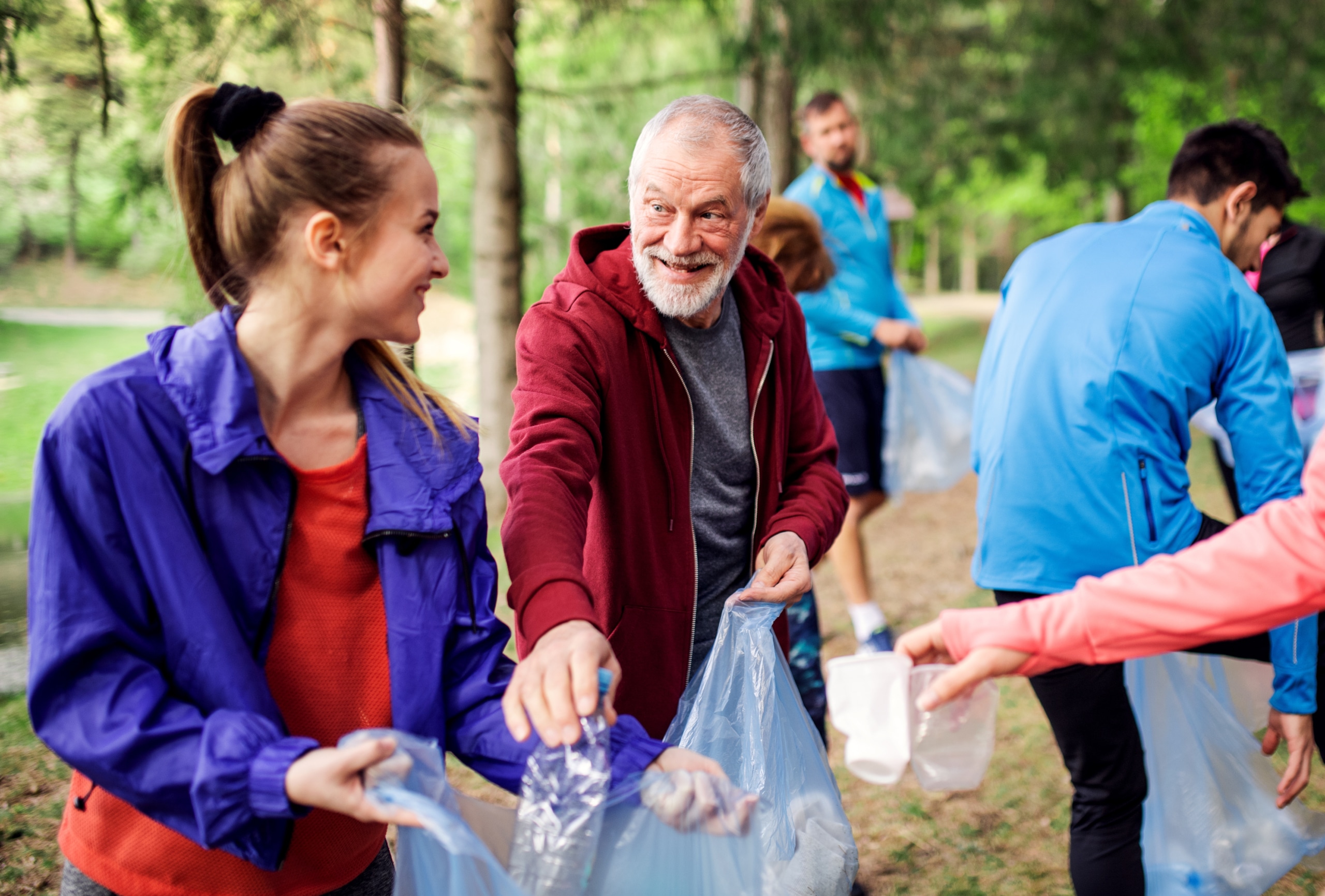
Too often, the narrative surrounding aging focuses on the "burden" of an aging population. This is a profound miscalculation. Older adults contribute trillions of dollars to the economy through volunteerism, caregiving for grandchildren, and continued participation in the workforce. Their institutional knowledge and mentorship are invaluable assets that, if properly leveraged, drive economic and social stability.
How to Meaningfully Celebrate and Support Older Adults
Celebrating our seniors does not require grand gestures; it requires consistency, presence, and genuine engagement. Below are actionable ways to honor the older adults in your life and your community.
Thoughtful Gestures for Loved Ones
- The Gift of Time: In a digital age, presence is the most valuable commodity. Schedule dedicated time to listen to the stories of the older adults in your life. Oral history is often lost; take the time to record or document their experiences.
- Digital Literacy Support: Many older adults wish to remain connected but struggle with rapidly evolving technology. Offering patient, hands-on help with video calling or social platforms can bridge the gap between them and distant family members.
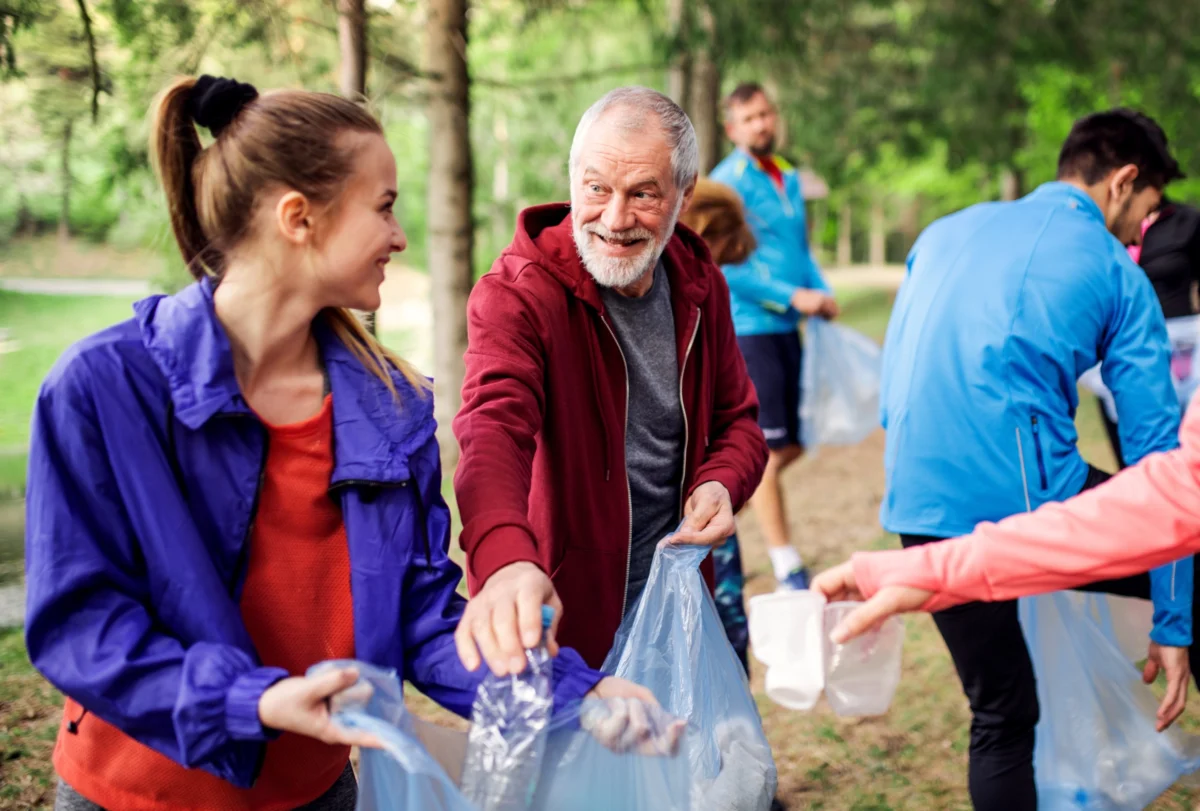
- Collaborative Hobbies: Engage in activities that bridge the generational divide, such as cooking a family recipe together, gardening, or working on a craft.
Community Involvement Strategies
- Volunteer at Senior Centers: Local senior centers are often under-resourced. Offering your time to help organize events or provide administrative support can make a significant difference.
- Intergenerational Mentorship Programs: Advocate for or participate in programs that pair students with seniors. These exchanges foster mutual respect and dispel ageist stereotypes.
- Advocacy for Age-Inclusive Policies: Reach out to local representatives to support legislation that enhances senior services, such as increased funding for nutrition programs, mental health support, and elderly transportation services.
- Local History Projects: Seniors are the keepers of local history. Encourage community centers or libraries to host forums where older residents can share their knowledge of how the community has evolved.
Official Responses and the Road Ahead
Health organizations and advocacy groups globally view World Senior Citizens Day as a critical moment for policy advocacy. The consensus among experts is that we must move away from "age-segregated" living and toward "age-integrated" environments.
As we look toward the future, the Alliance for Aging Research continues to prioritize the promotion of healthy aging. By shifting the cultural paradigm from one of "declining capability" to one of "continued contribution," we can ensure that the later years of life are not seen as a sunset, but as a vibrant period of potential.
Conclusion: A Legacy of Contribution
Older adults have shaped the foundations of our modern world. From the technological advancements they pioneered to the civic values they defended, their mark is indelible. While the Alliance for Aging Research advocates for the rights and health of older adults every day of the year, August 21 serves as a necessary, heightened moment of reflection.
Let this day be a catalyst for change. Whether you are a family member, a neighbor, or a policymaker, your actions have the power to reduce the isolation of an elder and amplify their sense of belonging. As we celebrate the seniors in our lives, let us also commit to creating a world that recognizes their past accomplishments while actively inviting their future contributions.
Lauren Belsky is the Development Coordinator for the Alliance for Aging Research, an organization dedicated to accelerating the pace of scientific discovery and improving the lives of older adults.