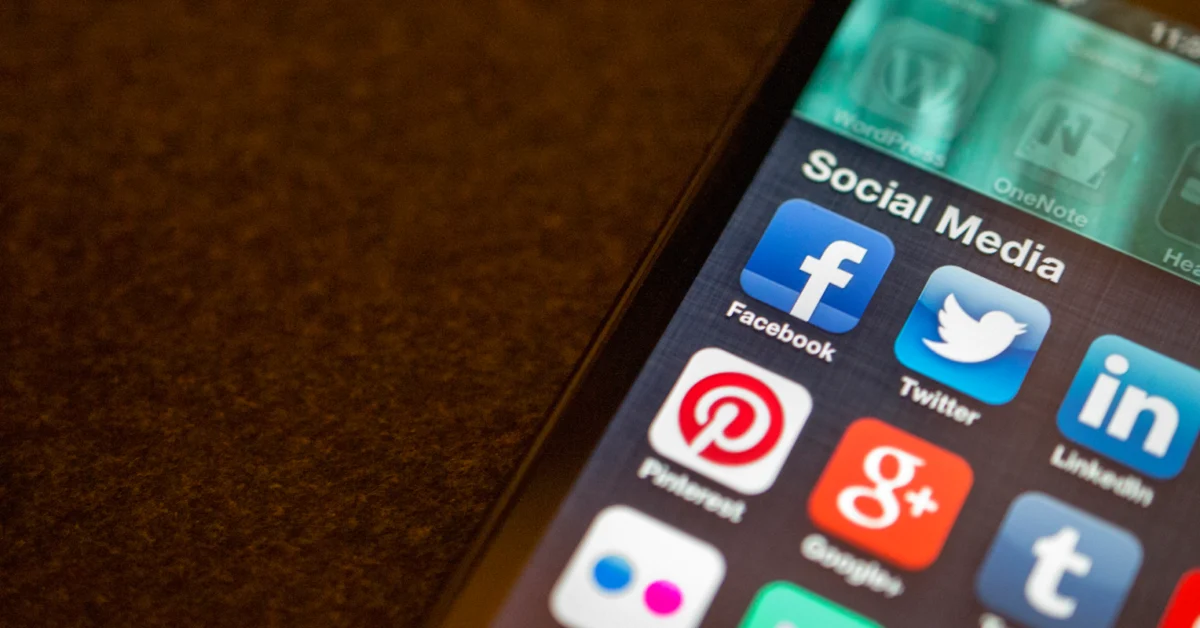
In the modern era, social media has evolved from a niche digital pastime into the central nervous system of contemporary human interaction. It is the invisible thread weaving through our personal relationships, professional networking, and global discourse. For billions, these platforms serve as an essential repository of pop culture, news, and community. Yet, as the lines between our digital personas and our authentic selves continue to blur, a growing body of evidence suggests that the very tools designed to connect us may be fundamentally altering our psychological landscape.
The question remains: must we sever ties with these digital ecosystems to reclaim our peace of mind, or is there a pathway to a healthier coexistence? The reality, much like the human psyche itself, is nuanced and deeply complex.
The Evolution of Connection: A Brief Chronology
To understand our current state, one must look at how rapidly these platforms became entrenched in our daily rhythms.
- The Early 2000s: The Dawn of Connectivity: With the rise of platforms like Friendster and MySpace, the internet transitioned from a static information repository into a social experience. The focus was on "adding" friends and customizing personal profiles.
- 2006–2010: The Mainstream Explosion: Facebook opened to the public, and Twitter introduced the era of real-time, bite-sized updates. The smartphone revolution, punctuated by the release of the iPhone, ensured that these platforms were no longer confined to desktop computers, but were now companions in our pockets.
- 2010–2015: The Visual Shift: The emergence of Instagram and Snapchat shifted the cultural paradigm toward image-centric validation. Likes, filters, and "stories" became the new currency of social status.
- 2020–Present: The Pandemic Catalyst: COVID-19 acted as a global accelerator. With physical borders closed and social distancing enforced, social media became the primary vehicle for human interaction, cementing its role as a necessary utility for mental survival, while simultaneously exposing its dark underbelly of algorithmic polarization and isolation.
The "Good": Community and Empowerment
Despite the prevailing narrative of doom-scrolling, social media serves as a profound engine for social cohesion. It has democratized communication, allowing individuals to transcend geographic limitations.
Building Digital Tribes
Social media is a powerful tool for identity formation. By facilitating the creation of groups based on shared interests—ranging from niche sports and professional fields to support groups for rare medical conditions—platforms like Facebook and Discord provide a "digital tribe." For marginalized populations, these groups offer a vital sense of belonging that may be absent in their immediate physical environment.
A Lifeline During Isolation
The COVID-19 pandemic served as an unintentional case study in the necessity of digital connection. Research from the Royal Society for Public Health (RSPH) indicates that during the height of the pandemic, nearly 7 in 10 teenagers reported that social media served as a lifeline, providing crucial emotional support from peers during periods of intense lockdown. In this context, the digital screen became a mirror for humanity, reflecting shared struggles and instilling a sense of collective resilience.
Destigmatizing Mental Health
Furthermore, social media has become a primary staging ground for mental health advocacy. Campaigns like Scotland’s "See Me" initiative demonstrate that when social media is used with intention, it can shift societal perceptions. Research published by the National Academies of Sciences, Engineering, and Medicine showed that such campaigns resulted in an 11 percent decrease in the belief that the public requires protection from those with mental health conditions, and a 17 percent reduction in the perception of the mentally ill as "dangerous."
The "Bad": Algorithms, Comparison, and Cyberbullying
While the benefits of connectivity are clear, the architectural design of modern platforms poses significant risks.
The Algorithmic Echo Chamber
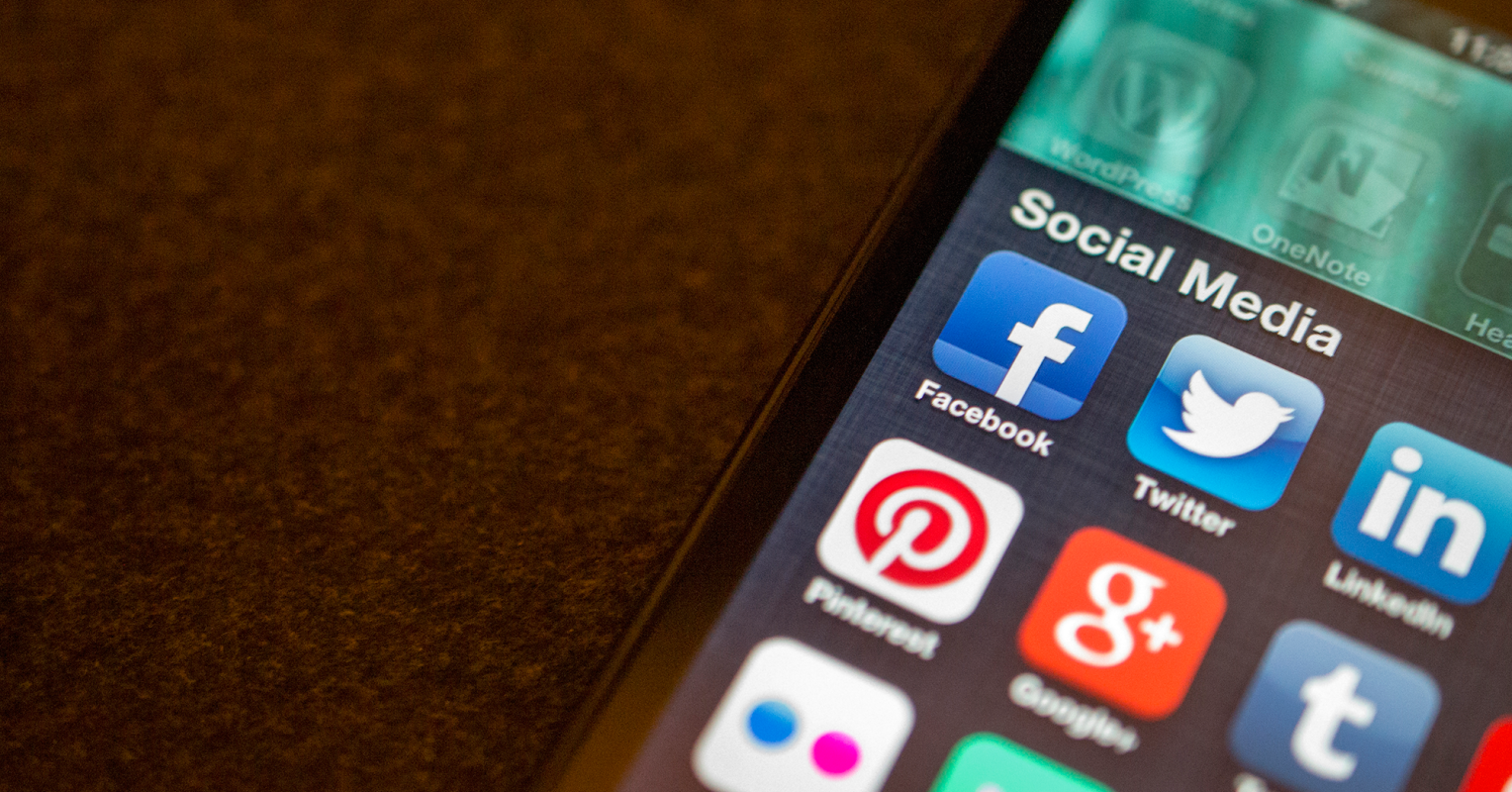
Social media algorithms are, by design, machines of engagement. They are programmed to identify a user’s preferences and feed them a steady stream of "more of the same." While this keeps users on the platform, it creates a feedback loop that warps worldviews. By insulating users from dissenting opinions, these platforms have been frequently scrutinized by lawmakers for their role in accelerating ideological extremism and political polarization.
The Thief of Joy
The psychological toll of "curated reality" cannot be overstated. Theodore Roosevelt’s famous adage—"comparison is the thief of joy"—is amplified to an industrial scale online. When users are constantly bombarded with the highlight reels of others, it creates a distorted perception of "normal." An internal report from Facebook (now Meta) notably found that 32 percent of teen girls who felt negative about their bodies reported that Instagram exacerbated these feelings. This constant state of comparison often manifests as anxiety, jealousy, and the ubiquitous "Fear of Missing Out" (FOMO).
The Rise of Cyberbullying
The anonymity and distance provided by the screen can facilitate a toxic environment. The RSPH survey highlighted that 70 percent of young respondents had encountered cyberbullying, with 37 percent describing the abuse as frequent and sustained. The consequences are dire: clinicians have observed direct links between sustained digital harassment and increased rates of depression and post-traumatic stress disorder (PTSD) among adolescents.
Official Responses and Regulatory Implications
Governments and global health organizations are increasingly treating social media as a public health issue.
- Legislative Scrutiny: In both the U.S. Congress and the European Union, there is a mounting push for "algorithmic transparency." Policymakers are questioning whether platforms should be held accountable for the content their algorithms promote, particularly regarding minors.
- Corporate Accountability: Under pressure, platforms have begun to implement "digital wellbeing" features, such as screen time limits, the ability to hide "like" counts, and enhanced moderation tools to flag bullying. However, critics argue these are superficial fixes for a business model that is fundamentally predicated on keeping users glued to their screens.
- Clinical Guidelines: Psychologists are increasingly incorporating "digital hygiene" into their treatment plans. The consensus is shifting toward a model of mindful consumption, encouraging patients to treat their social media feeds like a diet—opting for high-quality, supportive interactions while discarding the "junk food" of inflammatory or toxic content.
Implications: Striking a Sustainable Balance
The relationship between social media and the human mind is essentially a paradox. It is both a bridge and a barrier. The implications for our future are clear: we cannot afford to be passive users.
To maintain mental equilibrium in a hyper-connected world, individuals must cultivate "digital agency." This involves:
- Auditing the Feed: Regularly pruning accounts that trigger feelings of inadequacy or anxiety.
- Setting Hard Boundaries: Establishing device-free zones, particularly during sleep or high-stress periods.
- Prioritizing Active vs. Passive Use: Research suggests that active use—messaging friends, commenting, and engaging—is more beneficial than the passive act of scrolling through feeds, which is more strongly correlated with feelings of isolation.
Ultimately, social media is a tool, not an environment. While we cannot always control the algorithms or the content generated by others, we maintain complete control over our own engagement. If a platform is producing more negative psychological friction than value, the most radical—and effective—act of self-care is to disconnect. In an age of infinite digital noise, silence and intentionality may be the most important skills we can cultivate.