










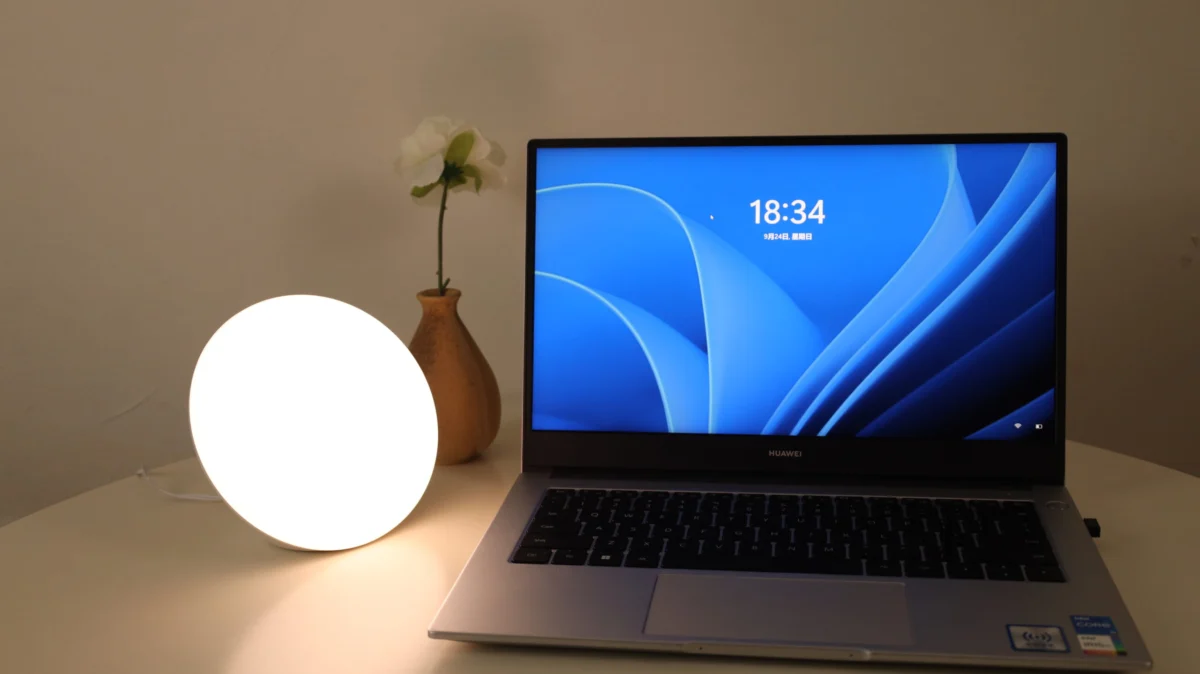
As the autumnal equinox approaches and the days begin to shorten, millions of people worldwide prepare for the onset of "the winter blues"—a colloquial term often associated with Seasonal Affective Disorder (SAD). For many, the lack of natural sunlight during the dark, cold months of the year can lead to decreased energy, sleep disturbances, and diminished mood. In response to this recurring seasonal challenge, lighting manufacturer LASTAR has introduced the CM011, a compact, high-intensity light therapy device designed to mimic the benefits of natural daylight within the home or office environment.
The CM011 is not merely a lamp; it is a clinical-grade wellness tool designed to help users establish consistent morning routines. By delivering up to 10,000 lux of UV-free light, the device provides the specific intensity required to signal the brain to wake up, suppress melatonin production, and reset the internal circadian rhythm.
The Core Technology: Bridging the Gap Between Science and Convenience
At the heart of the LASTAR CM011 is a sophisticated LED array engineered to replicate the color temperature and intensity of a clear, bright morning sky. Unlike conventional household lighting, which is primarily designed for visibility, the CM011 is designed for biological impact.
The device boasts a suite of features that prioritize both efficacy and user customization. Key specifications include:
- 10,000 Lux Output: This is the gold standard for light therapy, providing enough intensity to effectively influence the body’s internal clock during short exposure periods.
- UV-Free Spectrum: Safety is a paramount concern for consumers. The CM011 utilizes advanced filtering technology to provide high-intensity light without the harmful ultraviolet rays that can cause skin damage or eye strain.
- Customizable Experience: Recognizing that every user has different sensitivities, the lamp features five distinct brightness levels and four color temperatures. This flexibility allows the device to serve as a bright therapy tool in the morning and a softer, ambient lamp later in the day.
- Smart Integration: With four built-in timers and a memory function that saves the user’s preferred settings, the lamp integrates seamlessly into a busy morning routine.
"At LASTAR, we believe better light can make darker mornings a little easier," says a creator partnerships representative at LASTAR. "We create practical, easy-to-use lighting to help more people start each day with greater comfort and consistency."
Chronology: The Evolution of Light Therapy
The history of light therapy, or phototherapy, traces back to the early 1980s, when researchers first identified a correlation between the reduction of natural sunlight in winter months and the onset of depressive symptoms in otherwise healthy individuals.
In 1984, the first clinical trials confirmed that artificial bright light could effectively treat SAD. Since then, the technology has evolved from bulky, cumbersome boxes that required the user to sit stationary for hours, to the sleek, portable, and efficient devices like the CM011 we see today.
The introduction of the CM011 marks a significant milestone in this evolution. By prioritizing a small footprint—measuring just 5.3 x 4.7 x 2.0 inches—LASTAR addresses the modern consumer’s need for portability. Whether placed on a cramped home office desk, a kitchen counter, or a bedroom vanity, the device fits into the rhythm of daily life rather than requiring the user to rearrange their space to accommodate a medical device.
Supporting Data: Why Timing and Intensity Matter
The efficacy of light therapy is heavily dependent on two variables: the "dose" (lux) and the timing. According to sleep science experts, the human brain’s suprachiasmatic nucleus—the master clock—is most responsive to light in the early morning hours.
The Math of Morning Light
The LASTAR CM011 offers two primary protocols for users, depending on their schedule and sensitivity:
- The High-Intensity Protocol: 10,000 lux for 30 minutes. This is the most efficient method for those who need a rapid boost to their alertness and mood upon waking.
- The Moderate-Intensity Protocol: 2,500 lux for 2 hours. This is better suited for users who prefer a more gradual light exposure while they work or eat breakfast.
Research suggests that morning light is significantly more effective than evening light. Light exposure in the evening can actually delay the sleep cycle, making it harder to fall asleep at night. Therefore, the company explicitly recommends that users utilize the lamp during breakfast or while getting ready for the day. For optimal results, LASTAR suggests positioning the lamp 3.9 inches from the face. This distance is calculated to ensure the light hits the retina at the correct angle to trigger the desired hormonal responses without causing discomfort or glare.
The Professional and Psychological Implications
The implications of adopting a light therapy routine extend far beyond "feeling a bit better." For many, the transition to shorter, darker days represents a significant barrier to productivity and mental health.
Managing Seasonal Mood Changes
While the CM011 is not a replacement for clinical treatment for major depressive disorder, it is a highly effective, non-pharmacological tool for managing the fluctuations in mood that accompany the changing seasons. By stabilizing the circadian rhythm, users often report improved sleep quality, which in turn leads to better emotional regulation throughout the day.
The Role of Glare-Free Technology
One of the primary reasons users abandon light therapy is eye strain caused by poorly designed, flickering, or high-glare lamps. The CM011 addresses this by utilizing a glare-free light diffusion panel. By softening the output while maintaining high intensity, the device ensures that the therapy session is comfortable enough to maintain long-term compliance. In medical terms, adherence is the greatest predictor of success; if a device is uncomfortable to use, it will end up in a drawer. By prioritizing user comfort, LASTAR aims to increase the long-term success rate of light therapy for the average consumer.
Looking Ahead: The Future of Home Wellness
The release of the CM011 comes at a time when the "wellness tech" sector is experiencing explosive growth. Consumers are increasingly looking for ways to take control of their health through non-invasive, data-backed, and practical solutions.
The integration of memory settings and simple touch-button controls on the CM011 reflects a broader trend in home electronics: the democratization of high-end technology. What was once available only in a clinical or psychiatric setting is now available for the price of a standard household appliance.
Expert Recommendations for First-Time Users
For those considering incorporating the CM011 into their morning routine, health experts generally suggest a "start slow" approach:
- Consistency is Key: Use the lamp at the same time every morning to help anchor your internal clock.
- Eyes Open, But Don’t Stare: You do not need to look directly into the light. It is sufficient to have the light in your peripheral field of vision while you read, eat, or work.
- Consult a Professional: If you have a history of eye conditions or are on medications that increase photosensitivity, it is always recommended to consult with a primary care physician before starting a high-intensity light regimen.
Conclusion
The LASTAR CM011 represents a significant step forward in making light therapy accessible, portable, and aesthetically integrated into the modern home. By distilling complex photobiological concepts into a user-friendly, high-performance lamp, the company provides a viable solution for the millions who struggle with the "winter blues."
As we move toward the darker months, the value of such tools becomes increasingly clear. Whether it is to improve sleep, boost energy levels, or simply brighten a dark winter morning, the CM011 offers a straightforward, evidence-based path to better seasonal health. With its compact size and customizable settings, it stands as a testament to how small adjustments in our immediate environment—specifically, the light we invite into our morning—can have a profound impact on our overall well-being.