Featured Buzz – January 11, 2026
The landscape of respiratory medicine is undergoing a profound transformation. As diagnostic technologies evolve, the integration of Artificial Intelligence (AI) and point-of-care imaging is moving from experimental curiosity to clinical reality. This week, groundbreaking research from leading institutions—including Mount Sinai Health System, the University of Chicago, and the University of California, San Francisco—highlights how these technologies are not only refining diagnostic accuracy but also optimizing treatment pathways for patients ranging from premature infants to critically ill adults.
I. AI-Driven ECG Analysis: A New Frontier for COPD Screening
Chronic Obstructive Pulmonary Disease (COPD) remains one of the world’s most underdiagnosed health conditions. Often dismissed as a "smoker’s cough" until significant lung function is lost, COPD typically requires spirometry for a formal diagnosis. However, a new study suggests that the ubiquitous electrocardiogram (ECG) could serve as an untapped diagnostic gatekeeper.
The Methodology
Researchers at the Mount Sinai Health System embarked on a massive data-driven initiative to determine if the electrical signals of the heart, captured via ECG, contain hidden "fingerprints" of COPD. The study was monumental in scale, leveraging a dataset of 208,231 ECGs from 18,225 patients with established COPD, compared against 552,771 ECGs from a matched control group of 59,356 individuals.
By training a Convolutional Neural Network (CNN)—a form of deep learning specialized in pattern recognition—the team taught the AI to identify subtle electrical anomalies that correlate with structural changes in the lungs and pulmonary vasculature.
Clinical Implications
While the researchers stress that ECGs will not replace spirometry as the gold standard for diagnosis, they argue that AI-enhanced interpretation offers a pragmatic, low-cost screening tool. "Earlier recognition may facilitate timely smoking cessation, targeted therapies, and pulmonary rehabilitation," the authors noted in eBioMedicine. By identifying at-risk patients during routine cardiac check-ups, clinicians could potentially slow disease progression before it becomes debilitating, significantly reducing the long-term healthcare burden.
II. Neonatal Precision: Lung Ultrasound and Extubation Success
In the high-stakes environment of the Neonatal Intensive Care Unit (NICU), the timing of extubation—removing a breathing tube from a preterm infant—is a delicate balancing act. Prematurely removing support can lead to respiratory failure, while keeping an infant intubated too long increases the risk of infection and airway trauma.
Predictive Modeling for VLBW Infants
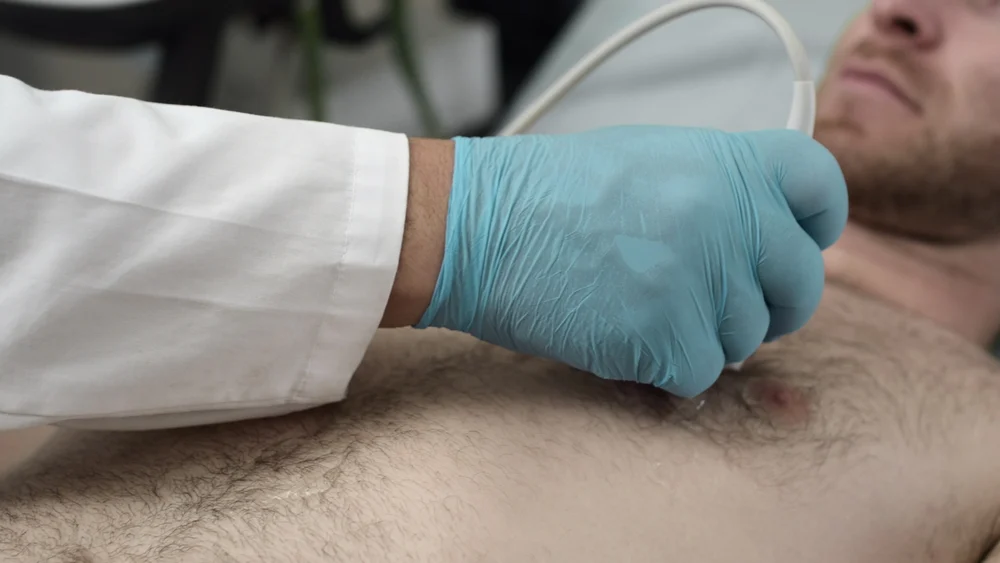
Researchers from the University of Chicago have turned to lung ultrasound (LUS) as a non-invasive solution. Their study focused on 45 very low birth weight (VLBW) infants suffering from respiratory distress syndrome. By performing LUS scans three to six hours prior to extubation attempts, the team sought to identify a predictive score for success.
The study examined 53 extubation attempts, with failure defined as the need for reintubation within seven days. The results suggest that a neonatal-adapted LUS score provides a high degree of confidence for clinicians. Furthermore, the study clarified a common misconception regarding clinical protocols: dexamethasone treatment, often used to reduce inflammation in preterm lungs, was found not to be associated with lower LUS scores, providing clinicians with greater clarity on how to interpret ultrasound data in the context of steroid therapy.
III. Combating Over-Prescription: AI and Host Biomarkers in the ICU
Perhaps the most ambitious study published this week comes from the University of California, San Francisco (UCSF), where researchers are tackling the crisis of antibiotic resistance. In critically ill patients, diagnosing Lower Respiratory Tract Infections (LRTIs) like pneumonia is notoriously difficult, leading to the frequent, and often unnecessary, prescription of broad-spectrum antibiotics.
The Hybrid Diagnostic Approach
The UCSF team developed a dual-pronged diagnostic model. First, they identified the role of the gene FABP4, which is expressed at lower levels in infected lung cells compared to healthy ones. By measuring this biomarker in lung fluid, they established a biological baseline for infection.
Second, they integrated this biological data with a generative AI model trained on the patient’s Electronic Medical Record (EMR). The AI analyzed clinical notes, chest X-ray reports, and laboratory trends to provide a comprehensive diagnosis.
Performance and Future Outlook
In an observational study of critically ill adults, the model achieved a 96% diagnostic accuracy rate, significantly outperforming human clinicians. The researchers estimate that if this model were implemented, it could reduce inappropriate antibiotic use by over 80%.
The team is now working to transition the tool into a clinical test accessible via HIPAA-compliant GPT-4 interfaces. Furthermore, the success of this "host biomarker plus AI" approach is being adapted for sepsis diagnosis, marking a major shift toward precision medicine in critical care.
IV. Chronology of Advancements
The rapid pace of these developments is not coincidental. Over the last 24 months, the medical community has shifted from "AI as a concept" to "AI as a tool."
- Early 2025: Initial training of the CNN models at Mount Sinai begins, utilizing massive historical datasets of patient ECGs.
- Mid-2025: The UCSF team completes the observational phase of their LRTI study, demonstrating the superiority of generative AI in complex diagnostic tasks.
- Late 2025: Data from the University of Chicago’s neonatal ultrasound study is peer-reviewed, confirming the utility of LUS scores in the NICU.
- January 2026: Results from all three studies are published in leading journals, signaling a coordinated push toward data-driven, technology-assisted clinical practice.
V. Official Perspectives and Implications
The Value of "Pragmatic" AI
The consensus among the research teams is that AI is not a replacement for the physician, but an augmentation of human intuition. By synthesizing vast amounts of data—whether it is thousands of ECG waveforms or complex genomic and radiological notes—AI allows doctors to focus on the "why" and "how" of patient care.
"Integrating a host biomarker with large language model analysis can improve LRTI diagnosis in critically ill adults," noted the UCSF researchers. Their findings suggest that the future of medicine lies in hybrid models: biological testing combined with computational intelligence.
Challenges to Implementation
Despite the promise, several challenges remain:
- Standardization: AI models must be validated across diverse populations to ensure that findings at one hospital (e.g., Mount Sinai in New York) are applicable globally.
- Ethics and Privacy: The use of generative AI in clinical settings, particularly with EMR data, necessitates robust HIPAA compliance and rigorous oversight.
- Clinical Integration: For these tools to be successful, they must be embedded directly into the electronic health record workflow, ensuring they assist, rather than interrupt, the clinician’s routine.
A New Standard of Care
As we move further into 2026, the implications of these studies are clear: the diagnostic window is closing on traditional, reactive medicine. By utilizing ECGs for early COPD detection, ultrasound for precise neonatal support, and AI/biomarker integration for infection management, the medical community is moving toward a more proactive, accurate, and efficient standard of care.
The studies published this week in eBioMedicine, the Journal of Perinatology, and Nature Communications serve as a blueprint for the next generation of respiratory care. As these technologies move from validation to widespread clinical adoption, the focus will shift from simply treating disease to managing patient health with unprecedented precision.
VI. Summary Table: Impact of New Research
| Technology | Application | Potential Benefit |
|---|---|---|
| AI-ECG | COPD Screening | Earlier detection; improved quality of life. |
| Lung Ultrasound | NICU Extubation | Reduced reintubation; optimized respiratory support. |
| Generative AI + Biomarkers | ICU LRTI Diagnosis | Reduced antibiotic resistance; higher diagnostic accuracy. |
As these findings demonstrate, the integration of cutting-edge technology is essential to navigating the complexities of modern respiratory health. Whether through the electrical patterns of the heart or the genetic markers in lung fluid, the future of medicine is increasingly being written in data.