







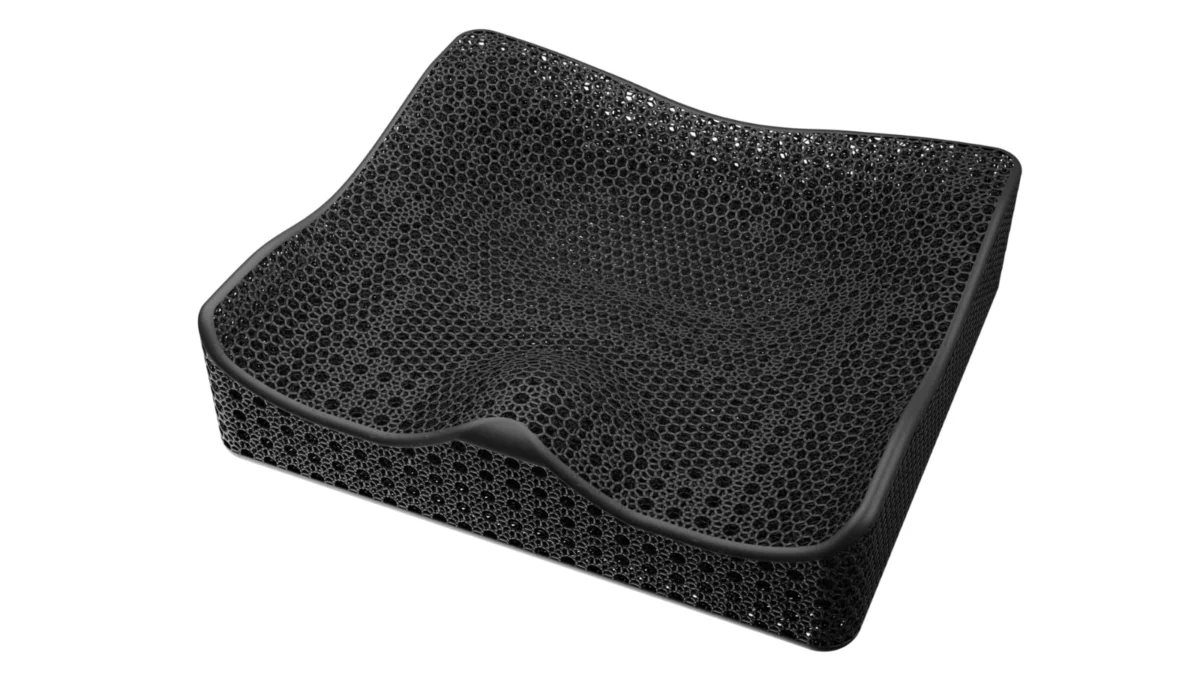
MELBOURNE, FLA. – [Date of Publication] – Kalogon, a pioneering force in advanced seating solutions, has officially announced the launch of Verro, an groundbreaking line of Medicare-coded custom wheelchair cushions. Designed specifically to address the intricate and often unmet needs of individuals requiring sophisticated postural support, Verro introduces a paradigm shift in personalized seating through its innovative use of 3D-printed variable-density lattice technology and advanced dual-density foam options. This launch marks a significant stride forward in complex rehab technology, promising enhanced comfort, stability, and therapeutic outcomes for a broad spectrum of wheelchair users.
Main Facts: Redefining Custom Seating
Kalogon, a company already recognized for its smart seating solutions, has entered a new frontier with Verro. This latest offering is not merely an incremental upgrade but a fundamental rethinking of how custom wheelchair cushions are designed and manufactured. At its core, Verro aims to bridge the gap left by standard, off-the-shelf cushions, which often fail to provide the precise, body-conforming fit essential for individuals with complex postural challenges. Conditions such as windswept posture, pelvic obliquity, and asymmetry demand a level of customization that traditional materials and manufacturing processes struggle to deliver.
The Verro line is introduced with two distinct yet equally innovative models: the Verro Variable-Density Lattice (Verro Lattice) and the Verro Dual-Density Foam (Verro Foam). The Verro Lattice stands out as a novel entry into the complex rehab tech market, leveraging Kalogon’s patent-pending 3D-printed elastomer construction. This technology allows for unprecedented control over firmness across the cushion surface, creating areas that are firmer where robust support is needed to maintain proper alignment, and softer where critical pressure diffusion is paramount. This capability enables a truly hyper-personalized fit that adapts to the unique contours and support requirements of each user’s body.
Complementing the lattice model, the Verro Foam offers an alternative for those seeking adaptability and a different tactile experience. This model features a dense foam base topped with a softer foam layer, providing a dual-density approach to support and comfort. Both models are meticulously engineered to provide the best possible comfort, support, and fit, thereby enhancing the quality of life for users facing significant seating complexities.
Crucially, Verro cushions carry the E2609 Medicare code, signifying their recognition as medically necessary equipment and facilitating broader accessibility and affordability for patients. The entire production process, from initial design capture to final manufacturing, takes place in-house at Kalogon’s state-of-the-art facility in Melbourne, Florida, ensuring stringent quality control and rapid turnaround times.
Chronology: Kalogon’s Evolution in Smart Seating
Kalogon’s journey into the realm of advanced seating solutions began with a clear vision: to leverage cutting-edge technology to improve the lives of individuals reliant on wheelchairs. While specific founding dates and early product lines beyond mentions of "smart seating solutions" and "Orbiter Med" are not detailed in the provided information, the launch of Verro can be understood as a significant culmination of their ongoing commitment to innovation.
The company’s prior work in "smart seating solutions" likely laid the groundwork, focusing on dynamic pressure management and user-centric design. These earlier innovations probably involved sensing technologies and automated adjustments to prevent pressure injuries, a common and debilitating issue for wheelchair users. The experience gained from these initial ventures, understanding the nuances of pressure distribution and postural support, would have been invaluable in identifying the unmet needs of the most complex patients.
The evolution towards Verro suggests a strategic pivot or expansion, recognizing that while smart, dynamic solutions are powerful, foundational static support remains critical. For the most challenging cases, a precisely contoured, custom-fit cushion is the primary line of defense against discomfort, instability, and skin breakdown. The development of Verro, particularly its 3D-printed lattice technology, signifies Kalogon’s embrace of advanced manufacturing techniques to achieve previously unattainable levels of customization and performance in static cushions.
This progression highlights a company that continuously seeks to push the boundaries of assistive technology. From responsive electronic systems to sophisticated material science and additive manufacturing, Kalogon appears to follow a trajectory of innovation driven by clinical feedback and patient needs. The introduction of Verro, with its focus on ultra-precision and individualized contouring, represents a mature understanding of the complex interplay between human anatomy, biomechanics, and long-term seating health. It positions Kalogon not just as a provider of smart devices, but as a holistic solution provider for diverse seating challenges.
Supporting Data: The Science Behind Personalized Support
The efficacy of Kalogon’s Verro line is rooted in sophisticated engineering and a deep understanding of biomechanics and material science. Both Verro Lattice and Verro Foam offer distinct advantages, catering to a wide array of clinical needs and user preferences.
The Revolutionary Verro Lattice: Precision Through 3D Printing
The Verro Lattice model is arguably the flagship of this new line, introducing a patent-pending variable-density lattice technology that is unique in the complex rehab market. This innovation leverages advanced 3D printing techniques to create an elastomer structure where the firmness and flexibility can be precisely controlled at microscopic levels across the entire cushion surface.
- Targeted Support and Pressure Diffusion: Unlike traditional cushions that rely on uniform materials or segmented inserts, the 3D-printed lattice allows for specific zones to be engineered for different purposes. Where the body requires firm containment to correct or maintain posture (e.g., supporting the pelvis or preventing lateral trunk lean), the lattice can be printed with denser, more rigid structures. Conversely, in areas prone to high pressure and skin breakdown (e.g., ischial tuberosities, sacrum), the lattice can be designed with a more open, compliant structure, allowing for maximum pressure redistribution and diffusion. This localized control minimizes shear forces and peak pressures, which are critical factors in preventing pressure injuries.
- Breathability and Temperature Regulation: A significant advantage of the open lattice structure is its inherent breathability. Traditional foam or gel cushions can trap heat and moisture, leading to discomfort and increased risk of skin maceration. The Verro Lattice’s design promotes airflow, helping to regulate temperature and moisture levels, thereby enhancing skin integrity and user comfort, particularly for individuals who spend extended periods in their wheelchairs.
- Durability and Lightweight Design: Elastomers used in 3D printing offer excellent durability and resilience, ensuring the cushion maintains its structural integrity and therapeutic properties over time. Furthermore, the optimized lattice structure can be designed to minimize material usage without compromising strength, resulting in a lighter-weight cushion that contributes to the overall maneuverability and ease of use of the wheelchair.
Verro Foam: Adaptability and Familiarity
For users who may prefer the familiar feel of foam or clinicians who prioritize in-field adaptability, the Verro Foam model offers a highly effective alternative. This dual-density construction provides a robust foundation coupled with a comfortable surface layer.
- Layered Support: The dense foam base provides foundational stability and prevents bottoming out, ensuring consistent postural support. The softer foam topper conforms gently to the user’s contours, offering comfort and initial pressure immersion. This combination effectively distributes pressure while maintaining necessary postural control.
- In-Field Modification: A key benefit of the foam construction is the ability for seating specialists to perform minor modifications after the initial fitting. This can be crucial as a user’s needs evolve or if fine-tuning is required in a real-world setting, providing a level of flexibility not always possible with rigid custom designs.
Addressing Complex Postural Challenges
The precise customization offered by Verro directly targets the most challenging postural deviations.
- Windswept Posture: Characterized by the pelvis and knees rotating to one side, windswept posture can lead to significant asymmetry and pressure points. Verro’s ability to create asymmetrical contours and varying firmness zones can gently guide and contain the pelvis and lower extremities, promoting a more neutral alignment.
- Pelvic Obliquity: This involves one side of the pelvis being higher than the other, often leading to uneven weight distribution and increased risk of pressure ulcers on the lower side. Verro can be designed with precise build-ups and cut-outs to level the pelvis, distribute weight evenly, and provide relief to vulnerable areas.
- Asymmetry: Broadly, any significant deviation from symmetrical posture can cause discomfort and long-term complications. Verro’s hyper-personalization ensures that every curve and angle of the user’s body is accounted for, providing bespoke support that accommodates unique anatomical variations.
The Precision of the Launch Pad System
Kalogon’s "Launch Pad" interactive real-time configurator is integral to the Verro customization process. This system offers two pathways for clinicians to order, both designed for ultimate precision:
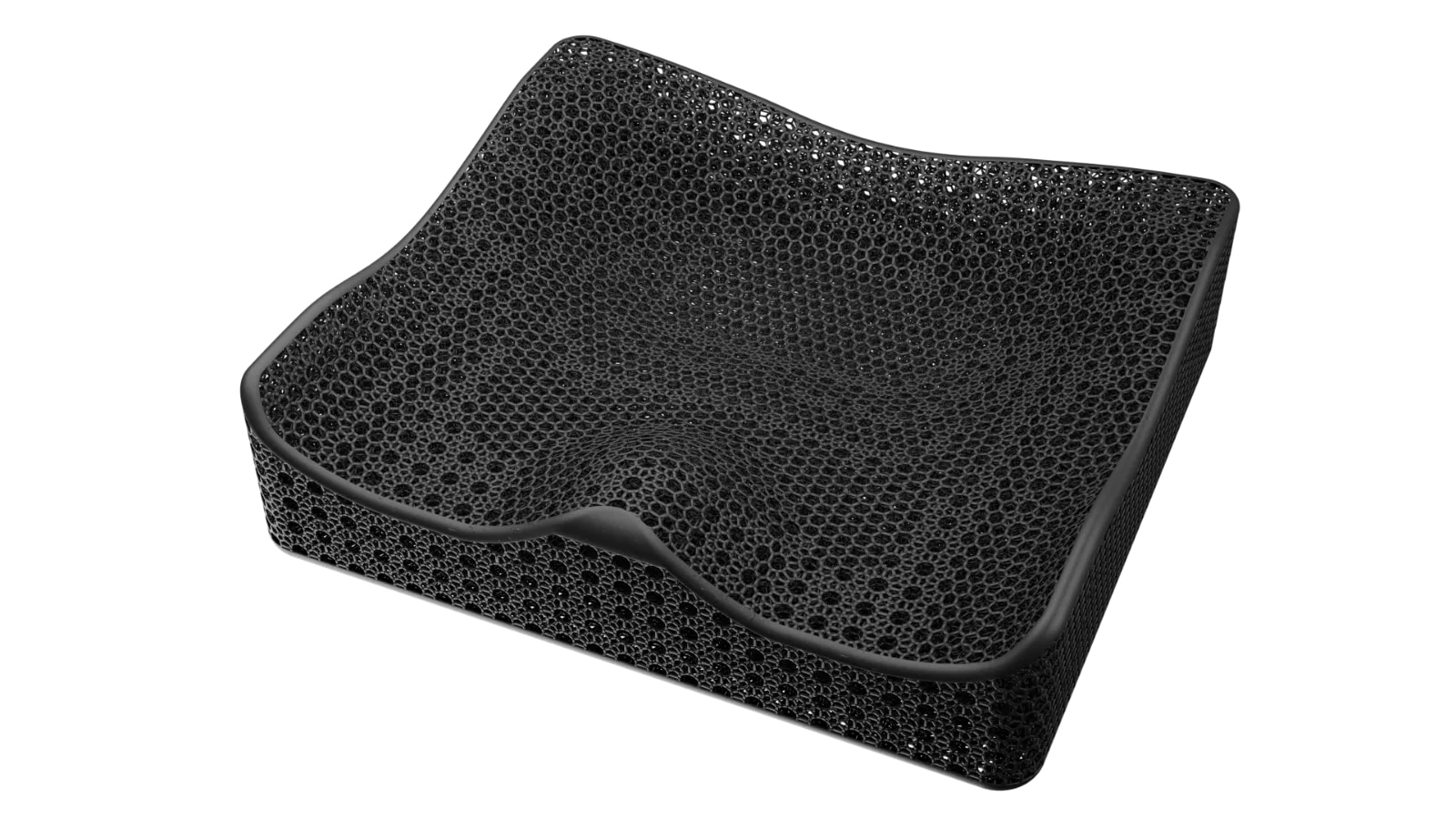
- 3D Body Scan: This method involves capturing a precise, three-dimensional digital model of the user’s seated posture. This scan provides an exact representation of the body’s contours, pressure points, and postural deviations. The data is then directly translated into the cushion design, ensuring a perfect anatomical match for the 3D-printed lattice or foam contouring.
- Detailed Measurements: For situations where a 3D scan may not be feasible, clinicians can input a comprehensive set of detailed measurements and clinical observations. The Launch Pad system then utilizes these parameters to generate a custom cushion design, guided by Kalogon’s proprietary algorithms and expertise.
Regardless of the input method, Kalogon’s commitment to a 14-day shipping window post-order is a significant differentiator. This rapid turnaround is a fraction of the typical industry lead times for custom rehab technology, meaning patients receive their personalized solutions faster, reducing wait times and accelerating their path to improved comfort and health outcomes.
Official Responses: Vision and Clinical Impact
The launch of Verro has been met with enthusiasm from Kalogon’s leadership and respected figures in the rehabilitation community, underscoring its potential to transform patient care.
Tim Balz, CEO and founder of Kalogon, articulated the driving force behind Verro’s development: “We kept hearing from clinicians that their most complex patients were falling through the cracks, so we developed a technology that lets us 3D print the cushion with precise, localized control over where the body gets support and where it gets relief. With our variable-density lattice, we can create subtle variations across the surface and sides of the cushion that simply aren’t possible with traditional materials. The customization options are hyper-personalized to provide the best comfort, support and fit for every customer.”
Balz’s statement highlights Kalogon’s commitment to addressing critical unmet needs in the market. He emphasizes the limitations of existing solutions for the most challenging cases and positions 3D printing as the technological breakthrough that allows for unparalleled precision. The concept of "hyper-personalization" is central to Kalogon’s philosophy, moving beyond generic sizing to truly individualize support based on a person’s unique anatomy and pathological presentation. This vision extends beyond mere comfort, aiming for a therapeutic intervention that actively manages posture and pressure.
Adding a crucial clinical perspective, Kelly Waugh, MA, PT, ATP, an esteemed advisor to Kalogon, lauded the flexibility Verro offers to seating specialists. “Every client is different, and seating specialists need options that reflect that. Verro gives us more ways to match the right solution to each unique person based on their postural support needs, personal preferences and desire for in-field modification. That flexibility will allow Kalogon to serve a much wider population of people with complex seating needs than before.”
Waugh, a physical therapist and Assistive Technology Professional (ATP), brings invaluable insight into the practical challenges faced by clinicians. Her endorsement underscores the clinical utility of Verro’s dual offerings – the Verro Lattice for ultimate precision and breathability, and the Verro Foam for adaptability and familiar feel. She emphasizes that providing a spectrum of highly customizable options empowers seating specialists to make more informed and effective decisions, ultimately leading to better outcomes for a broader range of patients. Her comments also highlight the long-term benefit of in-field modification for the foam model, acknowledging that patient needs can evolve and that the ability to adapt a cushion post-delivery is a significant advantage in clinical practice.
These official responses collectively paint a picture of a company driven by patient needs, leveraging advanced technology, and validated by expert clinical opinion. The shared sentiment is that Verro is not just a new product but a significant enabler for clinicians to provide truly individualized and effective care.
Implications: A New Benchmark for Patient Care and Industry Innovation
The launch of Kalogon’s Verro custom wheelchair cushion line carries significant implications for patients, clinicians, and the broader complex rehab technology industry. It represents a potential benchmark for personalized care and underscores the transformative power of advanced manufacturing.
Enhanced Patient Quality of Life
For wheelchair users with complex seating needs, the implications are profound. A precisely fitted cushion like Verro can dramatically improve:
- Comfort: By meticulously contouring to the body, Verro minimizes pressure points and discomfort, allowing users to sit for longer periods without pain.
- Postural Stability: Correcting or accommodating postural deviations like windswept posture or pelvic obliquity improves functional reach, head control, and overall stability, which are crucial for daily activities, communication, and independence.
- Reduced Risk of Pressure Injuries: The targeted pressure diffusion capabilities, especially of the variable-density lattice, are critical in preventing and managing pressure ulcers, a severe and costly complication for many wheelchair users.
- Increased Participation: Improved comfort and stability translate directly into greater participation in social, educational, and vocational activities, significantly enhancing overall quality of life and inclusion.
Empowering Clinical Practice
Seating specialists and occupational therapists will find Verro to be a powerful tool in their arsenal. The dual options (lattice and foam) and the precise ordering system (Launch Pad) allow for a more tailored approach to client assessment and intervention. Clinicians can confidently recommend a solution that directly addresses specific anatomical and pathological needs, knowing it will be manufactured with unparalleled accuracy and delivered rapidly. This efficiency and precision can streamline the prescription process, reduce the need for multiple adjustments, and ultimately lead to more successful seating outcomes. The ability to modify the foam version in the field also offers a practical advantage, accommodating the dynamic nature of some patient conditions.
Advancing Industry Standards
Verro sets a new standard for customization in complex rehab technology.
- Mainstreaming 3D Printing: Kalogon’s patent-pending 3D-printed variable-density lattice technology showcases the immense potential of additive manufacturing in assistive devices. It moves 3D printing beyond prototyping into high-performance, personalized medical devices, demonstrating how it can overcome the limitations of traditional materials and fabrication methods. This could inspire further innovation across the industry, driving a shift towards more customized and technologically advanced solutions.
- The Future of Personalization: The "hyper-personalized" approach embodied by Verro aligns with a broader trend in healthcare towards individualized medicine. As technology allows for more precise data capture and manufacturing, the expectation for truly bespoke solutions will grow, pushing the entire industry to adopt more advanced methods.
- Accessibility and Efficiency: The Medicare E2609 coding ensures that these advanced solutions are accessible to a wider population, addressing the critical need for reimbursement. Furthermore, Kalogon’s commitment to a 14-day turnaround challenges industry norms, demonstrating that high-quality, custom solutions can be delivered efficiently, reducing patient wait times and improving access to care.
Economic and Social Impact
The long-term economic implications include potential reductions in healthcare costs associated with treating pressure injuries, which are often expensive and protracted. By proactively preventing these complications through superior seating, Verro contributes to better patient health and more efficient use of healthcare resources. Socially, enabling greater comfort, stability, and participation for individuals with disabilities fosters greater inclusion and independence, aligning with broader societal goals of accessibility and equity.
In conclusion, Kalogon’s Verro line is more than just a new product; it is a testament to the power of innovation driven by a deep understanding of human needs. By combining cutting-edge 3D printing with a patient-centric design philosophy, Verro is poised to redefine the landscape of custom wheelchair seating, offering a new benchmark for comfort, support, and quality of life for those who need it most.