For decades, the medical community has viewed the aging of human skin as an inevitable decline—a slow, irreversible loss of elasticity, structural integrity, and regenerative capacity. As we age, our skin cells—the primary guardians against infection and injury—begin to malfunction. Instead of simply dying, many of these damaged cells enter a state of "senescence." These so-called "zombie cells" linger in the tissue, refusing to divide or function normally, while simultaneously secreting toxic inflammatory signals that hinder the skin’s ability to repair itself after a surgical incision or a traumatic injury.
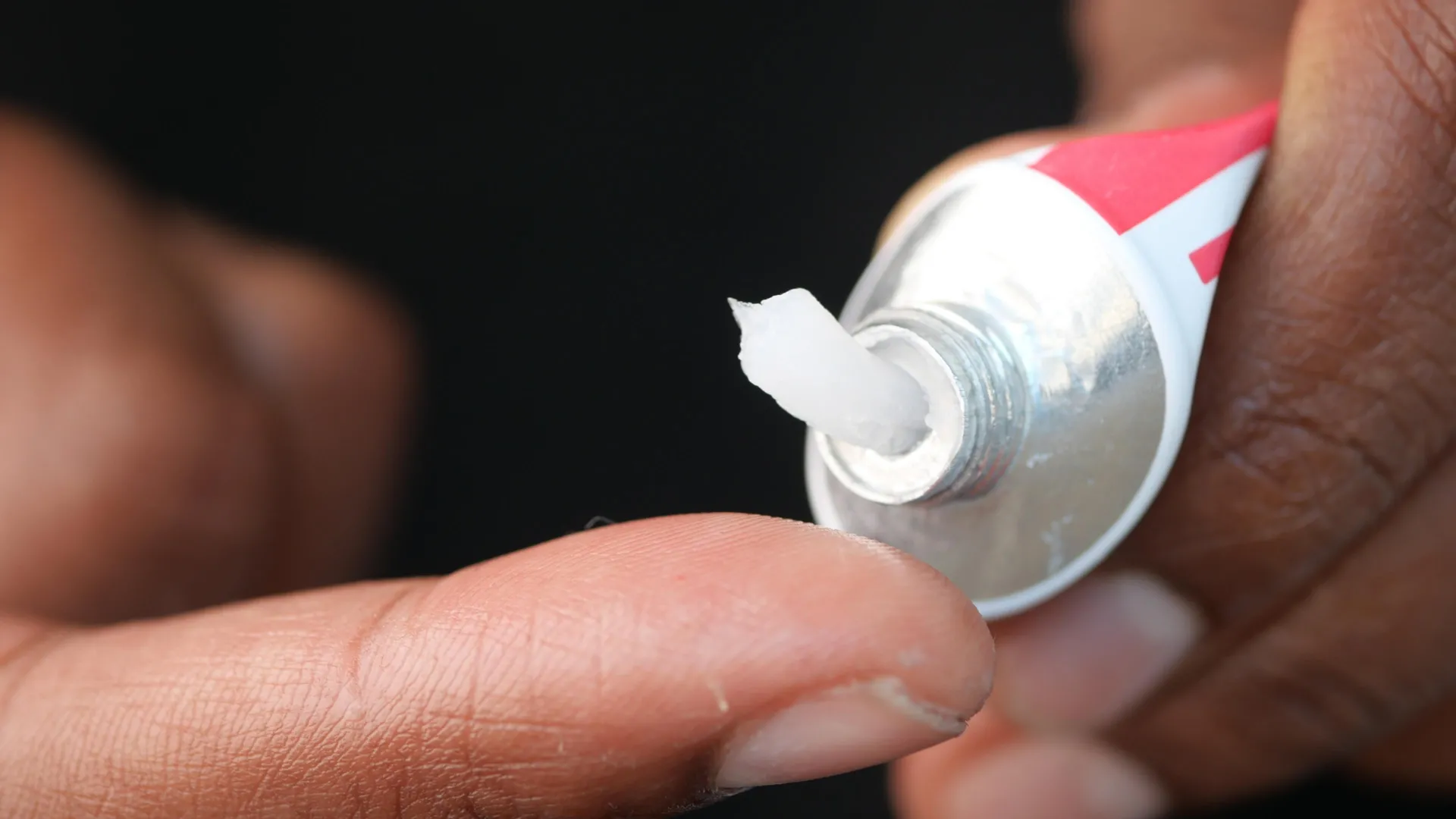
However, a breakthrough study published in Aging (Aging-US) has introduced a paradigm-shifting concept: by using a targeted drug to clear these zombie cells, we may be able to "rejuvenate" the skin’s healing mechanisms. The research, led by a distinguished team at the Boston University Aram V. Chobanian and Edward Avedisian School of Medicine, suggests that topical applications of a senolytic agent, ABT-263, could dramatically accelerate wound closure in older populations.
The Mechanics of Aging: Why Skin Struggles to Heal
To understand the significance of this discovery, one must first understand the biological burden of senescence. Throughout our lives, our cells replicate to repair damage. Over time, however, the cumulative stress of environmental factors, UV radiation, and internal metabolic processes causes cellular DNA damage. While healthy cells undergo programmed cell death (apoptosis) when they become too damaged to function, senescent cells do not.
Instead, they accumulate. These dormant cells are not truly inactive; they adopt a "senescence-associated secretory phenotype" (SASP). In this state, they release a cocktail of inflammatory proteins and chemicals that disrupt the healthy function of neighboring cells. In younger tissue, the immune system is efficient at identifying and removing these cells. As we age, that clearance mechanism falters, leading to a chronic, low-grade inflammatory environment that slows down the regenerative processes essential for closing a wound.
Chronology of the Research: From Mouse Models to Clinical Potential
The path to this discovery was paved through a rigorous, multi-year investigation into the efficacy of senolytic drugs. The research team, featuring notable scientists including Maria Shvedova, Rex Jeya Rajkumar Samdavid Thanapaul, and Daniel S. Roh, focused on ABT-263—a potent inhibitor of the BCL-2 family of proteins, which cells often use to stay alive.
The 2024 Experimental Benchmark
In the 2024 study, the team applied ABT-263 topically to the skin of aged mice for a five-day duration. The results were striking. Upon subsequent wounding, the treated skin demonstrated a significantly more robust healing response compared to the control group. By day 24, a staggering 80% of the ABT-263 treated mice had achieved full wound closure, whereas only 56% of the untreated mice reached the same milestone.
The 2025 and 2026 Expansion
The momentum did not stop with the initial findings. The broader scientific community began to build upon this foundation, exploring the nuance of how senolytics interact with skin health:
- 2025 Review: A comprehensive review in Ageing Research Reviews solidified the consensus that cellular senescence is a primary driver not only of cosmetic aging but of clinical skin disease, identifying senolytics as a high-potential therapeutic class.
- 2026 Innovation: A follow-up study addressed one of the most critical clinical needs: diabetic wound healing. Diabetic patients frequently suffer from chronic, non-healing ulcers caused by a combination of vascular issues and cellular senescence. By incorporating ABT-263 into a specialized wound dressing, researchers achieved improved healing in diabetic models with zero detectable systemic toxicity, suggesting that local delivery is the safest way to harness the power of these drugs.
A Paradoxical Healing Boost: The Role of Inflammation
Perhaps the most counterintuitive finding in the Boston University research was the discovery that ABT-263 triggered a brief, acute burst of inflammation. In the context of chronic conditions, inflammation is almost universally considered the enemy of healing. However, in this experimental setting, the inflammatory spike acted as a "reset" button.
By clearing the senescent cells, the drug appeared to jump-start dormant biological pathways. The research showed an upregulation in genes responsible for critical repair functions: collagen production, angiogenesis (the growth of new blood vessels), and the remodeling of the extracellular matrix. Essentially, the treatment forced the skin out of its "senescent stupor" and back into an active, regenerative state. This is vital because the primary danger for older patients after surgery is not just the wound itself, but the "lag phase"—the prolonged period where the skin fails to mount a sufficient repair response, leading to secondary infections and surgical complications.
The Strategic Advantage of Topical Application
One of the primary hurdles in the development of senolytic therapies has been the issue of systemic administration. Because ABT-263 and similar compounds can impact cells throughout the entire body, there is a risk of unintended side effects, including thrombocytopenia (low platelet counts).
The researchers’ decision to focus on topical application represents a significant evolution in drug delivery. By restricting the drug to the site of the skin, the team bypassed the risks associated with systemic circulation. Furthermore, the study revealed that the drug had little to no effect on the skin of young mice. This is a promising safety signal; it suggests that the therapy is "context-dependent." It selectively targets the accumulated burden of senescent cells in older, compromised tissue, while leaving healthy, young cells largely unaffected.
Implications for Modern Medicine
The potential applications for this therapy are vast and touch upon several critical areas of geriatric medicine and surgery.
Preoperative Conditioning
Currently, surgeons have limited tools to "prepare" a patient’s skin for a procedure. If this technology translates to humans, patients could undergo a brief, topical senolytic regimen in the days leading up to surgery. By clearing out senescent cells in advance, the surgeon could theoretically ensure that the patient’s skin is in an optimal state to begin the repair process the moment the incision is closed.
Chronic Wound Management
Chronic wounds, such as pressure ulcers or diabetic foot ulcers, represent a significant financial and human burden on the healthcare system. These wounds often remain stuck in a perpetual inflammatory cycle. Topical senolytic dressings could act as a therapeutic catalyst, breaking that cycle and allowing the wound to progress through the normal stages of healing.
Aesthetic and Regenerative Medicine
While the current focus is on wound healing, the implications for skin health extend to the cosmetic sector. If senolytic treatments can effectively turn back the biological clock of skin cells, the potential for non-invasive skin rejuvenation could be immense. However, researchers are quick to urge caution.
The Necessary Caution: The "Good vs. Bad" Senescence Dilemma
Despite the excitement, the scientific community maintains a cautious stance. A 2024 review in Frontiers in Immunology provided an essential reality check: senescent cells are not inherently "evil." In the very early stages of a wound, the presence of senescent cells can actually provide helpful signals that initiate the repair process.
The danger arises when these cells persist, accumulating to a level where their inflammatory signals become overwhelming. The challenge for future researchers will be precision: developing protocols that clear the harmful, lingering cells without disrupting the helpful, transient signals required for initial healing.
Conclusion: The Road Ahead
We are currently in the "pre-clinical" phase of this technology. While the results in murine models are undeniably powerful, the leap from mice to human clinical trials involves complex hurdles regarding safety, dosage, and long-term efficacy.
As the researchers at Boston University and their global peers continue to investigate, the vision is clear: we are moving toward a future where aging is no longer an insurmountable barrier to medical recovery. By viewing the skin not as a static organ that inevitably degrades, but as a dynamic tissue that can be "reset" and optimized, medicine may soon offer a new lease on life for millions of older adults.
The work of Maria Shvedova and her colleagues is more than just a study on wound healing; it is a testament to the fact that with the right tools, we can rewrite the biological rules of aging. The "zombie cells" that have long held our skin back may soon find themselves removed, clearing the way for a faster, stronger, and more resilient healing process for the elderly.